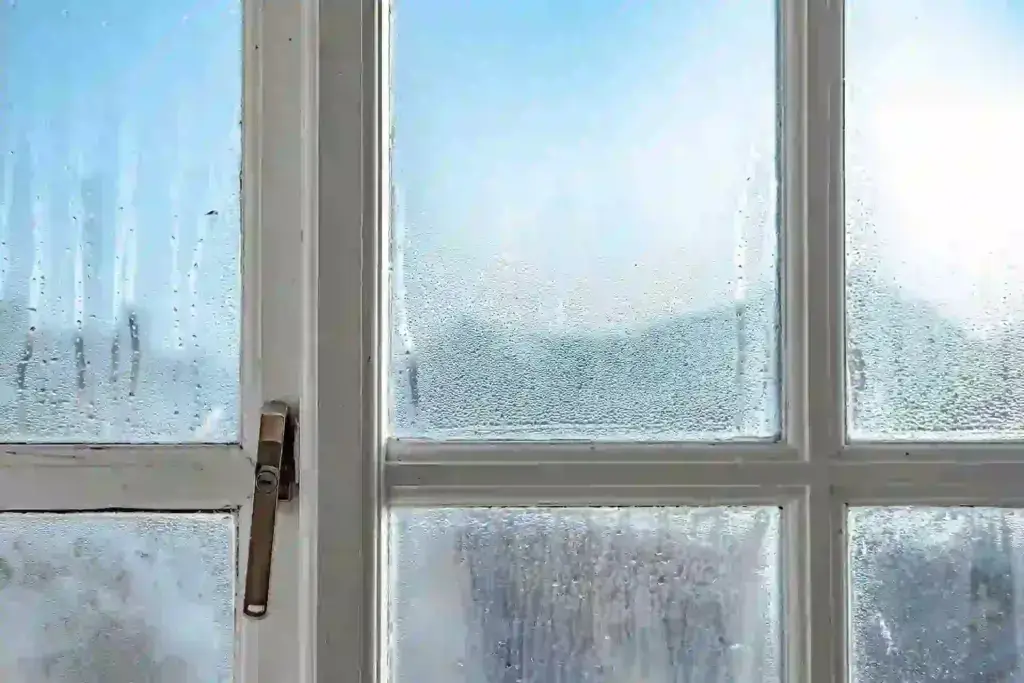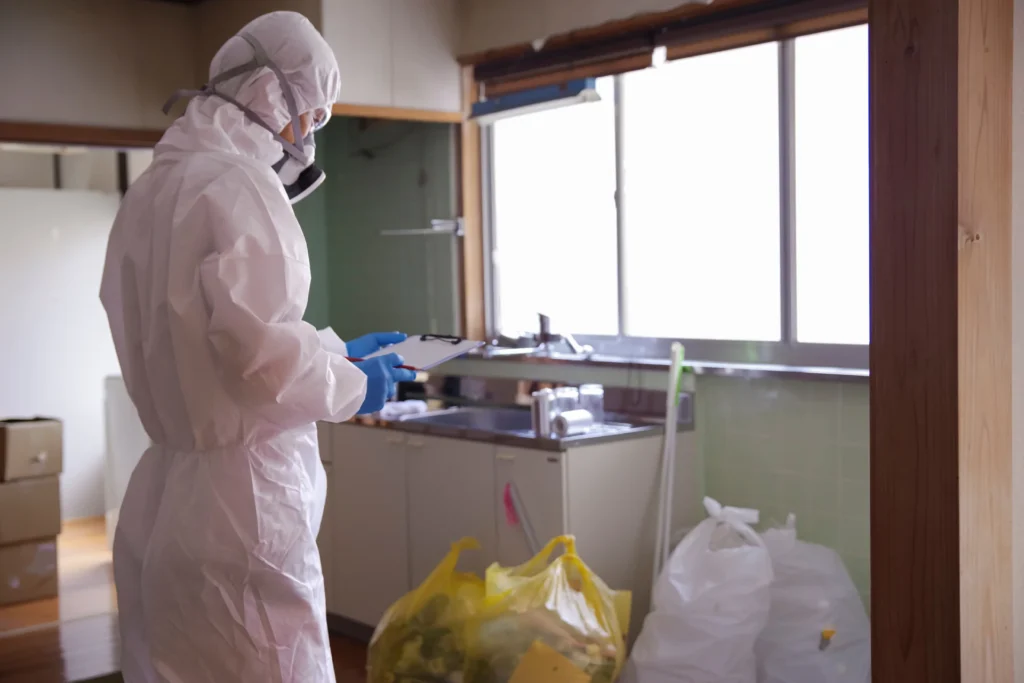
Water damage is one of the most disruptive issues a homeowner or landlord can face. Whether it’s caused by a burst pipe, a leaking appliance or heavy rainfall, the drying process is never as simple as just “letting it air out.” In fact, drying times can vary dramatically, from 24 hours to several weeks, depending on the building materials, the scale of the leak and the methods used to restore the property.
If you’re dealing with water damage right now, you’re not alone. According to the Association of British Insurers (ABI), escape of water is responsible for more than £2.5 million in claims every day in the UK. And one of the most common questions insurers, restoration specialists and homeowners ask is:
How long should it actually take to dry?
This guide breaks down what affects drying times, what you can realistically expect, and how to make sure your home is restored properly.
Skip to:
What affects drying times in UK properties?
Typical drying timeframes for UK homes
Why DIY drying often makes damage worse
How professionals speed up drying safely
When UK insurers expect drying to start
How to know when the drying is actually finished
The bottom line: Proper drying protects your home and your insurance claim
What affects drying times in UK properties?
One of the biggest misconceptions about water damage is that it dries at the same speed everywhere. In reality, UK properties vary massively, from Victorian brick terraces and post-war council builds to modern plasterboard constructions, and each responds differently to water.
Here are the key factors that influence how long drying takes.
1. The type of building materials
Different materials absorb and release moisture at different rates. For example:
- Plasterboard saturates quickly but also dries quickly however, if it swells or begins to crumble, it may need replacing entirely.
- Timber can hold a large amount of moisture internally, meaning drying may take weeks rather than days.
- Brick and solid masonry absorb water more slowly but retain it for much longer.
This means a modern home with plasterboard-lined walls may dry faster than a traditional solid brick property.
2. The volume of water involved
A small leak behind a kitchen unit behaves very differently to a burst pipe that has soaked through floors, walls and ceilings. The more water present, and the longer it was escaping, the longer the drying phase is likely to be.
3. How quickly you acted
Drying begins the moment the water source is stopped. If the leak went unnoticed for days or weeks, water will have penetrated deeper into the building structure.
Fast action matters. Mould spores can begin forming within 48 hours of the incident, and trapped moisture can continue damaging timber and plaster long after the leak is repaired.
4. The UK climate (Yes, it matters)
The UK’s humidity levels are higher than many other regions, which impacts how fast moisture evaporates. During winter, central heating helps create dry air, but cold external walls slow down evaporation. During summer, humidity can be high, making natural drying surprisingly slow. This is why professional drying equipment is often needed.
5. Whether professional structural drying is used
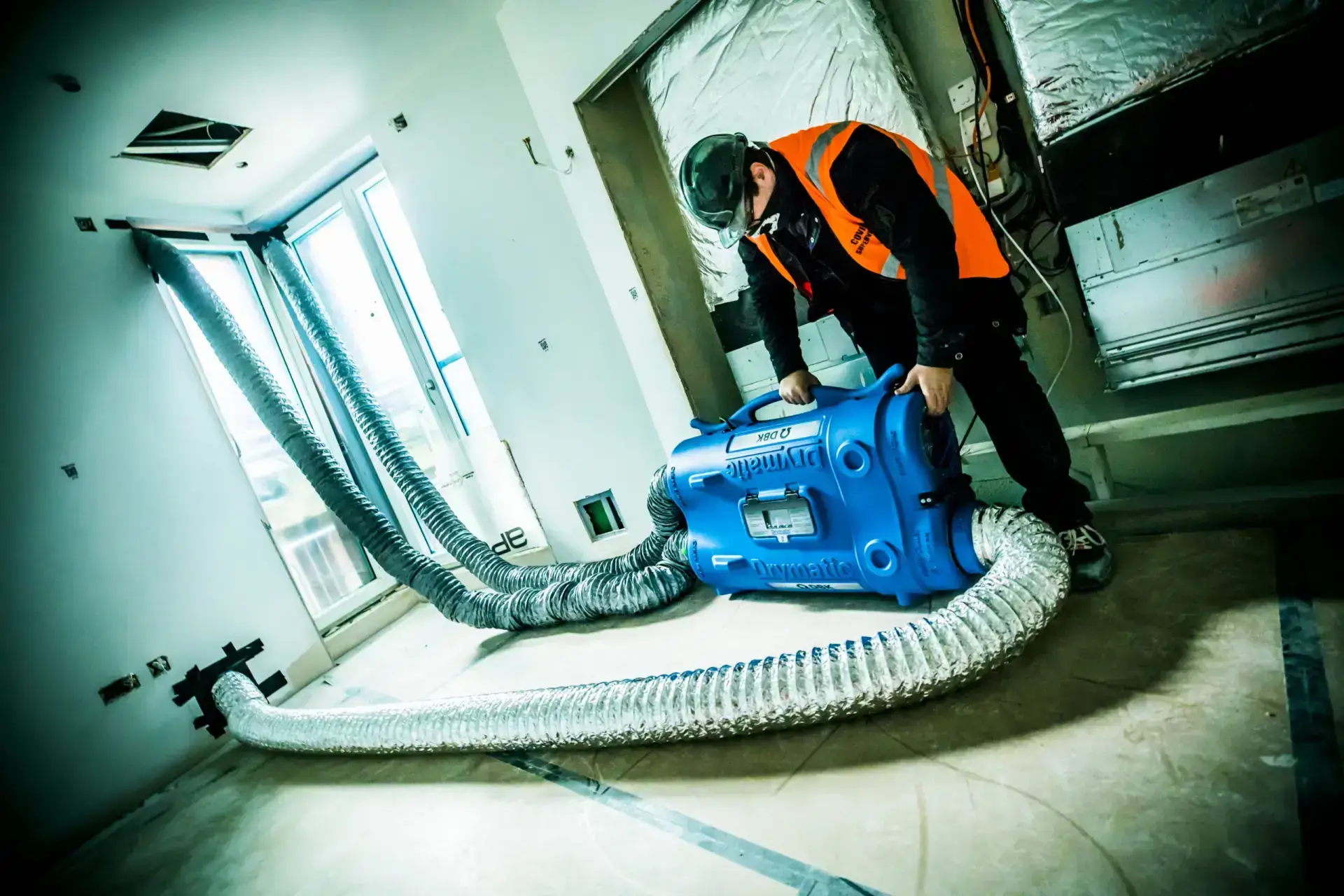
Specialist drying equipment significantly reduces the timeline. A typical professional setup includes:
- Dehumidifiers
- Air movers
- Heat injection systems
- Moisture monitoring equipment
When done correctly, this speeds up evaporation without causing secondary damage such as cracking or warping.
Typical drying timeframes for UK homes
While every property is unique, here’s a realistic guide to drying times based on thousands of UK projects:
- Small escape of water (e.g. kitchen or bathroom leak): 2 – 7 days
- Moderate leak affecting walls and floors: 7 – 14 days
- Severe saturation involving multiple rooms or levels: 2 – 4 weeks
- Properties with brick or stone retaining high moisture: 3 – 6 weeks
These times refer to reaching target moisture levels, not just ‘feeling dry to the touch’. Even when surfaces appear dry, timber, underfloor insulation, stud walls and voids may still hold significant moisture. This is why moisture mapping is essential before the equipment is removed.
While small-scale water damage in a home might dry in days or a few weeks with professional intervention, the process is far more complex for large structures. Commercial drying projects, particularly those involving new construction site drying, require specialised equipment, detailed thermal monitoring, and a carefully managed plan to prevent long-term structural issues and project delays.
Why DIY drying often makes damage worse
It’s very common for homeowners to try to handle drying themselves, sometimes because insurers advise waiting for approval, and sometimes because small leaks don’t look serious. However, DIY drying often leads to more expensive problems later, such as:
- Hidden mould growth behind walls
- Wet timber warping over time
- Electrical hazards caused by trapped moisture
- Foul odours developing months later
- Rejected insurance claims due to ‘insufficient mitigation’
A dehumidifier from a local shop simply isn’t capable of handling structural drying. A professional damp survey ensures you’re not left with hidden, ongoing problems.
How professionals speed up drying safely
At Ideal Response, our drying specialists don’t just set up equipment and hope for the best. We follow a structured process used across the disaster recovery industry. Here’s what that typically includes:
- Stopping the leak and ensuring safety
- Surveying the affected areas using moisture meters, infrared imaging and thermal mapping
- Determining which building elements are wet, including voids, floors, studs and insulation
- Installing targeted drying systems
- Monitoring moisture levels every 48 – 72 hours
- Adjusting the setup for maximum efficiency
- Providing insurer-approved reporting and drying certificates
This ensures the building reaches safe moisture levels and prevents long-term structural deterioration.
When UK insurers expect drying to start
Insurers in the UK expect homeowners and landlords to take ‘reasonable steps’ to reduce further damage. That often means starting the drying process before the claim is fully approved. This is important because delays cost insurers more in the long run. The ABI notes that rapid intervention can reduce the total cost of a water damage claim by up to 30%, largely because structural materials are saved rather than replaced. If you wait for approval without mitigating the damage, your insurer may argue that the damage worsened unnecessarily.
How to know when the drying is actually finished
The end of the drying process isn’t based on guesswork, it’s based on measurements. A property is considered fully dry when:
- Moisture readings reach ‘pre-loss’ or ‘safe’ target levels
- Relative humidity is stable
- No further condensation or moisture migration is present
- A drying certificate is issued confirming completion
This documentation is often required by insurers before reinstatement begins.
The bottom line: Proper drying protects your home and your insurance claim
Water damage doesn’t just disappear with time. Even when surfaces look dry, hidden moisture within floors, studs, insulation and voids can continue causing damage long after the leak has been repaired. That’s why getting the drying process right, and starting it quickly, is so important.
Whether you’ve experienced a sudden escape of water, a burst pipe or a slow leak that has spread unnoticed, professional structural drying is the safest and most reliable way to protect your property. It also protects your insurance position; UK insurers increasingly expect documented moisture readings, ongoing monitoring and proof that the drying has been completed correctly.
At Ideal Response, we manage the entire process from start to finish. Our specialists provide:
- 24/7 emergency water extraction
- Detailed moisture surveys and thermal mapping
- High-performance structural drying systems
- Insurance-approved documentation and drying certificates
- Full restoration and reinstatement where required
We work quickly, accurately and with minimal disruption, ensuring your home is restored safely, efficiently and back to pre-incident condition as soon as possible.
If you need expert support and want the reassurance that the job is being done properly from the very first visit, our team is ready to help.
Have an emergency?
Call our team on 0800 088 4170 for immediate advice and same-day support.
Water damage drying FAQs
Can water damage dry out on its own?
It can, but it often won’t dry fully, especially in hidden structural areas. DIY drying may handle surface moisture, but timber, insulation and voids can remain damp for months, increasing the risk of mould and structural issues.
How do I speed up drying after a leak?
Opening windows helps, but professional equipment is far more effective. Air movers, dehumidifiers and controlled heat vastly reduce drying times and prevent secondary damage.
Will my insurer pay for professional drying?
Most UK home insurance policies covering escape of water include drying and restoration costs. You are also legally allowed to choose your own contractor, insurers cannot force you to use theirs.
Do I need a moisture survey?
Yes. A moisture survey identifies hidden damp that can’t be seen or felt. Insurers often require documented moisture readings before they will sign off a claim.
Why does the drying process take so long?
Building materials hold more water than people expect. Even when surfaces feel dry, internal elements may still be saturated. Safe drying avoids cracking, warping and mould regrowth.
When should I call a professional?
If water has reached walls, ceilings, floors, electrical areas, or if there is standing water, you should call immediately, ideally within the first 24 hours.
Can mould form while the property is drying?
If drying is delayed or incomplete, yes. Mould can begin forming within 48 hours. Rapid, controlled drying reduces this risk significantly.
What does a drying certificate mean?
It’s a formal document confirming your home has reached safe moisture levels. Insurers typically require it before approving reinstatement works.

Chris Hedges - Head of Marketing
With over 25 years' experience, Chris is adept at defining and driving strategy, while also enjoying hands-on operational delivery. He believes in an equal blend of creativity and analytical scrutiny, always finding inventive ways to achieve objectives, underpinned by evidence. Chris’s philosophies are simple: don't overcomplicate, always prioritise customer experience, and bend the rules just enough to cut through the noise and drive momentum and growth.