Available 24/7 | 0800 088 4170

Available 24/7 | 0800 088 4170
Oil and diesel spills need prompt action to limit contamination and stop them spreading on tyres and footwear. Ideal Response provides 24/7 oil and diesel spill clean-up for homes, businesses, film sets and industrial sites across the UK: we contain the spill, recover the oil, treat the surface and dispose of the waste lawfully.
Coverage: UK-wide, including London, Kent and the South East
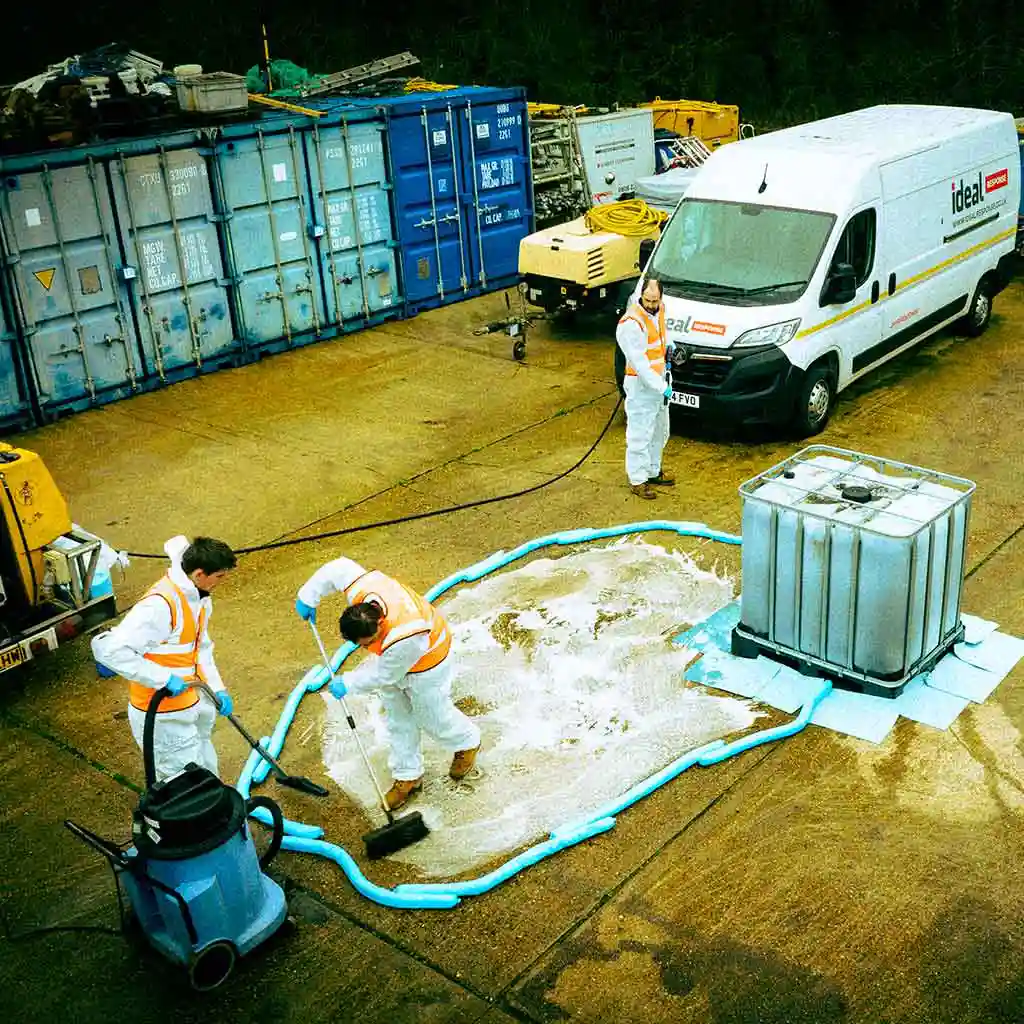
Oil does not evaporate like water. It spreads, soaks into concrete, soil and timber, and is carried further on tyres and footwear. Left untreated it damages property, pollutes the environment and creates slip and fire risks.
Absorbents and barriers stop the spill spreading or reaching drains.
Free oil is collected, including with specialist absorbents such as Lubetech®.
Residual oil and staining treated to suit the surface, from road and car park to staircase or floor.
Contaminated material removed as a registered waste carrier, with consignment notes.
We handle everything from a domestic heating oil leak to a large industrial spill.
Ideal Response is accredited under the International Spill Accreditation Scheme (ISAS), which independently assesses spill response contractors. Our accreditation covers:
If any of these apply, call a specialist rather than cleaning it yourself:
More than about 5 litres, or oil disappearing into cracks, joints or soil.
A strong fuel smell through the building, even far from the spill. These vapours (VOCs) are harmful to breathe.
The spill is near a drain, manhole or permeable ground. You have a legal duty to stop oil reaching drains or watercourses.
Oil has seeped under floorboards or into timber and masonry.
You need documentary evidence of decontamination for insurers or a health and safety file.
The type of oil changes the risk and the clean-up method.
| OIL | HOW IT BEHAVES | TYPICAL APPROACH |
|---|---|---|
| Diesel | Spreads thinly; slippery; strong smell | Absorbents, degreasing, bioremediation |
| Petrol | Highly flammable vapour | Ignition control first; specialist recovery |
| Heating oil (kerosene) | Soaks into the soil and floors; persistent smell | Recovery, soil assessment, odour control |
| Hydraulic oil | Thick; coats surfaces | Absorbents and surface degreasing |
| Engine and lubricating oil | Stains concrete and tarmac | Absorbents and staining treatment |
Every job is different; you get a timeline after the assessment. Standards we work to: ISAS, Environmental Protection Act 1990, Environment Agency pollution guidance, COSHH
We contain, clean up and dispose of contamination lawfully. We do not carry out ground remediation design, structural repairs or drain repairs, and we cannot promise every stain will disappear: results depend on the surface and how long the contamination has been there.
| Factor | HOW IT CAN AFFECT THE TIMESCALE |
|---|---|
| Type of substance | Different substances require different safety precautions, equipment and cleaning methods. |
| Size and spread of the spill | Larger spills, or those affecting multiple areas, may take longer to contain and clean. |
| Surface affected | A spill on a hard surface may be easier to clean than one absorbed into porous materials or soil. |
| Drains, soil or water affected | Further investigation, remediation or monitoring may be needed if the spill has spread beyond the immediate area. |
| Access and site conditions | Restricted access, operational requirements or safety considerations can influence how the work is carried out. |
Every spill is different. Once we understand the substance, location and extent of the spill, we can advise on the likely work involved and provide an estimated timescale.
Oil spill clean-up is priced by the type and volume of oil, the surface and where it has spread.
| COST FACTOR | WHY IT MATTERS |
|---|---|
| Type and volume | Diesel, heating oil, hydraulic, or engine oil |
| Surface | Tarmac, concrete, soil, or internal floors |
| Spread | Whether it has reached the drains or the soil |
| Waste | Volume of contaminated material for disposal |
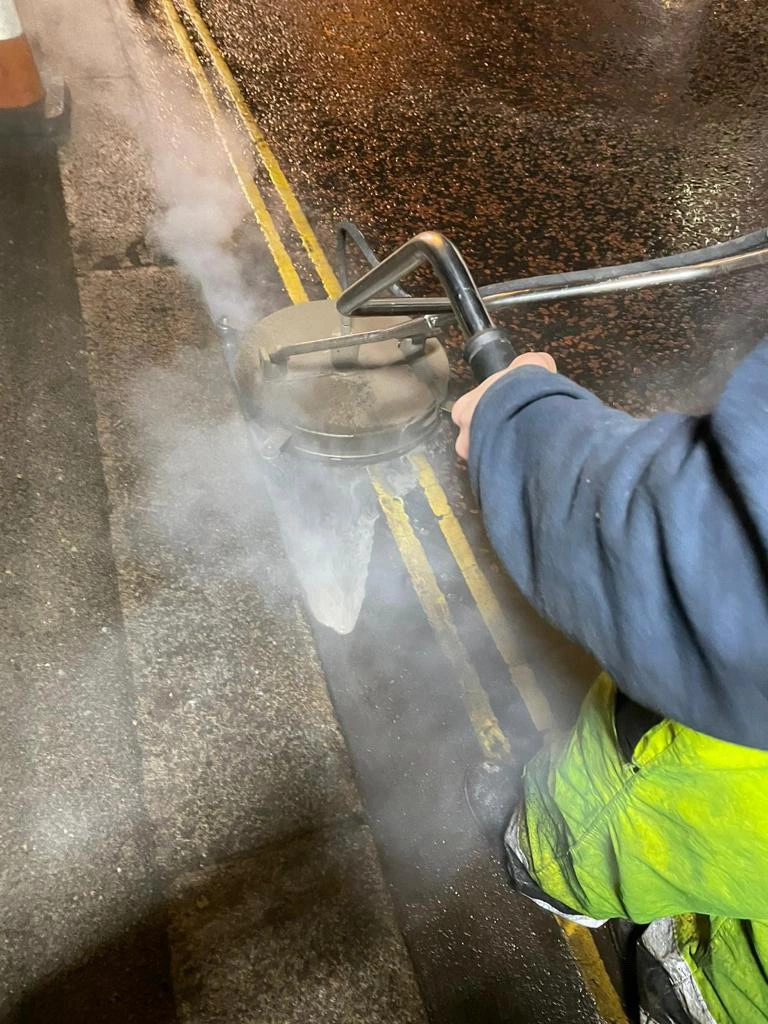
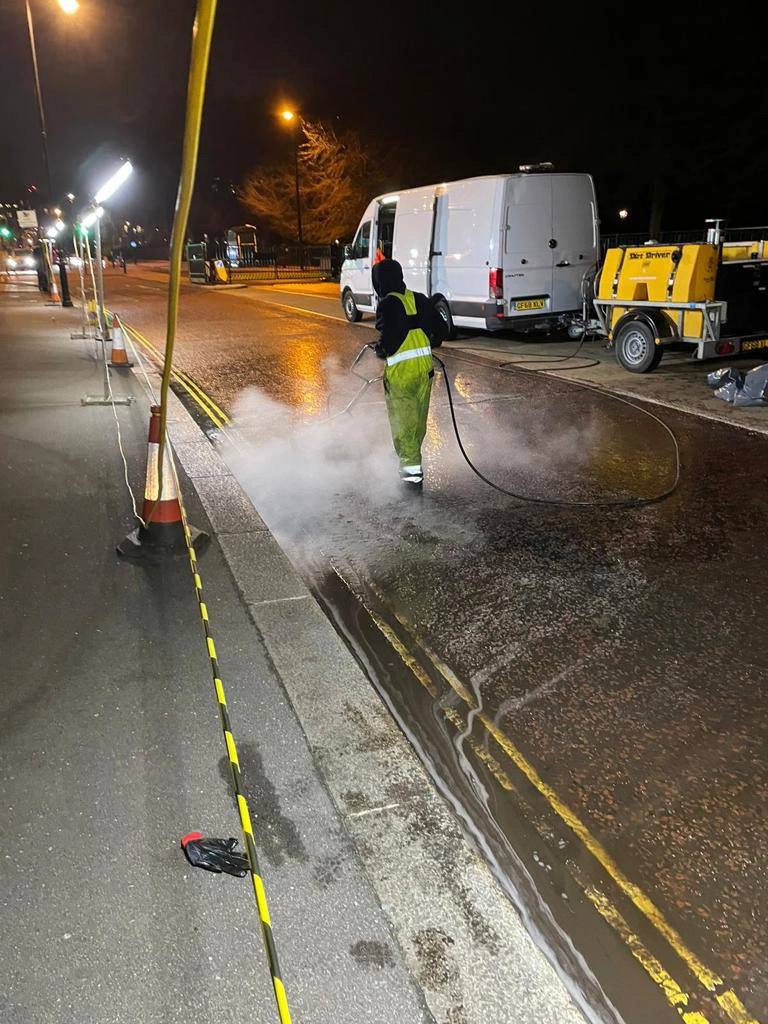

“Out-of-hours spill cleanups often take place when normal site facilities are unavailable. Arriving with our own power, hot water, lighting and recovery equipment allows our team to begin work without relying on the site’s infrastructure. This helps us make the most of limited access windows and work towards handing the site back as quickly as possible”
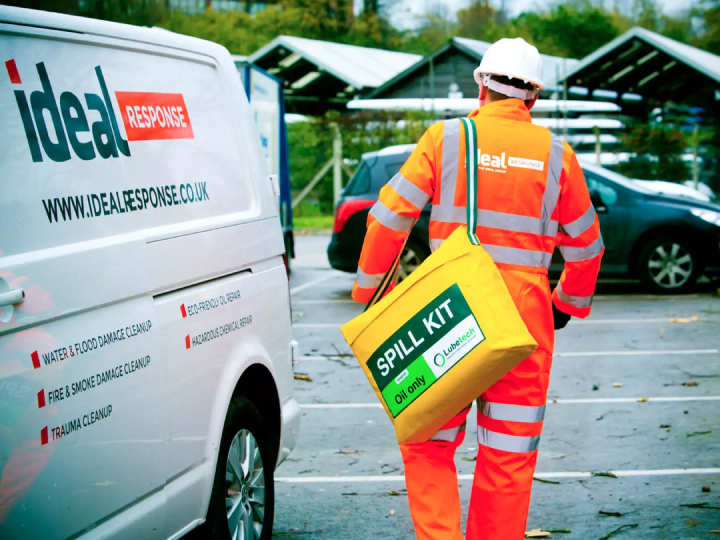


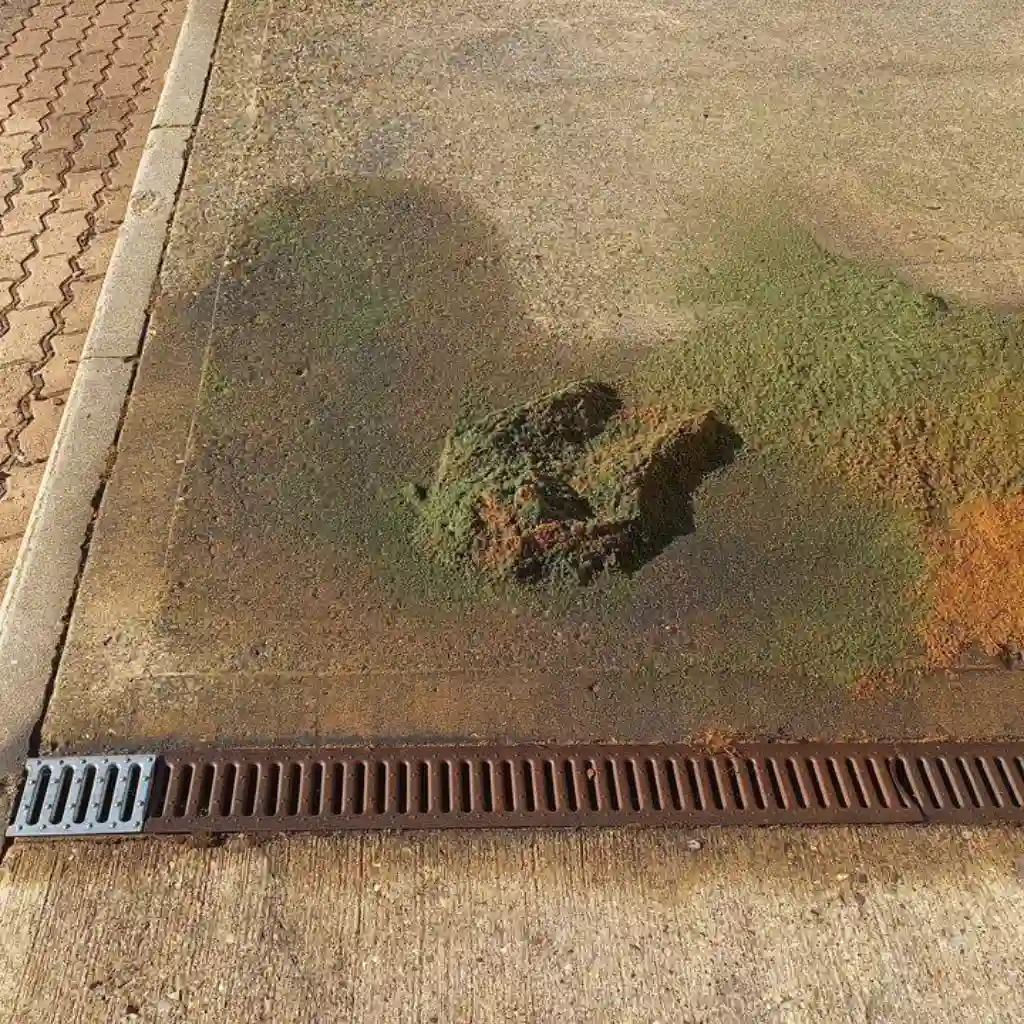
Act quickly to limit the spread and reduce disruption. Call our team for urgent assistance, or send us details and photos of the spill so we can assess what support you need.
Available 24/7
We’ll use your details to respond to your enquiry. View our Privacy Policy