Fly Tipping Removal, London, Kent & South East | Ideal Response

Available 24/7 | 0800 088 4170

Fly tipping removal

Waste dumped on your land is usually yours to clear. Ideal Response removes fly tipping for landowners, councils and businesses across London, Kent and the South East: we segregate the waste, handle hazardous items such as chemicals and oils safely, and provide waste transfer and consignment notes as proof of lawful disposal.

Coverage: London, Kent and the South East
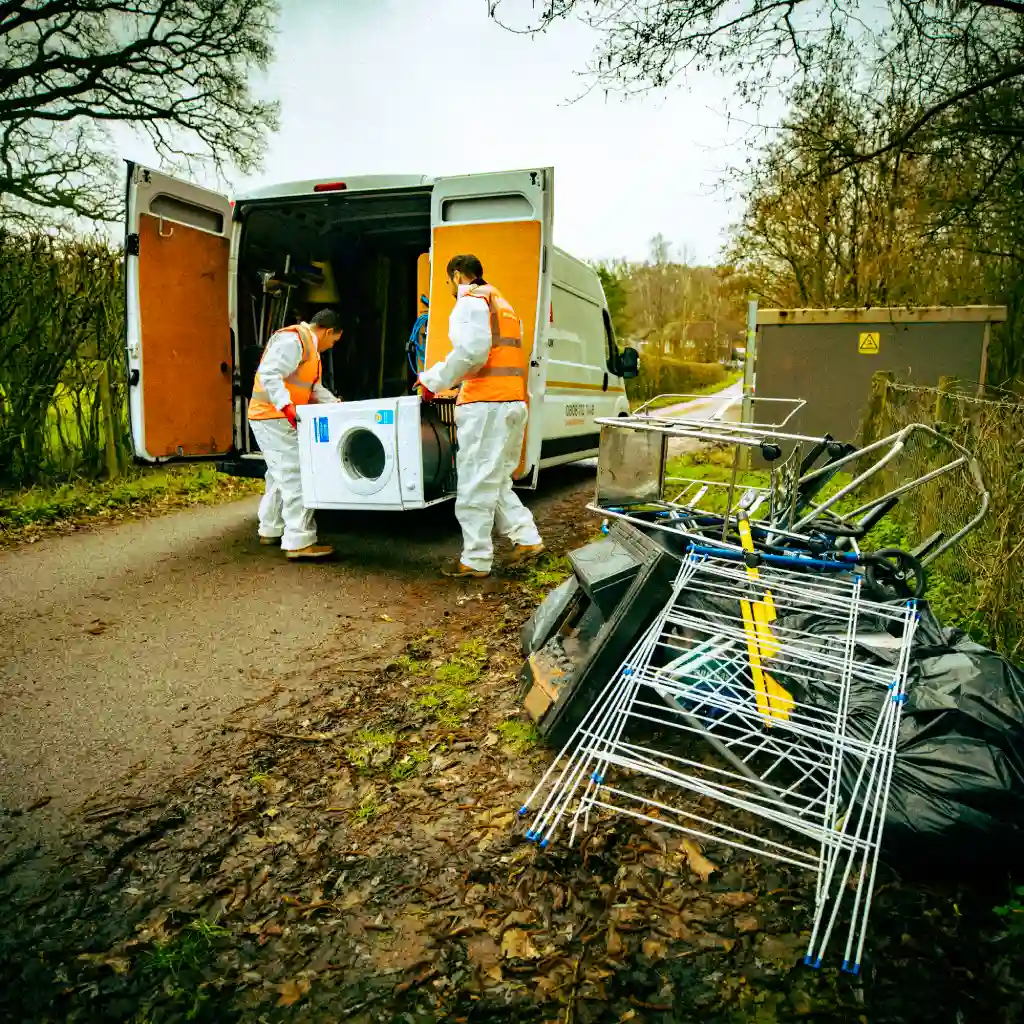
Ideal Response fly tipping removal service

Clearing fly-tipped waste lawfully

What it is
Clearance of fly-tipped waste, including hazardous items, with lawful disposal
Who uses it
Private landowners, councils, housing providers and businesses
Paperwork
Waste transfer notes and consignment notes
Not included
Prosecution or enforcement action

Fly tipping removal in the UK: the numbers

How we carry out fly tipping removal

Step 1AssessIdentify what has been dumped, including hazardous items.
Step 2Make safeHazardous waste separated and handled by trained staff.
Step 3ClearWaste loaded and removed, with the site left clear.
Step 4Recycle and disposeSorted for recycling; the rest taken to permitted sites.
Step 5EvidenceWaste transfer notes and photographs for your records.

Equipment we use

01
Protective equipment
Gloves, boots and masks for unknown waste
02
Sharps containers
For needles found in dumped waste
03
Grab lorries and caged vans
Clear bulky and large loads
04
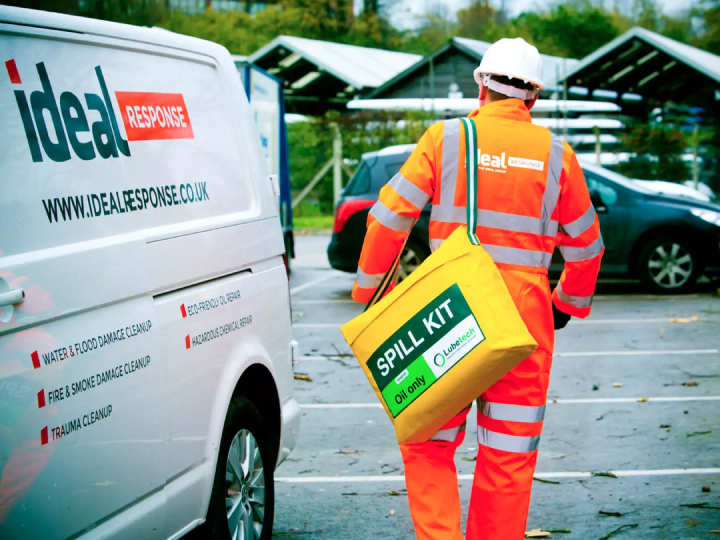
Spill kits
For leaking drums and containers
05
Barriers and signage
Help secure the site afterwards

Who has to clear fly tipping?

Fly tipping is a criminal offence, but clearing waste dumped on private land is usually the landowner's responsibility. Leaving it risks further dumping, fire, pests and pollution.

Types of fly tipping we clear

Household and bulky waste

Sofas, mattresses, white goods and bagged rubbish that create fire, pest and safety risks.

Construction and demolition waste

Rubble, plasterboard, timber and insulation, often dumped on vacant or development land.

Commercial waste

Business refuse and packaging that needs sorting and correct disposal.

Hazardous waste

Chemicals, oils and clinical waste that need specialist handling.

Roadside and rural tipping

Waste on verges, access roads and farmland, where safety and pollution risks are high.

Why choose Ideal Response for leak detection

Accredited specialists
Our licensed teams handle all types of fly tipped materials, from household waste to construction debris and hazardous items, ensuring your property is cleared safely and in line with UK regulations.
Rapid response
Fly tipping often requires immediate attention to reduce safety risks, prevent repeat dumping, and protect the local community. We mobilise quickly with the right equipment and team for the job.
Compliant and documented
All waste is transported by licensed carriers to authorised facilities, with full waste transfer notes, photographic evidence, and audit-ready reporting.
Environmentally responsible
We prioritise segregation, recycling, and safe disposal to minimise environmental impact while fully complying with environmental law.
Peace of mind
From initial assessment to final clearance, we manage the entire process, restoring your land safely, efficiently, and legally.
Typical timescales
SituationTypical time on site
Small domestic loadSame day
Large or mixed waste1–2 days
Hazardous waste involvedPlanned after assessment

Standards we work to: Environmental Protection Act 1990 duty of care, Environment Agency waste rules

Where our work stops

We contain, clean up and dispose of contamination lawfully. We do not carry out ground remediation design, structural repairs or drain repairs, and we cannot promise every stain will disappear: results depend on the surface and how long the contamination has been there.

How much does fly tipping removal cost?

Fly tipping removal is priced by volume, waste type and access.

Cost factorWhy it matters
VolumeVan loads or skips needed
Waste typeHazardous items cost more to dispose of
AccessRoadside, rural or restricted sites
UrgencySame-day clearance

What happens when you contact us

Step 1Tell us about the spill or wasteWhat it is, roughly how much, where, and whether it has reached a drain or watercourse.
Step 2Response planThe team confirms when they can attend, the equipment needed and any permits.
Step 3Containment and clean-upWe contain, recover and treat the contamination, recording its condition before and after.
Step 4Waste and recordsContaminated material removed as a registered waste carrier, with waste transfer or consignment notes.

Relevant environmental work

Relevant work

Relevant services and guides

Need help now?

Call the team any time.

0800 088 4170
Available 24/7
CALL FOR IMMEDIATE HELPREQUEST A FREE QUOTE

Talk to the team

For an emergency, call us. Otherwise send a few details and photos, and the team will get back to you.

Available 24/7

JPG, JPEG, PNG, WEBP, HEIC, MP4, MOV, PDF — up to 5 files

We’ll use your details to respond to your enquiry. View our Privacy Policy.

Fly tipping removal FAQs

Who is responsible for removing fly tipping?
In most cases, the landowner is responsible for removing illegally dumped waste from private land, even if they were not responsible for the dumping. Local authorities are typically responsible for public land and adopted highways. Under the Environmental Protection Act 1990, waste must be removed and disposed of lawfully using licensed carriers.
How quickly can fly tipped waste be removed?
Response times depend on the scale, location and risk level of the incident. Urgent cases involving safety risks, obstruction or hazardous materials can be prioritised. We assess each situation promptly and provide clear timescales for clearance.
What types of waste can you remove?
We remove household waste, bulky items, construction debris, commercial waste and, where required, hazardous or controlled materials such as asbestos-containing waste. All materials are handled and disposed of in accordance with UK waste regulations.
Do you provide waste transfer documentation?
Yes. All waste is removed by licensed carriers and accompanied by the appropriate Waste Transfer Notes. Where hazardous waste is involved, hazardous consignment documentation is provided to ensure full regulatory compliance and audit traceability.
Can fly tipping involve hazardous materials?
Yes. Some incidents include asbestos, chemicals, oils, fuel containers or other controlled waste. These materials require specialist handling and disposal procedures to prevent environmental contamination and health risks.
What happens if fly tipping is not cleared?
Leaving fly tipped waste in place can lead to environmental damage, pest infestation, fire risk, and further illegal dumping. Landowners may also face enforcement action if waste is not dealt with appropriately.
Do you work with councils and commercial organisations?
Yes. We support private landowners, managing agents, commercial property owners, housing associations and public sector bodies with compliant fly tipping clearance and documentation.
How is fly tipped waste disposed of?
Waste is transported by licensed carriers to authorised recycling or disposal facilities. Materials are segregated where possible to minimise environmental impact and ensure compliance with Duty of Care obligations.