Fire Damage Cleaning & Restoration UK 24/7 | Ideal Response

Available 24/7 | 0800 088 4170

Fire damage cleaning and restoration

After a fire, soot, smoke residue and firefighting water keep damaging a building long after the flames are out. Ideal Response is a fire damage restoration company providing fire damage cleanup for homes and commercial buildings across the UK: we clean and decontaminate the property, then hand it back safe and ready for your builder or your insurer's contractor.

Coverage: UK-wide, including London, Kent and the South East
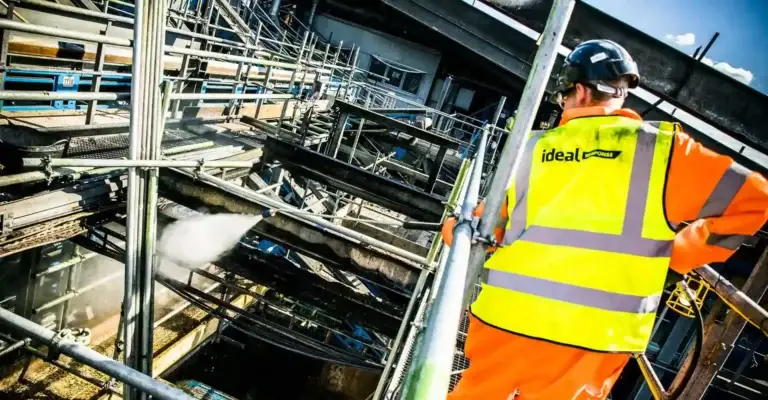
Ideal Response technician in PPE cleaning a fire damaged commercial facility

Fire damage cleaning and restoration at a glance

What it is
Fire damage cleanup and restoration: cleaning and decontamination of a fire-damaged building and its contents, including soot, smoke residue, odour and firefighting water
Typical time
A few days for one room; several weeks for major or commercial fires
Cost
Quoted after an on-site assessment; depends on how far soot and smoke have spread
Coverage
UK-wide, 24/7 emergency line
Not included
Building repairs, reinstatement and redecoration

Types of fire damage

Types of damageWhat causes itWhat it needs
Direct fire damageBurnt and charred materials near the fireRemoval, then cleaning of what remains
Smoke damageResidue carried through the buildingResidue-specific cleaning
Soot damageFine acidic particles settling on surfacesDry cleaning, then neutralising
OdourSmoke molecules in porous materialsCleaning, then odour treatment
Water damageFirefighting waterExtraction and structural drying

When to call us

A fire has affected one or more rooms, or a whole building
Firefighting water has soaked floors, walls or contents
Soot has spread to rooms the fire did not reach
You need a scope of works and photographs for an insurance claim
A commercial site needs cleaning out of hours or in phases to keep trading

Fire damage cleaning and restoration in the UK: the numbers

How we carry out fire damage cleaning and restoration

Step 1Make safe and stop the spreadWe isolate affected areas, remove debris and protect clean rooms, because soot travels on air currents and footwear long after the fire.
Step 2Map the damageSoot and smoke reach further than people expect. We trace residue room by room, including voids, ductwork and contents, so nothing is missed in the scope.
Step 3Clean in the right orderDry methods first, then targeted wet cleaning. Cleaning in the wrong order is the most common cause of permanent staining.
Step 4Deal with water and odourFirefighting water is extracted and the structure dried; odour is treated at its source once residue has gone.
Step 5Verify cleanlinessSurfaces checked under strong light and with wipe tests before we sign off a room, so residue is not left behind.

Equipment we use

01
HEPA vacuums
Capture fine soot without blowing it back into the room
02
Dry chemical sponges
Lift soot from paint and wallpaper before any wet cleaning
03
Negative air machines
Filter the air and keep soot out of clean areas
04
Thermal foggers
Treat smoke odour in porous materials
05
Water extraction units and dehumidifiers
Remove firefighting water and dry the structure
06
Moisture meters and thermal imaging
Find hidden water and track drying

What we clean

Homes and rental properties

From a single room to a whole house, including the contents.

Commercial premises

Offices, shops and warehouses, cleaned out of hours or in phases so you can keep trading.

Industrial and public buildings

Factories, plant and machinery, schools and council buildings.

Heritage and listed buildings

Period and listed interiors, cleaned with gentler methods.

Contents and belongings

Furniture, fabrics and personal items that can be saved.

Hidden areas

Ceiling voids, ductwork and cupboards where soot settles out of sight.

Fire damage cleanup for homes and businesses

We clean fire-damaged homes, rental properties and commercial buildings for homeowners, landlords, facilities managers and insurers across the UK. The aim is the same every time: a clean, decontaminated structure that is ready for your builder.

Homes

Belongings handled carefully, child- and pet-safe products, and a daily update so you always know where things stand.surfaces or sets in the building fabric. See smoke damage cleaning.

Rental properties

Clear records for landlords and agents, and work planned around tenants where the property is still occupied.

Commercial sites

Out-of-hours or phased cleaning to keep you trading, with RAMS and compliance records.

Insurers and loss adjusters

A written scope, photographs and progress reports at each stage.

What fire damage cleaning covers

A fire leaves three problems behind: residue, smell and water. We deal with each, in the right order, so one does not make another worse.

Smoke residue

Removed from walls, ceilings, fixtures, furniture, soft furnishings and ventilation, before it corrodes surfaces or sets in the building fabric. See smoke damage cleaning.

Soot and ash

Acidic soot etches glass, corrodes metal and stains porous surfaces. Controlled dry cleaning first stops it smearing or spreading. See soot and ash cleaning.

Smoke odour

Treated at its source with thermal fogging, filtration and, where suitable, ozone, rather than masked. See smoke odour removal.

Firefighter water

Extracted and the structure dried, so mould does not follow the fire.

What can usually be saved after a fire

What can be saved depends on the material, how close it was to the fire and how quickly cleaning starts. As a guide:

ItemWhat to expect
Hard surfaces (tiles, glass, metal, sealed wood)Usually cleanable if treated within days
Painted walls and ceilingsUsually cleanable; older soot may stain and need repainting
Upholstery and curtainsOften recoverable with specialist cleaning and deodorising
ElectronicsNeed specialist assessment; acidic soot can cause later faults
Charred structure, insulation, mattressesUsually removed rather than cleaned

What your loss adjuster will ask

Being ready for these questions speeds up a fire claim:

  • When and how the fire started, and the fire service incident number
  • What emergency work was done and its cost
  • Which items are beyond economic repair
  • Which rooms and contents were affected, with photographs
  • A written scope of cleaning works and an estimate

Why choose Ideal Response for fire damage cleaning and restoration

Accredited specialists
BDMA and IICRC accredited fire damage specialists, not general cleaners
Proven results
Fire clean at a major recycling facility in Rochester, Kent
Paperwork that stands up
Insurer-ready paperwork: written scope, before-and-after photos, beyond-economic-repair lists and loss adjuster liaison
24/7 emergency line, UK-wide
From our head office in Maidstone and our London office, with ISO 9001, 14001 and 45001 certified systems
Independently reviewed
Read what customers say on Trustpilot, where we invite every customer to leave a review. Live rating shown by the Trustpilot widget.
Typical timescales
SituationTypical time on site
One room, light smoke1–3 days
Several rooms or whole house1–3 weeks
Major commercial or industrial fireSeveral weeks, often phased

Standards we work to: BDMA practice guidance, HSE and COSHH regulations, Environment Agency waste rules

Where our work stops

We clean and decontaminate. We do not carry out building repairs, reinstatement or redecoration; we leave the property clean and ready for your builder or your insurer's contractor. Older soot can stain paintwork, so some surfaces may still need repainting after cleaning.

How much does fire damage cleaning and restoration cost?

Fire damage cleaning costs vary from job to job, because no two fires spread soot and smoke the same way. We give a written, itemised quote after an on-site assessment, so you know what is involved before work starts.

Cost factorWhy it matters
Extent of fireA single room is quicker to clean than damage across several rooms or floors
Soot and smoke spreadThe more surfaces, contents and ventilation systems affected, the more cleaning is needed
Firefighting waterExtraction and drying add to the work
Access and timingOut-of-hours or phased commercial work affects the programme

What happens when you contact us

Step 1Tell us what happenedCall or send details and photos: the address, what burned and whether the building is safe to enter.
Step 2AssessmentWe assess the damage on site and record how far soot and smoke have travelled.
Step 3Scope, quote and paymentYou receive a written scope of works you can share with your insurer. Work is scheduled once the quote is accepted and payment is arranged.
Step 4CleaningWe clean and decontaminate surfaces, contents and the air, using the method each residue needs.
Step 5Check and handoverWe photograph the property before and after, check every area and hand it over ready for the next trade.

Recent fire damage cleaning and restoration projects

Machinery outside of the main facility.
Inside the fire-damaged facility in Rochester.

The Viridor facility in Rochester prior to the Ideal Response fire cleaning technicians starting.

Fire clean at a major recycling facility in Rochester, Kent

Location
Rochester, Kent
Duration
5–6 weeks
Service
Fire damage cleaning
Sector
Waste management
A lithium battery fire spread soot and corrosive residue through a polymer recycling plant. Day and night teams cleaned plant, high-level machinery and around 250 conveyors, with chloride testing, finishing in just over five weeks against a six-week plan.
Tahlia Golding, Technical Account Manager at Ideal Response
Tahlia Golding
Technical Account Manager
“On a large industrial fire, choosing the wrong cleaning method and then scaling it up can waste days. A controlled trial lets the team judge cleaning performance, production rate and the effect on the substrate before committing multiple crews and machines.”

Related services and guides

Need help now?

Call the team any time.

0800 088 4170
Available 24/7
CALL FOR IMMEDIATE HELPREQUEST A FREE QUOTE

Talk to the team

For an emergency, call us. Otherwise send a few details and photos, and the team will get back to you.

Available 24/7

JPG, JPEG, PNG, WEBP, HEIC, MP4, MOV, PDF — up to 5 files

We’ll use your details to respond to your enquiry. View our Privacy Policy

Fire damage restoration & cleaning FAQs

How long does fire damage restoration take?
It depends on the scale of the damage. Minor soot and smoke cleaning in a single room may take a few days, while significant fire damage involving structural damage and decontamination can take several weeks. After our initial assessment, we’ll give you a clear timeline and agreed scope of works and keep you updated at every stage, so you always know what happens next.
Do you handle both fire and water damage restoration?
Yes. Fires almost always leave water damage behind from firefighting, so fire and water damage restoration usually go hand in hand. Our teams extract water, dry the structure and prevent secondary problems like mould, alongside the soot, smoke and odour work. Where needed, we draw on our full water damage restoration capability to return your property to a safe, dry condition.
Is it safe to stay in a property after a fire?
Usually not, until it has been professionally assessed. Even after the fire is out, soot and smoke residues contain toxic and acidic particles that pose health risks and continue to corrode surfaces. Fine particles can also remain airborne. We strongly recommend keeping occupants out of affected areas until a professional evaluation confirms the property is safe.
Can smoke odour be completely removed after a fire?
Yes. Smoke odour can be fully eliminated rather than just masked, but it requires specialist treatment. Smoke particles penetrate deep into building fabric, soft furnishings and HVAC systems, so surface cleaning alone won’t resolve it.
We use advanced deodorisation techniques including thermal fogging, vapour-phase treatment and ozone technology to neutralise odours. Explore our smoke odour removal service in more detail.
Does insurance cover fire damage restoration?
Many UK home and business insurance policies cover fire damage restoration, including the resulting smoke, soot and water damage. As a professional fire damage restoration company, we work directly with insurers and loss adjusters, providing the reports, scope of works and evidence needed to support your claim. It’s always worth checking your specific policy details before making a claim.
How quickly can Ideal Response attend after a fire?
We operate a 24/7 emergency response and mobilise a team within 2 hours of your call. Acidic soot and residues begin to corrode and permanently stain surfaces within hours, so a rapid response directly reduces long-term damage, cost and recovery time. Wherever you are in the UK, our teams are ready to respond day or night.
Do you offer commercial fire damage restoration?
Yes. Alongside domestic work, we provide commercial fire damage restoration for businesses, landlords, facilities managers and insurers. We minimise downtime with out-of-hours or phased works that fit around your operations and deliver all work with full RAMS, scope of works and compliance documentation for a fully auditable process.
Do you repair or rebuild after a fire?
No. We clean, decontaminate and dry, and leave the property ready for your builder or your insurer's contractor. We can work alongside them.