Available 24/7 | 0800 088 4170

Available 24/7 | 0800 088 4170
The faster floodwater is removed, the sooner drying can begin and the less secondary damage there is.
Ideal Response extracts floodwater, dries the structure and decontaminates affected areas for homes and businesses across the UK, including London, Kent and the South East. We aim to be on site within 24 hours of your call, and we provide the moisture readings and reports your insurer or loss adjuster will ask for.
When facing flood damage, the last thing you need is added stress. You require a proven expert who understands the complexities of flood restoration and delivers precise results. Here’s why Ideal Response is the first point of call for UK businesses and homeowners facing the aftermath of a flood:


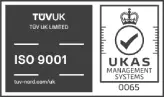
Flooding requires a fast, proactive response to protect you, your family, your colleagues and your property. Your safety should always come first. Floodwater can contain sewage, harmful chemicals and hidden hazards. Furthermore, standing water near any electrics is dangerous and should not be tackled by anybody but professionals. Follow these steps before any clean-up begins:
Mould can grow in as little as 24-48 hours of water exposure; a rapid response limits how much of your property may be affected. For further information, explore our top 5 things to do if your property has flooded.
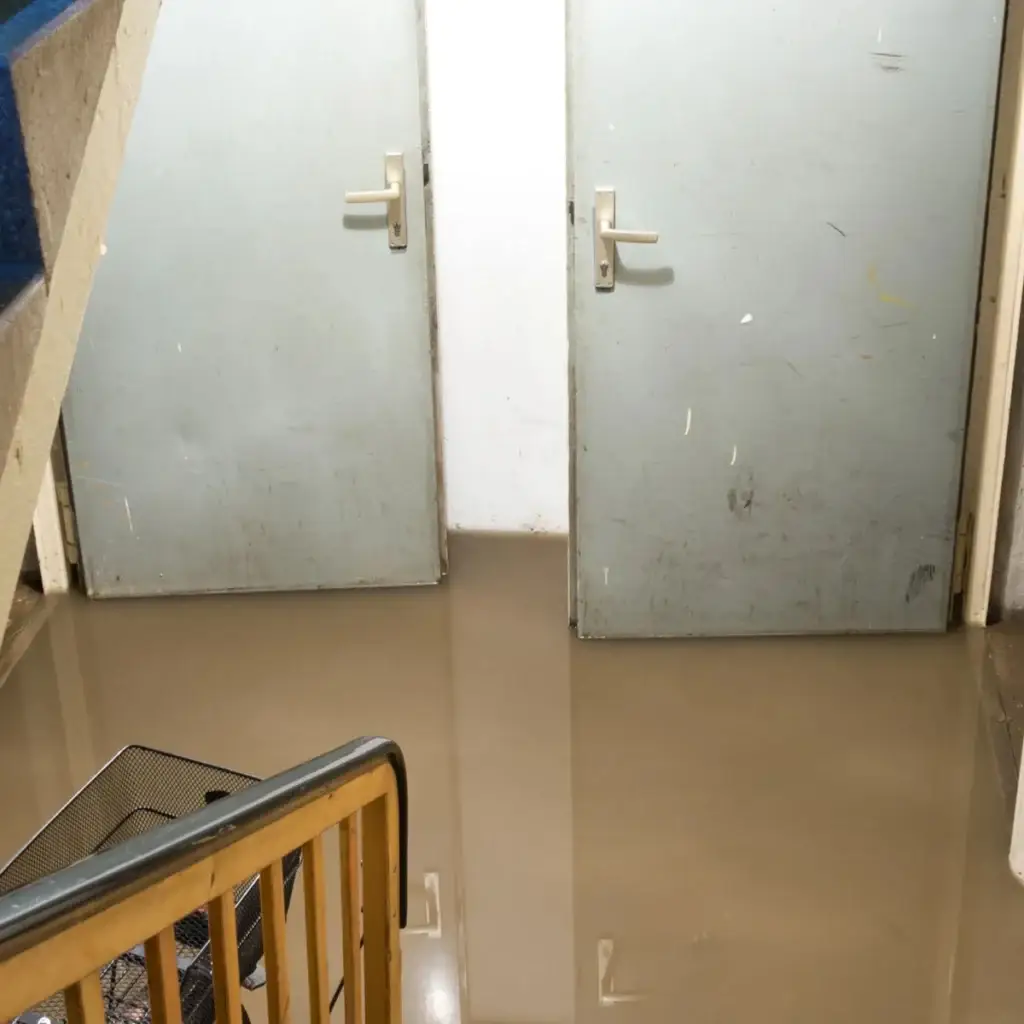
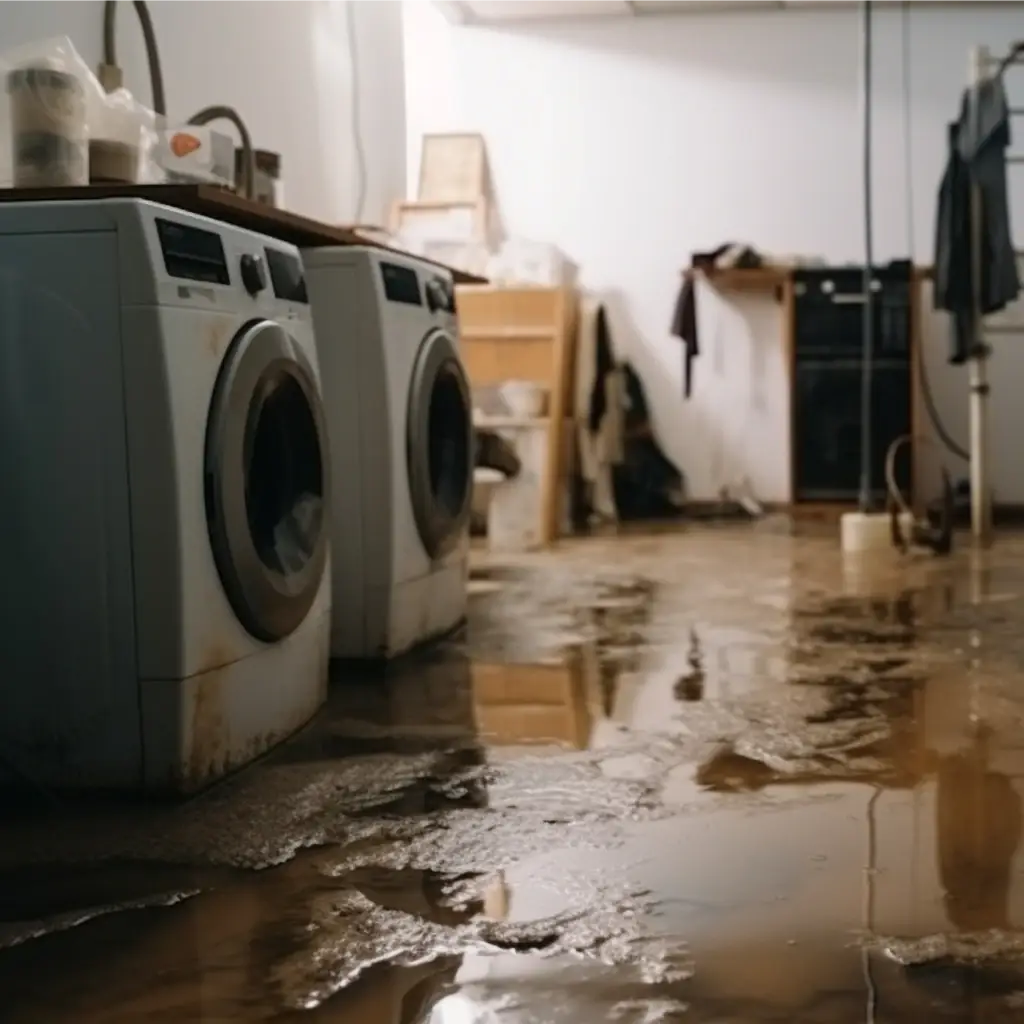
Floodwater does more than make a mess. Left untreated, it can leave behind harmful bacteria, odours and hidden moisture that may lead to structural issues as well as health problems. A professional approach from a trusted name like Ideal Response tackles all these issues carefully in a controlled and documented way.
Speak to the Ideal Response team for the safe, efficient restoration of your flooded building.
Recovering from a flood is stressful, so we do more than just dry out your building. From your first call to the final sign-off, our team keeps the whole flood damage restoration process organised around you, whether you are a homeowner, landlord or business.
Flooding often brings contaminated water into a property, and where drains or sewage are involved, we conduct sewage cleaning to decontaminate the affected areas safely. We also help with insurance claims; you can learn more about that in the section below.
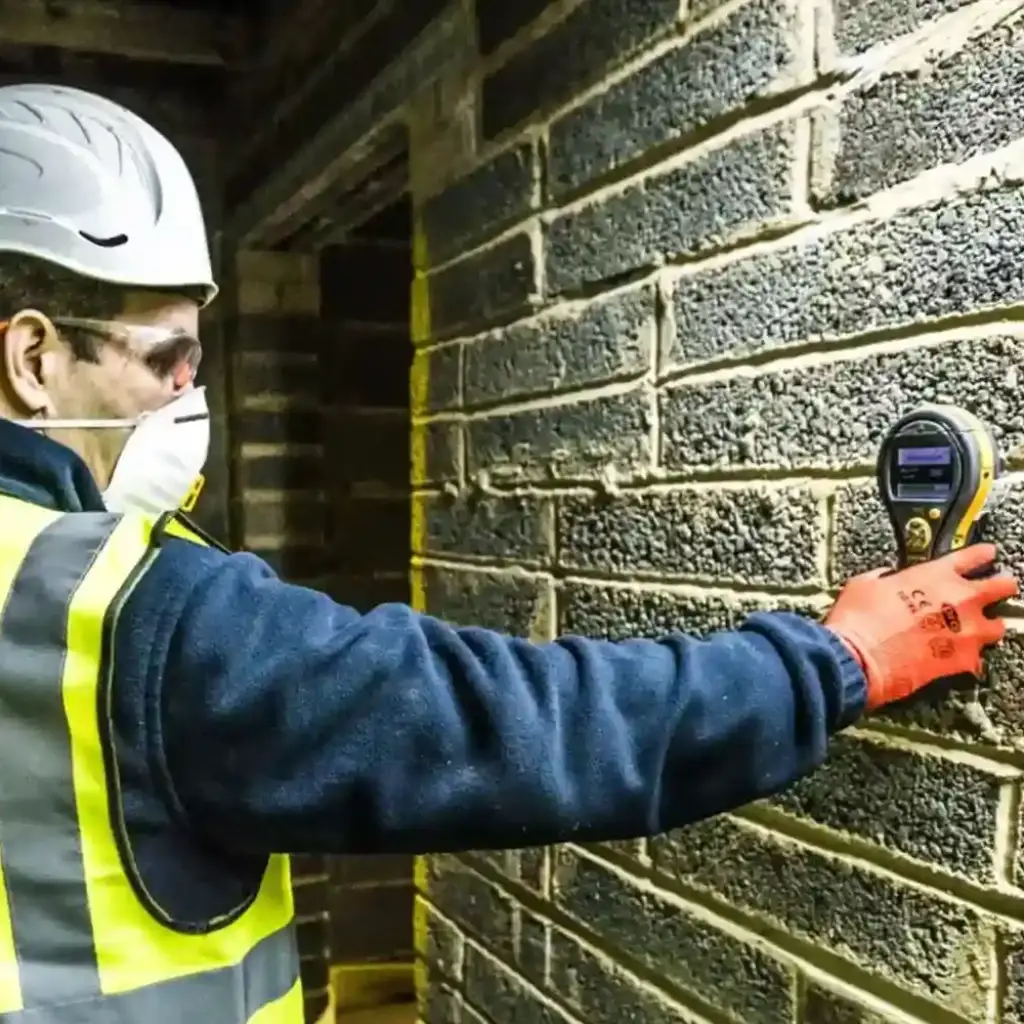
Flooding comes from outside the building and should not be confused with an internal leak or burst pipe. Different flood sources bring different risks and determine how your restoration is carried out.
| Causes of flooding | Typical trigger | What it means for restoration |
|---|---|---|
| River flooding | Heavy or prolonged rain | Often large volumes of contaminated water. Usually needs full extraction and structural drying. |
| Coastal flooding | Storm surges, high tides and breached defences | Salt water adds corrosion risk to fixtures and structure |
| Flash flooding | Sudden intense rainfall with insufficient or non-existent drainage | Rapid onset, fast response is essential |
| Surface water flooding | Ground and drains unable to absorb the rainfall | Common in urban areas, water may pool and penetrate low-level areas |
| Drain and sewage backup | Overloaded or blocked drainage during a flood | Category 3 water requires biohazard-grade cleaning and decontamination |
Understanding the source helps our team decide the right extraction method, the level of decontamination needed and the ideal drying approach for your property.
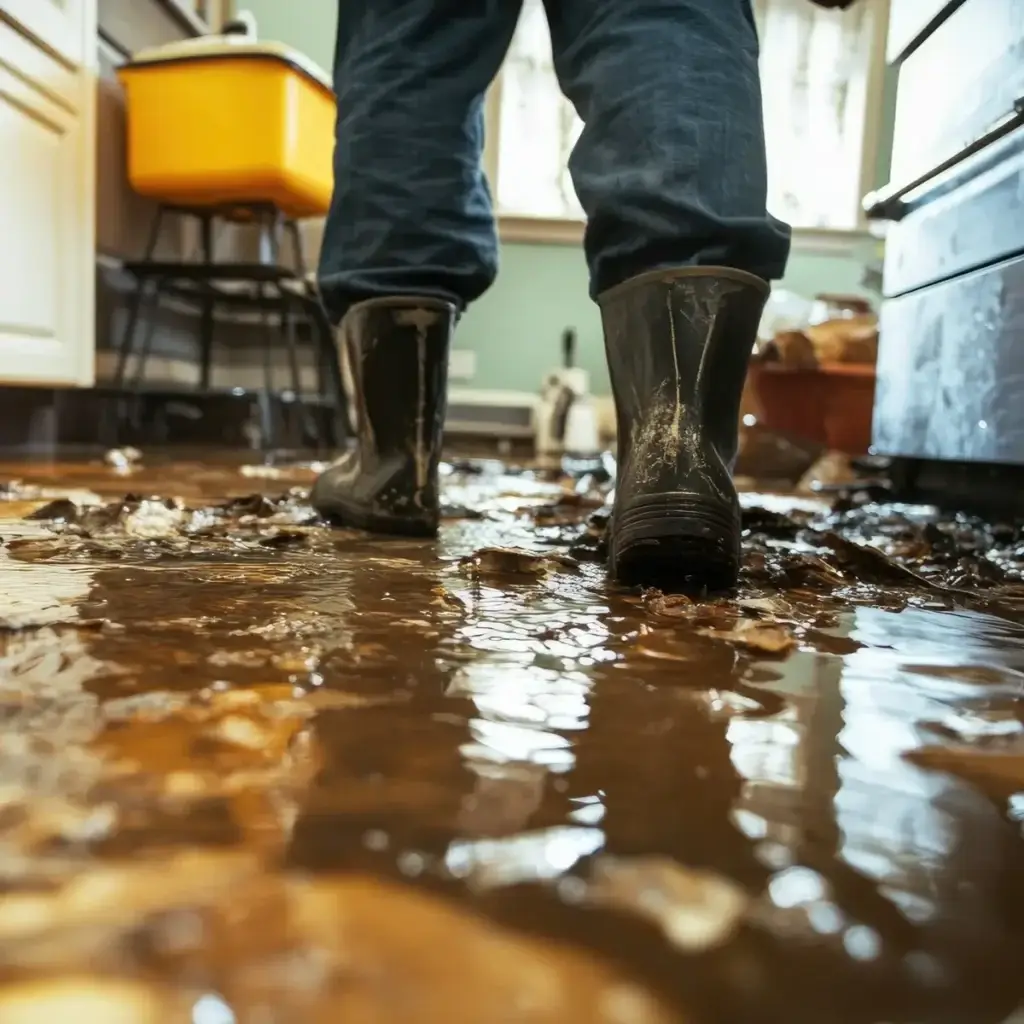
Even minimal flooding can cause severe damage to a property. This is in part due to flood water containing sewage, chemicals and bacteria, as this combination not only causes structural damage but can create serious health concerns. Mould can also spread as a result of flooding, leading to building deterioration and airborne spores. Damage can often be hidden as well, as it can seep behind walls and into insulation.
This is why quick, attentive and decisive action is necessary after any amount of flooding. Especially when conducted by experts who take all the essential steps to restore your property and make sure it’s safe from further damage, contamination and long-term complications.
A flood at your property can be one of the most stressful things you can encounter; this stress can be amplified when it comes to making an insurance claim. From complex paperwork to difficult insurers, you need support throughout the process to make it hassle-free. That is where we come in. We work directly with insurers and loss adjusters to enable a smooth move from initial claim to resolution. Our paperwork is created to keep insurance claims in mind, ensuring insurers are provided with exactly what they need.
Insurance policies can vary. Most UK buildings and contents policies include flood as a standard peril, covering river, coastal and surface water flooding. Internal leaks and burst pipes are treated separately, usually under “ escape of water ”. If your home is in a high flood-risk area, cover can be harder or more expensive to arrange, which is where the government-backed Flood Re scheme can help. Policy wording and excesses may vary so always check yours.
Not all floodwater is the same. There are three categories, each directly affecting how the flood damage can be treated and the property restored.
| Category | Also known as | Where it comes from | Risk level |
|---|---|---|---|
| 1 | Clean water | Burst supply pipes, overflowing sinks | Low, but degrades quickly if left |
| 2 | Grey water | Washing machines, dishwashers, leaking appliances | Contains contaminants and may cause illness |
| 3 | Black water | Sewage backups, river and coastal floods, stormwater | High. Contains bacteria, viruses and chemicals |
Most external flooding falls into category 3, the most harmful type. This is why professional flood damage restoration is not just about the drying of a property. It’s about decontamination so it is safe to live in or work in again. Our team of specialists assess each flood and affected property carefully to establish the risks, and then ensures their work is carried out to the appropriate standard for the type of flood.
Following a burst water tank in a 1960s detached home in Kings Langley, Hertfordshire, our team carried out an urgent flood and damp survey to assess the full extent of the damage across both floors. Initial measurements confirmed severe saturation, with some materials reaching 100% moisture content, indicating complete water absorption and a high risk of mould growth and structural deterioration.
A detailed inspection identified trapped moisture within wall cavities, insulation layers and flooring systems, meaning standard drying methods alone would not be effective.
We implemented a structured flood restoration programme, including controlled strip-out where required, targeted moisture extraction and specialist drying using a combination of desiccant dehumidifiers, condensing units and air movement systems. Moisture levels were monitored continuously to ensure complete and even drying across all affected areas.
The property was fully restored within a four-week programme, with all affected areas stabilised and returned to safe moisture levels, preventing long-term structural damage and secondary mould growth.
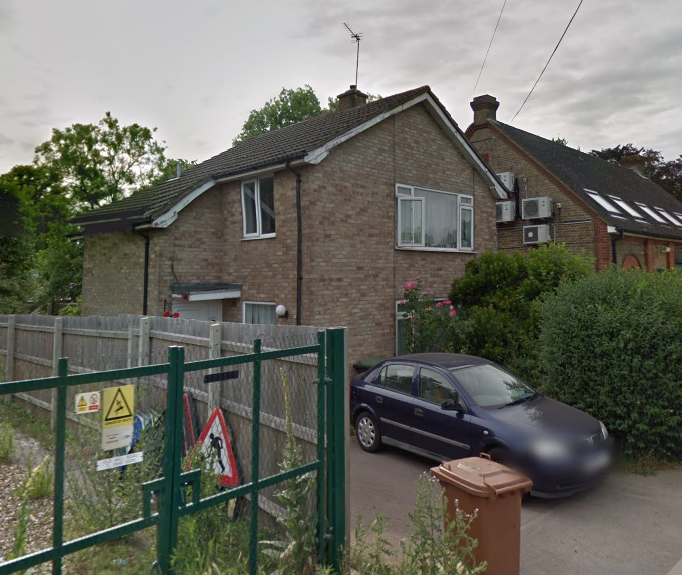
Explore real Ideal Response case studies showing how we’ve tackled similar flood damage restoration challenges across homes, businesses and specialist environments.

The cost of flood damage restoration varies from one property to the next. No two floods are really the same, meaning the scope of work can range from relatively basic to extremely complex. We always remain open and honest with you; there are no hidden fees or surprise charges, just full transparency.
In general, the cost of flood restoration work at a residential or commercial property will vary based on:
| Cost factor | Why it matters |
|---|---|
| Floodwater category | Category 3 water needs more decontamination than Category 1 |
| Extent of flooding | The area affected and how deep the water is |
| Affected materials | Plasterboard, flooring, insulation and contents all differ |
| How long water damage takes to dry | Trapped moisture in the cavities takes longer to dry and requires more equipment |
| Property size and location | Larger or harder to reach properties may require additional resources |
We provide a detailed on-site assessment and a transparent quote tailored to your situation. That way, you’ll always know what is involved before any work begins.
Ideal Response provides flood damage restoration across the UK. With a head office in Kent and local hubs in key locations, our 24/7 teams can reach residential, commercial and local authority properties quickly wherever the flooding has happened.
Whether you need flood damage restoration in London, Kent or further afield, we’re ready to respond day or night to limit the damage and start your property’s recovery.
Reach out to our team. Our flood damage restoration specialists will gather the key details, including photos, your location, the extent of the flooding and when it happened. We can then prepare for a rapid deployment, fully aware of the job at hand.
Our certified flood specialists carry out an on-site assessment at a time that suits you. We’ll confirm the scope of the damage and book your flood damage restoration.
We create a tailored plan that targets the worst-affected areas, setting out floodwater removal, the equipment needed for drying and the sanitisation steps required.
We’ll remove the standing water using industrial pumps and wet vacuums, dispose of damaged materials safely, then install specialist drying equipment to dry the structure and prevent mould and rot growth.
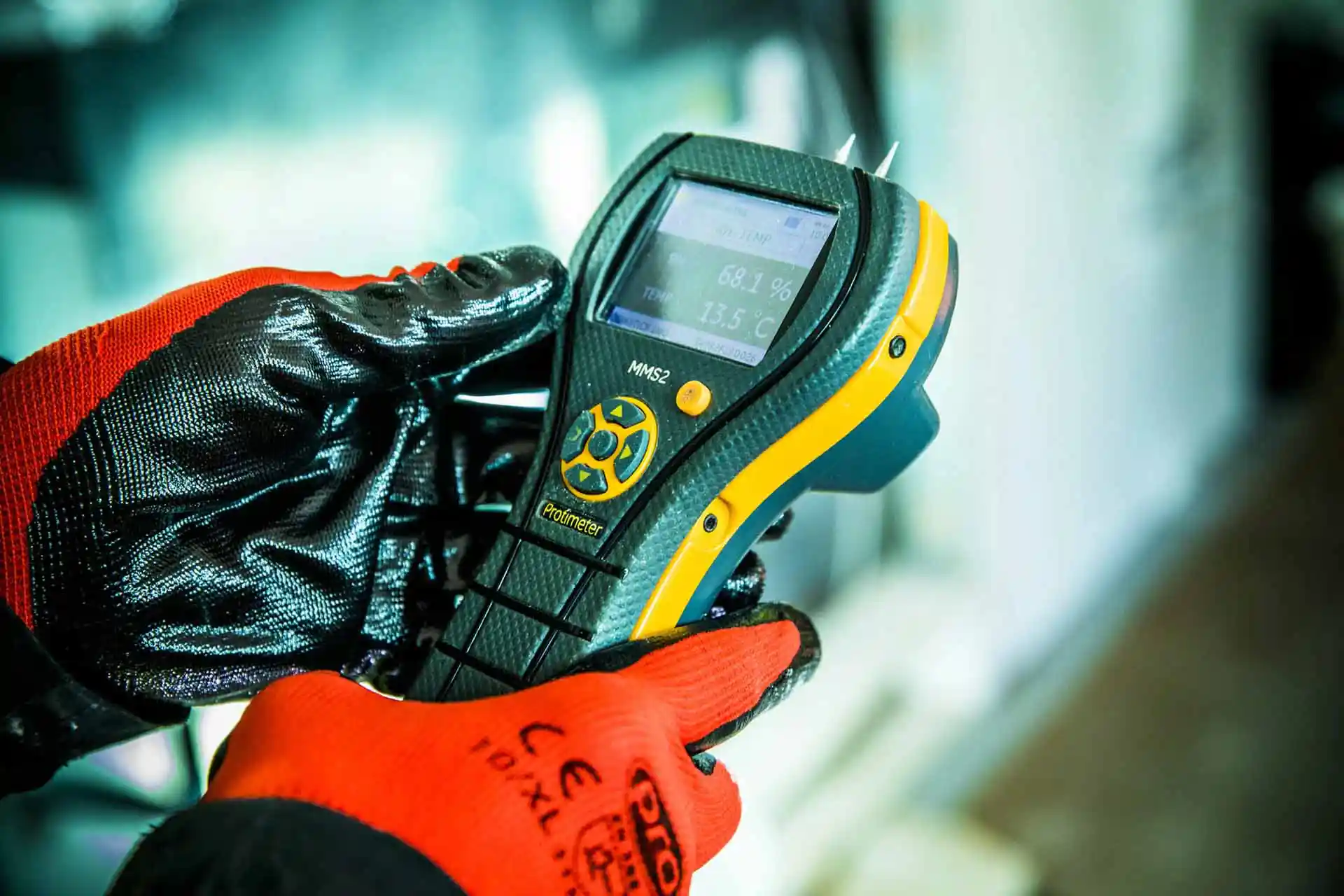
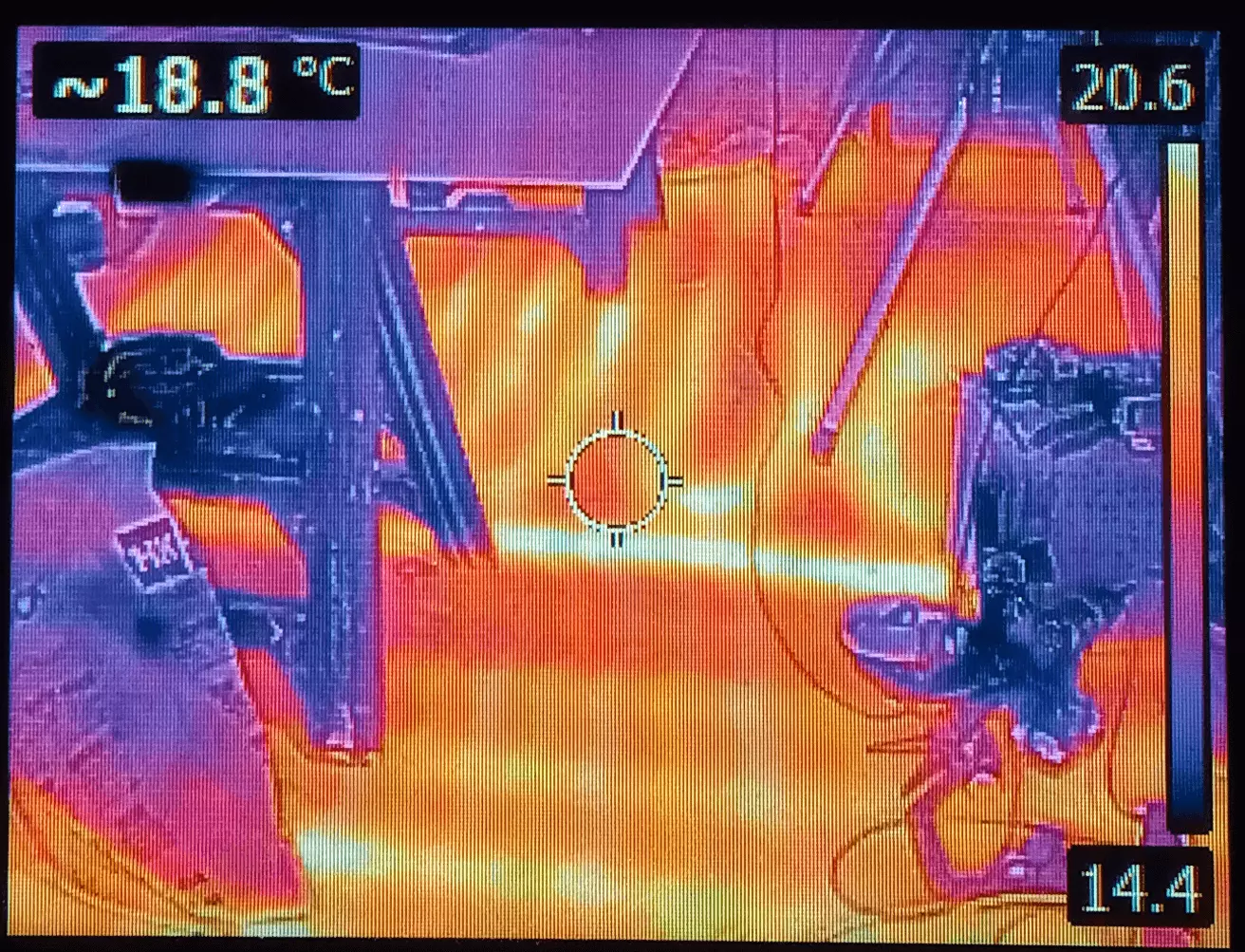
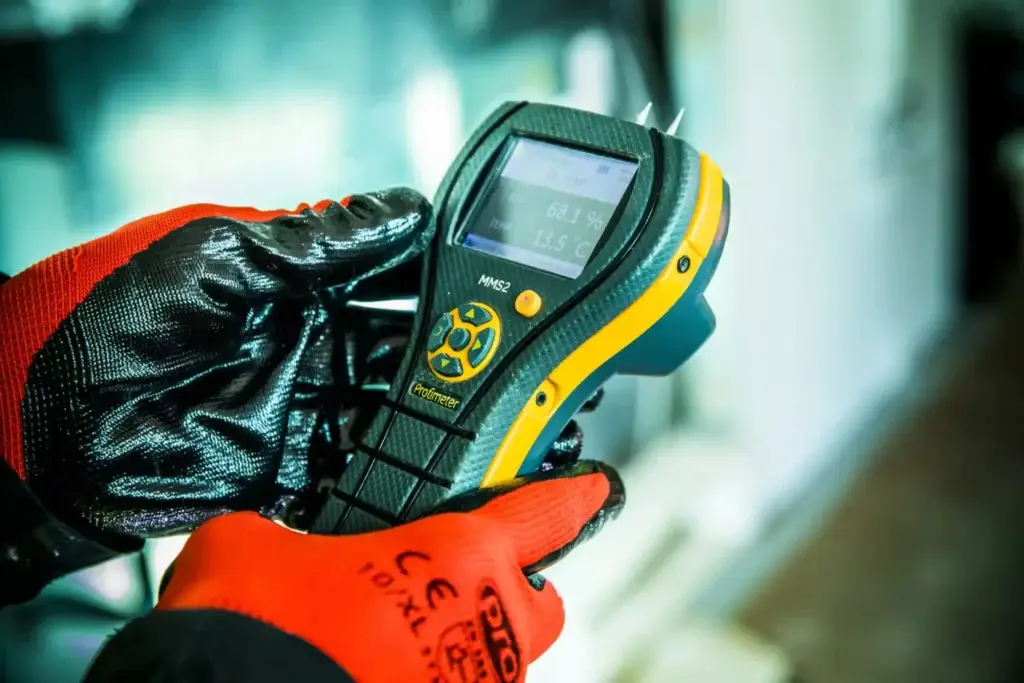
Once the property is dry, we sanitise and deodorise to remove bacteria and lingering odours. We confirm safe moisture levels using moisture meters and thermal imaging, issuing a drying certificate for your records and to support your insurance claim.
From the moment you speak to one of our call handlers, you’ll be guided through a trusted process that ensures flood damage restoration at your property is carefully orchestrated and conducted to deliver you the best results. Here is how we work.
If you are dealing with flood damage, our team is ready to respond. Our 24/7 availability means you can contact us to book a service or ask questions at any time. Call us on 0808 303 1170 today. Alternatively, if you would like to send us an online enquiry, please do so. You can include any information relating to your property issue; our team will then assess it and get in touch.
Explore more articles about damage restoration, specialist cleaning and what we do
If you’re dealing with fire damage, flooding, or an environmental incident, our team is ready to respond. No matter if you have a question or have an emergency that you need help with, call:
If you’d prefer to drop us a message, use our main contact form and upload any pictures of the incident. Would you like us to call you? Fill out the short ‘Request a call back’ form.