Available 24/7 | 0800 088 4170

Available 24/7 | 0800 088 4170
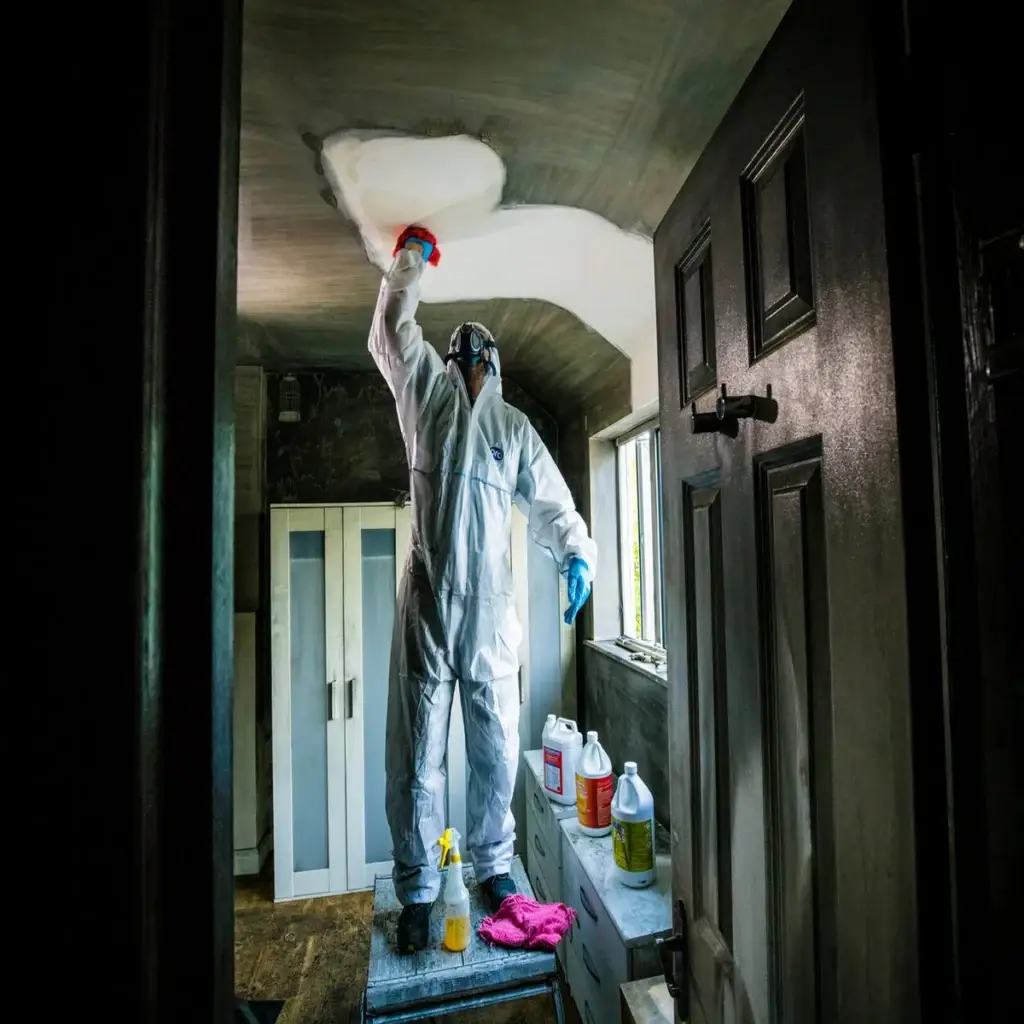
When a property is hit by a flood, the visible water is often just the tip of the iceberg. Flood damage cleaning is the comprehensive process of remediating a property to ensure it is structurally sound, chemically safe, and biologically decontaminated.
Because floodwater is categorised as a significant health risk, the cleaning process is far more rigorous than standard property maintenance. This guide dives into the technical details of how professional flood damage restoration protects your health and your investment.
Skip to:
The three categories of water
The flood damage cleaning process
The importance of a professional provider
Secondary flood damage
Summary
FAQs
In the restoration industry, we classify water based on its level of contamination. This dictates the safety protocols and cleaning methods used:
Because flooding usually involves “Black Water,” specialist decontamination is a mandatory part of the emergency flood cleanup process.
A 10/10 restoration job isn’t just about speed; it’s about precision. Here is the expanded breakdown of the Ideal Response methodology:
Before cleaning begins, we assess the site for electrical hazards, structural instability, and biohazard levels. This ensures our team and your family or staff remain safe throughout the project.
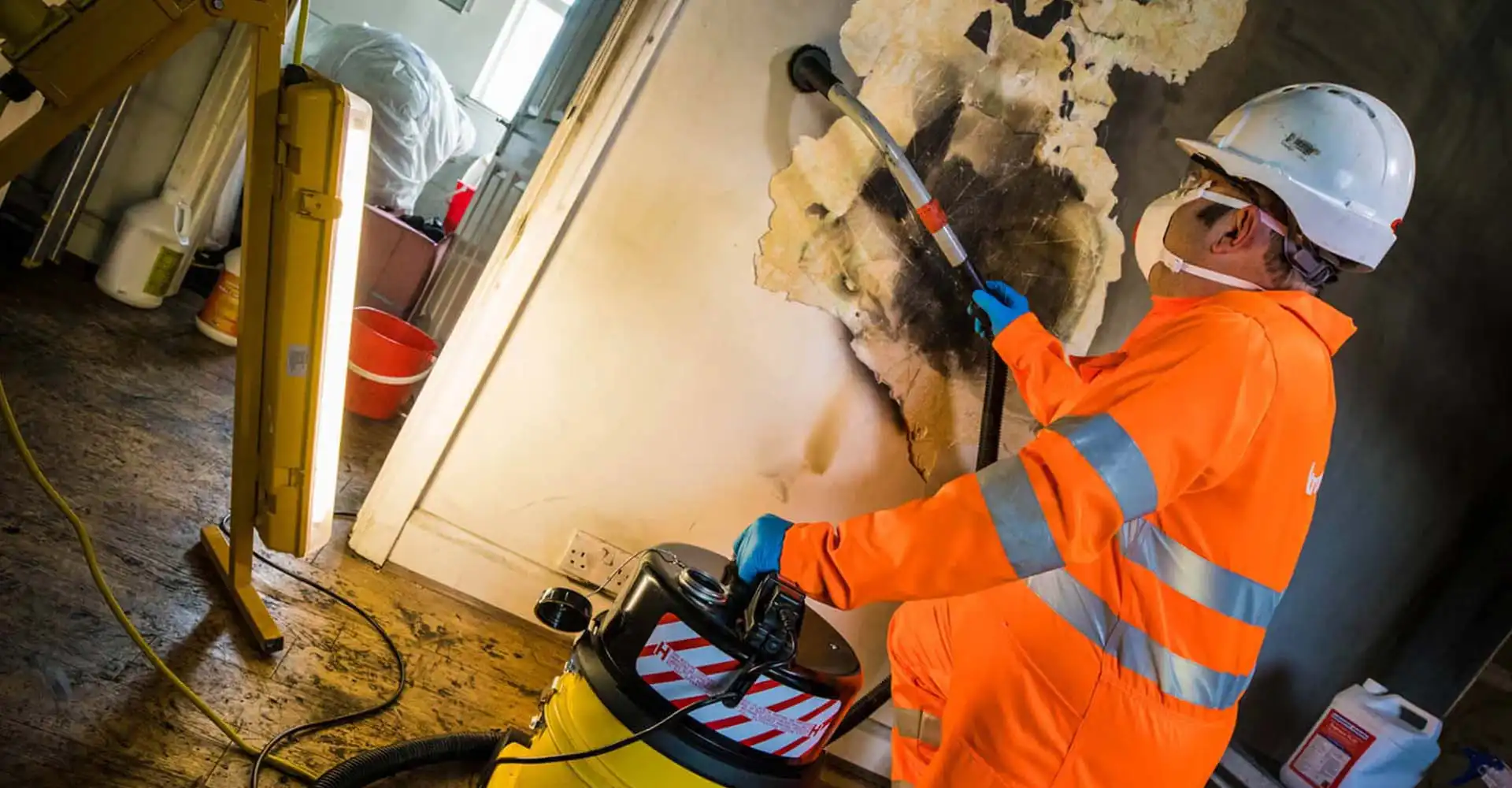
We don’t just use mops. We deploy industrial submersible pumps and wet-vacuums capable of moving thousands of litres of water per hour. Rapid removal is the only way to stop water from migrating deeper into the building’s internal structure.
Floods leave behind silt and “fine” sediments that can trap bacteria. We use high-pressure cleaning systems to blast away these deposits from hard surfaces, ensuring a sterile foundation for the next steps.
We apply professional-grade, broad-spectrum biocides. These are designed to penetrate porous surfaces and neutralise E. coli, Salmonella, and other pathogens commonly found in floodwater. This is a critical step outlined in our overview of water damage restoration.
Moisture “hides” inside bricks, concrete, and timber. To carry out specialist drying we use:
Flood restoration is a highly technical field where “cutting corners” can lead to catastrophic structural failure or long-term health issues. Choosing a reputable provider like Ideal Response ensures:
If you are unsure where to start with your insurer or how to vet a provider, read our top 5 things to do if your property has flooded for immediate guidance.
Flood damage cleaning isn’t complete until secondary threats are eliminated.
Flood damage cleaning is a highly specialised discipline that goes far beyond simple water removal; it is a systematic process of decontamination, silt clearance, and deep structural drying designed to eliminate hazardous “Black Water” pathogens. While it may be tempting to manage the cleanup independently, professional intervention is the only way to guarantee that moisture trapped within the building’s fabric is fully extracted.
By employing BDMA-accredited techniques, experts ensure your property is not only visually clean but biologically safe and structurally sound, preventing the long-term risks of secondary mould growth, dry rot, and insurance complications.

Chris Hedges is Head of Marketing at Ideal Response and the author of every article published on this site. With over 25 years of senior marketing experience across property, legal, and professional services sectors, Chris brings a clear, evidence-led approach to writing about fire damage, flood restoration, and specialist property remediation. His philosophy is simple: cut through the noise, respect the reader's time, and give people the information they actually need.
Explore more articles about damage restoration, specialist cleaning and what we do
If you’re dealing with fire damage, flooding, or an environmental incident, our team is ready to respond. No matter if you have a question or have an emergency that you need help with, call:
If you’d prefer to drop us a message, use our main contact form and upload any pictures of the incident. Would you like us to call you? Fill out the short ‘Request a call back’ form.