Available 24/7 | 0800 088 4170

Available 24/7 | 0800 088 4170
Insurance claims for subsidence should be made quickly, as soon as you spot signs of subsidence. From there, the insurer investigates the cause and may monitor the movement for a period. They will then organise stabilisation and repairs. Without a policy, you’d be doing all this work yourself, which is not only time-consuming and expensive, but mentally draining too.
Subsidence can be a huge problem for homeowners in the UK, and without insurance, it can be an expensive issue to fix.
In this guide, we walk through the process of a subsidence insurance claim, highlighting what to do, how long it may take and what to do if your claim stalls.
Skip to:
Subsidence insurance claims at a glance
Does building insurance cover subsidence?
How to make a subsidence insurance claim: Step by step
How long do you have to declare subsidence for insurance?
Can you claim for subsidence caused by coal mining?
What happens if your insurer disputes or delays a subsidence claim?
Getting home insurance after a subsidence claim
The impact of water damage
FAQs
| Question | Quick Answer |
|---|---|
| Is subsidence covered? | Under most UK buildings insurance policies, yes. |
| Which policy pays? | Buildings insurance (not contents and not the tenant’s policy) |
| What is the typical excess? | Approximately £1,000, usually higher than a standard claim |
| How do I start a claim? | Notify your insurer the moment you suspect subsidence. |
| How do I claim for coal-mining subsidence? | Claim through the Mining Remediation Authority, not your insurer. |
| What happens if my claim stalls? | Escalate it to a formal complaint, and then to the Financial Ombudsman Service. |
Before deciding to claim, it’s important to know whether the issue is actually subsidence. Our guide on what causes subsidence helps you spot the signs. Just remember, not every crack means your home is subsiding.
Yes. Subsidence damage is covered as standard by most UK buildings insurance policies. This will help cover the costs of the repair to the structure of your home, and when your home is uninhabitable during repair, it also covers the cost of temporary accommodation.
Each policy may come with specific limits, and it’s worth understanding these before making any claim:
Policies can vary by provider, so always check in advance of signing anything to ensure it offers the protection you need.
Making a subsidence claim is quite simple and can be completed in just a few steps. However, the severity of the subsidence can alter how quickly you move from claim to resolution.
Prompt action and keeping records are essential if you want a hassle-free claim.
Before trying to claim, check your policy to see what is covered, what the excess is and whether there are any specific exclusions or conditions. Doing this research now streamlines the rest of the process.
As soon as you see signs of subsidence, contact your insurer. At this stage, do not attempt any repairs yourself or have any work carried out by professionals. Underpinning or drain excavation, for example, whilst potentially vital, could invalidate your claim if the insurer has not been able to conduct their investigation.
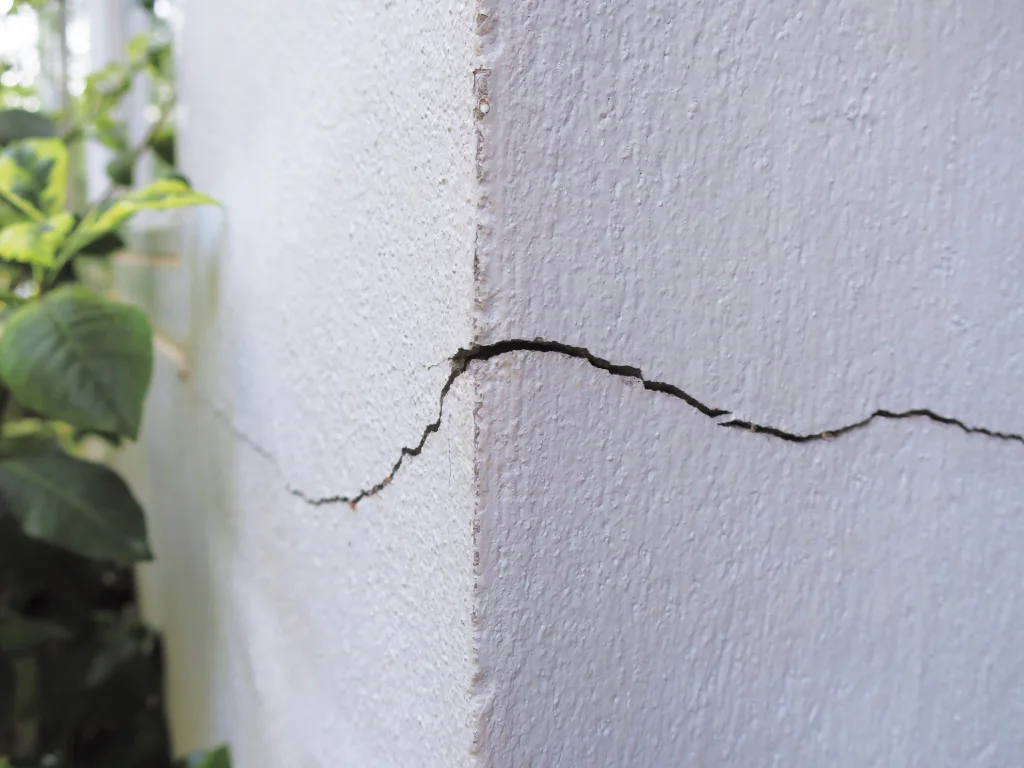
Take photos and record videos of the cracks and affected areas. Document when you first noticed any signs of subsidence, list anything that may have been damaged and record dates and names of any communication with the insurer.
The insurer will appoint a loss adjuster and, if necessary, a structural engineer or chartered surveyor to inspect the property. They will assess the damage and establish its cause. They’ll confirm why the ground is moving and, from there, propose a repair strategy.
If it has been established that movement is ongoing, the insurer may decide to monitor the property before authorising permanent repairs. This may feel like it’s a slow and pointless process, but acting too soon, especially if the ground is still moving, could actually see the problem return.
A lasting subsidence repair will not just address the cracks, it tackles the cause too. This could mean repairing leaking water mains or managing nearby trees, for example. Where the trigger is water-related, specialist water damage restoration teams might be deployed to remove the water and dry the area. This will typically be done before any stabilisation work.
Once movement has stopped, repairs can begin. In many cases, this is cosmetic with repointing, replastering or redecorating being completed. In severe cases, underpinning may be required to stabilise the property. We touch on the various methods of underpinning and when it is required in our blog on subsidence causes.
Once the repairs are completed, the insurer settles the claim, less your excess. Ensure you keep all documentation, as it may help with future insurance renewals and when you sell the house.
There is no fixed legal deadline to declare subsidence, but you should aim to inform your insurer as soon as you suspect it. Delaying it could see the problem get worse and give insurers a reason to deny or reduce any claim you make.
Timing matters most when you have switched insurers. The ABI (Association of British Insurers) Domestic Subsidence Claims Agreement states that the insurer responsible for handling your claim depends on how long after switching you report any damage.
| When you notify (after switching) | Who handles the claim |
|---|---|
| Within 8 weeks | Your previous insurer |
| Between 8 weeks and 1 year | Previous and current insurers share the cost. |
| More than 1 year | Your current insurer |
You must also declare any known or historic subsidence when taking out a new policy. Failing to do so could see your new cover invalidated immediately.
Yes, but subsidence caused by coal mining has a different claims process from other types of subsidence. Rather than contacting your insurer, you use the Mining Remediation Authority (formerly the Coal Authority).
The process works as follows:
In some cases, you may not be able to determine whether mining or other causes are what led to the subsidence. Where the cause isn’t established, speak to your buildings insurer first. They can help determine if coal mining is to blame. Properties in the Midlands, South Wales, Yorkshire and the North East are among the most likely to pursue claims through the Mining Remediation Authority.

Subsidence claims can be quite complex compared to many other insurance claims. Disputes over the cause and extent of repairs can delay the claims process, but homeowners do have options. If an insurance claim is stalling, you can escalate your grievance.
If you kept hold of all documentation from when the damage was first reported, you now have a useful asset that could push the insurer into resolving your claim.

Insuring your home after subsidence isn’t impossible, but it can sometimes be more expensive or difficult to organise.
You could consider subsidence indemnity insurance. This one-off policy protects a buyer and the lender against financial loss that stems from previous, resolved issues. It doesn’t cover future movement and does not replace buildings insurance.
Water is perhaps one of the most common triggers of subsidence. A leaking drain or water main can slowly wash away or soften the ground beneath your home. It could be months before any cracks on the property are noticed, but the damage underground could already be substantial. These leaks could then start to cause water ingress that causes damage to walls, floors and your belongings.
That’s why a rapid response is always one of the best ways to reduce the impact of subsidence, support your insurance claims and reduce the risk caused to your house and its contents. Catching a leak early is the difference between minor repairs and major structural work.
This is where Ideal Response comes in. Our certified teams provide emergency water damage restoration , structural drying and damp surveying and mould remediation across the UK. Available 24/7 across the country, you can contact us any time for specialist help when you need it most. Get a quote now or call us on 0808 088 4170 to ask any questions you may have.

Chris Hedges is Head of Marketing at Ideal Response and the author of every article published on this site. With over 25 years of senior marketing experience across property, legal, and professional services sectors, Chris brings a clear, evidence-led approach to writing about fire damage, flood restoration, and specialist property remediation. His philosophy is simple: cut through the noise, respect the reader's time, and give people the information they actually need.
Explore more articles about damage restoration, specialist cleaning and what we do



If you’re dealing with fire damage, flooding, or an environmental incident, our team is ready to respond. No matter if you have a question or have an emergency that you need help with, call:
If you’d prefer to drop us a message, use our main contact form and upload any pictures of the incident. Would you like us to call you? Fill out the short ‘Request a call back’ form.