Available 24/7 | 0800 088 4170

Available 24/7 | 0800 088 4170
Subsidence in UK homes is most commonly caused by clay soil shrinkage, nearby tree roots taking moisture from the ground, leaking drains or water mains and poor or shallow foundations. Extreme weather and historical mining activity also play a part, and can see previously sturdy properties start to deteriorate.
It occurs once the ground beneath the home starts to sink, leading to a shift in the foundations. If left untreated, it can lead to serious structural issues.
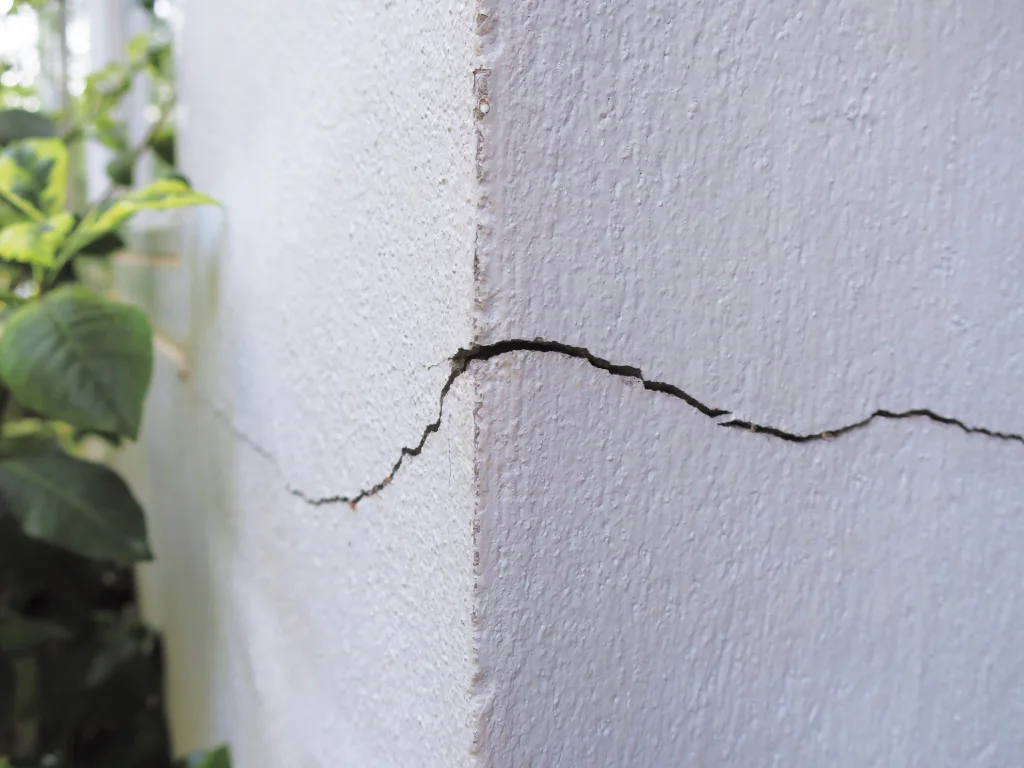
If you have started to notice diagonal cracks appearing around windows and doors, or doors that no longer close properly, your house could be subsiding.
In this homeowners and landlords guide, we look at the main causes, how to spot them and what the restoration process normally involves.
Skip to:
What is subsidence?
How to spot the signs of subsidence
What are the main causes of subsidence?
What subsidence restoration involve?
Does home insurance cover subsidence?
Can you prevent subsidence?
The impact of water damage on subsidence
FAQs
Subsidence occurs when the ground beneath a property sinks, causing the foundations to shift or crack. Unlike settlement, where the natural, gradual compaction of soil happens, subsidence is an ongoing movement that can cause thousands of pounds worth of structural damage if not addressed.
Not every crack on the wall means your house is subsiding, but some warning signs should not be ignored. Look out for:
Hairline cracks in the plaster are common in pretty much all properties, especially new builds. These can normally be attributed to thermal movement or normal drying. Subsidence cracks, on the other hand, tend to appear suddenly, grow over time and follow the mortar lines in the brickwork diagonally.
If you think subsidence might be a problem, a professional assessment is essential. Intervening as early as possible reduces repair costs and makes the job much easier to manage.
There are perhaps six main causes of subsidence in UK homes. We’ll look at each below:
Clay soil shrinkage is perhaps the most common cause of subsidence in the UK. Clay is a highly reactive soil type. It shrinks when dry and swells when wet, leading to inconsistent ground beneath the property. During hot spells, clay soil can contract significantly, pulling the ground away from the foundations.
Properties in some parts of London, the South East, East Anglia and the Midlands are particularly vulnerable. With the ongoing concern of climate change, this problem could become more common.
If trees or shrubs surround the home, this problem can be made even worse as all the moisture can be sucked from the soil.
If you are concerned about the soil your house is built on, you can use a Geology viewer to see whether your home might be built on soil prone to shrinkage.
Trees near a building can cause significant subsidence too, and as mentioned earlier, cohesive soils such as clay can be among the worst when there is a great deal of greenery nearby. The roots pull large amounts of moisture from the ground, causing soil to shrink and destabilise. An oak tree, for example, can absorb 1,000 litres of water a day!
Some people think simply removing the tree may eliminate the risk of subsidence, but unfortunately, it’s not the case. When roots die, the moisture they held remains in the soil, which can then swell and cause what’s known as heave. This pushes the foundations upwards, causing you similar problems to if the tree were left in place.
The type of tree also plays a part. Some trees need to be far from the property to minimise subsidence risk.
| Tree type | Risk Level | Recommended Safe Distance from Property |
|---|---|---|
| Oak | Very high | 30+ metres |
| Willow | Very high | 40+ metres |
| Poplar | Very high | 35+ metres |
| Ash | High | 20+ metres |
| Apple/Cherry | Moderate | 10+ metres |
Underground leaks are a big problem and are often overlooked. A leaking drain or water main can gradually wash away or soften the soil beneath the foundations. This reduces their load-bearing capability and can cause the house to start to subside.
This is particularly problematic when a home is built on sandy or gravel soils, as they are vulnerable to being washed away. To help reduce this possibility, a regular inspection of gutters, drains and pipework is recommended.
Older homes, especially those built before modern regulations came into effect, were often constructed on shallow foundations. Now insufficient for the loads placed upon them, it can become much easier for the property to lose some stability. This issue can be further exacerbated by adding an extension or loft conversion.
Areas previously used for mining carry a subsidence risk. Even if mining ceased in the area many years ago, there is still the risk of old mine workings collapsing both today and in decades to come. When this happens, there can be significant ground movement that then results in damage to properties on the ground above.
This can be prominent in the Midlands, South Wales, Yorkshire and the North East. Before buying a home in a former mining area, a coal mining search through the Coal Authority is advised. Existing mining subsidence issues have claims handled through the Coal Authority, not your regular buildings insurer.
Extended dry spells can accelerate soil shrinkage, while periods of heavy rain can destabilise some soils. With the UK having such variable weather, the risk of subsidence may only increase as our climate starts to fluctuate more wildly. This means that properties that were previously low risk can now find themselves vulnerable as ground movement becomes more frequent.
If a structural engineer or surveyor confirms active subsidence, the best way to remedy the issue will depend on its severity.
Below, you’ll find several steps that should help you get your property safe and restored to good condition.
A structural engineer will monitor your home for a few months. With gauges fitted across the cracks, they can determine whether the movement is ongoing. This monitoring plays an important role before any remediation can begin.
Effective subsidence repair begins with treating the cause, not just the symptoms. This could be:
If the foundations have been compromised, underpinning is normally required. This involves strengthening or deepening the existing foundations to reach a more stable ground.
Common methods of underpinning include:
The best method will depend on soil conditions, the level of damage and how accessible the site is.

Once the movement has been stabilised, repairs can begin on cracked walls, damaged plasterwork and affected floors. This should only be completed once movement has ceased; otherwise, the damage may reappear again and again.
In many cases, it does. Buildings insurance policies in the UK normally cover subsidence damage, but there are some important details worth noting:
You should always notify your insurer as soon as possible if you have reason to believe your home is affected by subsidence. Acting too slowly can complicate any claims.
Homeowners and landlords can’t necessarily prevent subsidence, but they can reduce the risk. The six tips below can be beneficial:
Leaking pipes and drainage failures are among the most common triggers of subsidence, but they also cause direct water damage to your property’s structure, floors and contents. A slow underground leak can easily go undetected for months, gently saturating soil and softening the ground beneath the foundations.
This can then result in widespread issues that lead to more than just subsidence.
If you have identified a water-related issue affecting your property, whether from a burst pipe, drainage failure or flooding, you need an Ideal Response . Acting fast limits immediate damage and the longer-term structural risk.
If your property has suffered water ingress, drainage failure or flooding, and you’re concerned about the structural impact, our specialist team is here to help. From emergency water extraction and drying to full structural assessment and getting the property ready for reinstatement, we work with homeowners and landlords across the UK to protect their properties. Contact us today to learn more about our water damage restoration services .

Chris Hedges is Head of Marketing at Ideal Response and the author of every article published on this site. With over 25 years of senior marketing experience across property, legal, and professional services sectors, Chris brings a clear, evidence-led approach to writing about fire damage, flood restoration, and specialist property remediation. His philosophy is simple: cut through the noise, respect the reader's time, and give people the information they actually need.
Explore more articles about damage restoration, specialist cleaning and what we do



If you’re dealing with fire damage, flooding, or an environmental incident, our team is ready to respond. No matter if you have a question or have an emergency that you need help with, call:
If you’d prefer to drop us a message, use our main contact form and upload any pictures of the incident. Would you like us to call you? Fill out the short ‘Request a call back’ form.


