Available 24/7 | 0800 088 4170

Available 24/7 | 0800 088 4170
When your tenants move out, establishing whether the property has suffered fair wear and tear or been damaged can be a high priority. However, knowing the difference between the two is crucial. You cannot charge a tenant for fair wear and tear, but you can charge them for damage. So, how do you know which one applies?
Getting the distinction right is vital, as deposits are protected by law, meaning that it’s your responsibility as a landlord to prove any deduction is fair.
We’ve put together this guide so landlords like yourself understand what you can claim and how to make a fair deduction.
Skip to:
Fair wear and tear vs chargeable damage
What counts as chargeable damage?
Wear and tear vs damage by room
What affects whether something is fair wear and tear?
How much can a landlord charge for damage to their property?
How can I deduct for damages from the deposit?
How can I reduce deposit disputes?
When damage needs professional restoration
| Fair wear and tear (not chargeable) | Chargeable damage (deductible) | |
|---|---|---|
| Cause | Normal, everyday use over time | Misuse, neglect, accidents or carelessness |
| Carpets | Thinning along a hallway | Wine stains or burn marks |
| Walls | Faded paint, light scuffs | Large holes, unapproved painting |
| Responsibility | Landlord | Cell |
| Deposit | Cannot be deducted | Can be deducted (fairly) |
Fair wear and tear is the reasonable deterioration of a property and its contents caused by normal use. It’s expected, unavoidable and the landlord's responsibility. Tenants cannot be charged for it when they move out.
The widely accepted definition found in many agreements is that fair wear and tear is “the reasonable use of the premises by the tenant and the ordinary operation of natural forces such as sunlight and weathering.” In simple terms, if the deterioration had happened anyway through everyday living, it’s wear and tear.
Examples include:
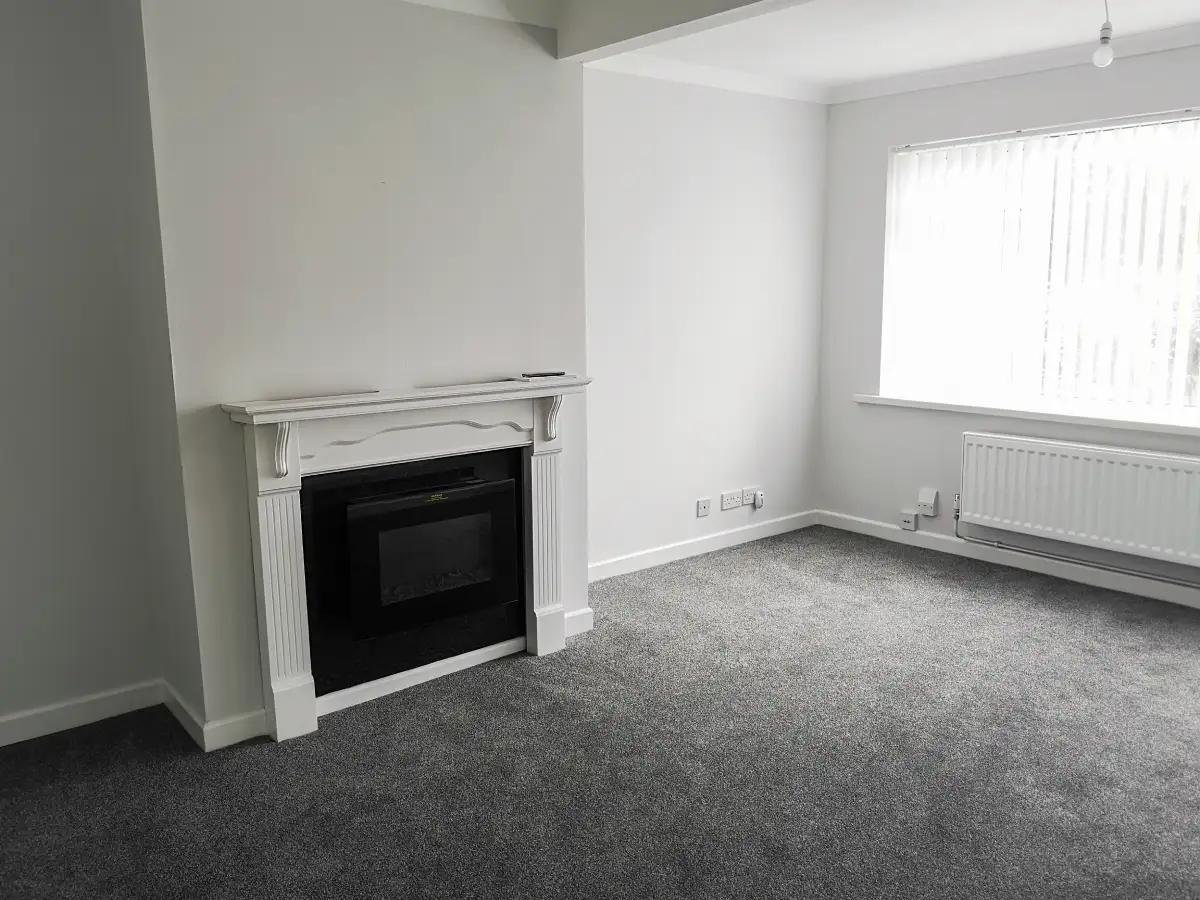
Chargeable damage is the harm to the property that goes beyond normal use and results from a tenant neglecting or misusing the property. Because it wouldn’t have occurred during ordinary living, the onus falls on the tenant to cover the cost of repair or replacement. As the landlord, you are within your rights to deduct a fair amount from the deposit to cover these costs.
Common examples of chargeable damage in a rental property include:
Landlords should be aware that if mould or damp stems from property defects rather than a tenant's lack of care, it is the landlord's responsibility to have the issues fixed at their expense. In social housing, Awaab’s Law states that once mould and damp are reported, landlords must act within specific timelines. (Investigations within 10 working days, work within 5 working days of the investigation and written summaries to tenants within 3 working days of the investigation.) Thanks to the Renters’ Rights Act 2025, this will extend to private landlords in due course, but timescales are yet to be confirmed.
Different levels of wear are likely in each room. Some areas of the home endure much more footfall than others, increasing the risk of items being damaged. Our table below shows where wear and tear may cross the line into chargeable damage.
| Area | Fair wear and tear | Chargeable damage |
|---|---|---|
| Carpets and flooring | Thinning, flattening, light fading | Burns, stains, deep scratches, gouges |
| Walls and ceilings | Faded paint, small scuffs, minor marks | Large holes, smoke staining, and ink stains |
| Kitchen | Worn worktop sheen, minor scratches | Burns, chips, cracked surfaces, broken units |
| Doors and fittings | Loose handles and worn hinges | Forced or broken locks, smashed panels |
| Bathroom | Faded sealant, limescale build-up | Cracked basin, broken tiles, mould from misuse |
| Windows and blinds | Faded fabric, stiff catches | Cracked glass, snapped slats, torn blinds |
| Garden | Overgrown lawn | Dumped rubbish, broken fencing, and removed plants |
Fair wear and tear is not a fixed checklist. In one tenancy, a mark on a kitchen worktop may be deemed irrelevant, but in another, it may be unacceptable. Various factors can be considered, though, before determining whether a deduction is suitable.
This is why questions like “Is a worn carpet fair wear and tear after 5 years?” don’t really have a yes or no answer. A carpet near the end of its lifespan showing general wear is almost always wear and tear, whereas the same carpet with fresh burn marks is damage.
When a tenant has caused genuine damage to the property, you cannot charge the full cost of replacement for an item that was already part-worn. This is the principle of betterment. You are not allowed to put yourself in a position where you end up better off than before the damage.
Adjudicators apply apportionment to reach a fair figure based on the item’s remaining lifespan.
We’ve used a carpet with an estimated 10-year lifespan in our example below:
| Detail | Figure |
|---|---|
| Replacement cost (new) | £600 |
| Expected lifespan | 10 years |
| Age at end of tenancy | 7 years |
| Remaining life lost to damage | 3 years |
| Fair deduction (3/10 of £600) | £180 |
The above figures are purely illustrative and may not reflect the true potential deduction you could make.
Deposits in England are protected, and those rules help establish what you can deduct.
You cannot deduct for fair wear and tear, for returning the property to a better condition than at check-in, or for the full replacement cost of a part-worn item.
Most deposits hinge on evidence. If you don’t have sufficient information to justify your deduction, you won’t be in a position to claim any money back. If you do have enough proof, you are more likely to be successful.
To protect yourself:
A comprehensive inventory is the most effective way to demonstrate what is wear and tear and what may constitute damage.
Some damage goes beyond a standard repair. In some cases, mould cleaning and removal , sewage cleaning , smoke damage cleaning and restoration or specialist drying could be required. Whilst these circumstances can be rare, professional remediation can help you avoid higher repair or restoration costs in the future.
Ideal Response provides nationwide damage restoration and cleaning for these exact situations. Contact our team today to find out more.

Chris Hedges is Head of Marketing at Ideal Response and the author of every article published on this site. With over 25 years of senior marketing experience across property, legal, and professional services sectors, Chris brings a clear, evidence-led approach to writing about fire damage, flood restoration, and specialist property remediation. His philosophy is simple: cut through the noise, respect the reader's time, and give people the information they actually need.
Explore more articles about damage restoration, specialist cleaning and what we do



If you’re dealing with fire damage, flooding, or an environmental incident, our team is ready to respond. No matter if you have a question or have an emergency that you need help with, call:
If you’d prefer to drop us a message, use our main contact form and upload any pictures of the incident. Would you like us to call you? Fill out the short ‘Request a call back’ form.