Available 24/7 | 0800 088 4170

Available 24/7 | 0800 088 4170
Landfill sites need evidence before they accept soil, demolition arisings or potentially contaminated waste.
Ideal Response samples your material and has it analysed by a UKAS-accredited laboratory. Analysis covers leachate, heavy metals, sulphates, dissolved solids and hydrocarbons, confirming whether the waste is inert, non-hazardous or hazardous. Results typically take 7 - 10 working days for a standard service.
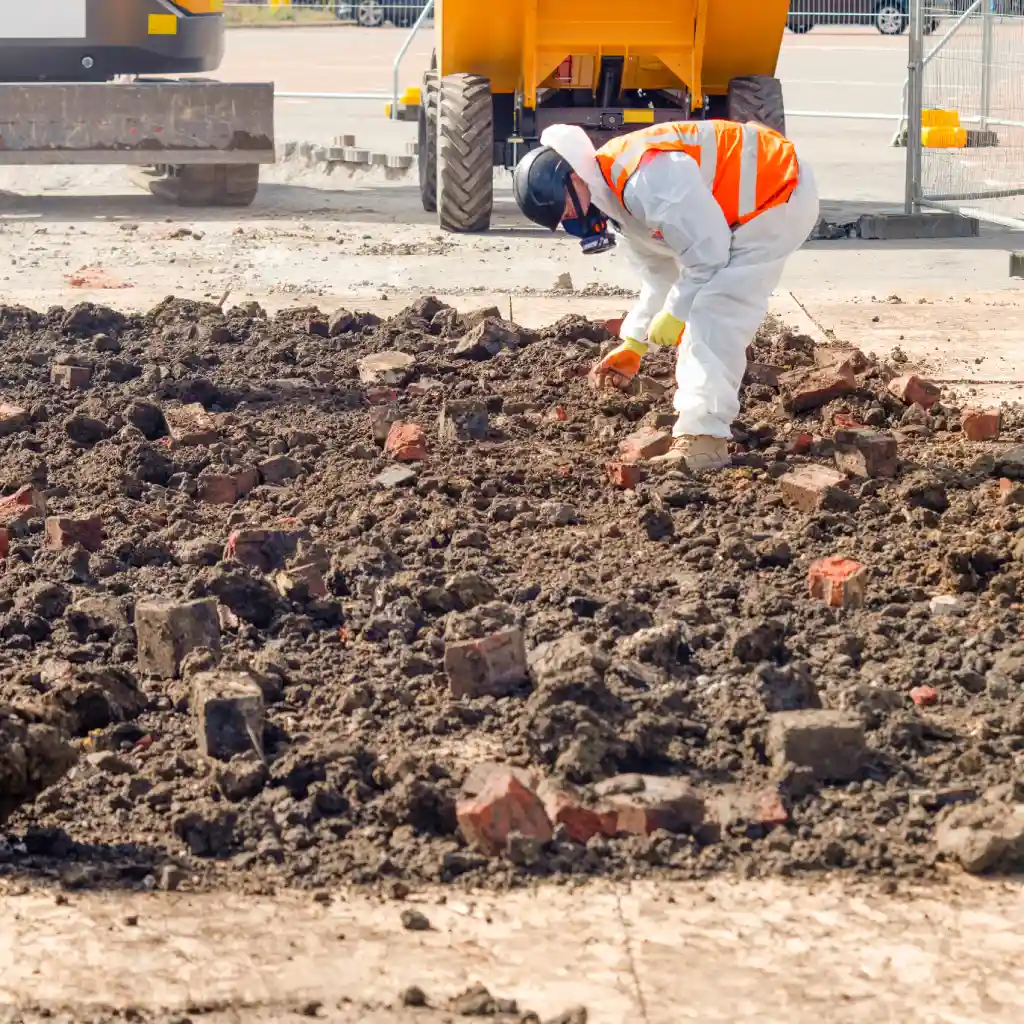
Accurate WAC testing isn’t just a formality, it protects your project from rejected loads, delays, and compliance risks. From contaminated soil to demolition arisings and industrial residues, waste classification errors can be expensive. Ideal Response provides reliable WAC testing for contractors, remediation projects, environmental consultants, and industrial operators.


WAC stands for Waste Acceptance Criteria. It is the testing framework used to determine whether waste can legally be accepted at a specific class of landfill.
The analysis measures contaminant levels and leachability characteristics to assess how materials behave once disposed of. Results determine whether waste qualifies as inert, non-hazardous or hazardous under landfill regulations. Without appropriate WAC testing, landfill operators can, and often do, refuse loads. That means additional haulage, retesting and unexpected cost. Put simply, WAC testing removes uncertainty before disposal takes place.
WAC testing is not simply a laboratory exercise. It is a compliance safeguard. When handled properly, it prevents delays, protects disposal routes and provides confidence that waste has been classified correctly.
Ideal Response delivers practical, accurate WAC testing support so you can move forward with certainty.
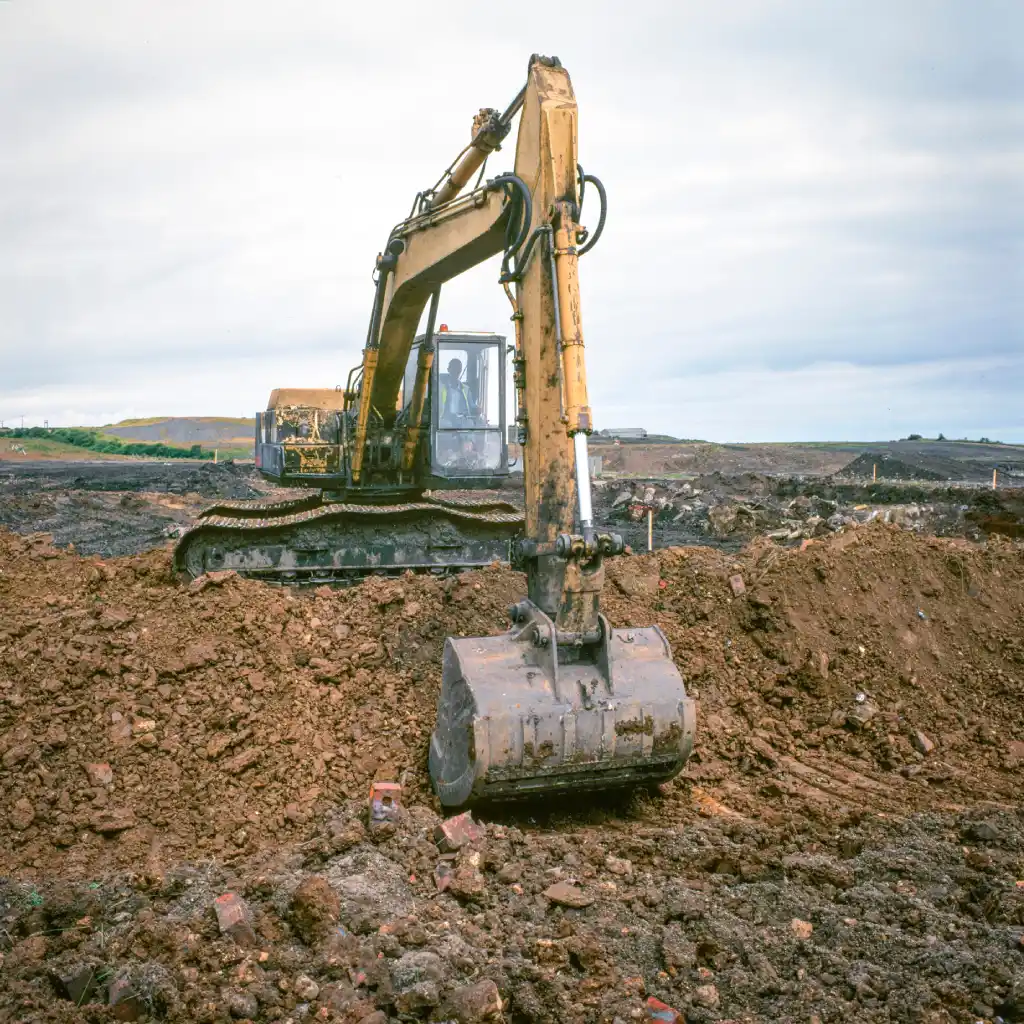
WAC testing is typically required when disposing of:
If a site has a history of industrial use, fuel storage, manufacturing or unknown fill material, WAC testing is often a prerequisite for lawful disposal.
It is also required where landfill operators request formal confirmation that material meets acceptance criteria. Without it, disposal routes may be restricted.
Our WAC testing service supports:
We understand that testing often sits within a wider programme of works. Our role is to provide reliable classification without becoming a bottleneck.
Why accurate testing matters
Incorrect classification can cause immediate and expensive disruption.
Rejected loads mean standing time, double handling and additional transport costs. Misclassification can also expose waste producers to enforcement action or regulatory scrutiny.
Accurate WAC testing ensures waste is directed to the correct disposal route the first time. It protects your programme, your budget and your compliance position.
We start by understanding your site, the material in question and your intended disposal route. Previous site investigations, chemical analysis and planning conditions are reviewed to determine what testing is actually required.
This avoids unnecessary analysis and keeps costs proportionate.
Correct sampling is critical. Poor sampling leads to unreliable results.
We ensure samples are representative of the waste stream, whether that involves stockpiled soil, excavated material or segregated waste. Where required, we coordinate with site teams to minimise disruption to programme.
Samples are sent to accredited laboratories for WAC-specific testing, including leachate analysis where required.
Testing may include heavy metals, sulphates, dissolved solids, hydrocarbons and other contaminants relevant to the material type. The scope is determined by regulation and site context, not guesswork.
Numbers alone don’t classify waste. They need to be interpreted correctly.
We review laboratory results against landfill acceptance criteria and confirm whether the material meets inert, non-hazardous or hazardous thresholds. Where results are borderline or complex, we provide clear explanation so you understand your disposal options.
You receive a clear, structured report suitable for submission to landfill operators, environmental consultants or regulatory bodies.
Documentation is concise, defensible and aligned with current waste classification guidance. If questions arise from third parties, we support you in addressing them.
We keep the process practical and efficient, while ensuring technical accuracy.
Explore more articles about damage restoration, specialist cleaning and what we do
If you’re dealing with fire damage, flooding, or an environmental incident, our team is ready to respond. No matter if you have a question or have an emergency that you need help with, call:
If you’d prefer to drop us a message, use our main contact form and upload any pictures of the incident. Would you like us to call you? Fill out the short ‘Request a call back’ form.