Available 24/7 | 0800 088 4170

Available 24/7 | 0800 088 4170
When a fire happens in a property, the focus is almost always on the flames. But speak to anyone who deals with fire-damaged buildings regularly, and a different picture emerges: the fire is often only the starting point. Soot, smoke odour, and firefighting water spread far beyond the room where it started, and how quickly you act afterwards is what determines how much can actually be saved.
This guide explains what to expect from the restoration process, what to do in the first hours after a fire, and who's responsible for cleaning up when it happens in a rented property.
Key takeaways
Skip to
How long does fire damage restoration usually take?
What should I do immediately after a fire or disaster at my property?
Who is responsible for the fire damage cleaning in a rented property?
What are the best methods for cleaning fire and smoke damage?
How do you clean off painted walls and masonry?
How do you eliminate smoke odour from a house?
Can smoke damage be completely removed from furniture and walls?
What should I look for when hiring a fire damage restoration service?
How much does fire and smoke damage restoration cost?
There's no single answer here, it depends entirely on severity. A small, contained fire typically takes a few days to two weeks to clean and deodorise. Moderate damage spanning multiple rooms usually runs 4–12 weeks. Severe fires involving structural damage can take several months to a year. What most people don't realise is that the biggest variable isn't the fire itself, it's what happens afterwards. This makes hiring a trusted fire damage restoration service provider essential, when the recovery times can vary to such an extent it's important that your service provider is not wasting any time.
Soot becomes increasingly corrosive the longer it's left untreated, and permanent etching of metal and glass can set in within 48–72 hours. Firefighting water compounds this: it penetrates cavity walls, subfloor voids and insulation far beyond what's visible on the surface, and if that moisture isn't properly extracted through structural drying, it creates exactly the kind of hidden problems that delay reinstatement work later on.
Following guidance from UK fire and rescue services, including Kent Fire and Rescue Service, here's the order that matters most:
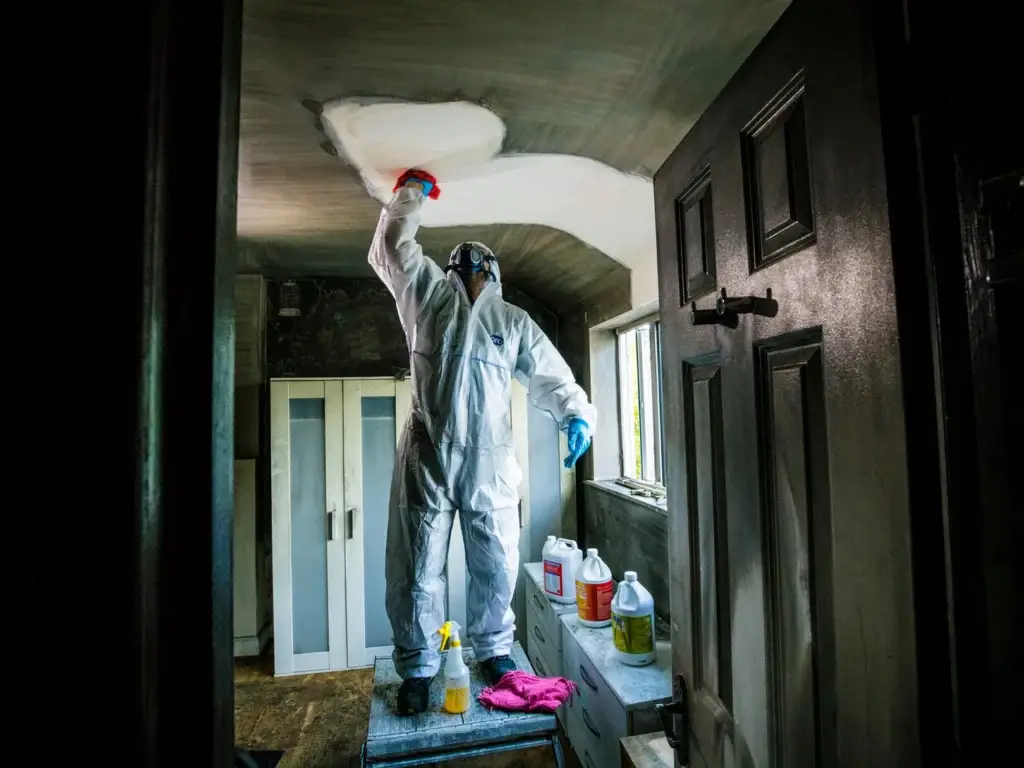
This comes down to a split between structure and contents, and it's governed in England by the Landlord and Tenant Act 1985 and the Homes (Fitness for Human Habitation) Act 2018, alongside whatever insurance is in place.
| Tenant | Landlord | |
|---|---|---|
| Covers | Personal belongings, furniture, electronics | Structure, fixtures, fittings, landlord-owned items |
| Insurance type | Contents insurance (optional but recommended) | Buildings insurance (standard) |
| Liable if... | Fire caused by tenant negligence | In all other cases, regardless of cause |
Generally, only for their own possessions, and only for the structure itself if the fire was caused by their negligence. Contents insurance, if held, covers personal belongings, it doesn't extend to the building.
Yes, for the structure, fixtures and fittings under their buildings insurance, regardless of what caused the fire, unless tenant negligence can be shown. Landlords also carry a separate duty to keep the property fit for habitation, so restoration shouldn't be delayed.
Professional cleaning is a layered process rather than a single technique:
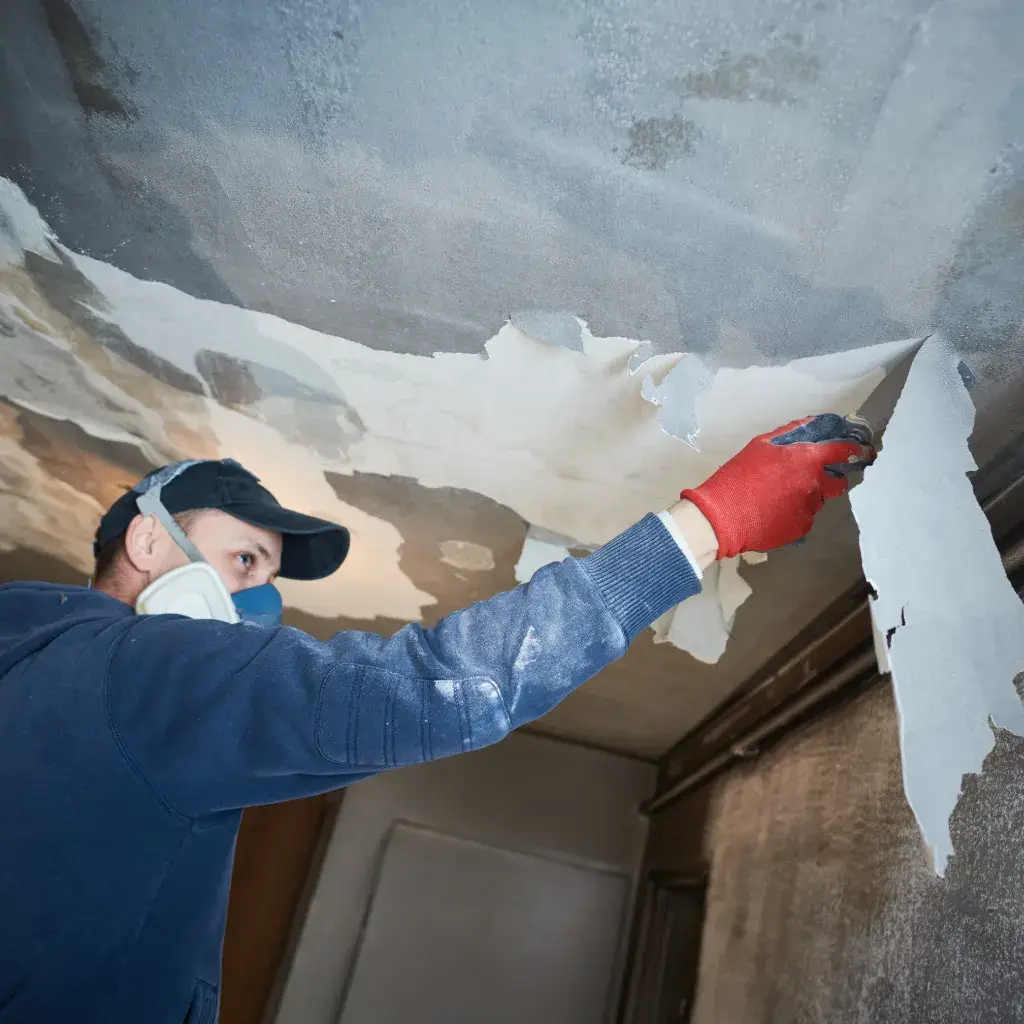
The "burnt" smell that lingers long after a fire is a genuine chemical problem, not just a lingering impression, it's caused by microscopic particles trapped in surfaces that will keep off-gassing indefinitely without proper treatment. Ventilation alone won't shift odour that's already penetrated wall cavities or insulation. Professional smoke odour removal is your best bet at removing those unpleasant lingering odours for good. Odour causing compounds (VOCs) can become trapped in porous surfaces and without professional equipment and cleaning methods they can be almost impossible to fully remove.
| Method | Best for | Occupied during use? |
|---|---|---|
| Thermal fogging | Odour deep in cavities | No |
| Ozone treatment | Severe, embedded odour | No - must vacate |
| Hydroxyl generators | Can’t fully vacate | Yes |
| HEPA air scrubbers | Ongoing particle support | Yes |
In most cases, yes, provided professional smoke damage cleaning starts promptly. Hard surfaces such as painted wood and sealed tile usually clean up fully. Soft furnishings are more variable, recovery depends on the material and how long it sat before treatment began. A professional assessment is really the only reliable way to separate what's salvageable from what isn't.
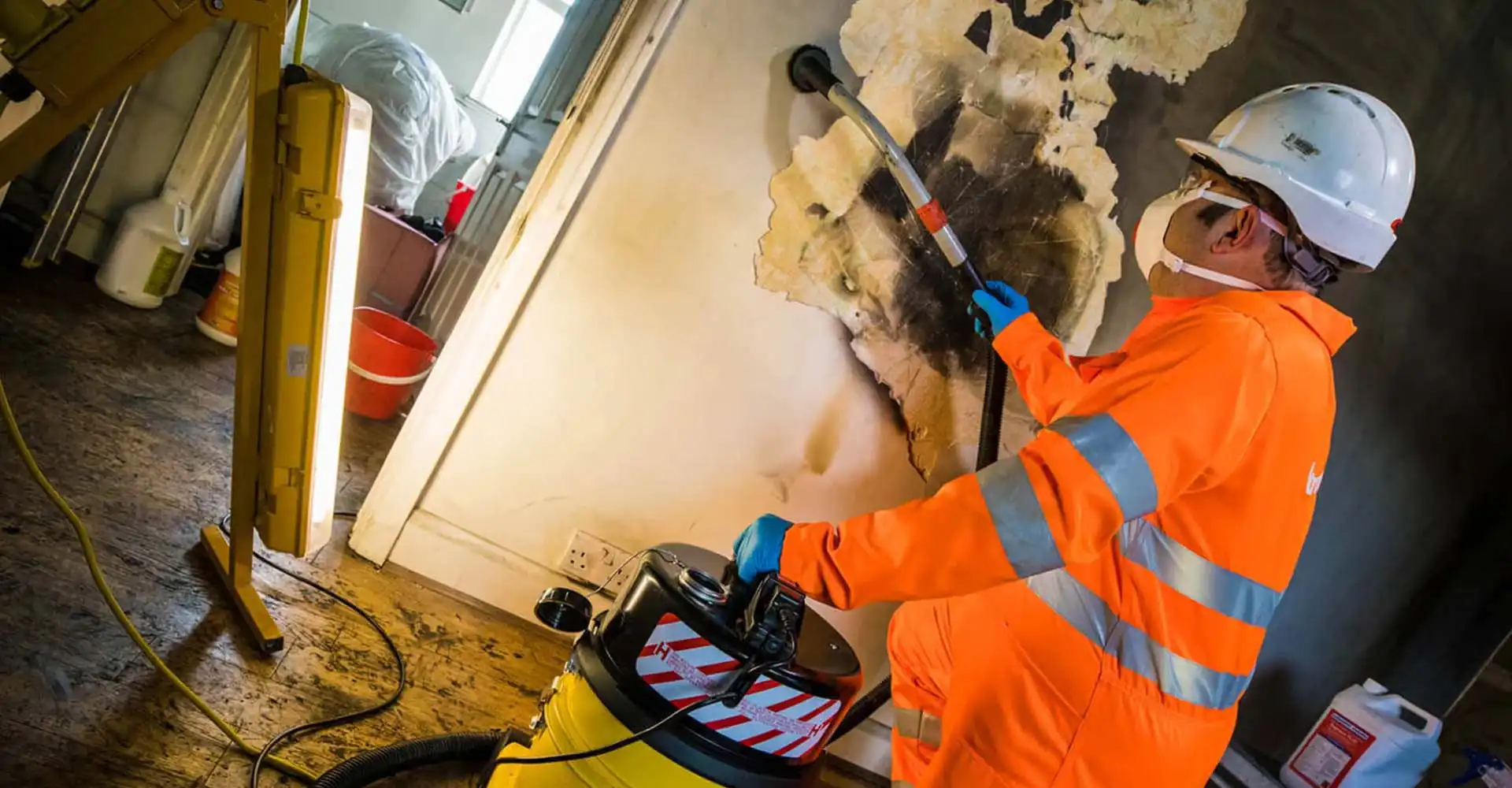
Costs scale sharply with severity, which is exactly why it's hard to give one figure:
| Scope | Typical cost |
|---|---|
| Smoke damage cleaning | £152 - £761 |
| Professional fire damage clean-up | £2,279 – £21,840 |
| Full restoration (structural rebuild + repairs) | £609 – £70,753 |
| Average UK insurance claim | £21,451 |
Most standard buildings insurance covers fire damage as a core peril, but claims aren't always straightforward. UK insurers are required under FCA rules to treat customers fairly and handle claims transparently, and if a claim is disputed, policyholders can escalate to the Financial Ombudsman Service. Our full guide to fire damage insurance claims in the UK walks through documentation, loss adjusters, and the most common reasons claims get delayed.
A house fire is disorienting, and the temptation to start cleaning immediately is understandable. But soot and smoke residue are hazardous to handle without the right equipment, and rushed DIY cleaning often makes staining and odour worse rather than better. Getting a certified restoration specialist involved early protects both your property's recovery and your health.

Chris Hedges is Head of Marketing at Ideal Response and the author of every article published on this site. With over 25 years of senior marketing experience across property, legal, and professional services sectors, Chris brings a clear, evidence-led approach to writing about fire damage, flood restoration, and specialist property remediation. His philosophy is simple: cut through the noise, respect the reader's time, and give people the information they actually need.
Explore more articles about damage restoration, specialist cleaning and what we do
If you’re dealing with fire damage, flooding, or an environmental incident, our team is ready to respond. No matter if you have a question or have an emergency that you need help with, call:
If you’d prefer to drop us a message, use our main contact form and upload any pictures of the incident. Would you like us to call you? Fill out the short ‘Request a call back’ form.

