Available 24/7 | 0800 088 4170

Available 24/7 | 0800 088 4170
As a landlord, it’s mentally and financially draining to find your property has been mistreated by tenants. From holes in walls to unreported leaks and from smashed windows to fire damage, every problem eats into your future rental income, your current funds and your chances to let again quickly.
Thankfully, landlords have options that can help protect your money and your position. In this guide, we explore assessing the damage, sourcing compensation, restoring the property and what you can do to reduce the risk of it happening again.
Skip to:
The difference between tenant damage and fair wear and tear?
Fair wear and tear: At a glance
What should you do if you find tenants have badly damaged your rental property?
Who pays for damage to a rental property?
How to restore a property after tenant damage
How to reduce the risk of future problem tenants
How can a tenancy be ended with a problem tenant?
Restoring your property to its best standard
FAQs
Before you let emotions get the better of you and lay the blame immediately on the tenants, you need to take stock. Some damage is not intentional; it’s simply wear and tear, and if you haven’t kept on top of maintaining the property, items may have just reached the end of their natural life. Getting clarity on what classes as damage and what is fair wear and tear is essential if you plan to deduct from the deposit.
You’ll also need to know if any of the damage to your rental property was accidental, malicious or criminal. The distinction is important as it could affect your insurance claims and recovery options:
| Fair wear and tear (landlord expense) | Chargeable damage (tenant liable) |
|---|---|
| Thin, worn carpet | Burns, rips or pet stains in carpet |
| Faded or lightly marked paintwork. | Holes punched in walls or heavy scuffing |
| Loose door hinges from age. | Doors kicked in or removed. |
| Limescale on taps | Badly blocked and misused drains |
| Minor wear to worktops | Deep gauges in worktops, burn marks or missing units |
If the tenant has damaged your property and moved out, remain calm. Rushing to get things fixed quickly without proper assessment or care could see you destroy any evidence for your claim, and perhaps see you spend unnecessarily.
Our steps below work you through a calm, methodical approach for the best solution.
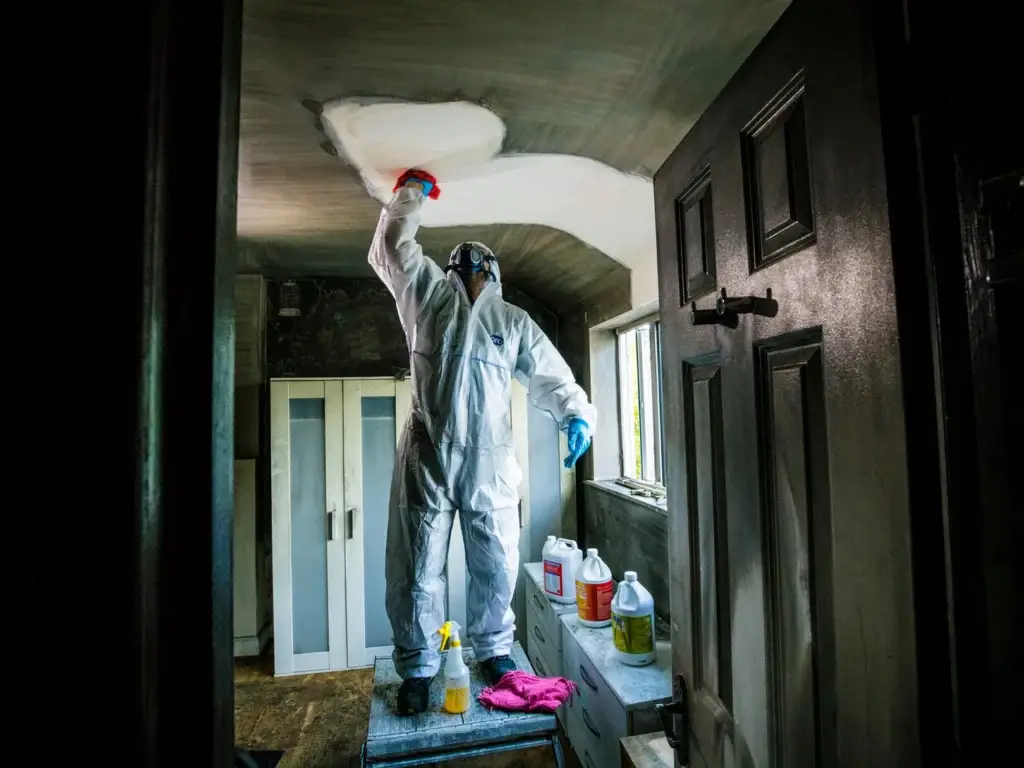
In some cases, the damage left by tenants cannot be tackled by a quick clean and some DIY. Pet droppings, hoarding, sewage and heavy soiling all carry potential health risks that require professional intervention. With specialist cleaning services, you’ll have a team using specific equipment and their experience in restoring property to a safe and lettable standard, all the while documenting their findings and work for your records.
This is a common question for both landlords and tenants, but it isn’t always clear-cut.
The tenant is responsible for accidental damage to the property that goes beyond fair wear and tear. The costs are normally taken from the deposit, but if the deposit isn’t sufficient, you can claim against your landlord insurance (if you have accidental damage cover) or pursue the tenants directly.
There are three main routes to recover your losses, and in serious cases, more than one route may be pursued.
If there has been criminal damage to a property by a tenant, report it to the police and get a crime reference number. Insurers will need this before they consider a malicious or criminal damage claim. It will also support any future action against the tenant.
With the property secure, any damage documented, and insurers aware, restoration can begin. The scope of work varies significantly depending on what’s been left behind, and this is the stage that determines when you can safely re-let. It’s also where doing it properly saves you money later, as surface fixes that ignore the underlying damage tend to resurface once a new tenant moves in.

You can’t always guarantee you’ll have the best tenants, even if the references are glowing and the rent is paid on time. Not every tenant treats a rented home as they would their own.
Consider the list below to help you find better tenants and make recovery easier if it is required.

If your tenant is still in situ, be aware that the rules changed significantly in 2026. Since 1 May 2026, the Renters’ Rights Act 2025 has abolished Section 21 “no-fault” evictions in England. To regain possession, including where a tenant is damaging the property or not paying rent, you must now use Section 8 of the Housing Act 1988 and rely on specific grounds such as rent arrears or property damage to have a tenant evicted. Each ground for eviction has its own specific evidence requirements and notice periods, so documenting everything and protecting the deposit are essential for a successful Section 8 application. Possession is quite complex, so legal advice is recommended before serving any notice.
Our team at Ideal Response provide specialist cleaning and damage restoration for properties throughout the UK. We restore affected rental properties to a safe, lettable condition and are available 24/7. If you are facing the aftermath of a problem tenant, contact our team today to book the services you require.

Chris Hedges is Head of Marketing at Ideal Response and the author of every article published on this site. With over 25 years of senior marketing experience across property, legal, and professional services sectors, Chris brings a clear, evidence-led approach to writing about fire damage, flood restoration, and specialist property remediation. His philosophy is simple: cut through the noise, respect the reader's time, and give people the information they actually need.
Explore more articles about damage restoration, specialist cleaning and what we do