Available 24/7 | 0800 088 4170

Available 24/7 | 0800 088 4170
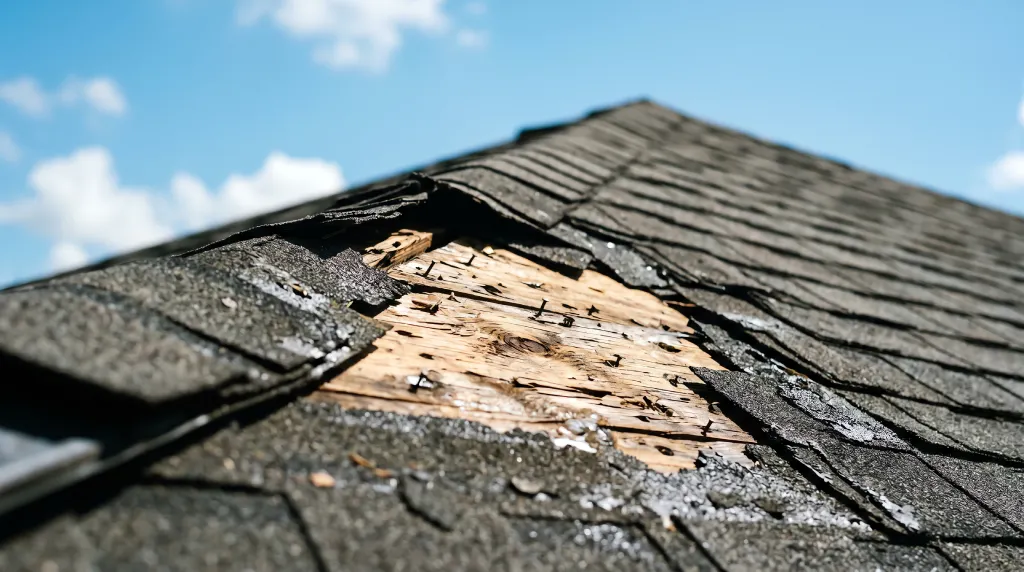
A damaged roof is one of the most urgent property emergencies a UK homeowner or building manager can face. Once the roof envelope is breached - whether by displaced tiles, a collapsed chimney stack, a fallen tree, or failed flashings - water enters the building fabric within hours, not days. Left unmanaged, a single storm event can cause months of remediation work and tens of thousands of pounds in secondary damage.
This guide covers every stage of the process: assessing the damage safely, understanding how water behaves once it enters a roof structure, the professional drying process, structural restoration, and what your insurance policy does and does not cover.
Skip to:
Why roof damage after a storm requires immediate action
Types of roof damage caused by UK storms
How to assess roof damage safely after a storm
Emergency make-safe: What to do before the restoration team arrives
The professional drying process for storm-damaged roofs
Mould risk in storm-damaged roofs
Structural repair and roof reinstatement
Storm roof damage and insurance: What UK policies cover
Choosing a contractor for storm roof damage restoration
FAQs
Roof damage is not a problem that can safely wait until the next available roofer. Once rainwater penetrates the roof structure, it follows the path of least resistance through insulation, timber rafters, ceiling joists, plasterboard, and electrical installations. Within 24 to 48 hours, conditions for mould growth are established. Within 72 hours, water will have migrated well beyond the point of entry. The specific risks from delayed action include:
The specific risk from delayed action include:
Storms cause different types of roof damage depending on wind speed, rainfall intensity, and the age and construction of the roof. Understanding what you are dealing with is essential before any drying or restoration work begins.
| Damage Type | Typical Causes & Notes |
|---|---|
| Displaced or missing roof tiles | Wind uplift at 39 mph+ (Beaufort 8). Common on concrete and clay interlocking tile roofs. May expose underlayer to direct rainfall. |
| Damaged or lifted lead flashings | Wind buffeting at valleys, abutments, and chimney bases. Allows water direct entry to roof timbers beneath. |
| Chimney stack damage | Cracked or collapsed stacks from wind loading on ageing mortar. Can dislodge large sections of roof covering. |
| Fallen trees / branches | Direct structural impact - can cause catastrophic failure of rafters and ceiling joists, not just tile displacement. |
| Flat roof membrane failure | Wind uplift on EPDM, felt, or asphalt membranes. Standing water on flat roofs accelerates membrane failure after storms. |
| Ridge tile displacement | Mortar failure under wind loading. Ridge tiles frequently dislodge in storms and can breach the roof covering on impact. |
| Damaged soffits and fascias | Wind pressure on fascia boards can split or detach them, exposing rafter feet and roof void to water ingress. |
| Damaged roof windows / skylights | Impact from debris or wind pressure can crack glass units or blow sealant seams, creating direct water ingress points. |
The priority immediately after a storm is safety - yours and your property's structural integrity. Do not attempt to access the roof yourself. Many post-storm fatalities result from people attempting DIY roof inspections before conditions are safe.
From the ground or from a first-floor window, look for:
Once you are satisfied the structure is stable and there are no electrical hazards, the loft space provides the clearest early picture of water ingress. Look for:
Document everything with photographs before any temporary repairs begin. This evidence is essential for your insurance claim and for the restoration contractor's scope of works.
Call a professional property restoration company or structural engineer immediately if you observe any of the following:
Once you have documented the damage, temporary emergency measures should be put in place to prevent further water ingress. These actions are generally accepted by UK insurers as reasonable and necessary, but keep all receipts and photograph everything before and after.
A waterproof tarpaulin secured over the damaged area is the standard emergency measure for displaced tiles or a breached roof covering. The tarpaulin must extend well beyond the damaged zone and be secured to prevent wind uplift - an improperly fixed tarpaulin in a continuing storm is a hazard, not a solution.
For commercial properties or larger residential roofs, professional contractors use temporary roofing systems - essentially scaffolded enclosures that allow the roof to continue functioning while repairs are planned and materials are sourced. These are particularly important for listed buildings where standard repair materials may require specialist sourcing.
Once the roof is made watertight and the structure confirmed safe, professional structural drying begins. This is the stage most commonly underestimated or skipped by those looking to minimise cost - and the most common cause of long-term damage.
A professional damp surveyor will use a combination of instruments to map moisture distribution through the roof structure and into the building below:
This initial assessment produces a moisture map of the affected areas. Without it, drying equipment cannot be targeted effectively, and wet pockets within the structure will be missed.
Structural timber in a UK building should have a moisture content (MC) of 18% or below. Above this threshold, the conditions for fungal decay are present. Restoration contractors will aim to bring roof timbers back to below 18% MC - and ideally to 14–16% - before any reinstatement work begins.
| Moisture Content (%) | Condition & Risk Level |
|---|---|
| Below 14% | Dry and stable. Target for reinstatement sign-off. |
| 14% to 18% | Acceptable. Monitor and continue drying if time allows. |
| 18% to 25% | Elevated. Active drying required. Mould risk present above 20%. |
| 25% to 30% | High moisture. Structural drying priority. Mould colonisation likely. |
| Above 30% | Saturated. Significant mould and decay risk. Consider opening up wall and ceiling linings to accelerate drying. |
The specific equipment used depends on the materials affected, the volume of water introduced, and the ambient conditions:
Drying timescales vary considerably based on the volume of water introduced, the materials affected, and the environmental conditions during drying. The following ranges represent typical scenarios under professional drying conditions:
| Scenario | Typical Drying Period | Key Variabes |
|---|---|---|
| Single displaced tile, minor ingress | 3–7 days | Speed of make-safe; insulation type |
| Multiple tiles lost, moderate saturation | 10–21 days | Depth of moisture penetration into joists |
| Significant roof breach, ceiling collapse | 21–42 days | Volume of water, whether lining removed |
| Fallen tree, structural damage | 6–12 weeks | Extent of structural rebuild required |
| Flat roof failure, standing water ingress | 21–35 days | Whether screed or concrete deck affected |
These timescales assume professional equipment is deployed promptly. Relying on natural ventilation alone to dry a saturated roof structure is not effective and significantly increases the risk of permanent timber damage and mould establishment.
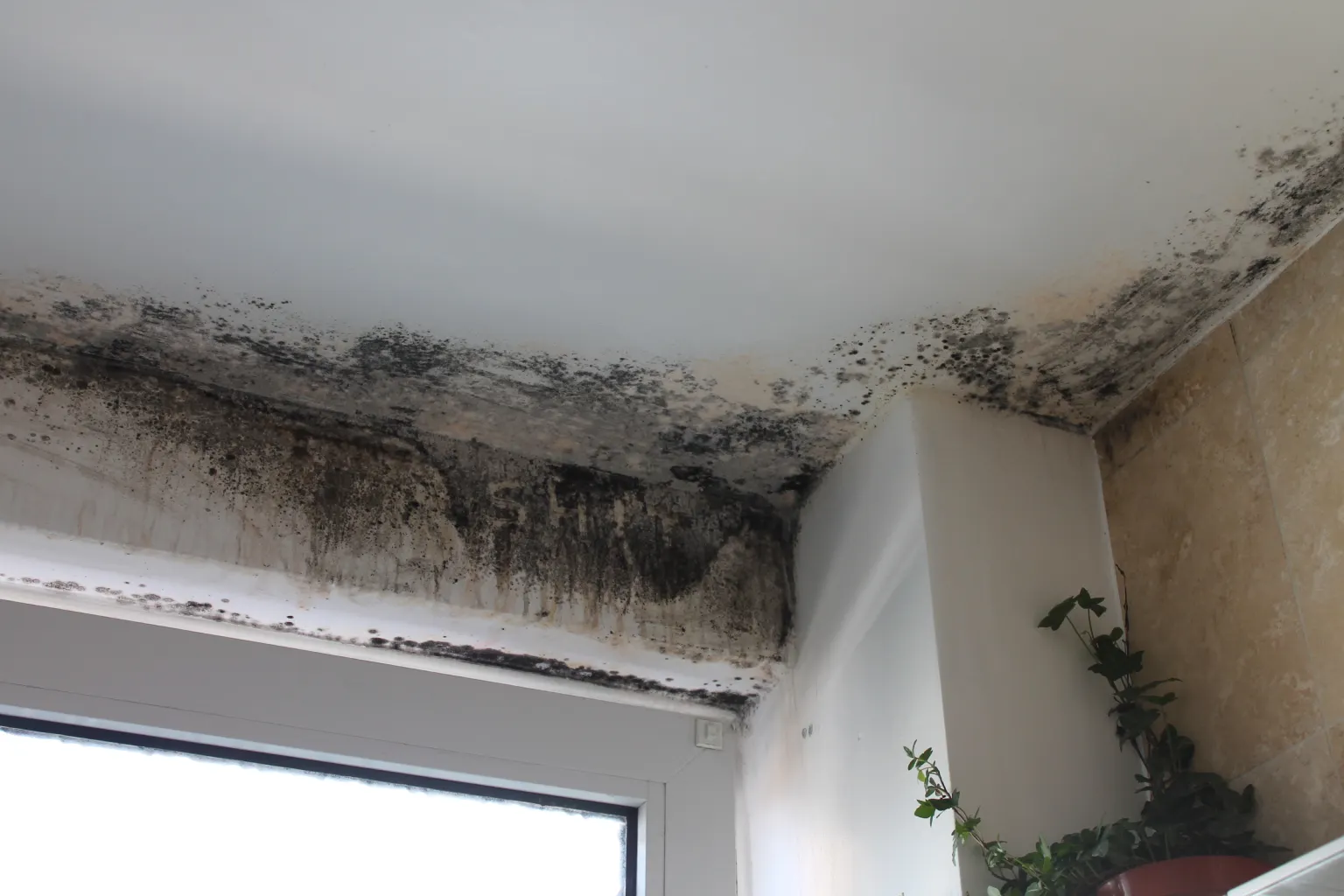
Mould is a near-inevitable consequence of roof storm damage where water ingress goes unaddressed for more than 48 hours. The loft and roof void are particularly high-risk environments because they combine the moisture from ingress with the warm air that rises from the living spaces below
The species most commonly associated with storm-damaged roof structures in the UK include Penicillium, Aspergillus, and Cladosporium. All three are capable of causing respiratory irritation and, in sensitive individuals, more serious health effects including allergic alveolitis and exacerbation of asthma.
Mould in a storm-damaged roof structure is not a surface problem. Visible growth on rafters, insulation, or sarking boards represents an established colony - the mycelium extends into the substrate beneath the visible surface. Anti-fungal sprays and bleach solutions kill surface growth but do not eliminate the colony, and do not address the substrate conditions that allow it to re-establish.
Professional mould remediation in a storm-damaged roof structure involves:
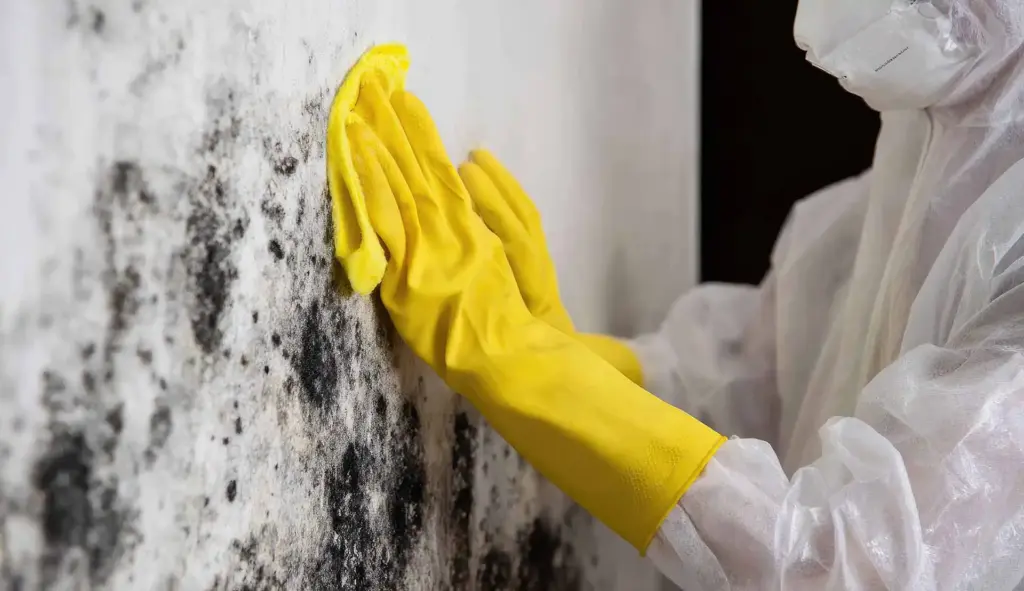
Once the roof structure is dry, structurally sound, and free of mould, reinstatement can begin. The sequence of work typically follows this order:
| Stage | Work Involved |
|---|---|
| 1. Structural timber repair | Replace or splice rotten or impact-damaged rafters, purlins, and ridge boards. Treat all exposed timber with preservative. |
| 2. Roof deck / sarking repair | Replace damaged sarking boards, oriented strand board (OSB) decking, or concrete decking on flat roofs. |
| 3. Waterproofing membrane | Install new roofing underlay (BS 5534 compliant) or flat roof membrane before any tile or covering work. |
| 4. Insulation replacement | Replace all insulation affected by water - saturated mineral wool retains moisture and cannot be effectively dried in situ. |
| 5. Tile / covering reinstatement | Re-lay tiles, slates, or flat roof covering to current standards. Replace flashing at all abutments, valleys, and penetrations. |
| 6. Internal reinstatement | Replaster ceilings and walls once moisture readings confirm the structure is dry. Redecorate and reinstate fittings. |
Do not begin internal reinstatement - plastering, decorating, or floor relaying - before moisture readings confirm the structure has reached target dryness. Sealing moisture into the structure behind new plaster or flooring is one of the most expensive mistakes in post-storm restoration.
Most standard UK buildings insurance policies cover sudden and unforeseen storm damage to the roof. This typically includes:
Roof storm damage claims are among the most frequently disputed in UK property insurance. Common grounds on which insurers reduce or reject claims include:
To maximise the prospects of a successful roof storm damage claim:
If your insurer's appointed contractor scope of works appears insufficient, you have the right to challenge this and appoint an independent loss assessor to act on your behalf:
Be cautious of contractors who arrive unsolicited in the immediate aftermath of a storm, pressure you to sign a work authorisation before your insurer has been notified, or who propose to begin reinstatement work within days of water ingress without a documented drying phase.

Chris Hedges is Head of Marketing at Ideal Response and the author of every article published on this site. With over 25 years of senior marketing experience across property, legal, and professional services sectors, Chris brings a clear, evidence-led approach to writing about fire damage, flood restoration, and specialist property remediation. His philosophy is simple: cut through the noise, respect the reader's time, and give people the information they actually need.
Explore more articles about damage restoration, specialist cleaning and what we do



If you’re dealing with fire damage, flooding, or an environmental incident, our team is ready to respond. No matter if you have a question or have an emergency that you need help with, call:
If you’d prefer to drop us a message, use our main contact form and upload any pictures of the incident. Would you like us to call you? Fill out the short ‘Request a call back’ form.