Diesel Spill Clean-up Cambridge Station | Ideal Response

Available 24/7 | 0800 088 4170

Same-day diesel spill clean-up on a Cambridge train station staircase

A diesel spill does not need to cover a large area to create an immediate problem when it affects a pedestrian staircase in a live transport environment.

At Cambridge train station, diesel had contaminated a tiled staircase on a pedestrian route. Spill-kit absorbent had already been applied before Ideal Response arrived, containing the initial spill but leaving dark oily residue and staining across several stair treads and adjoining tiled areas.

The requirement was focused and proportionate: attend the same day, treat the affected staircase manually, remove as much residual diesel and staining as possible, and document the condition before and after cleaning.

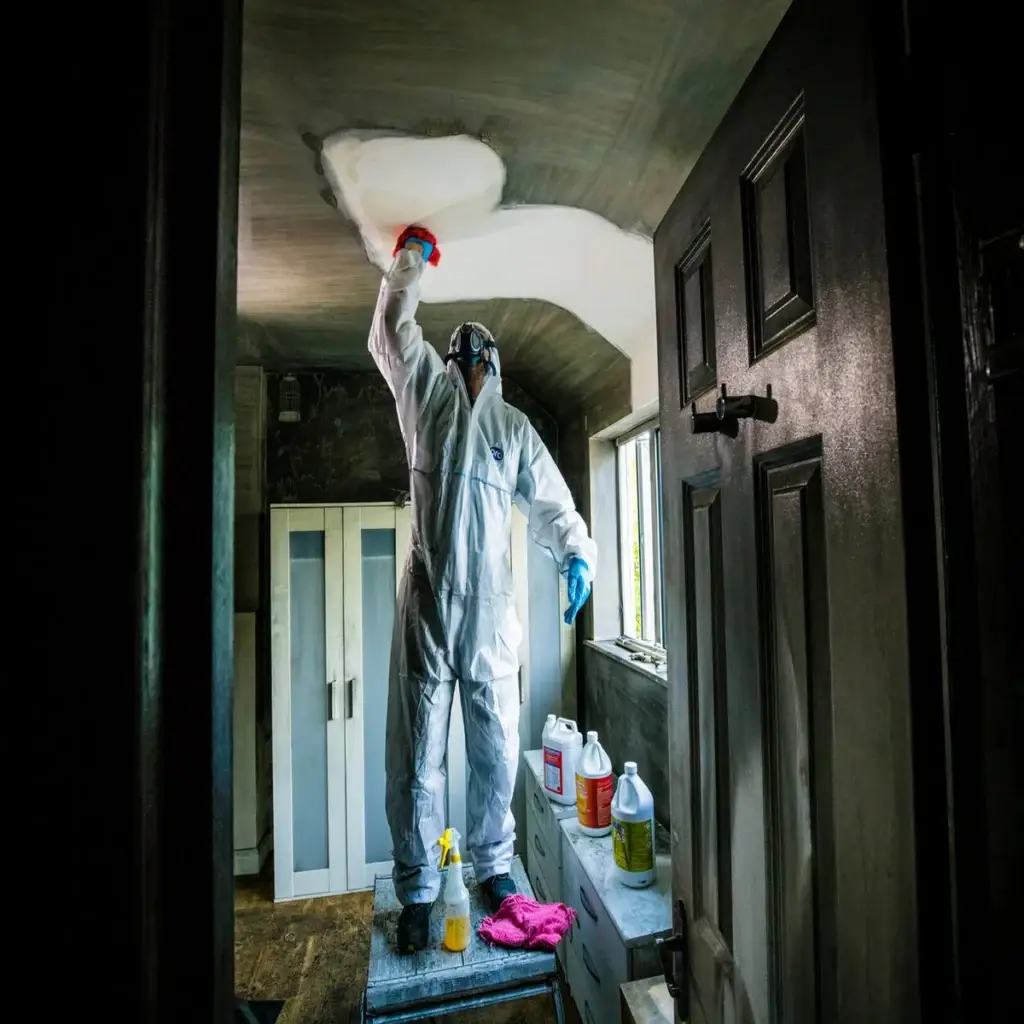
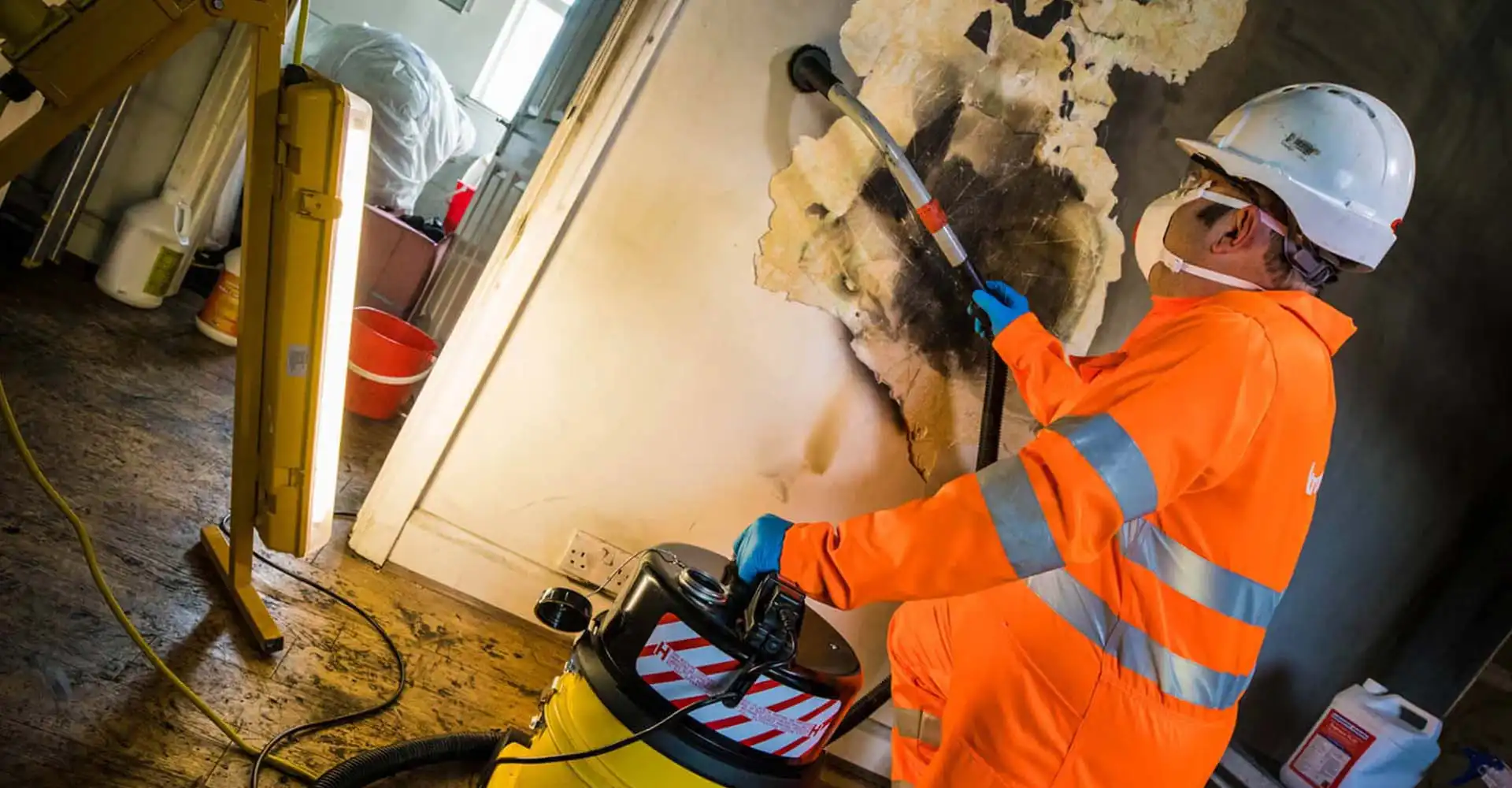
Ideal Response tecnician cleaning diesel spill from train station stairs
Location
Cambridge
Duration
1 Day
Service
Oil Spill Cleaning
Sector
Transport

Initial containment had worked. The residue still needed specialist treatment.

The absorbent material had dealt with the bulk liquid, but visible diesel marks remained across several treads and adjacent tiles. That distinction shaped the response: this was no longer a bulk-spill recovery exercise, but a targeted clean of the residue left behind.

Because the staircase sat within an operational station, technicians also had to control the work carefully around a pedestrian environment and avoid transferring oily residue onto cleaner surrounding surfaces.

Targeted manual cleaning of the affected tiled staircase using specialist cleaning chemicals, rags and buckets, followed by enzyme treatment for residual diesel contamination. Individual treads, edges and marked areas were treated in sequence, with the response kept deliberately proportionate to the localised spill.

Why a manual clean suited this staircase

Two technicians attended as one team. The spill was localised enough that a broad mechanical treatment was unnecessary; the better approach was to work directly across the affected treads, edges and adjoining tiled areas.

Using specialist cleaning chemicals, rags and buckets, the technicians worked through the marked surfaces by hand. This allowed individual treads, edges and localised patches to be treated in a controlled sequence before an enzyme treatment was applied to support the breakdown of residual diesel contamination.

The aim was to lift the oily residue and reduce the visible staining without extending the treatment unnecessarily beyond the affected area. Before-and-after photography recorded the change in condition.

Same-day treatment with a clear visual improvement

The work was completed during the same-day attendance. By the end of the clean, the dark diesel marks had been substantially reduced and the staircase showed a clear visual improvement compared with its condition on arrival.

The majority of the visible staining was removed, and no separate waste-removal operation was required.

The outcome was a proportionate same-day response to a small but operationally important spill: the residual diesel was treated, the majority of visible staining was removed and the affected staircase was left visibly cleaner.

Why small diesel spills can still demand a fast response

Why the enzyme treatment came after the physical clean

Project insight

Spill-kit absorbent is valuable for controlling the bulk liquid, but containment and remediation are not the same stage. Once the free diesel had been absorbed, the remaining job was to treat the oily film and staining left on the staircase. That second stage is what prevented a small spill from being treated as 'finished' simply because the liquid was no longer pooling.

A localised spill can become a wider cleaning problem if oily residue is transferred away from the original area on footwear. On a staircase, the geometry of treads, risers and edges also means contamination can remain in places that a quick absorbent response does not fully address.

Here, the initial spill-kit response had already controlled the bulk liquid. Ideal Response could therefore keep the specialist response proportionate: two technicians, targeted manual treatment of one staircase and completion within the same day.

The first priority was physical removal of the oily residue from the affected tiled surfaces. Specialist chemicals and manual wiping allowed the technicians to work directly on the marked treads and edges rather than relying on a blanket treatment. The enzyme stage followed that physical clean to support the treatment of residual diesel contamination. In a small, localised spill like this, the sequence mattered more than the amount of equipment deployed.


Why containment is only the first half of a diesel spill response

Dan Pollard
Oil Spill Specialist
“The spill kit had already done an important job by absorbing the free diesel, but you could still see where the fuel had been across the staircase. On a pedestrian route, that remaining oily film matters. We worked each tread and edge individually, then used the enzyme treatment after the physical clean. For a spill this size, the right response was not more machinery, it was careful, targeted treatment of what the initial containment had left behind.”

Related information

Oil Spill CleaningEnvironmental Services

Need urgent help?

Call our team 24/7 on 0800 088 4170.

Send an Enquiry
Diesel spill on a train station staircase
Ideal Response technician cleaning the diesel spill.

The Cambridge train station where the diesel spill incident happened and an Ideal Response technician conducting the clean.