Available 24/7 | 0800 088 4170

Available 24/7 | 0800 088 4170
The initial moments after an oil spill are vital. You need to attempt to stop the spill, contain it and prevent it reaching water courses and call in professionals like Ideal Response to carry out oil spill cleaning .
Oil spills can be sudden, stressful, and hazardous, whether it’s a domestic heating oil leak, a diesel spill in your driveway, or a commercial incident at your business. The good news? Immediate action can prevent extensive environmental damage, reduce cleanup costs, and keep you compliant with UK law.
In this guide, we’ll explain exactly what to do after an oil spill, what you can handle yourself, when to call in professionals, and how to prevent future incidents. Whether you’re a homeowner or business owner, you’ll find practical, actionable advice tailored to UK regulations and safety standards.
Skip to:
Understanding oil spills
Immediate actions to take
Legal and environmental considerations in the UK
Cleaning up oil spills: DIY vs professional
How much does oil spill cleanup cost in the UK?
Preventing future oil spills
Emergency oil spill cleanup and next steps
FAQs
Oil spills are not just mess, they’re dangerous and potentially illegal. Here’s what you need to know:
Domestic: Heating oil from home tanks, lubricants, or vehicle leaks.
Commercial: Diesel, industrial oils, lubricants, or chemical oils in warehouses, factories, or transport depots.
Even small spills can pollute soil and watercourses, harm wildlife, and contaminate drainage systems. Larger spills can have serious ecological consequences and attract regulatory scrutiny.
Under UK law, spills that reach drains, rivers, or soil may require reporting to the Environment Agency. Ignoring a spill can lead to fines, legal action, and liability for environmental damage. For guidance on storage and compliance, see our oil storage regulations blog.
When an oil spill occurs, time is critical. Acting quickly can limit damage and make clean-up safer and easier.
Even if the spill seems small, professionals can ensure safe removal, proper disposal, and compliance with UK environmental law. If you are a business, it’s beneficial to have an emergency spill response plan and the contact information of a certified cleanup company.
Failure to follow proper procedures can result in fines, legal action, and serious environmental damage.
For more on legal compliance, see our Diesel Spill Clean-Up Compliance guide.
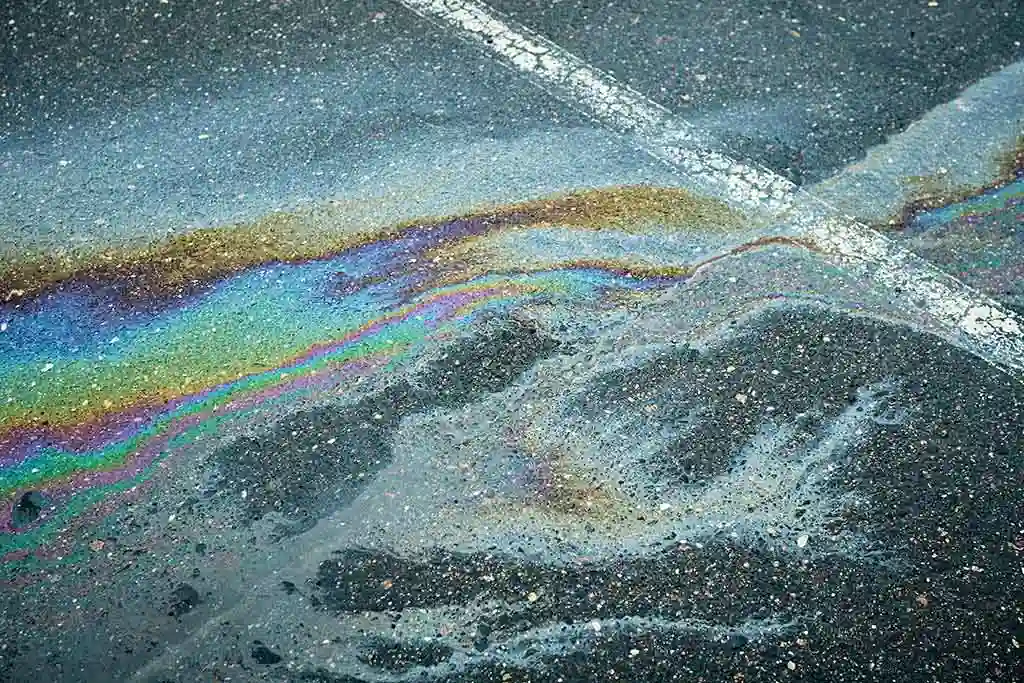
For minor domestic incidents, you can take some steps yourself:
Limitations: DIY clean-up can be hazardous, and residual oil may still contaminate soil or drains.
For larger spills, or when legal compliance is essential, professional services offer:
Learn more about the oil spill cleaning process and what makes professional cleanup essential from our Rapid Oil Spill remediation case study.
One of the first questions people ask after an oil spill is how much the clean-up is likely to cost. The honest answer is that there is no single price, because every spill is different. However, understanding the typical cost ranges and what influences them can help you make an informed decision and avoid unexpected expenses.
While every situation must be assessed individually, the following gives a general idea of what people can expect in the UK:
These figures are indicative only and should always be confirmed through a professional assessment.
Several key factors determine the overall cost of cleaning up an oil spill:
The more complex or environmentally sensitive the situation, the more specialist equipment and expertise are required.
Although professional oil spill cleanup may seem like a higher upfront cost, it often reduces overall expense and risk. Acting quickly and correctly can:
In many cases, early professional intervention can significantly lower the total cost of remediation.
The only way to determine the true cost of an oil spill cleanup is through a proper assessment. A professional response team can quickly evaluate the situation and explain the most effective and compliant solution.
Reputable providers will:
If you’re unsure whether a spill requires professional attention, it’s always safer to seek advice early.
Prevention is always better than cure. Here’s how to protect your home or business:
An oil spill can be alarming, whether it happens at home or at a business premises. What matters most is how quickly and correctly you respond. Taking early action helps limit environmental damage, reduces clean-up costs, and ensures you stay compliant with UK regulations.
For homeowners, spills often involve heating oil tanks, garages, or driveways. For businesses, the risks can be greater, particularly where oil is stored in larger quantities or close to drains and watercourses. In both cases, understanding the right steps to take, and knowing when professional support is needed, can make a significant difference to the outcome.
If you experience an oil spill anywhere in the UK, it’s important to:
Local knowledge and rapid response are especially important. Whether you are in London, Manchester, Birmingham, or a rural location, having access to experienced spill response professionals can reduce the impact of an incident and prevent long-term issues.
At Ideal Response, we provide 24/7 emergency oil spill response across the UK for both domestic and commercial customers. Our team can assess the situation quickly, carry out safe and compliant clean-up, and guide you through any environmental or regulatory requirements.

Chris Hedges is Head of Marketing at Ideal Response and the author of every article published on this site. With over 25 years of senior marketing experience across property, legal, and professional services sectors, Chris brings a clear, evidence-led approach to writing about fire damage, flood restoration, and specialist property remediation. His philosophy is simple: cut through the noise, respect the reader's time, and give people the information they actually need.
Explore more articles about damage restoration, specialist cleaning and what we do
If you’re dealing with fire damage, flooding, or an environmental incident, our team is ready to respond. No matter if you have a question or have an emergency that you need help with, call:
If you’d prefer to drop us a message, use our main contact form and upload any pictures of the incident. Would you like us to call you? Fill out the short ‘Request a call back’ form.


