A fire can be a traumatic and devastating event. Once the flames are out, the real work begins. Fire damage extends far beyond what you can see; it includes hazardous soot, corrosive smoke residue, and water from firefighting efforts.
Before you re-enter your property, it is absolutely critical to wait for official clearance from the fire department. Once cleared, proceed with extreme caution. The following guide outlines the essential steps to take and explains why a professional approach is non-negotiable for a safe and complete recovery.
If you don’t have time to read the full blog or are looking for soot and ash cleaning or smoke odour removal, find out more on our fire damage restoration service.
Skip to:
The hidden dangers of fire damage
The hidden dangers of fire damage
Soot and smoke
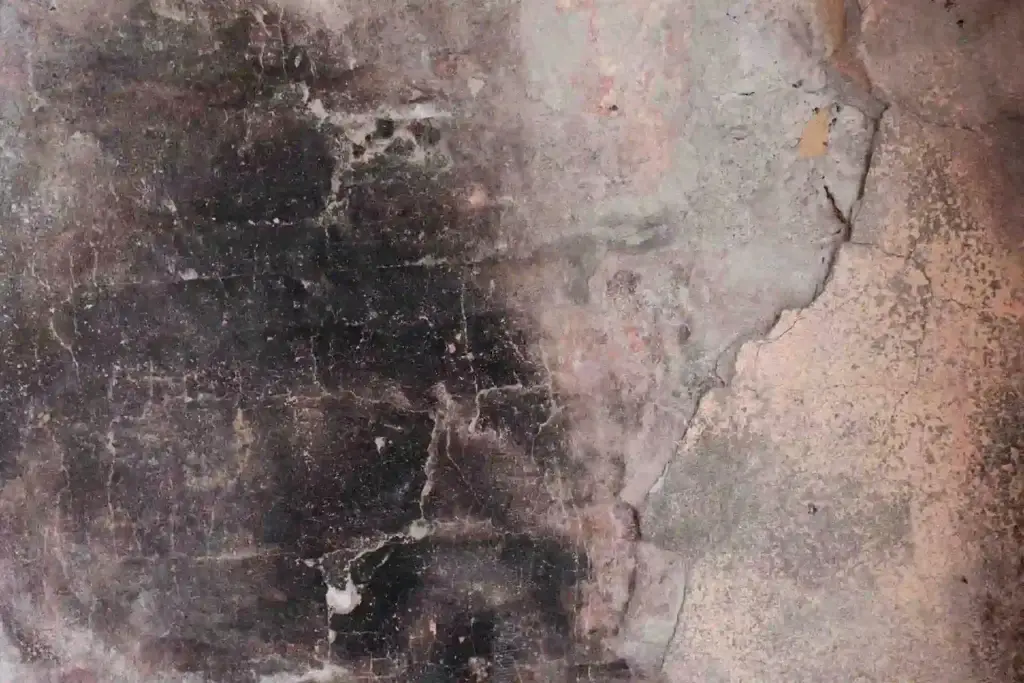
Soot is an oily, black residue that can be toxic and corrosive. It contains carcinogens and can cause permanent damage to surfaces if not removed correctly. Smoke odour permeates everything and requires specialised treatment to be fully eliminated.
Water damage
Water used to extinguish the fire can cause extensive damage to your property’s structure and contents. This creates a perfect environment for mould growth if not dried out immediately.
Structural integrity
The heat from the fire can weaken building materials, creating a serious risk of collapse. Never assume a structure is safe without a professional inspection.
A professional's approach to fire restoration
While you may be tempted to start the cleanup yourself, a DIY approach can cause more harm than good. Rubbing soot into a wall, for example, can make it impossible to remove later. A professional fire damage restoration process, like the one our team at Ideal Response follows, is a meticulously planned procedure designed for a safe and complete recovery.
A comprehensive fire cleaning service is a multi-step process that requires expert planning and execution. It is designed to not only remove the visible damage but also to neutralise and eliminate all traces of the fire, from corrosive soot to toxic residues and pervasive smoke odours. This methodical approach ensures no secondary damage occurs over time, providing a true sense of calm and a safe environment.
To learn more about our end-to-end fire damage restoration process and how we can help, visit our fire damage cleaning service page.
Step 1: Rapid Response & Initial Assessment
Upon arrival, a professional team will first secure the property and conduct a comprehensive assessment. This includes evaluating the extent of the fire, smoke, and water damage, as well as checking the structural integrity of the building. This crucial first step allows for the development of a tailored restoration plan.
Step 2: Water Removal & Structural Drying
If water was used to extinguish the fire, it must be addressed immediately to prevent secondary damage like mould growth. High-powered industrial dehumidifiers, air movers, and moisture meters are used to thoroughly dry the property’s structure. This process is monitored carefully to ensure every surface is dry and safe for the next phase.
Step 3: Soot, Smoke & Odour Removal
Removing soot and smoke residue is a specialised task. Professionals use a combination of dry cleaning methods, such as HEPA-filtered vacuums and chemical sponges, to carefully lift and remove soot without smearing it. This is followed by advanced odour elimination techniques, including:
-
Thermal Fogging: This process creates a dense, penetrating fog that neutralises smoke particles in hard-to-reach areas, like behind walls and in ventilation systems.
-
Ozone Treatment: Using an ozone generator, professionals can eliminate stubborn odours at a molecular level, leaving the air fresh and clean.
Step 4: Contents & Document Restoration
A significant part of professional restoration is salvaging personal belongings and important documents. Experts can restore items that may seem lost to fire or smoke damage, including furniture, electronics, and photographs, often using specialized cleaning techniques.
Step 5: Final Clean-up, Sanitisation & Reconstruction
The final stage involves a deep clean of all remaining surfaces. Everything is sanitised to ensure the property is hygienic and safe to occupy. Once all cleaning is complete, any irreparably damaged materials are removed and the property is prepared for the reconstruction phase, restoring it to a pre-loss condition.
Conclusion: Seek professional help
Don’t attempt this alone. A professional team has the training, the right personal protective equipment, and the advanced tools to handle every aspect of fire damage safely and effectively.
For a safe, complete restoration of your property after a fire, you need a certified professional.
Discover our comprehensive Fire Damage Restoration and Cleaning services to restore your property and your peace of mind or contact our team to learn more.
Restoring fire damaged UK property: Frequently asked questions
What should I do immediately after a house fire?
Immediately after a house fire, your top priority is safety. Do not re-enter the property until fire officials have given clearance. Once cleared, wear protective gear (gloves, N95 respirator mask, protective clothing) due to airborne toxins. Then, assess structural integrity and quickly address any water damage from firefighting efforts to prevent mould.
What types of damage occur after a fire, besides the flames?
Beyond the immediate flames, fire causes extensive damage including smoke and soot residue that penetrates deep into materials, significant water saturation from firefighting efforts (leading to mould risk), and potential structural weakening of the property. Soot and ash are also acidic and can cause ongoing corrosion if untreated.
How do professionals remove smoke and soot from a fire-damaged property?
Professionals use specialised methods to remove smoke and soot. This includes HEPA vacuuming for fine particles, chemical sponges to absorb soot without smearing, and alkaline cleaners to neutralize acidic soot. For deeply embedded smoke odours, they use advanced techniques like ozone treatment, hydroxyl generators, and thermal fogging.
How do you get rid of smoke smell after a fire?
Eliminating lingering smoke odour is challenging as particles embed deeply. Professional methods include ozone treatment (breaking down odour molecules), hydroxyl generators (safer for occupied spaces), thermal fogging (neutralising trapped particles in porous materials), and using activated carbon filters in air purifiers to remove airborne odours. Ideal Response offer professional smoke odour removal that guarantees 100% odour neutralisation.
When is it necessary to hire professional fire damage restoration services?
It is necessary to hire professional fire damage restoration services for extensive fires due to the complex, hazardous nature of cleanup. Professionals provide full structural assessments, specialised soot and smoke removal, industrial drying to prevent secondary damage like mould, and proper decontamination of hazardous materials, ensuring safe and effective recovery.
What are the risks of attempting DIY fire damage cleanup?
Attempting DIY fire damage cleanup carries significant risks. Without proper knowledge and equipment, you can cause further, irreversible damage to materials, expose yourself to carcinogenic soot and airborne toxins without adequate PPE, and fail to fully eliminate hidden smoke odours and mould, leading to long-term health issues and escalating repair costs.
How is water damage from firefighting efforts addressed after a fire?
Water damage from firefighting efforts is addressed by rapid extraction of standing water using wet vacuums or pumps. This is followed by immediate, thorough drying using industrial-grade dehumidifiers and fans to prevent mould growth, which can begin in as little as 24-48 hours. Irreparable waterlogged items are typically removed.

Kayleigh Owen - Technical Account Manager
With years of dedicated experience in the disaster recovery industry, Kayleigh Owen brings a precise and insightful approach to every project. Holding a BSc Hons Degree, Kayleigh specialises in construction and major loss, expertly navigating the complexities of large-scale fire and flood events. Having spent her entire industry career at Ideal Response, she has honed a deep understanding of what it takes to restore properties and lives with efficiency and empathy. Kayleigh believes that meticulous planning and clear communication are the cornerstones of transforming disaster into recovery, ensuring every client receives not just a solution, but true peace of mind.