Available 24/7 | 0800 088 4170

Available 24/7 | 0800 088 4170
Water leaks are a silent threat to businesses across the UK. Did you know they account for a staggering 50% of all commercial insurance claims? The true cost is far more than just a high water bill. A hidden leak can cause extensive property damage, significant operational disruption, and even force your business to a grinding halt. You can’t afford to wait for a disaster to strike. The most effective way to protect your business and its finances is through proactive and professional commercial water leak detection.
In this comprehensive guide, we’ll dive deep into the real-world impact of commercial water leaks. You’ll learn the warning signs to look out for, the advanced technology professionals use to find leaks without tearing up your property, and why a rapid response is the only way to safeguard your business and its bottom line.
Skip to:
What is a commercial water leak?
What are the hidden costs of a commercial water leak?
How to spot the signs that you have one
The science of commercial leak detection
Contact a professional
FAQs
A commercial water leak is any unauthorised escape of water within or on the grounds of a business property, such as an office building, warehouse, or retail space. Because these properties are often much larger and have more complex plumbing, heating, and cooling systems than a home, a leak can be much harder to find and can cause far more widespread and severe damage.
Leaks can originate from a variety of sources, many of which are easy to overlook in the day-to-day running of a busy business:
While a small drip might seem insignificant, the large volume of water in a commercial system can turn a minor leak into a major incident, affecting multiple areas and systems.
When a water leak hits your business, the financial impact goes far beyond the initial repair bill. You have to consider the ripple effect that can impact every part of your operation. Ignoring a leak can lead to a cascade of financial and operational problems that can cripple even a thriving business.
Every business owner knows that time is money. A serious water leak can force your business to halt operations, sometimes for an extended period. Think about the impact: you may have to close your doors, stop production, or relocate staff. According to a report from the Howden Group, a major water escape can force a business to shut down for as long as 50 working days. That’s ten full weeks of lost income, all while your rent, utility bills, and staff wages continue to pile up. For a small or medium-sized business, a shutdown of this length can be financially crippling, potentially leading to permanent closure. Even a partial closure of an affected area can disrupt workflow, reduce productivity, and cause delays in serving customers.
An undetected leak is like leaving a tap running 24/7. Day after day, that wasted water adds up, leading to shockingly high water bills. In a large commercial building, a persistent leak can result in thousands of litres of wasted water, and the financial drain can be immense. For businesses that are already dealing with rising operational costs, an unexpected spike in water bills can be a significant blow. Furthermore, a leak can cause a drop in water pressure throughout your system, forcing taps and appliances to work longer and harder to do their job, which only makes your water bills even higher. It’s an unnecessary and avoidable expense that directly impacts your bottom line.
This is where the real, long-term danger lies. Water damage isn’t the end of the story, it’s just the beginning. The constant moisture from a leak can lead to weakened support beams, warped floors, and crumbling drywall, compromising the structural integrity of your property. This can be far more costly to repair than the initial leak itself. Furthermore, it creates the perfect breeding ground for mould, which poses a serious health risk to your employees and customers which can lead to expensive remediation costs.
Many commercial leaks go unnoticed because they are hidden from view. However, there are several key signs that your property might be trying to tell you it has a problem. Being aware of these indicators is the first step towards timely commercial water leak detection.
While these signs are helpful, pinpointing the exact location of a hidden leak in a large commercial property requires specialised tools and expertise.
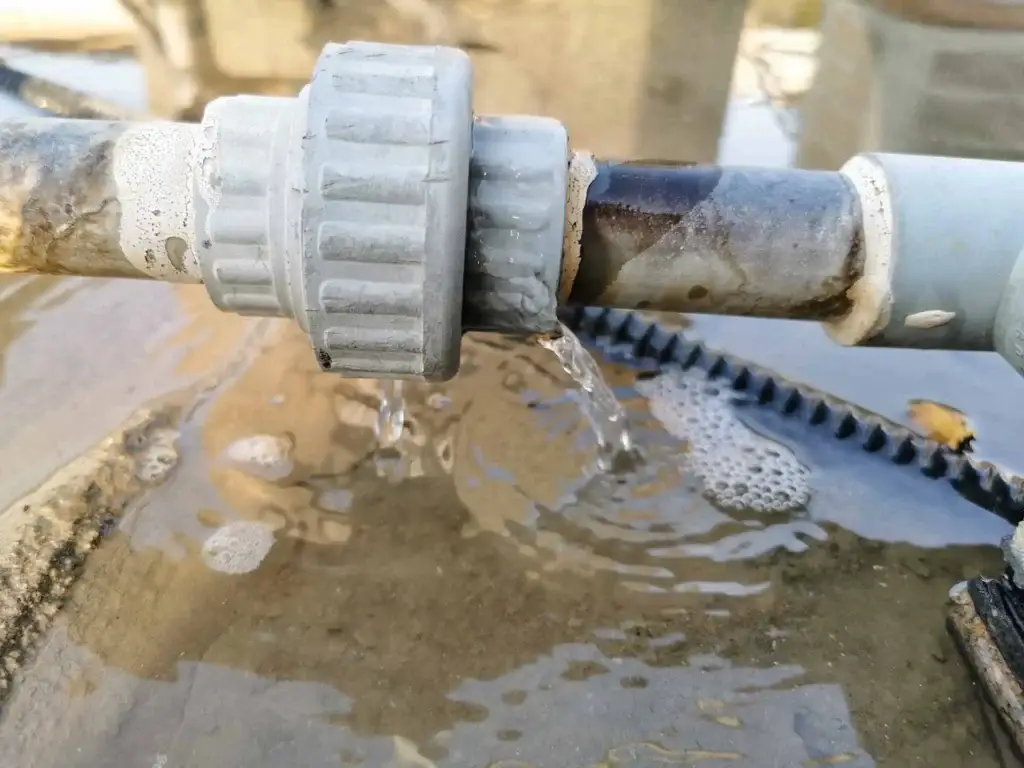
Finding a leak isn’t as simple as following the water. Many hidden leaks require specialised, non-destructive technology to be located accurately. Professional commercial water leak detection services use a range of cutting-edge tools to pinpoint the exact source of the problem without damaging your property.
Water leaks are a silent but costly threat to UK businesses. They can lead to massive operational disruptions, significant financial loss, and severe damage to your property. The best way to protect your business is to be proactive. However, if you suspect a leak has already occurred, swift, professional action is the only solution.
Don’t let an undetected leak spiral into a business-stopping disaster. Invest in professional commercial water leak detection to get the peace of mind you deserve.

Chris Hedges is Head of Marketing at Ideal Response and the author of every article published on this site. With over 25 years of senior marketing experience across property, legal, and professional services sectors, Chris brings a clear, evidence-led approach to writing about fire damage, flood restoration, and specialist property remediation. His philosophy is simple: cut through the noise, respect the reader's time, and give people the information they actually need.
Explore more articles about damage restoration, specialist cleaning and what we do
If you’re dealing with fire damage, flooding, or an environmental incident, our team is ready to respond. No matter if you have a question or have an emergency that you need help with, call:
If you’d prefer to drop us a message, use our main contact form and upload any pictures of the incident. Would you like us to call you? Fill out the short ‘Request a call back’ form.