
WAC Testing uk
- Business Customers
- Domestic Customers
When you’re disposing of soil, demolition arisings or potentially contaminated materials, you don’t get second chances at landfill. If the classification is wrong, loads get rejected, vehicles stand idle and programmes slip.
WAC testing provides the evidence landfill operators require before accepting waste. It confirms whether material meets the criteria for inert, non-hazardous or hazardous disposal and protects you from costly mistakes.
At Ideal Response, we manage the WAC testing process from sampling strategy through to clear, defensible reporting. No overcomplication. No unnecessary delay. Just an accurate classification you can rely on.
Alternatively, call us on 0800 088 4170
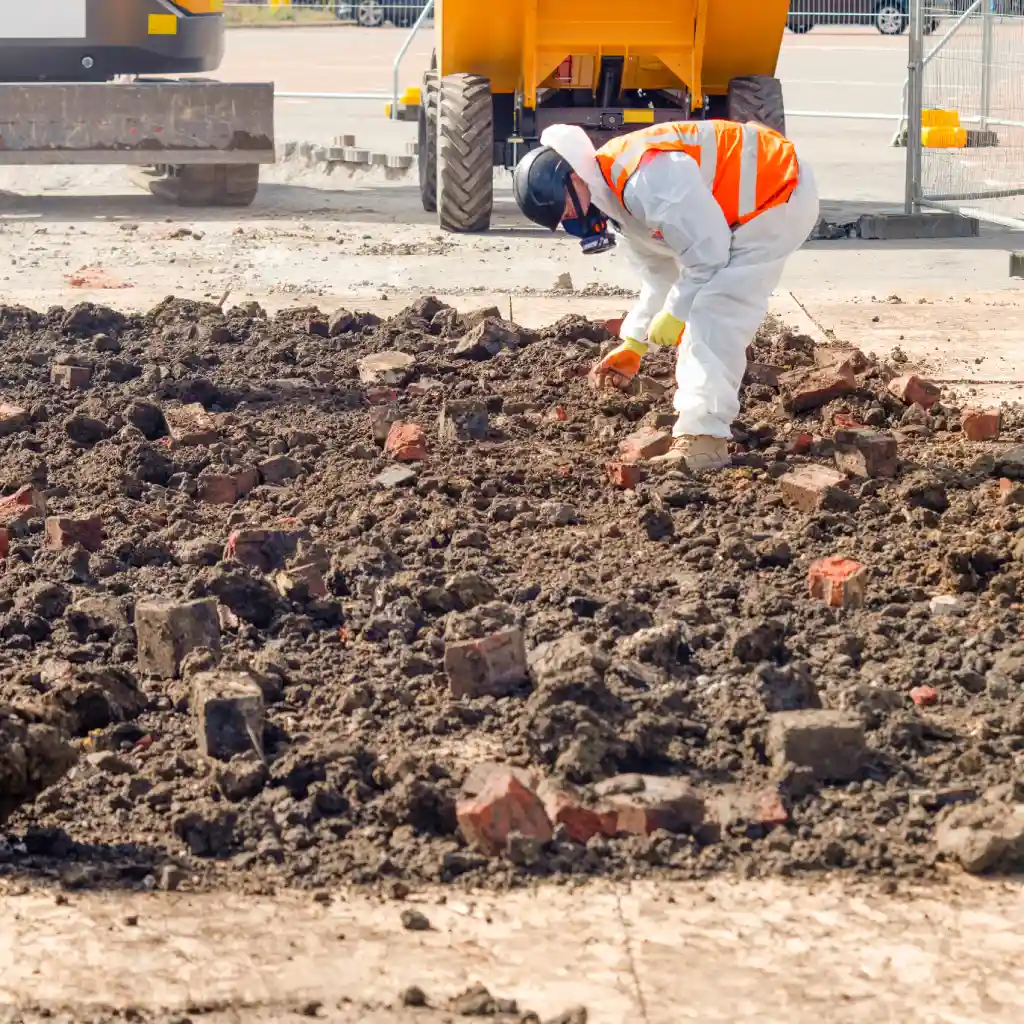
Why property owners nationwide recommend Ideal Response
Discover why property owners nationwide trust Ideal Response for expert, damp surveys, hoarder cleaning, mould removal, and flood or fire restoration. Our clients consistently praise our rapid response, technical precision, and compassionate service that makes recovery stress-free.
EXCELLENTTrustindex verifies that the original source of the review is Google. Dave was a very helpful and friendly man would highly recommend himPosted onTrustindex verifies that the original source of the review is Google. Absolutely rapid response time, cleared out flooded house is record time. Dave and Miguel, cracking guys!Posted onTrustindex verifies that the original source of the review is Google. Words cannot describe how happy I am with the service provided. From the very first interaction with Kash to the end, I couldn’t have asked for more. Kash was so compassionate and helpful and despite it being a Sunday night, I had everything booked in for the very next morning. Steve and Dave were the team at my property and they were so professional, discreet yet extremely personable, keeping me informed throughout and going above and beyond anything I could have imagined. I’m so thankful for everything they did for me, it is phenomenal! Couldn’t have asked for a better service or better people. Thank you!Posted onTrustindex verifies that the original source of the review is Google. I can’t recommend the team at Ideal Response enough! Kash was lovely and so helpful with getting a clean booked promptly, and Dan and Sam did a phenomenal job of cleaning the flat out and helping to get everything organised. Dan went out of his way to keep me updated through the whole process, and was always reassuring. The whole team have been nothing but professional and compassionate, and truly transformed the space. Forever grateful for their hard work and wouldn’t hesitate to recommend to anyone!Posted onTrustindex verifies that the original source of the review is Google. Steve and Dan were absolutely brilliant from start to finish. They came out quickly, assessed the damage, and got straight to work installing dehumidifiers and lifting the flooring to help dry my house out. They explained everything clearly, kept me updated throughout, and were so respectful of my home. Their professionalism, efficiency, and friendly attitude made a really stressful situation so much easier to deal with. You can tell they genuinely care about doing a proper job. I’m so grateful for their hard work and would highly recommend them to anyone needing help with water damage or drying services. Thanks again, Steve and Dan — you were amazing! 🙌Posted onTrustindex verifies that the original source of the review is Google. Steve & Josh provided first class help and service so grateful thank you.Posted onTrustindex verifies that the original source of the review is Google. Steve and Dave were excellent from start to finish, from phoning ahead of time to let me know when they would be arriving..To keeping me informed about each stage of the process. They were good at communicating and were very reassuring and they did an excellent job.Posted onTrustindex verifies that the original source of the review is Google. The team were amazing! Steve and Dave did a fantastic job of clearing my relative’s house after he died and we discovered he’d been a serial hoarder. They were really professional but also understanding and supportive which made a real difference to an otherwise very distressing situation. And thanks also to Kash in the office for organising the visit so promptly. I’ve been telling all my friends about Ideal Response and wouldn’t hesitate to recommend them to anyone in a similar situation.Posted onTrustindex verifies that the original source of the review is Google. Steve was fantastic, would use again !Verified by TrustindexTrustindex verified badge is the Universal Symbol of Trust. Only the greatest companies can get the verified badge who has a review score above 4.5, based on customer reviews over the past 12 months. Read more
Expert WAC testing & waste classification
Accurate WAC testing isn’t just a formality, it protects your project from rejected loads, delays, and compliance risks. From contaminated soil to demolition arisings and industrial residues, waste classification errors can be expensive. Ideal Response provides reliable WAC testing for contractors, remediation projects, environmental consultants, and industrial operators.
- Trusted expertise: We coordinate sampling and laboratory analysis for all material types, ensuring results are accurate, defensible, and compliant with UK landfill acceptance criteria.
- Rapid turnaround: WAC testing is often time-sensitive. We work efficiently to keep your project on schedule.
- Compliant & documented: Testing follows accredited procedures, with full reporting and certificates suitable for landfill operators, regulators, or project audits.
- Environmentally responsible: Sampling and testing processes are designed to be representative and support responsible disposal.
- Peace of mind: From consultation to final report, we manage the WAC testing process clearly and reliably, helping you make the right disposal decisions the first time.
What is WAC testing?
WAC stands for Waste Acceptance Criteria. It is the testing framework used to determine whether waste can legally be accepted at a specific class of landfill.
The analysis measures contaminant levels and leachability characteristics to assess how materials behave once disposed of. Results determine whether waste qualifies as inert, non-hazardous or hazardous under landfill regulations. Without appropriate WAC testing, landfill operators can, and often do, refuse loads. That means additional haulage, retesting and unexpected cost. Put simply, WAC testing removes uncertainty before disposal takes place.
WAC testing is not simply a laboratory exercise. It is a compliance safeguard. When handled properly, it prevents delays, protects disposal routes and provides confidence that waste has been classified correctly.
Ideal Response delivers practical, accurate WAC testing support so you can move forward with certainty.
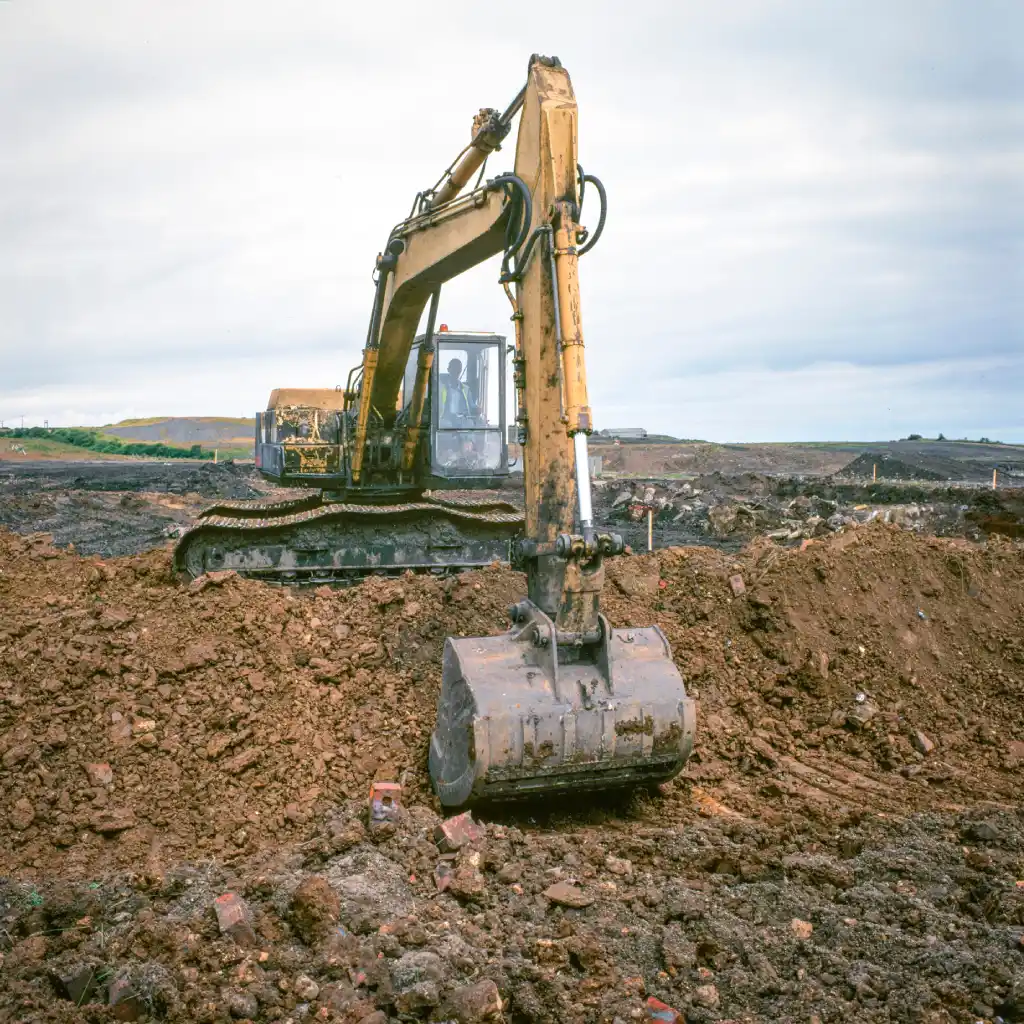
Why is WAC testing required?
WAC testing is typically required when disposing of:
- Contaminated or potentially contaminated soil
- Made ground or demolition materials
- Industrial residues
- Remediation waste
- Hazardous or mirror entry waste streams
If a site has a history of industrial use, fuel storage, manufacturing or unknown fill material, WAC testing is often a prerequisite for lawful disposal.
It is also required where landfill operators request formal confirmation that material meets acceptance criteria. Without it, disposal routes may be restricted.
Who we support
Our WAC testing service supports:
- Construction and groundworks contractors managing excavation arisings
- Environmental consultants overseeing remediation projects
- Developers discharging planning conditions
- Industrial operators disposing of process residues
- Waste producers requiring compliant landfill acceptance
We understand that testing often sits within a wider programme of works. Our role is to provide reliable classification without becoming a bottleneck.
Why accurate testing matters
Incorrect classification can cause immediate and expensive disruption.
Rejected loads mean standing time, double handling and additional transport costs. Misclassification can also expose waste producers to enforcement action or regulatory scrutiny.
Accurate WAC testing ensures waste is directed to the correct disposal route the first time. It protects your programme, your budget and your compliance position.
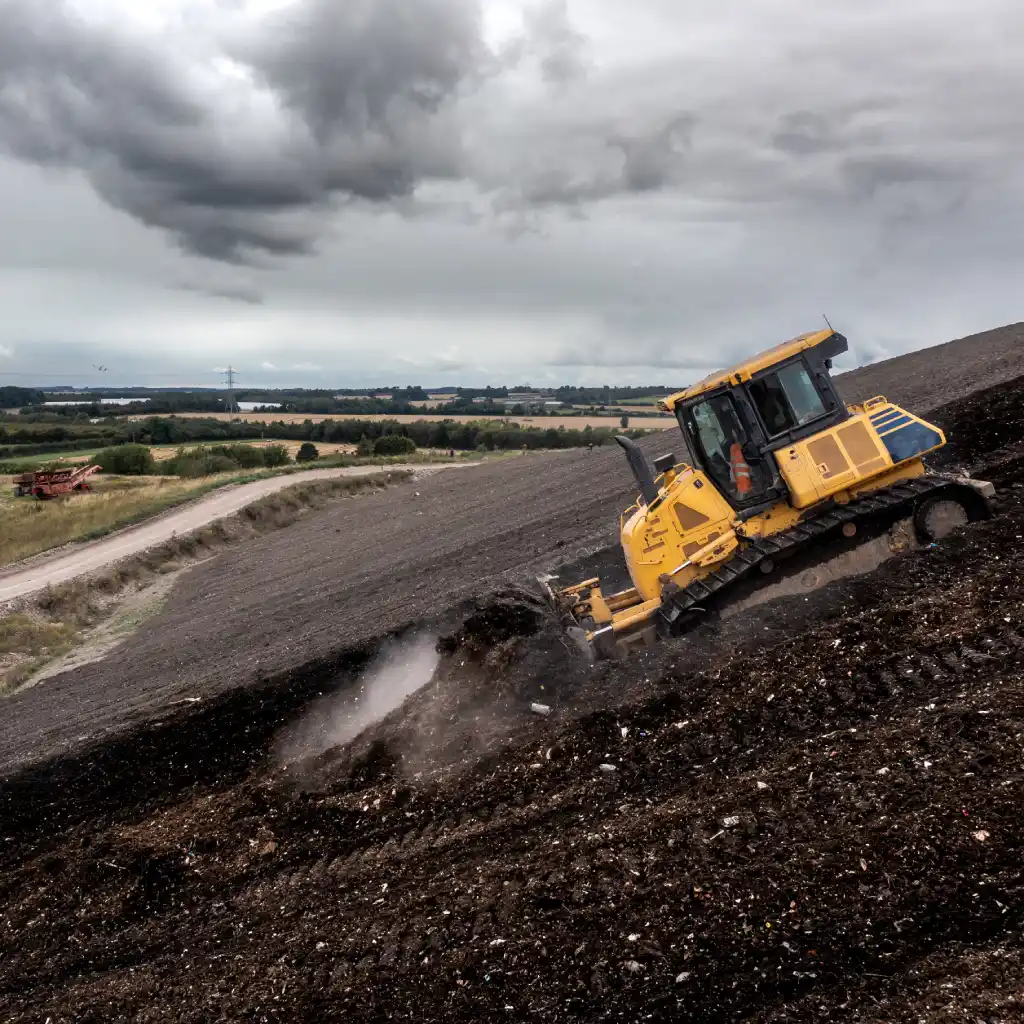
Our WAC testing process
We keep the process practical and efficient, while ensuring technical accuracy.
Step 1
Initial review
We start by understanding your site, the material in question and your intended disposal route. Previous site investigations, chemical analysis and planning conditions are reviewed to determine what testing is actually required.
This avoids unnecessary analysis and keeps costs proportionate.
Step 2
Sampling strategy
Correct sampling is critical. Poor sampling leads to unreliable results.
We ensure samples are representative of the waste stream, whether that involves stockpiled soil, excavated material or segregated waste. Where required, we coordinate with site teams to minimise disruption to programme.
Step 3
Laboratory analysis
Samples are sent to accredited laboratories for WAC-specific testing, including leachate analysis where required.
Testing may include heavy metals, sulphates, dissolved solids, hydrocarbons and other contaminants relevant to the material type. The scope is determined by regulation and site context, not guesswork.
Step 4
Interpretation & classification
Numbers alone don’t classify waste. They need to be interpreted correctly.
We review laboratory results against landfill acceptance criteria and confirm whether the material meets inert, non-hazardous or hazardous thresholds. Where results are borderline or complex, we provide clear explanation so you understand your disposal options.
Step 5
Reporting & documentation
You receive a clear, structured report suitable for submission to landfill operators, environmental consultants or regulatory bodies.
Documentation is concise, defensible and aligned with current waste classification guidance. If questions arise from third parties, we support you in addressing them.
WAC testing FAQs
What does WAC stand for?
WAC stands for Waste Acceptance Criteria. It is the regulatory framework used to determine whether waste can be accepted at inert, non-hazardous or hazardous landfill facilities.
Is WAC testing legally required?
WAC testing is required where landfill operators request formal confirmation that material meets their acceptance criteria. In practice, most contaminated or suspect soil cannot be disposed of at landfill without WAC verification.
What is the difference between waste classification and WAC testing?
Waste classification determines whether a material is hazardous or non-hazardous under waste regulations. WAC testing determines whether that waste meets the specific acceptance criteria for a particular landfill class. Both are often required before disposal.
How long does WAC testing take?
Timescales depend on laboratory scheduling and the scope of analysis. Standard turnaround is typically several working days, but urgent testing can sometimes be arranged. Early coordination helps prevent programme delays.
What happens if waste fails WAC testing?
If results exceed the landfill’s acceptance thresholds, the material may need to be redirected to a different class of landfill or subject to further assessment. Early testing reduces the risk of rejected loads and standing transport costs.
Can soil pass waste classification but fail WAC?
Yes. A material may be classified as non-hazardous but still exceed leaching limits for inert landfill. This is why WAC testing is a separate and essential step before disposal.
Who is responsible for arranging WAC testing?
Responsibility usually sits with the waste producer, which may be the contractor, developer or site operator. Landfill operators require documented evidence before accepting material.
What contaminants are typically tested under WAC?
Testing commonly includes heavy metals, sulphates, chlorides, hydrocarbons and leachate characteristics. The exact suite depends on the material type and disposal route.
Let’s get your property looking its best
Related reading: Understanding waste management
Alongside our professional fly tipping removal services, Ideal Response provides practical guides and expert insights covering illegal waste management, hazardous waste handling, site compliance, and environmental responsibilities. Our articles help landowners, councils, and facilities managers understand legal obligations, maintain safe sites, and prevent environmental hazards associated with fly tipping.
Get expert support
No matter if you have a question you need to ask or have an emergency that you need help with, call:
0800 088 4170
If you’d prefer to drop us a message, fill out the enquiry form and we’ll get back to you as soon as possible.
Request a call back


