
Awaab’s Law (2025): Tenant Rights and What to Expect
- Tenants
From 27 October 2025, Awaab’s Law gives social housing tenants new legal protections against unsafe housing conditions, particularly damp and mould.
It ensures landlords must act within fixed timeframes, communicate clearly, and treat every report of mould or damp as a health and safety issue, not just a standard maintenance task.
This page explains what Awaab’s Law means for tenants, how to report issues, your rights to follow-up, and how Ideal Response supports safe living conditions nationwide.
Alternatively, call us on 0800 088 4170
What Awaab’s Law means for tenants
Awaab’s Law ensures that tenants have clear, enforceable rights.
When you report damp, mould, or related hazards to your landlord or housing association, they must now act within strict legal deadlines.
Legal timeframes
- Investigate within 10 working days of your report.
- Provide written findings within 3 working days after inspection.
- Start repairs within 5 working days once the issue is confirmed.
- Make safe any emergency hazard within 24 hours.
- Offer temporary accommodation if the property is unsafe to occupy.
These timeframes apply to social landlords now, and similar standards will soon apply to private rentals. If deadlines are missed, tenants can escalate the matter to their council or the Housing Ombudsman.
Understanding damp and mould
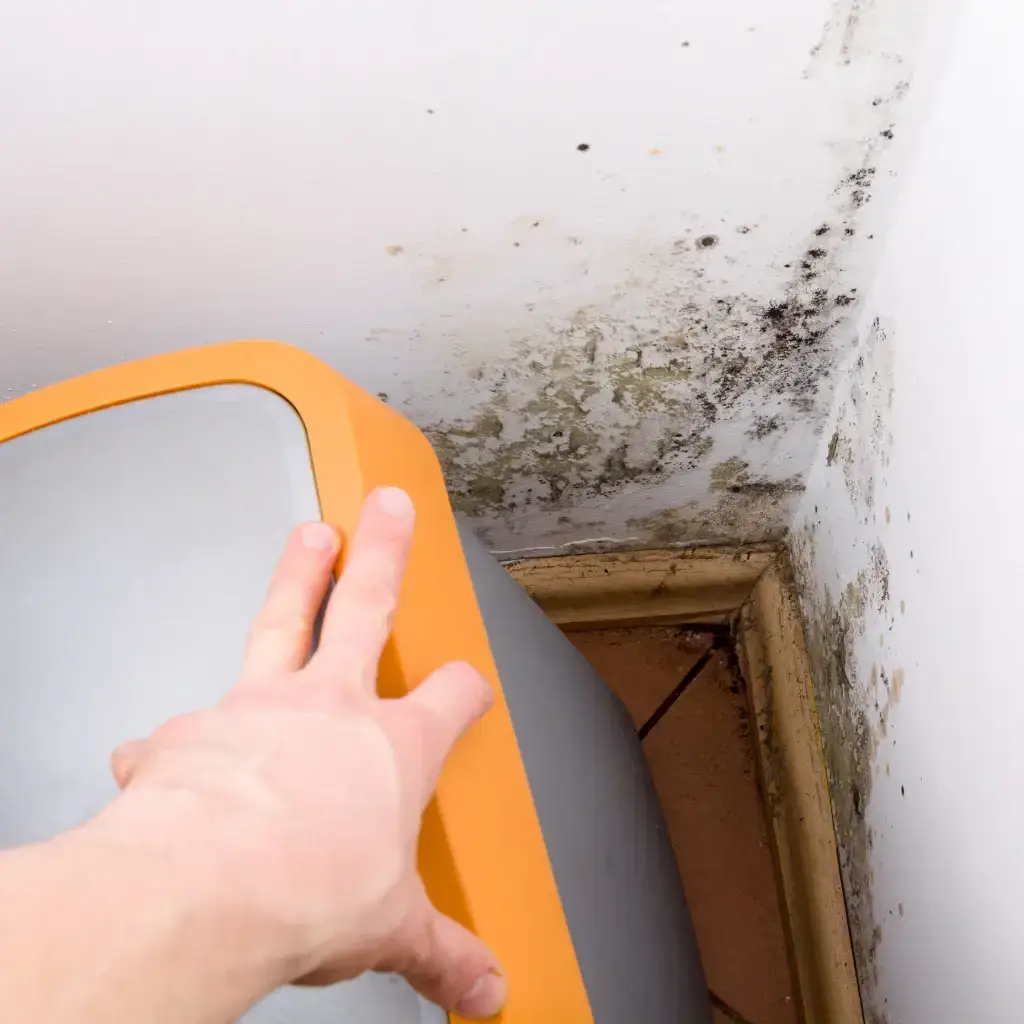
Damp and mould are more than cosmetic issues, they’re health hazards. Mould spores can irritate the lungs, trigger asthma, and worsen existing respiratory conditions.
Common signs of damp and mould
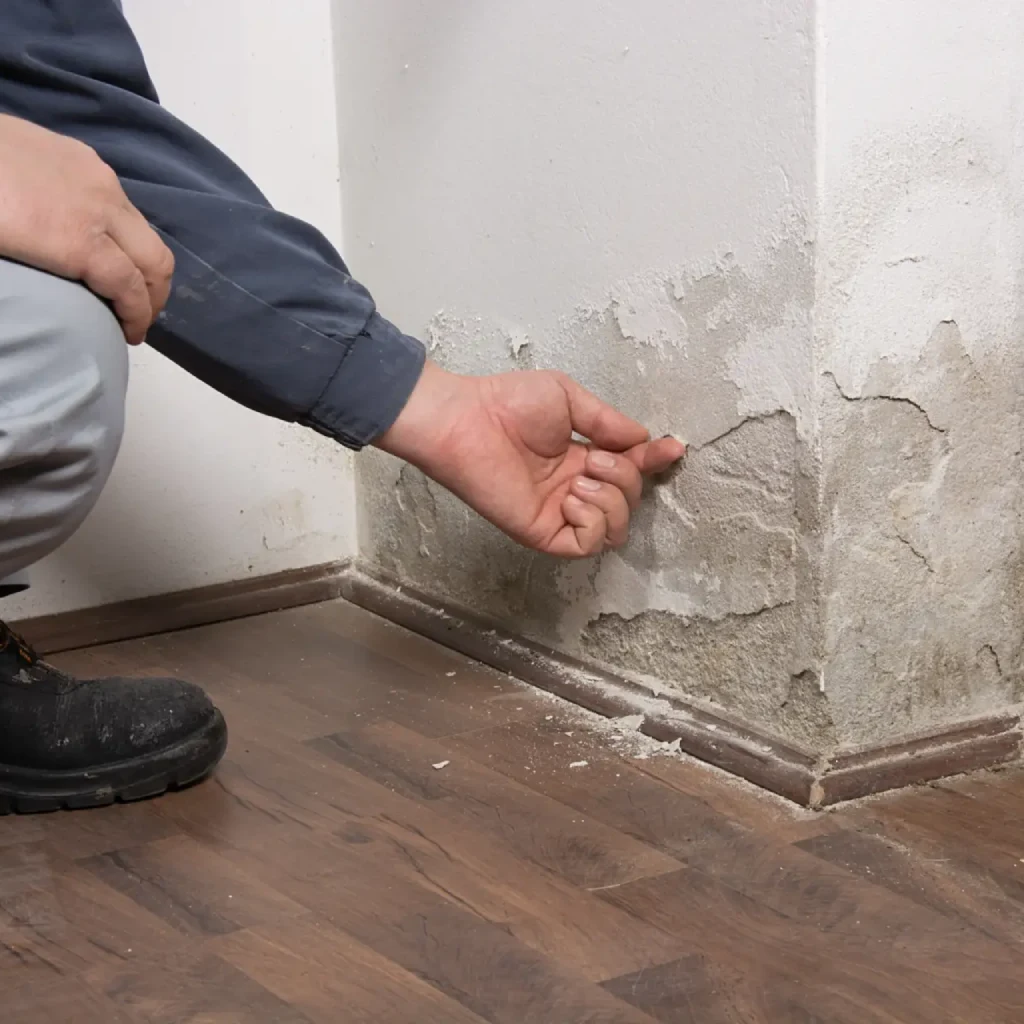
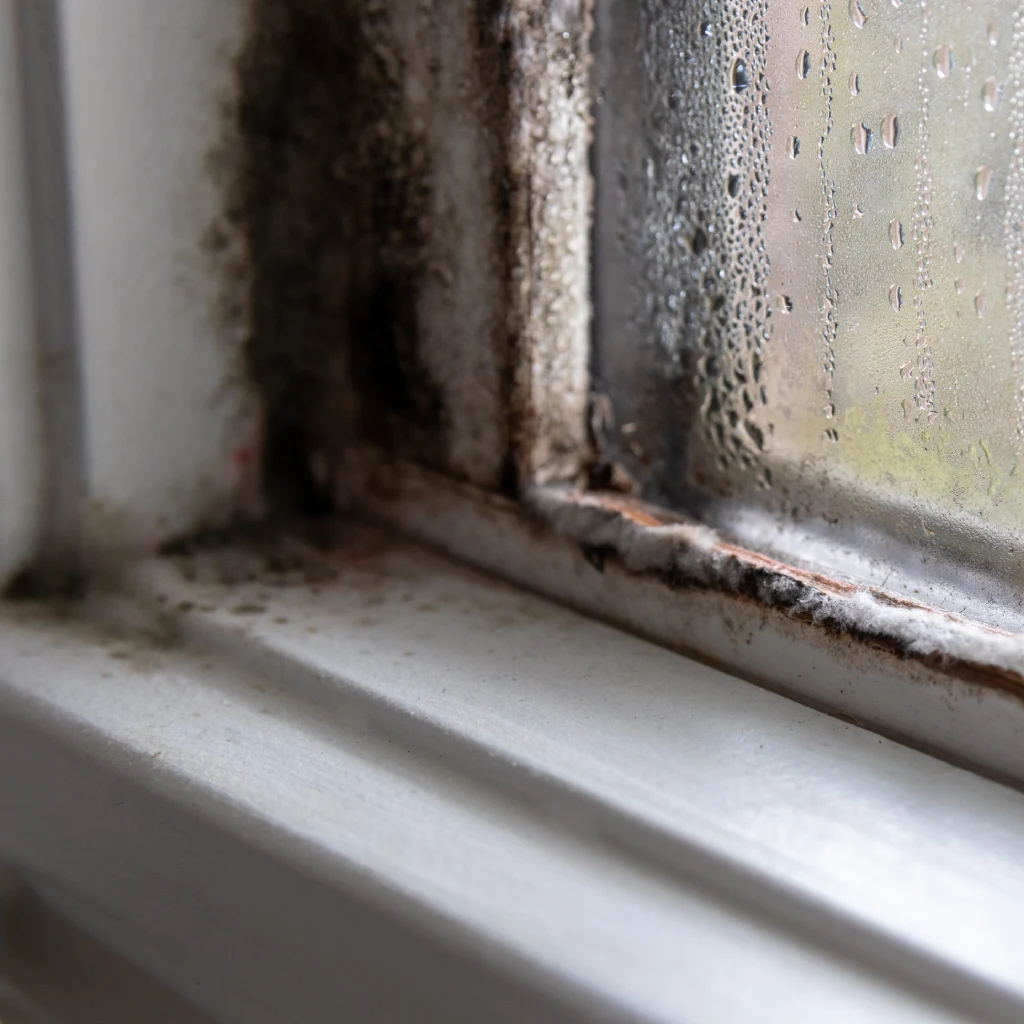
- Black or green patches on walls and ceilings.
- Musty odours or persistent condensation.
- Peeling wallpaper or bubbling paint.
- Damp clothes or bedding even after drying.
- Visible mould on furniture, especially near exterior walls.
If you notice any of these, report them immediately. Early reports help landlords act before the issue worsens.
How to report damp and mould
You have the right to report any damp, mould, or unsafe housing conditions, and your landlord must respond. Follow these steps to protect yourself and create a clear record.
Step 1: Record the problem
- Take clear, date-stamped photos or videos showing where the problem is.
- Note any smells, leaks, or condensation, and record health symptoms (such as coughing or chest irritation) that may be linked.
Step 2: Report in writing
- Send an email or letter to your landlord, housing officer, or managing agent.
- Describe the issue clearly, include your evidence, and request an inspection.
- Keep a copy of everything you send.
Step 3: Keep a log
- Maintain a simple log of dates: when you reported the issue, when the landlord responded, and any appointments or delays.
- A written record is your strongest protection if the matter escalates.
Step 4: Follow up
- If there’s no action within 10 working days, send a polite follow-up email referencing your original message.
- If still nothing happens, start a formal complaint.
Step 5: Escalate if needed
If repairs are delayed or ignored, you have the right to escalate:
Formal complaint
- Request your landlord’s complaints policy and follow it. They must acknowledge and respond within their stated time (usually 10–15 working days).
Contact your local council
- If unresolved, contact your local authority housing or environmental health team. They can inspect your home and issue enforcement notices requiring repairs.
Housing ombudsman
- If your landlord is a social housing provider and has failed to act even after a complaint, contact the Housing Ombudsman Service.
They can investigate, enforce repairs, and recommend compensation.
Tenant responsibilities and health awareness
Awaab’s Law encourages shared responsibility between landlords and tenants. While landlords must act quickly, you can help prevent problems and protect your health by staying proactive.
Tenant responsibilities
- Report issues promptly – don’t wait for problems to worsen.
- Allow access – landlords can’t fix what they can’t inspect.
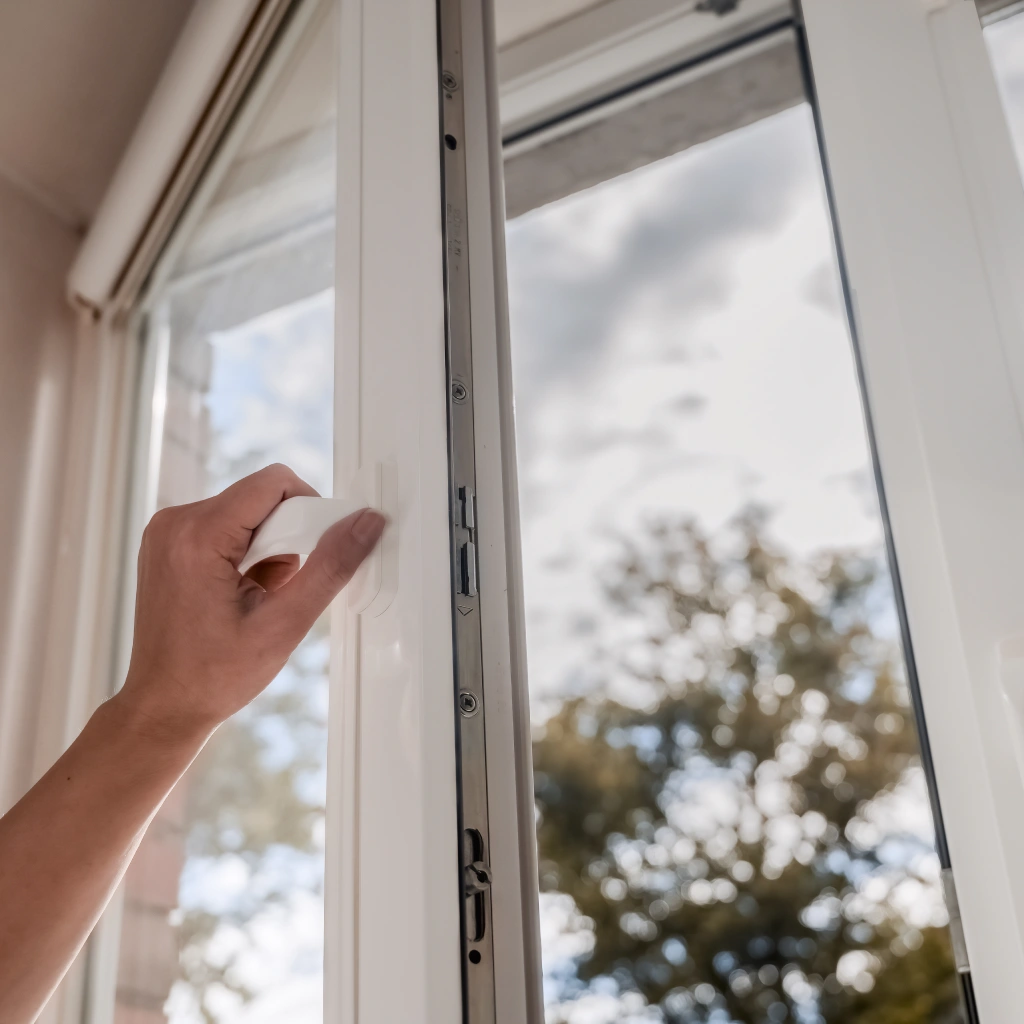
- Ventilate regularly – open windows briefly or use extractor fans daily.
- Avoid blocking air vents or trickle vents.
- Use heating consistently in colder months to avoid condensation build-up.
- Keep records of your reports and responses.
Health awareness
Prolonged exposure to mould can cause: persistent coughing, skin irritation, fatigue, and headaches.
If symptoms develop, contact your GP and mention the mould problem. Your doctor can record it in your notes which is useful evidence if you need to prove health impact later.
How Ideal Response helps tenants
While Ideal Response works mainly with landlords and housing providers, our mission is to help ensure every tenant lives in a safe, healthy home.
When your landlord appoints us, you can trust that every inspection and treatment will be carried out professionally, safely, and with respect for your space.
Our role in tenant safety
Independent damp and mould surveys
- Our certified surveyors conduct in-depth investigations to identify exactly what’s causing the issue, whether it’s leaks, poor insulation, or inadequate ventilation.
- We provide landlords with regulator-ready reports and clear action plans.
Safe, certified remediation
- We use HEPA filtration, containment barriers, and antimicrobial treatments to remove mould safely.
- Our team isolates work zones and tests air quality before and after treatment to ensure your home is safe to return to.
Transparent communication
- We explain what’s being done, when it will happen, and how we’re keeping you safe throughout.
- Our goal is to make remediation stress-free for residents.
Why tenants trust Ideal Response
- Certified & safe: Accredited technicians using professional containment and cleaning methods.
- Health-Focused: Every project aligns with Awaab’s Law safety principles.
- Clear communication: Updates at every stage of inspection and remediation.
- Respectful service: We work carefully and cleanly, with minimal disruption.
- Trusted nationwide: Over 20 years improving housing conditions across the UK.
Act early. Reduce risk. Protect your home.
Why property owners nationwide recommend Ideal Response
Discover why property owners nationwide trust Ideal Response for expert, damp surveys, hoarder cleaning, mould removal, and flood or fire restoration. Our clients consistently praise our rapid response, technical precision, and compassionate service that makes recovery stress-free.
EXCELLENTTrustindex verifies that the original source of the review is Google. Dave was a very helpful and friendly man would highly recommend himPosted onTrustindex verifies that the original source of the review is Google. Absolutely rapid response time, cleared out flooded house is record time. Dave and Miguel, cracking guys!Posted onTrustindex verifies that the original source of the review is Google. Words cannot describe how happy I am with the service provided. From the very first interaction with Kash to the end, I couldn’t have asked for more. Kash was so compassionate and helpful and despite it being a Sunday night, I had everything booked in for the very next morning. Steve and Dave were the team at my property and they were so professional, discreet yet extremely personable, keeping me informed throughout and going above and beyond anything I could have imagined. I’m so thankful for everything they did for me, it is phenomenal! Couldn’t have asked for a better service or better people. Thank you!Posted onTrustindex verifies that the original source of the review is Google. I can’t recommend the team at Ideal Response enough! Kash was lovely and so helpful with getting a clean booked promptly, and Dan and Sam did a phenomenal job of cleaning the flat out and helping to get everything organised. Dan went out of his way to keep me updated through the whole process, and was always reassuring. The whole team have been nothing but professional and compassionate, and truly transformed the space. Forever grateful for their hard work and wouldn’t hesitate to recommend to anyone!Posted onTrustindex verifies that the original source of the review is Google. Steve and Dan were absolutely brilliant from start to finish. They came out quickly, assessed the damage, and got straight to work installing dehumidifiers and lifting the flooring to help dry my house out. They explained everything clearly, kept me updated throughout, and were so respectful of my home. Their professionalism, efficiency, and friendly attitude made a really stressful situation so much easier to deal with. You can tell they genuinely care about doing a proper job. I’m so grateful for their hard work and would highly recommend them to anyone needing help with water damage or drying services. Thanks again, Steve and Dan — you were amazing! 🙌Posted onTrustindex verifies that the original source of the review is Google. Steve & Josh provided first class help and service so grateful thank you.Posted onTrustindex verifies that the original source of the review is Google. Steve and Dave were excellent from start to finish, from phoning ahead of time to let me know when they would be arriving..To keeping me informed about each stage of the process. They were good at communicating and were very reassuring and they did an excellent job.Posted onTrustindex verifies that the original source of the review is Google. The team were amazing! Steve and Dave did a fantastic job of clearing my relative’s house after he died and we discovered he’d been a serial hoarder. They were really professional but also understanding and supportive which made a real difference to an otherwise very distressing situation. And thanks also to Kash in the office for organising the visit so promptly. I’ve been telling all my friends about Ideal Response and wouldn’t hesitate to recommend them to anyone in a similar situation.Posted onTrustindex verifies that the original source of the review is Google. Steve was fantastic, would use again !Verified by TrustindexTrustindex verified badge is the Universal Symbol of Trust. Only the greatest companies can get the verified badge who has a review score above 4.5, based on customer reviews over the past 12 months. Read more
FAQs: Tenant rights under Awaab’s Law
Does Awaab’s Law apply to private tenants?
Not yet. Awaab’s Law currently applies to social housing providers from October 2025. However, the Renters’ Rights Bill (2026–27) is expected to bring similar timelines and enforcement powers to private rentals. If you rent privately, it’s still wise to report and record damp or mould issues following Awaab’s Law standards because they’re rapidly becoming best practice across the UK.
What counts as an emergency under Awaab’s Law?
Emergencies include any issue that poses an immediate risk to health or safety, such as active leaks, severe black mould, or electrical hazards caused by damp. Under the law, landlords must make the situation safe within 24 hours, even if full repairs take longer. They must also provide temporary accommodation if the home cannot be made safe right away.
What if my landlord blames me for condensation or mould?
Landlords can no longer dismiss mould complaints as “tenant lifestyle issues” without proof. Awaab’s Law requires them to investigate all structural or ventilation causes first, using proper inspections or surveys. If they can’t show clear evidence that the issue is due to misuse, they remain responsible for remediation.
Can Ideal Response inspect my property directly?
Yes, if your landlord authorises it, Ideal Response can perform an independent mould and damp survey. Our certified technicians provide detailed, unbiased reports explaining the root cause of the issue and what needs fixing. These reports are often used by housing officers, insurers, and ombudsman cases as professional evidence.
Can I stop paying rent if my landlord ignores mould?
You should not stop paying rent without formal advice, as doing so could breach your tenancy agreement. Instead, follow the correct escalation process; report, log, complain, and contact your local council or the Housing Ombudsman. If your landlord fails their legal duties, you may later be eligible for compensation or rent reimbursement through official channels.
Will my landlord get in trouble for not fixing damp quickly?
Yes. Social landlords who ignore damp and mould can face Ombudsman investigations, regulatory enforcement, and reputational damage. Private landlords risk improvement notices, fines, and rent-repayment orders once the Renters’ Rights Bill comes into force. Failure to act on damp or mould is now treated as a serious housing breach, not a minor maintenance issue.
Can I arrange my own survey or inspection?
Yes. If your landlord isn’t responding, you can commission an independent damp or mould survey yourself. This gives you professional, impartial evidence to present to the council or Ombudsman. Ideal Response regularly provides such reports to support both tenants and housing officers in resolving long-standing disputes.
How long should mould removal take once repairs start?
Minor cases can often be resolved in a few days, while larger projects involving leaks or wall drying may take longer. Under Awaab’s Law, landlords must start remediation within five working days once the problem is confirmed. They must also keep you updated on progress and expected completion timelines.
What if the problem keeps coming back after repairs?
Recurrent mould usually means the underlying cause wasn’t fixed, for example, poor ventilation, insulation gaps, or hidden leaks. You should report the recurrence immediately and request a new inspection. Your landlord remains responsible for ensuring a permanent solution, not just surface cleaning.
Who can I contact for independent help?
These organisations can advise you on your rights, support escalation, and help ensure your landlord complies with Awaab’s Law.
- Shelter: Free housing advice and legal support
- Citizens Advice: Guidance on tenants’ rights and housing law
- Housing Ombudsman Service: For unresolved complaints against social landlords
- Local Council: Environmental Health or Housing Enforcement can inspect and issue notices
Need support with mould or damp?
Disclaimer
This page reflects draft guidance as of October 2025. Final details may change; always check the latest Government publications.