Christmas should be a season of warmth, celebration, and downtime, but winter is also when the UK experiences its highest number of fire incidents. Overloaded sockets, festive lighting, commercial kitchens working flat-out, and homes filled with decorations and heaters all raise the risk. A single mistake can derail the entire holiday period.
And the flames are only the beginning.
Once the fire is out, smoke infiltrates every corner of a building, soot settles onto walls and equipment, and water from firefighting efforts saturates floors, insulation, and structural timbers. For families, this disrupts Christmas entirely. For businesses, it can halt operations during the busiest trading weeks of the year.
Whether the fire occurs at home or on commercial premises, everyone faces the same question:
‘How fast can we make this safe again?’
This guide explains the hidden dangers of winter fire damage, practical steps for recovery, and why working with a professional restoration service like Ideal Response ensures homes and businesses are back to normal quickly, safely, and fully insured.
Skip to:
Why winter fires cause so much disruption
Hidden damage after a winter fire
How restoration differs for homes vs businesses
Act fast to protect your home or business after a winter fire
Why winter fires cause so much disruption
Winter fires are more destructive not only because they happen more frequently, but because the seasonal conditions make the resulting damage complex and far-reaching.
According to the UK Home Office, domestic fires rise by over 40% in December, with kitchens alone accounting for 42% of incidents. Meanwhile, UK Fire & Rescue Service data indicates that hospitality venues see a 30 – 35% increase in fire incidents over Christmas, often due to temporary staffing and the high usage of kitchen equipment.
Winter fires don’t just threaten property; they pose serious safety risks. Smoke inhalation is a leading cause of injury in residential fires, and soot can cause long-term respiratory issues if not treated properly.
The homeowner perspective
Homes face unique risks during winter:
- Electrical overloads: Lights, heaters, and festive decorations add strain to circuits.
- Open flames and candles: Common ignition sources.
- Busy kitchens: Cooking is the number one cause of domestic fires.
- Dry Christmas trees: Ignite quickly and burn intensely.
Distraction, visitors, and seasonal activity increase the likelihood that fires will spread before anyone notices. One minor incident, like a knocked-over candle, can quickly escalate into significant property damage if not contained immediately.
The business perspective
Commercial properties face additional pressures:
- Kitchens operating at high volume, sometimes staffed by temporary personnel unfamiliar with safety procedures.
- Stockrooms packed with flammable seasonal products.
- Equipment and lighting running continuously for extended hours.
- Premises left unattended over the holidays, allowing small incidents to escalate.
Despite differing causes, winter fires produce the same destructive trio: smoke, soot, and water, each capable of causing long-term damage without professional intervention.
Hidden damage after a winter fire
Once the flames are extinguished, the damage continues silently.
Smoke behaves like a gas, infiltrating lofts, wall cavities, ventilation systems, and soft furnishings. Even rooms untouched by fire can carry a persistent odour. Without professional air quality assessment and neutralisation, smoke contamination can linger for months, making living or working conditions uncomfortable and unsafe.
Soot is both acidic and abrasive. Within 24 – 48 hours, it begins corroding plastics, metals, electronics, timber, and painted surfaces. In commercial settings, soot can render POS systems, refrigeration, and critical equipment unsafe or unusable, affecting business operations.
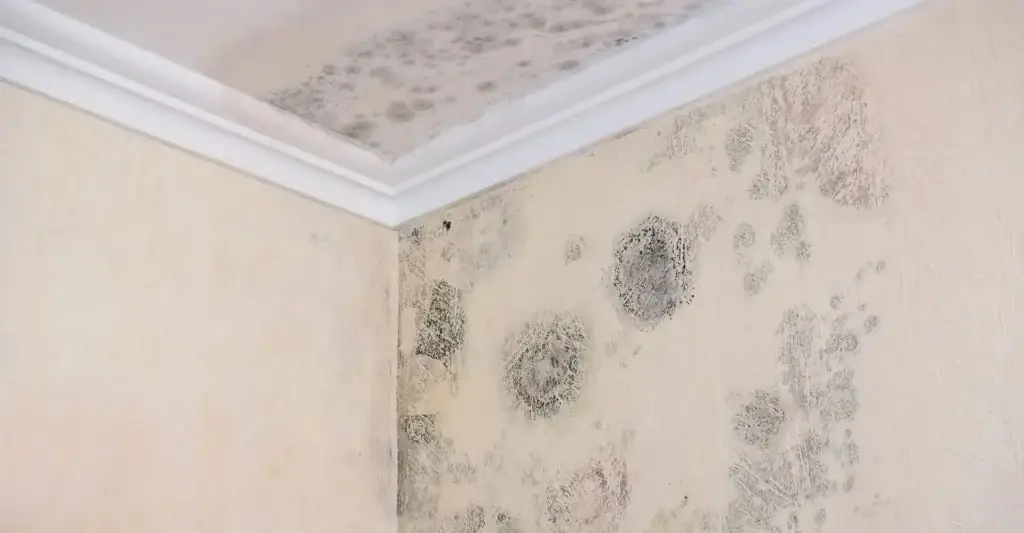
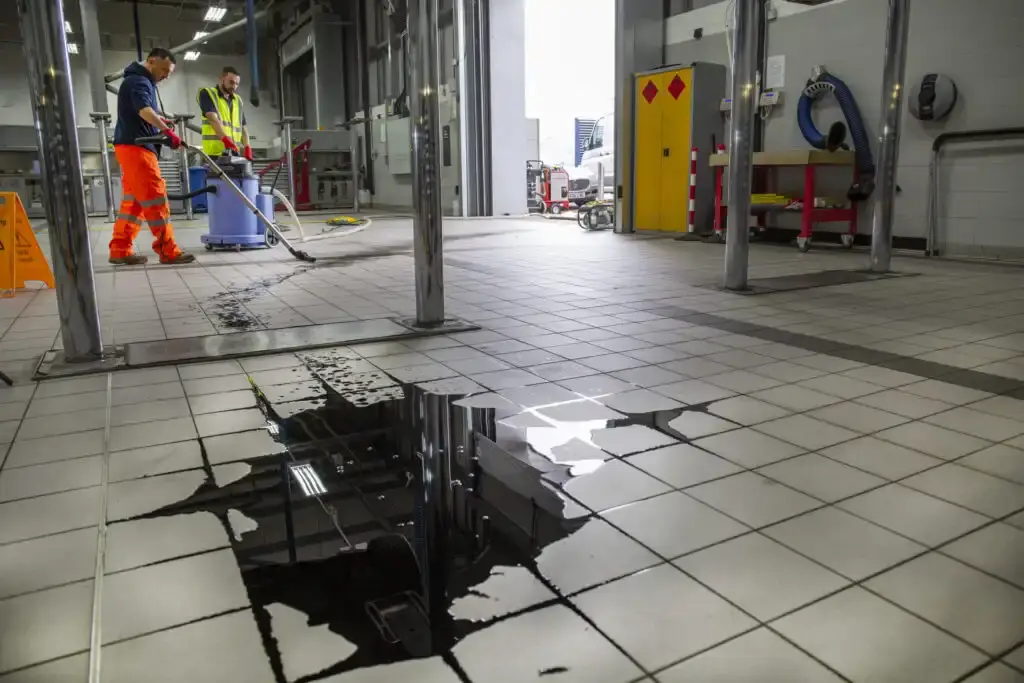
Water from firefighting is often underestimated. A typical domestic fire can see over 3,500 litres of water used. This water penetrates floors, plasterboard, insulation, and structural timbers. Without professional drying, mould can develop within 48 hours, causing structural damage and persistent odours. In commercial environments, water can damage stock, machinery, and inventory, leading to costly business interruption.
Top tip homeowners and businesses: Photograph damage immediately. This is crucial for both insurance claims and assessing which items can be salvaged.
The critical first 24 hours
The first day after a fire is pivotal. Decisions made within this window determine both the speed of recovery and the ultimate restoration costs.
- Secure the site: Board up windows, isolate utilities, and remove hazards to protect occupants, staff, and stock.
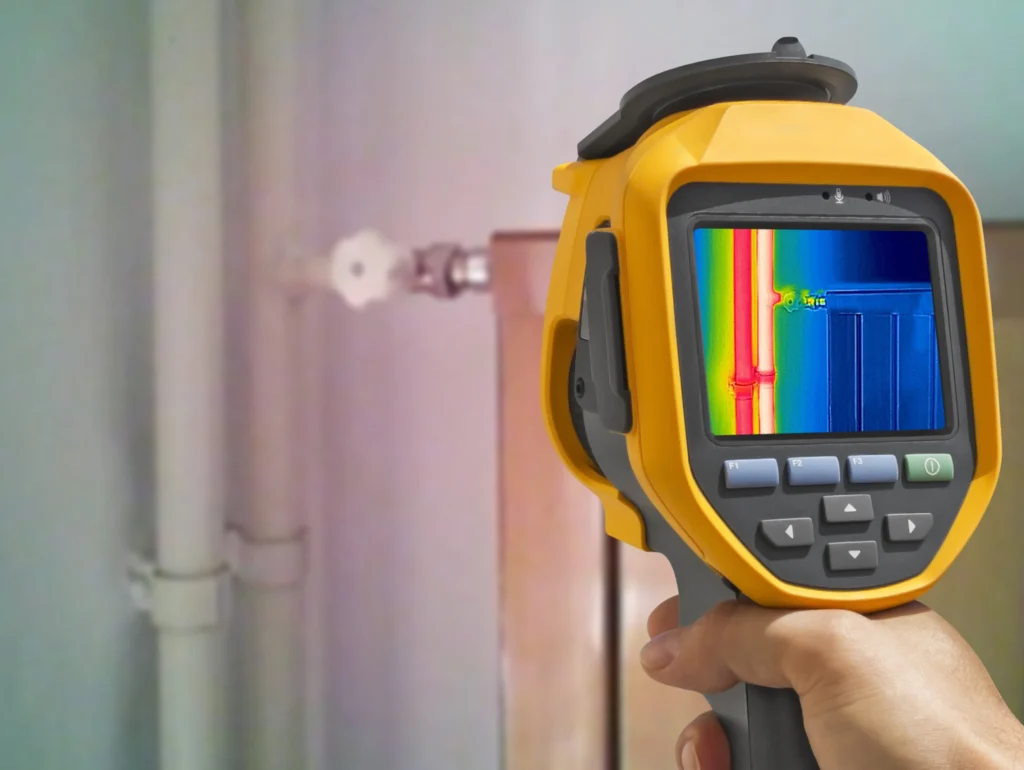
- Assess damage: Specialists use moisture mapping, thermal imaging, and air quality testing to determine the extent of smoke, soot, and water damage.
- Begin mitigation: Water extraction, soot removal, and air scrubbing prevent secondary damage.
- Document for insurance: Professional reports, photographic evidence, and drying certificates ensure claims are smooth and defensible.
Early intervention dramatically reduces long-term repair costs for both homeowners and businesses.
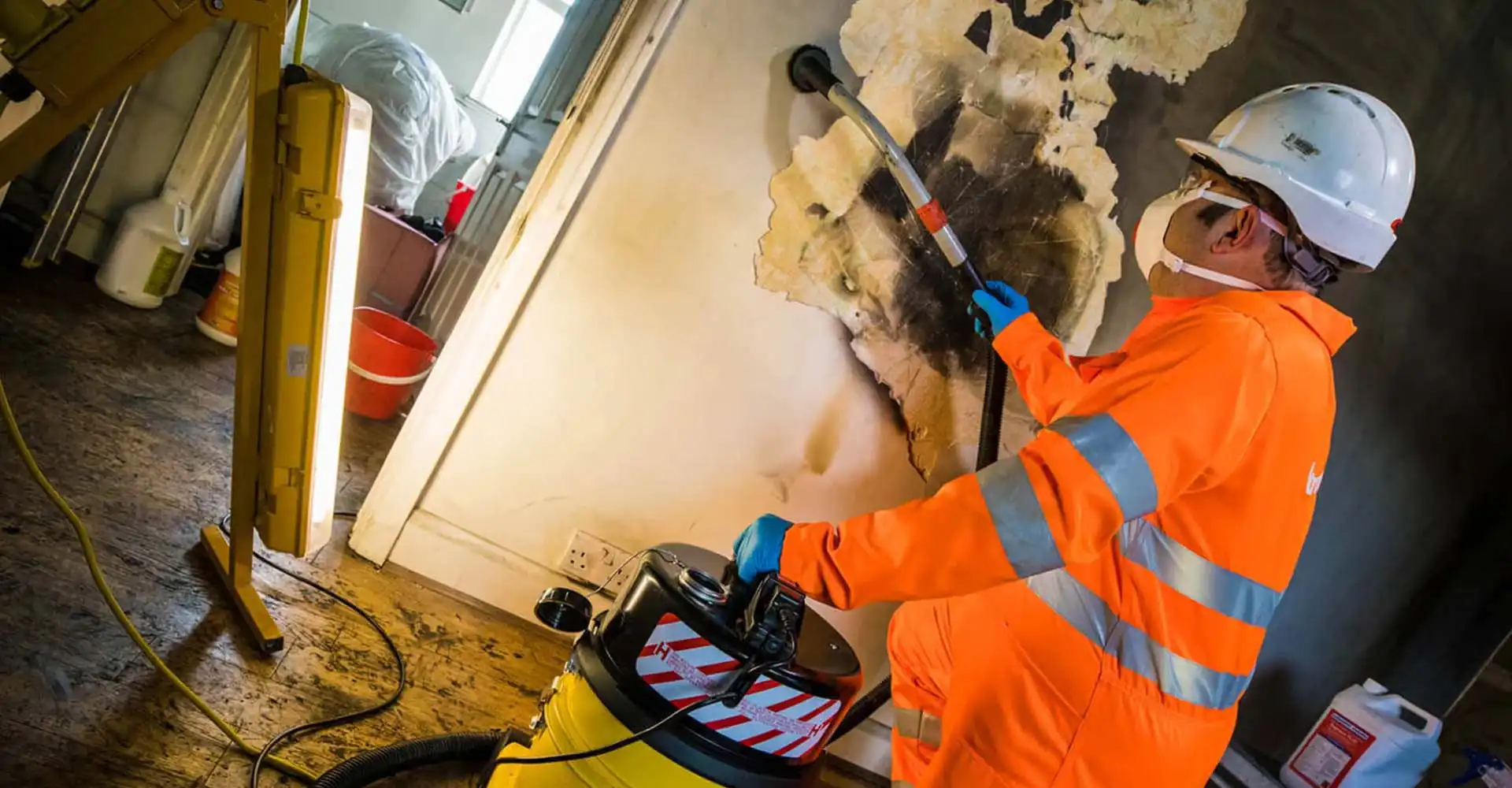
Our team handles smoke removal, soot and ash cleaning, structural specialist drying, and provides insurance-ready documentation for seamless claims.
How restoration differs for homes vs businesses
Homeowners
- Make the property safe to live in.
- Protect sentimental items and irreplaceable possessions.
- Prevent mould and long-term structural damage.
- Ensure insurance coverage and compliance.
Businesses
- Minimise operational downtime during peak trading periods.
- Protect stock, equipment, and critical assets.
- Ensure air quality is compliant for staff and customers.
- Provide detailed documentation for business interruption claims.
Ideal Response works across residential, commercial, and public sector properties to restore safety, usability, and value quickly.
How Ideal Response helps
When a winter fire strikes, every minute counts. Ideal Response provides rapid, expert fire damage restoration across the UK, combining technical precision with compassionate service. Whether it’s a family home in London or a busy commercial kitchen in Manchester, our goal is the same: restore safety, protect property, and reduce disruption.
We offer a comprehensive suite of services, tailored to the severity of the incident:
- 24/7 emergency callouts: Our teams can be on-site within hours, ensuring quick containment of damage. For example, in one London apartment, we secured the property within 90 minutes of the fire, preventing further water and smoke spread.
- Smoke and soot removal: From walls and ceilings to commercial equipment, our specialists remove corrosive soot before it causes permanent damage. In a recent Manchester bakery fire, we salvaged ovens and refrigeration units that might otherwise have been condemned.
- Air scrubbing and odour neutralisation: Using ozone, thermal fogging, and HEPA filtration, we remove lingering smoke odours, even in hard-to-reach areas like lofts or HVAC systems. This ensures that both homes and workplaces are safe to reoccupy quickly.
- Water extraction and structural drying: Firefighting water can cause unseen destruction. Our structural drying techniques, combined with moisture mapping, prevent mould and timber warping. For example, in a Birmingham office, our rapid drying reduced downtime from weeks to just four days.
- Moisture mapping and thermal imaging: Using advanced technology, we detect hidden water and heat damage, ensuring nothing is overlooked.
- COSHH-compliant cleaning: We follow UK health and safety regulations for handling hazardous residues, protecting occupants, staff, and the environment.
- Insurance-ready reporting and certificates: Every intervention is fully documented, giving homeowners and businesses confidence that their claims will proceed smoothly.
Our approach combines technical expertise, advanced equipment, and deep knowledge of UK insurance requirements. By acting swiftly and professionally, we minimise disruption, prevent secondary damage, and restore peace of mind, whether it’s a cherished family home or a high-traffic commercial property.
Act fast to protect your home or business after a winter fire
Winter fires leave more than visible destruction. Smoke penetrates walls and soft furnishings, soot corrodes surfaces and equipment, and firefighting water can silently damage floors, insulation, and structural timbers. For homeowners, this threatens health, comfort, and irreplaceable possessions. For businesses, it can halt operations, compromise stock, and create costly downtime.
Acting quickly with a professional restoration company ensures you:
- Protect health and safety: safeguarding residents, staff, and visitors from smoke, soot, and mould hazards.
- Stay compliant with insurance and legal requirements: properly documented restoration supports smooth claims and regulatory obligations.
- Prevent permanent odours and structural damage: early intervention stops smoke odours from setting and prevents mould growth.
- Reduce long-term restoration costs: prompt, professional action minimises expensive repairs and replacement of property or stock.
Whether it’s a family home or a busy commercial property during the festive season, the goal is clear:
Restore your property safely, remove contamination effectively, neutralise odours permanently, and return to normal quickly, so you can focus on what matters most.
Talk to one of our experts 0800 088 4170
FAQs: Winter fire damage (homes & businesses)
How long does fire damage restoration take in the UK?
It depends on the severity of the fire, the amount of smoke and soot, and how much water was used by the fire service.
- Minor fires: 2 – 5 days
- Moderate fires: 1 – 3 weeks
- Severe structural fires: several weeks or more
Commercial properties often require faster turnaround, and restoration companies like Ideal Response can deploy large-scale drying, air purification, and decontamination systems to shorten downtime.
Is smoke damage dangerous if I leave it untreated?
Yes. Smoke and soot contain fine particulates and carcinogenic compounds. Left untreated, they can:
- Cause respiratory irritation
- Trigger asthma
- Permanently stain walls and ceilings
- Corrode electrical components
- Embed odours into carpets, insulation and furniture
Professional removal is essential to protect both health and property.
Will my home insurance cover fire damage restoration?
Most UK home and business insurance policies do include cover for fire, smoke and soot damage, as well as water from firefighting operations. However, insurers often require:
- Prompt reporting
- Evidence of damage
- Professional assessments
- Full restoration documentation
Ideal Response provides insurance-ready reporting and photographs to support your claim.
Can I clean fire and smoke damage myself?
It’s strongly discouraged. Soot is acidic and spreads easily, and DIY cleaning often makes the staining worse. In addition:
- Ozone and thermal fogging require trained operators
- Structural drying needs professional monitoring
- Incorrect cleaning products can permanently damage materials
For safety and insurance protection, it’s best handled by certified specialists.
How quickly should I contact a fire restoration company?
Immediately. Fire damage becomes more expensive the longer it is left:
- Soot corrosion begins within hours
- Smoke odours absorb into fabrics within 24 – 48 hours
- Firefighting water can lead to mould within 72 hours
A same-day response significantly reduces both damage and restoration costs.
What happens during the fire damage restoration process?
A reputable UK restoration company will usually follow these steps:
- Emergency attendance and safety assessment
- Extraction of firefighting water
- Smoke and soot removal
- Odour neutralisation
- Structural drying (if needed)
- Deep cleaning and decontamination
- Reinstatement and finishing work
- Insurance documentation
Each project is tailored to the type of property and extent of damage.
How do you remove smoke odours permanently?
Permanent odour removal requires more than cleaning visible surfaces. Ideal Response uses:
- HEPA air scrubbers
- Ozone treatment
- Thermal fogging
- Surface sealing (when needed)
- Deep penetration cleaning of soft furnishings
This eliminates odours at the molecular level rather than masking them.
Can businesses keep operating during fire restoration work?
Often, yes. For commercial clients, restoration teams can:
- Zone off safe operational areas
- Work out of hours
- Provide temporary ventilation and air purification
- Prioritise drying to speed up reopening
The goal is always to minimise downtime during your busiest trading periods.

Chris Hedges - Head of Marketing
With over 25 years' experience, Chris is adept at defining and driving strategy, while also enjoying hands-on operational delivery. He believes in an equal blend of creativity and analytical scrutiny, always finding inventive ways to achieve objectives, underpinned by evidence. Chris’s philosophies are simple: don't overcomplicate, always prioritise customer experience, and bend the rules just enough to cut through the noise and drive momentum and growth.