10 Fire Prevention Tips for UK Homes & Businesses | Ideal Response

Available 24/7 | 0800 088 4170

Ten top tips for preventing property fires in the UK

Preventing property fires in the UK is crucial, given thousands of incidents annually, most of which are preventable through proactive measures. Key strategies for fire safety at home or work include regular fire risk assessments and having a clear emergency evacuation plan. Essential equipment like smoke alarms must be installed and maintained, with fire safety equipment regularly tested. It’s vital to maintain electrical wiring and appliances, avoid overloading sockets, and store flammable materials safely. Specific high-risk areas like kitchens require vigilance; never leave cooking unattended, and regularly clean appliances. Additionally, ensure escape routes are clear of clutter and take steps to secure your property against arson. Prioritising these measures significantly reduces fire risks, ensuring peace of mind.

Skip to:
Fire safety in the UK
Who is responsible for fire safety?
Ten steps to reduce the risk of fire
Conclusion
FAQs

Fire safety in the UK

Fire safety is not something to take lightly. According to Home Office statistics, fire and rescue services in England attended over 150,000 fires in the year ending March 2023, with more than 26,000 occurring in homes and businesses. The consequences of a fire can be devastating, causing financial loss, emotional distress, the need for fire damage restoration and in worst cases, injury or loss of life.

The good news? Many fires are preventable. By taking proactive steps, you can significantly reduce the risk of fire in your home or business. Knowing the different UK fire classifications and the related fire extinguishers can help prevent disaster.

Who is responsible for fire safety?

If you own or manage a business property in the UK, you have a legal duty under the Regulatory Reform (Fire Safety) Order 2005 to ensure fire risks are minimised. This responsibility applies to:

  • Employers
  • Landlords
  • Property owners
  • Facilities managers
  • Building managers

For homeowners and tenants, fire safety is a shared responsibility. Simple precautions can make all the difference in protecting your loved ones and your property.
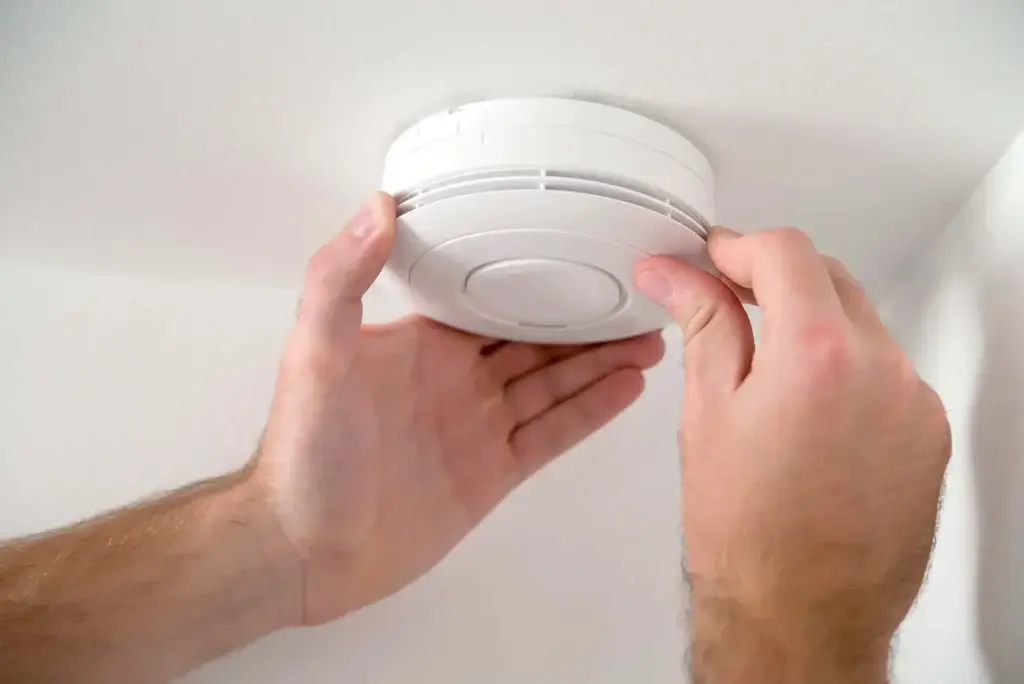
Fire alarm installation

10 steps to reduce your fire risk

  1. Conduct a fire risk assessment: Fire prevention begins with preparation. Regularly assess your property for fire risks, identifying hazards such as overloaded electrical sockets, flammable materials, and obstructed exits. If you manage a business, this is a legal requirement, and your fire risk assessment should be reviewed periodically.
  2. Install and maintain smoke alarms: Smoke alarms save lives. UK fire regulations require landlords and business owners to install smoke detection systems, but homeowners should also fit alarms on every floor of their property. Test them weekly and change batteries regularly.
  3. Have an emergency plan and train your staff: If a fire occurs, do you and your staff or family members know what to do? Develop a clear evacuation plan, practice fire drills, and ensure everyone understands how to use fire extinguishers correctly.
  4. Declutter and keep escape routes clear: Blocked exits and clutter can turn a small fire into a disaster. Keep hallways, fire exits, and stairwells free of obstructions to ensure a swift escape if needed.
  5. Maintain electrical equipment and wiring: Faulty wiring and electrical appliances are a leading cause of fires in UK homes and businesses. Regularly inspect and maintain electrical systems, avoiding overloaded sockets and trailing cables. In commercial properties, ensure a qualified electrician carries out periodic inspections.
  6. Store flammable materials safely: Flammable liquids and gases should be stored in designated areas, away from heat sources. In businesses that handle chemicals, appropriate safety procedures should be in place to minimise fire risks.
  7. Test fire safety equipment regularly: Fire extinguishers, emergency lighting, sprinkler systems, and alarms must be tested routinely. If any faults are detected, repair or replace equipment immediately.
  8. Reduce kitchen fire risks: Cooking appliances are a leading cause of household fires. Never leave cooking unattended, keep combustible items away from heat sources, and clean grease build-up from appliances regularly. In commercial kitchens, ensure extractor fans and ventilation systems are serviced frequently.
  9. Secure your property against arson: Arson is a real threat, particularly to businesses. Keep bins and combustible materials away from the property, install security lighting, and ensure doors and windows are locked when the premises are unattended.
  10. Keep emergency contact details visible: In the event of a fire, rapid response is crucial. Display emergency contact details clearly, including fire brigade numbers, keyholders, and insurance information.

In summary

While fire prevention measures require time and effort, they are far easier to implement than dealing with the consequences of a fire. Investing in fire safety is an investment in peace of mind.

At Ideal Response, we have been helping businesses recover from fire damage for over 20 years. If you need expert guidance on fire safety or fire damage restoration , contact us today for a free consultation.

Fire prevention FAQs

What are the essential steps for preventing property fires in the UK?
Essential steps for preventing property fires in the UK involve conducting regular fire risk assessments to identify hazards, installing and maintaining smoke alarms and other fire safety equipment, and creating a clear emergency escape plan. Key practices include ensuring electrical safety, storing flammable materials safely, reducing kitchen fire risks, keeping escape routes clear, and securing against arson.
How often should smoke alarms be tested and maintained in UK homes?
In UK homes, smoke alarms should be tested weekly to ensure they are fully operational. Batteries should be changed regularly, typically once a year, and the alarms themselves should be replaced according to the manufacturer’s guidelines, usually every ten years.
What are key tips for electrical fire safety at home or work?
For electrical fire safety, it’s crucial to regularly inspect and maintain electrical equipment and wiring, avoiding overloaded sockets and trailing cables. Ensure appliances are used according to manufacturer instructions, and in commercial properties, periodic inspections by a qualified electrician are legally required.
How can I reduce fire risks in my kitchen in the UK?
To reduce kitchen fire risks in the UK, never leave cooking unattended, especially when using high heat or oil. Keep all combustible items, such as tea towels and paper, away from heat sources, and regularly clean grease build-up from appliances, hobs, and extractor fans.
Why is a fire risk assessment important for property fire prevention?
A fire risk assessment is important because it is the foundational step in fire prevention, systematically identifying potential hazards like overloaded sockets, flammable materials, and obstructed exits. For businesses in the UK, it is a legal requirement under the Regulatory Reform (Fire Safety) Order 2005.
What should be included in a home or business fire escape plan?
A home or business fire escape plan should include clearly designated evacuation routes from all areas of the property, alternative escape options, and a designated safe meeting point outside. All occupants should practice regular fire drills and understand how to use fire extinguishers correctly.
How can I safely store flammable materials to prevent fires?
To safely store flammable materials, they should be kept in designated areas, away from any heat sources or potential ignition points. In businesses handling chemicals, specific safety procedures and appropriate storage facilities must be in place to minimise fire risks.
Picture of Chris Hedges - Head of Marketing

Chris Hedges - Head of Marketing

Chris Hedges is Head of Marketing at Ideal Response and the author of every article published on this site. With over 25 years of senior marketing experience across property, legal, and professional services sectors, Chris brings a clear, evidence-led approach to writing about fire damage, flood restoration, and specialist property remediation. His philosophy is simple: cut through the noise, respect the reader's time, and give people the information they actually need.

Speak to our team

If you’re dealing with fire damage, flooding, or an environmental incident, our team is ready to respond. No matter if you have a question or have an emergency that you need help with, call:

If you’d prefer to drop us a message, use our main contact form and upload any pictures of the incident. Would you like us to call you? Fill out the short ‘Request a call back’ form.

Request a call back
