Available 24/7 | 0800 088 4170

Classification of fire in the UK: Causes, dangers & extinguishers

In the UK, fires are classified into six distinct categories to determine the most effective extinguishing method: Class A fires involve solid combustibles like wood and paper, best tackled with water or foam; Class B fires are fuelled by flammable liquids such as petrol, requiring foam, CO2, or dry powder; Class C fires involve flammable gases like propane, ideally managed with dry powder after the gas supply is cut; Class D fires are rare metal fires needing specialised dry powder; Class E addresses fires involving electrical equipment, for which CO2 or dry powder are suitable; and Class F pertains specifically to cooking oils and fats, which are safely extinguished with a wet chemical extinguisher.

Skip to:

Fire classifications

The six classes of fire

Fire extinguisher colour codes in the UK

UK fire statistics

The aftermath of a fire

Conclusion

Fire classifications

Fires are dangerous, but did you know that not all fires are the same? In the UK, fires are classified into six different categories based on the fuel that is burning. Understanding these classifications is crucial for choosing the right method to extinguish a fire safely and effectively.

Using the wrong fire extinguisher can make a fire worse and even cause explosions or electrical shocks. That’s why fire safety training and knowledge of fire classification are essential, whether at home, in the workplace, or in industrial settings.

Let’s break down the six different classes of fire and how they should be managed.

The six classes of fire

Class A: Fires involving solid materials

Class A fires involve common combustible materials such as:

  • Paper
  • Wood
  • Textiles
  • Plastics


How to extinguish Class A fires:

  • Water extinguishers (red label) are the most effective choice as they cool down the flames.
  • Foam extinguishers (cream label) can also be used.

Class B: Fires involving liquids

Class B fires involve flammable liquids such as:

  • Petrol
  • Diesel
  • Paint
  • Alcohol
  • Oil-based liquids


How to extinguish Class B fires:

  • Foam extinguishers (cream label) create a barrier that prevents oxygen from feeding the flames.
  • Carbon dioxide (CO2) extinguishers (black label) can also be used, as they displace oxygen.
  • Dry powder extinguishers (blue label) are another option, but they should be used with caution in enclosed spaces.

Class C: Fires involving gases

Class C fires are fuelled by flammable gases such as:

  • Propane
  • Butane
  • Methane


How to extinguish Class C fires:

The first step is to shut off the gas supply to stop the fire at its source.

  • Dry powder extinguishers (blue label) are the most suitable option for Class C fires.
  • Never use water or foam extinguishers, as they can spread the flames.

Class D: Fires involving metals

Class D fires involve flammable metals, including:

  • Magnesium
  • Aluminium
  • Lithium
  • Titanium

How to extinguish Class D fires:

  • Specialised dry powder extinguishers (blue label, often labelled L2 or M28) should be used.
  • Never use water, as it can cause violent explosions.

Class E: Fires involving electrical equipment

Although technically not a separate category, electrical fires are commonly referred to as Class E. They involve:

  • Computers
  • Phone chargers
  • Wiring
  • Electric panels


How to extinguish electrical fires:

  • CO2 extinguishers (black label) are the safest option, as they do not leave residue.
  • Dry powder extinguishers (blue label) can also be used, but they may cause damage to electrical components.
  • Water-based extinguishers should never be used on live electrical fires.

Class F: Fires involving cooking oils and fats

Class F fires are typically found in kitchens and involve:

  • Deep-fat fryers
  • Vegetable oils
  • Animal fats


How to extinguish Class F fires:

  • Wet chemical extinguishers (yellow label) are the best option, as they cool the oil and create a barrier to prevent re-ignition.
  • Never use water on an oil fire, as it can cause the fire to explode and spread.

Fire extinguisher colour coding in the UK

Each type of fire extinguisher is colour-coded to ensure it is used correctly in an emergency. Using the wrong extinguisher can be dangerous, so it’s essential to train employees and family members on fire safety procedures. The UK uses the following fire extinguisher colour codes:

Extinguisher Type
Label Colour
Suitable For
Water
Red
Class A fires
Foam
Green
Class A & B fires
CO2
Black
Class B & electrical fires
Dry Powder
Blue
Class A, B, C, D & electrical fires
Wet Chemical
Yellow
Class A & F fires

Fire statistics in the UK

Understanding the risks of fire is crucial in highlighting the importance of fire classification and extinguisher usage. According to UK Government statistics:

  • In 2022, fire and rescue services in England attended over 150,000 fires.
  • 27,000 dwelling fires were recorded, with 300 fire-related deaths.
  • Cooking appliances caused 48% of accidental dwelling fires.
  • Electrical distribution (wiring, appliances) accounted for 15% of fires.


These statistics highlight the importance of fire prevention, classification, and proper fire extinguisher use.

The aftermath of a fire: What comes next?

Even after a fire is extinguished, the damage left behind can be significant. Soot, smoke damage, and the lingering smell of fire can make a property unsafe. Quick action is essential to prevent further structural and health risks.

Professional fire damage cleaning services

At Ideal Response, we specialise in fire damage clean-up, ensuring:

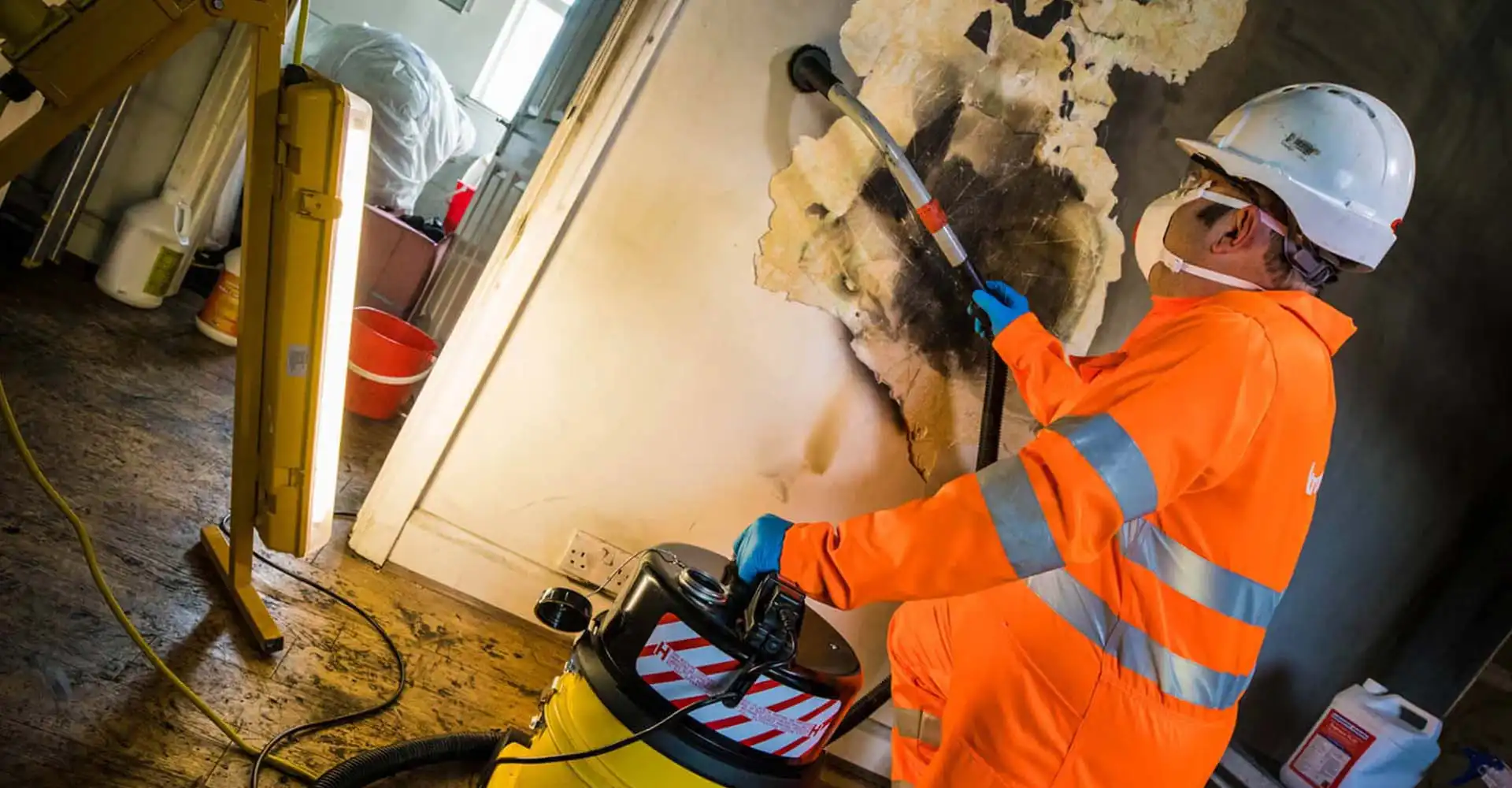
  • Removal of soot and ash using HEPA filtration technology.
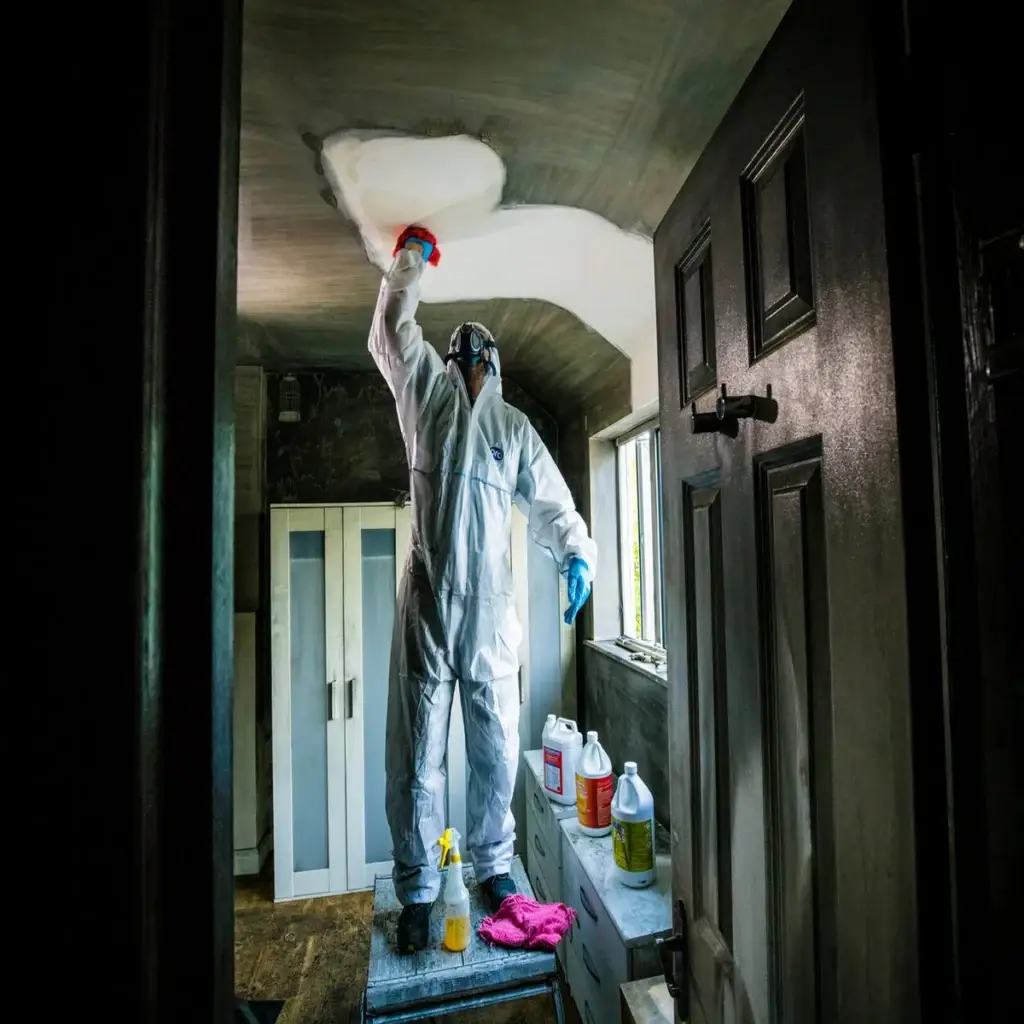
  • Thorough decontamination of affected areas.
  • Elimination of smoke odours using our advanced BIOSWEEP® system.

Conclusion: Fire safety is everyone’s responsibility

Understanding fire classification and the correct extinguisher to use can save lives and property. Whether in a home, office, or industrial setting, being prepared for a fire emergency is crucial.

If you need professional fire damage clean-up or advice on fire safety, get in touch with us today. We can help restore your property efficiently and safely.

Need to speak to a specialist urgently? Call 0800 088 4170

Fire classifications: Frequently asked questions

What are the main classes of fire?

Fires are categorized into six classes (A, B, C, D, E, F) based on the type of fuel that is burning. This classification is crucial for choosing the correct and safest method of extinguishment.

A Class B fire involves flammable liquids like petrol and paint. A Class F fire involves cooking oils and fats, which burn at a much higher temperature. Using the wrong extinguisher, such as a water-based one, on a Class F fire can cause a dangerous flashover.

No, you must never use a water or foam extinguisher on a fire involving live electrical equipment (often referred to as a Class E fire). Water conducts electricity, which could result in electrocution. CO2 or dry powder extinguishers are the correct choices.

Under UK standards (BS EN3), all fire extinguishers have a predominantly red body. A small colored band or label, covering at least 5% of the surface, indicates the contents:

  • Red: Water

  • Cream: Foam

  • Blue: Dry Powder

  • Black: CO2

  • Yellow: Wet Chemical

Fire extinguishers should be visually inspected monthly by a responsible person and serviced annually by a certified technician.

Picture of Tahlia Ibrahim - Delivery Manager

Tahlia Ibrahim - Delivery Manager

Tahlia has over four and a half years of in-depth experience across various facets of the disaster recovery industry. Having progressed through roles in marketing and sales to her current position, Tahlia possesses a comprehensive understanding of the entire business operation, from initial client contact to meticulous service delivery. A certified BioSweep Specialist, she excels in advanced odour elimination techniques, ensuring thorough restoration.

Other articles

Explore more articles about damage restoration, specialist cleaning and what we do

Mould near a window

How to remove mould from walls: Causes, risks & professional solutions 

Mould on walls is more than just an unsightly problem; it can have serious implications for your health and the structural integrity of your home. Whether you’ve spotted small black patches in your bathroom, green stains on your kitchen walls, or a musty odour in your bedroom, mould growth is...

READ MORE

"To Let" sign outside a house

AWAAB’s Law: Understanding new social housing regulations

Awaab’s Law, named in memory of two-year-old Awaab Ishak, becomes legally binding for all social housing landlords in England on October 27, 2025. It introduces strict, phased timeframes for investigating and fixing serious hazards in a tenant’s home. The law’s initial phase focuses on emergency hazards and damp and mould...

READ MORE

Visibly damp internal walls.

How do I treat damp walls internally?

You treat damp walls internally by identifying the root cause of the damp with a professional damp survey. Once you know the root cause you can treat the damp and carry out a specialised drying programme to return your internal moisture levels back to a safe condition. Ideal Response have...

READ MORE

Speak to our team

If you’re dealing with fire damage, flooding, or an environmental incident, our team is ready to respond. No matter if you have a question or have an emergency that you need help with, call:

0800 088 4170

If you’d prefer to drop us a message, use our main contact form and upload any pictures of the incident. 

Would you like us to call you? Fill out the short ‘Request a call back’ form.
Request a call back