The Situation: Soot contamination in public facilities
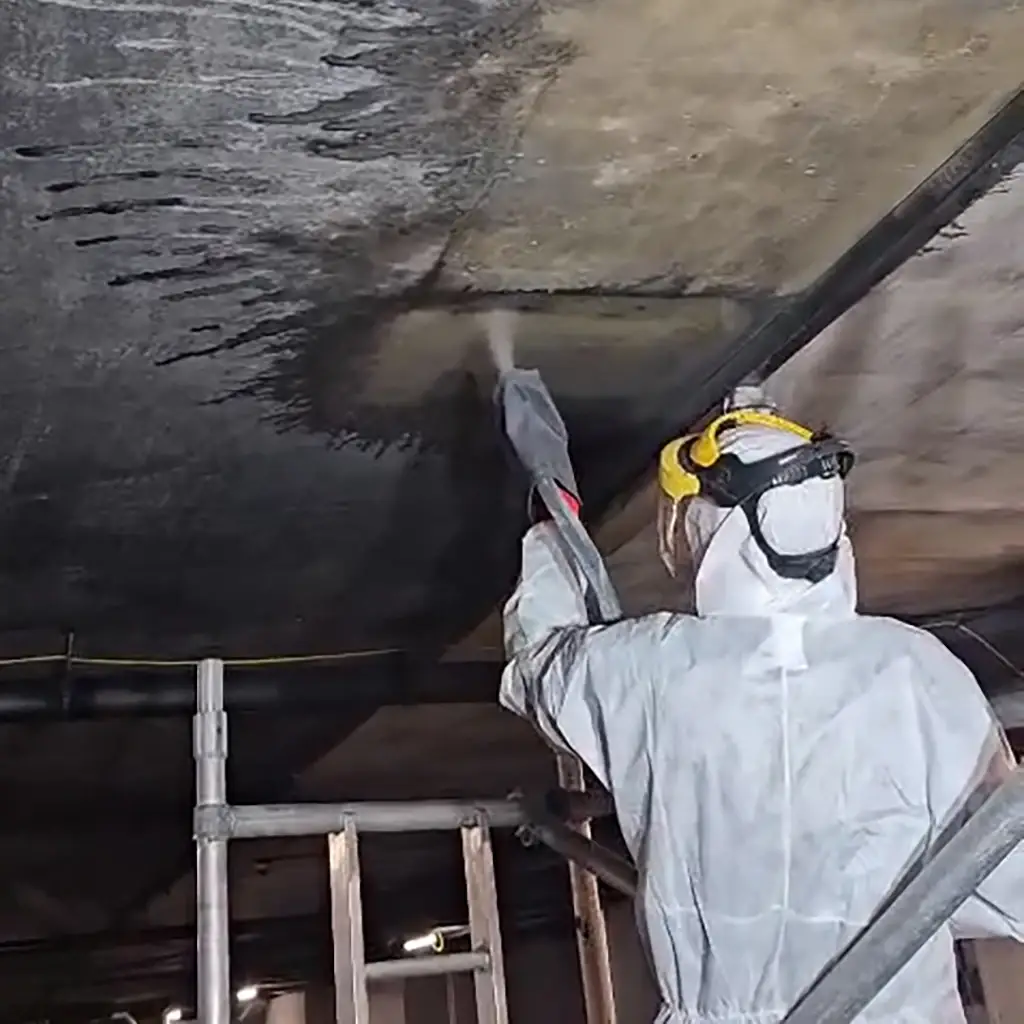
Following a fire-related incident, a local council in Hertfordshire required an urgent response to address extensive soot contamination within a communal toilet block. Soot is highly invasive; the fine particulates had settled across all surfaces, including sanitaryware, ventilation systems, and electrical fixtures.
Because the area serves as a public facility, it was vital that the soot and ash cleaning and decontamination was thorough, professional, and completed quickly to return the block to a hygienic, safe condition for the community.
The hazards & obstacles
Soot remediation carries significant health and safety risks that must be managed by specialists. Our team identified several critical concerns during the initial RAMS assessment:
- Inhalation risks: Airborne soot particulates pose a respiratory hazard, particularly when disturbed during the cleaning process.
- Contamination control: Soot spreads easily; preventing cross-contamination to adjoining rooms was a primary objective.
- Restricted access: The team had to work within confined spaces, including small cupboards and service voids with poor ventilation.
- Technical risks: Soot can be conductive, creating a potential electrical risk around sockets and lighting fixtures.
- Chemical hazards: Potential presence of PAHs (polycyclic aromatic hydrocarbons) required strict PPE protocols and specialised waste disposal.
The Solution: Methodical decontamination
To ensure the safety of the public and the longevity of the building’s interior, our operatives followed a controlled, multi-stage fire damage cleaning process.
1. Assessment & PPE
All staff were equipped with full respiratory protection, white disposable coveralls, and nitrile gloves. A site assessment mapped the migration of the soot to ensure no secondary contamination was missed in extract vents or plumbing connections.
2. Specialist equipment & techniques
We utilised a combination of dry and wet remediation techniques to remove residues without damaging the underlying surfaces:
- HEPA vacuuming: Used to safely extract loose soot particulates from surfaces and crevices, preventing them from becoming airborne.
- Soot sponges & dry wiping: Critical for the initial removal of dry soot to prevent staining or smearing before liquid solutions are applied.
- Specialist remediation solutions: A methodical wipe-down of all hard surfaces including walls, cubicles, hand dryers, and pipework using industrial-grade fire remediation chemicals.
- Fogging: Implemented to neutralise lingering odours and ensure even the most hard-to-reach areas were treated.
3. Waste management
In accordance with environmental procedures, all contaminated consumables (rags, sponges, and PPE) were safely bagged and removed from the site for professional disposal.
The Result
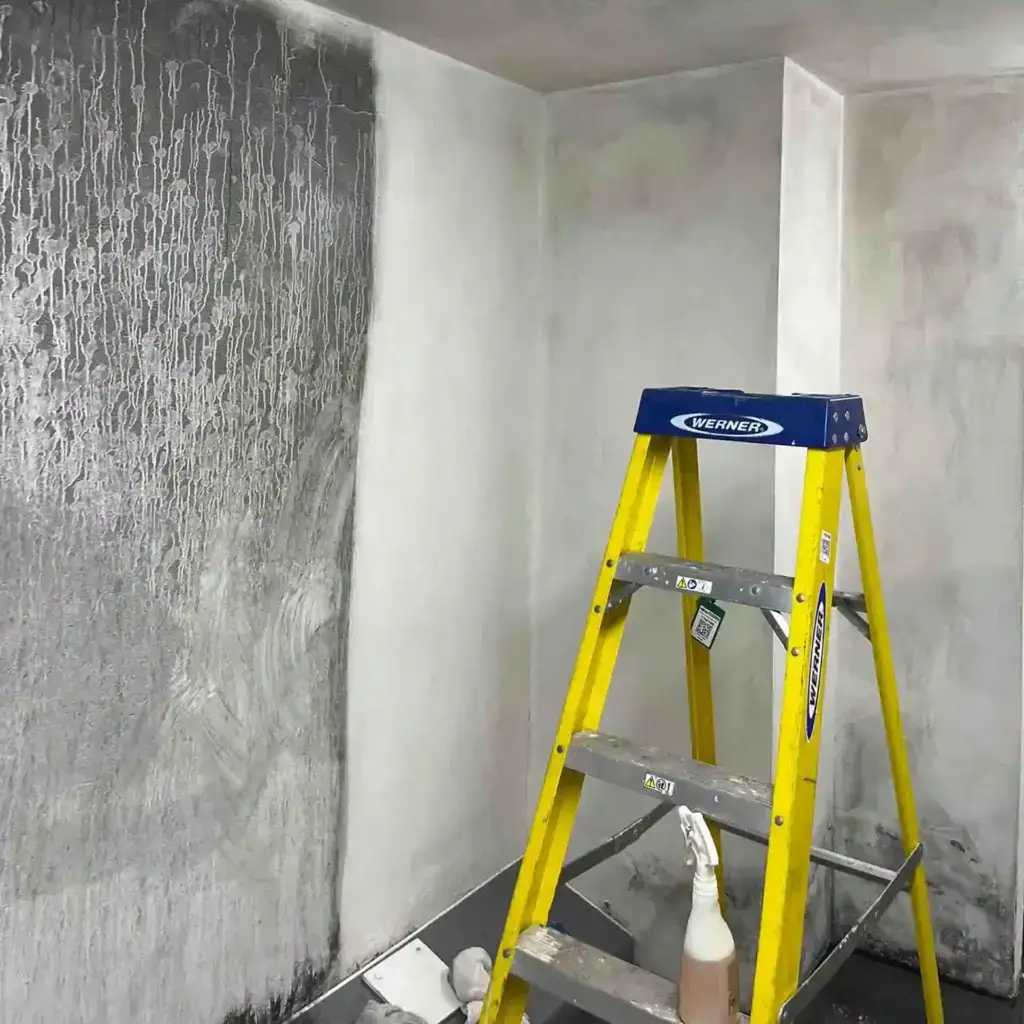
In just two days, the communal block was transformed from a contaminated hazard back into a clean, safe environment. A final inspection verified that all soot deposits had been successfully removed from both visible surfaces and mechanical components.
The council was provided with a facility that was once again hygienic and suitable for public use, with no remaining traces of fire damage or soot odour.