
Introduction: Why Awaab’s Law matters to private landlords in 2026
Awaab’s Law represents one of the most significant shifts in landlord responsibility for damp and mould in decades. While originally introduced to improve standards in social housing, the legislation is evolving and private landlords are expected to fall fully within scope from 2026.
This change matters because Awaab’s Law is not guidance. It is about enforceable duties, fixed timescales, and accountability. For private landlords and letting agents, this means:
- Faster response expectations
- Higher standards of investigation
- Less tolerance for temporary or cosmetic fixes
- Increased legal and financial risk when damp and mould are mishandled
This guide explains what Awaab’s Law means for private landlords in 2026, what actions are required, and how specialist damp and mould services help landlords stay compliant.
Skip to:
Does Awaab’s Law apply to private landlords?
What types of issues are covered under Awaab’s Law?
Landlord responsibilities under Awaab’s Law (2026)
Why damp and mould are a high legal risk for landlords
What counts as an ‘adequate investigation’?
Why professional mould & damp surveys are essential in 2026
Mould cleaning vs mould remediation: A crucial difference
How Ideal Response supports landlords under Awaab’s Law
Preparing for Awaab’s Law in 2026: Act before it becomes mandatory
What is Awaab’s Law?
Awaab’s Law is UK legislation introduced following the death of Awaab Ishak, a two-year-old child whose exposure to prolonged mould was linked to fatal respiratory illness. The law was designed to ensure landlords:
- Take damp and mould hazards seriously
- Investigate complaints promptly
- Resolve serious hazards within legally defined timeframes
Awaab’s Law shifts the focus from responding to complaints to proving that hazards have been properly investigated and resolved.
Visit our dedicated Awaab’s Law hub for more information for tenants and landlords.
Does Awaab’s Law apply to private landlords?
Yes. From 2026 onwards
While Awaab’s Law was initially introduced for social housing providers, the UK Government has confirmed its intention to extend equivalent standards to the private rented sector under wider housing reform.
From 2026, private landlords are expected to be subject to:
- Mandatory investigation of damp and mould complaints
- Defined timescales for action
- Stronger enforcement by local authorities
This aligns with broader reforms aimed at improving housing quality and tenant health across all tenures.
What types of issues are covered under Awaab’s Law?
Awaab’s Law focuses on serious health hazards, particularly those linked to moisture.
This includes:
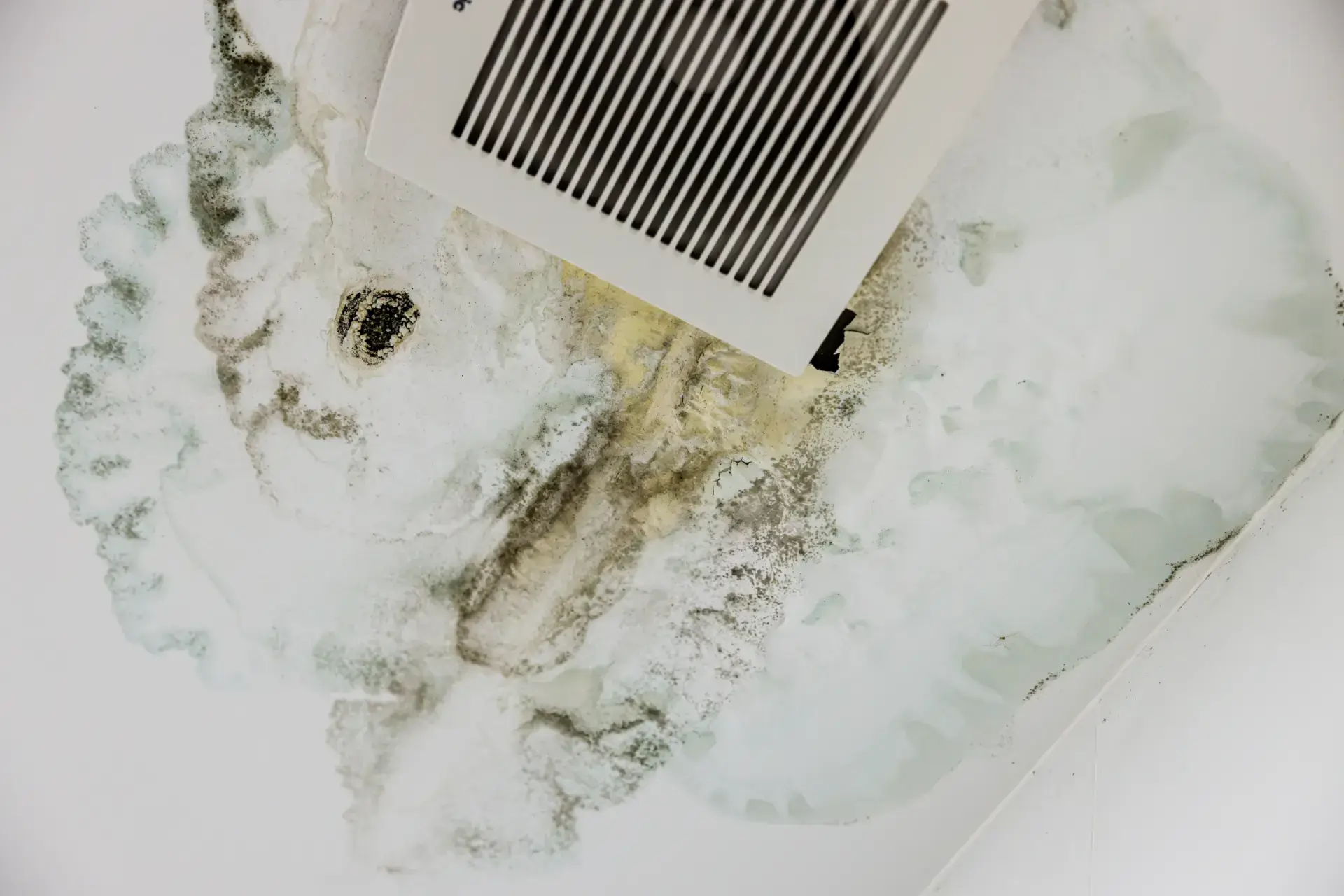
- Visible mould growth
- Persistent condensation
- Damp patches on walls, ceilings, or floors
- Water ingress and leaks
- Underlying structural or ventilation issues contributing to moisture
Importantly, the law is concerned with root causes, not surface appearance.
Landlord responsibilities under Awaab’s Law (2026)
Once a tenant reports damp or mould, landlords will be expected to follow a clear process.
1. Acknowledge the complaint
Landlords must treat reports of damp and mould as potential health hazards, not routine maintenance.
2. Investigate promptly
Investigation must go beyond visual inspection. This includes:
- Identifying moisture sources
- Assessing ventilation and insulation
- Understanding building fabric and occupancy factors
3. Identify the root cause
Repainting or cleaning alone does not meet the standard of investigation.
4. Complete repairs within required timescales
Delays due to monitoring, repeated cleaning, or uncertainty are unlikely to be acceptable.
Why damp and mould are a high legal risk for landlords
Damp and mould complaints are no longer treated as minor issues.
They carry increased risk because:
- Health impacts are well-documented
- Tenants are more aware of their rights
- Complaints are often digitally recorded
- Local authorities are under pressure to enforce
Under Awaab’s Law, inaction or inadequate action creates legal exposure, not just reputational damage.
What counts as an ‘adequate investigation’?
A key change introduced by Awaab’s Law is the expectation that landlords can demonstrate they acted reasonably.
An adequate investigation typically includes:
- A professional damp and mould assessment
- Identification of moisture sources
- Clear reporting and recommendations
- Evidence-based remediation plans
This is where many landlords fall short. Not through neglect, but through relying on incomplete assessments.
Why professional mould & damp surveys are essential in 2026
Professional mould and damp surveys are becoming a critical compliance tool rather than an optional extra.
They provide:
- Independent evidence of investigation
- Clear identification of causes
- Defensible documentation for enforcement or disputes
- A structured mould remediation plan
For landlords, this means reduced uncertainty and faster resolution.
Mould cleaning vs mould remediation: A crucial difference
Many damp and mould cases escalate because the wrong solution is applied.
Mould Ccleaning
- Removes visible mould only
- Does not address moisture
- Often temporary
- High risk of recurrence
Mould remediation
- Identifies root cause
- Treats affected materials properly
- Addresses moisture pathways
- Provides long-term resolution
Awaab’s Law makes this distinction unavoidable.
How Ideal Response supports landlords under Awaab’s Law
Ideal Response works with landlords, letting agents, insurers, and property professionals dealing with damp and mould risks. Support includes:
- Specialist mould & damp surveys
- Damp and moisture investigations
- Professional mould remediation
- Clear reporting aligned with compliance needs
- Experience handling complex and high-risk cases
This practical expertise is critical as enforcement standards tighten.
Preparing for Awaab’s Law in 2026: Act before it becomes mandatory
Awaab’s Law marks a permanent shift in how damp and mould must be managed in rented housing. From 2026, private landlords will be judged not on intent, but on evidence. How quickly issues were investigated, how thoroughly causes were identified, and how effectively risks were removed.
The landlords who remain compliant will be those who act early. That means:
- Treating every damp or mould report as a potential health issue
- Avoiding temporary or cosmetic fixes that fail under scrutiny
- Using specialist mould surveys to identify root causes
- Keeping clear, professional records of investigations and actions
Under Awaab’s Law, compliance depends on speed, documentation, and specialist insight. Waiting until enforcement begins increases cost, disruption, and risk.
Take the next step
If you manage or own rental property, now is the time to put compliant processes in place.
Professional mould and damp surveys and specialist mould remediation provide clear evidence of action, protect landlords from escalation, and ensure issues are resolved properly, not temporarily.
Contact Ideal Response to arrange a professional mould survey or specialist assessment and take control before Awaab’s Law takes effect.
Early action is not just safer. It is simpler, faster, and far less costly than enforcement.
FAQs: Awaab’s Law and private landlords (2026)
Does Awaab’s Law apply to private landlords in 2026?
Yes. Awaab’s Law is expected to apply to the private rented sector from 2026 as part of wider housing reform. Private landlords will be required to investigate and resolve serious damp and mould hazards within defined timescales, similar to existing obligations in social housing.
What happens if a landlord ignores damp or mould complaints?
Failing to act on damp or mould complaints may result in enforcement action by local authorities, civil penalties, rent repayment orders, and increased legal exposure, particularly where tenant health is affected. Awaab’s Law significantly reduces tolerance for delay or inadequate action.
Are landlords responsible for mould caused by condensation?
In many cases, yes. Under Awaab’s Law, landlords are expected to investigate the root cause of mould, including ventilation, insulation, and building defects. Simply attributing mould to ‘lifestyle’ without evidence is unlikely to be sufficient.
Is mould cleaning enough to comply with Awaab’s Law?
No. Cleaning or repainting mould without addressing the underlying moisture source does not meet the standard expected under Awaab’s Law. Compliance requires proper investigation and, where necessary, professional mould remediation.
What evidence do landlords need to show compliance?
Landlords should be able to demonstrate that they:
- Responded promptly to complaints
- Carried out an adequate investigation
- Identified the root cause of damp or mould
- Took appropriate remedial action
- Kept clear records of all actions
Professional mould surveys provide strong evidence of compliance.
How quickly must landlords act on mould complaints?
While exact timescales will be set through regulation, Awaab’s Law is designed to enforce prompt investigation and resolution. Delays caused by monitoring, repeated cleaning, or indecision are unlikely to be acceptable where health risks exist.
Should landlords arrange a mould survey before 2026?
Yes. Proactive mould surveys help landlords identify risks early, resolve existing issues, and put compliant processes in place ahead of enforcement. Early action reduces disruption, cost, and legal exposure.
Who should carry out mould investigations?
Mould investigations should be carried out by competent specialists with experience in damp, moisture, and mould assessment. This ensures accurate diagnosis, defensible reporting, and appropriate remediation recommendations.

Chris Hedges - Head of Marketing
With over 25 years' experience, Chris is adept at defining and driving strategy, while also enjoying hands-on operational delivery. He believes in an equal blend of creativity and analytical scrutiny, always finding inventive ways to achieve objectives, underpinned by evidence. Chris’s philosophies are simple: don't overcomplicate, always prioritise customer experience, and bend the rules just enough to cut through the noise and drive momentum and growth.