Available 24/7 | 0800 088 4170

Available 24/7 | 0800 088 4170
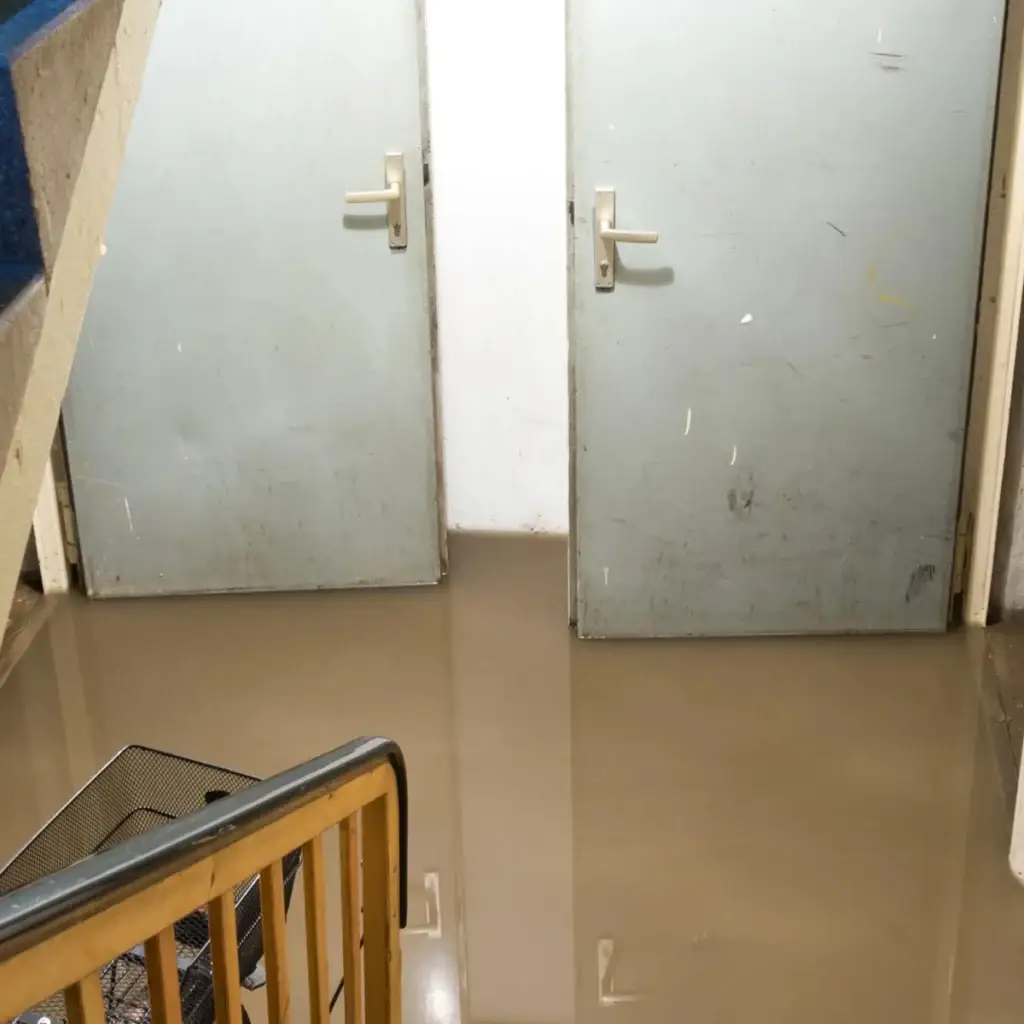
A flooded basement needs the water removed, contamination cleaned and the structure dried before it can be used again. Ideal Response provides a flooded basement cleanup service for homes and businesses across the UK: we pump out basements and cellars, remove silt and contamination, and dry floors, walls and sub structures.
Coverage: UK-wide, including London, Kent and the South East
Overwhelmed drainage forces water below ground.
A rising water table pushes moisture through walls and floors.
Especially in winter; frozen or failed plumbing releases a lot of water quickly.
A fault or power cut lets water build up fast.
Water is directed towards the foundations instead of away.
Contaminated water forced up from an overloaded sewer, which needs sewage cleaning, not a standard clean.
A direct route in that widens over time.
After drying, we check the basement stays dry and advise on reducing the risk of it flooding again.
How a basement is built changes how it floods and how it dries.
Call the team any time.
Properties in England are in areas at risk of flooding
Source: Environment Agency, National Assessment of Flood Risk, December 2024
Of them are at risk from surface water, the flash flooding that often reaches basements
Source: Environment Agency, National Assessment of Flood Risk, December 2024
Basements sit below ground, so water can reach them from several directions. Knowing the cause helps stop it happening again.
High-powered pumps and vacuums, even in deep or hard-to-reach basements.
Silt, dirt, sewage residue and smells removed.
Air movers and dehumidifiers draw moisture out of floors, walls and sub-structures.
Sensors and thermal imaging confirm no hidden damp remains.
Once dry, the basement is ready for your builder or waterproofing specialist.
| Basement type | What happens in a flood | Drying approach |
|---|---|---|
| Tanked (waterproof membrane or render) | Water can be trapped behind the membrane | Specialist drying to avoid stripping the membrane |
| Cavity drain membrane with sump | Water should drain to the sump | Check the pump and channels first |
| Untanked or older cellar | Moisture moves through walls naturally | Drying to a sensible level, not bone dry |
| Situation | Typical time on site |
|---|---|
| Shallow water, quick response | 1–2 weeks |
| Deep flooding or contamination | 2–4 weeks |
| Water trapped under floors | 4–6 weeks |
Standards we work to: BDMA practice guidance, HSE and COSHH regulations
We extract, clean and dry. If water is getting in through a hidden leak, our leak detection team can trace it. We do not waterproof, tank or repair basements or install sump pumps.
Cost varies with the depth and type of water, how long drying takes and how easy the basement is to reach. You receive a tailored quote after the survey.
| Cost factor | Why it matters |
|---|---|
| Volume and depth | Deeper water and larger basements take longer |
| Contamination | Grey water and sewage need specialist handling |
| Drying time | Moisture trapped in floors and walls can take weeks |
| Access | Deep or awkward basements need more specialist equipment |


Ideal Response domestic flooded basement cleaning project in South-West London

“On a large development, a calendar alone cannot tell you when a building is ready for the next trade. Repeated moisture readings create a measurable picture of progress so drying equipment can be concentrated where it is still needed.”
For an emergency, call us. Otherwise send a few details and photos, and the team will get back to you.
Available 24/7
We’ll use your details to respond to your enquiry. View our Privacy Policy