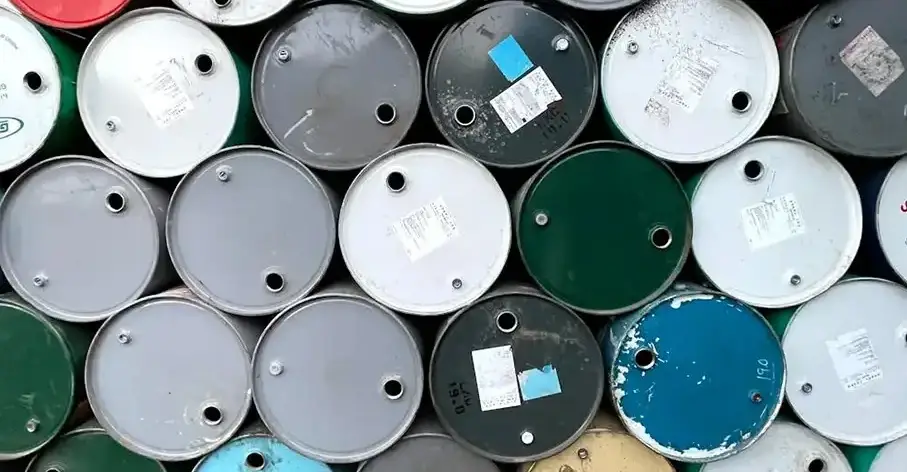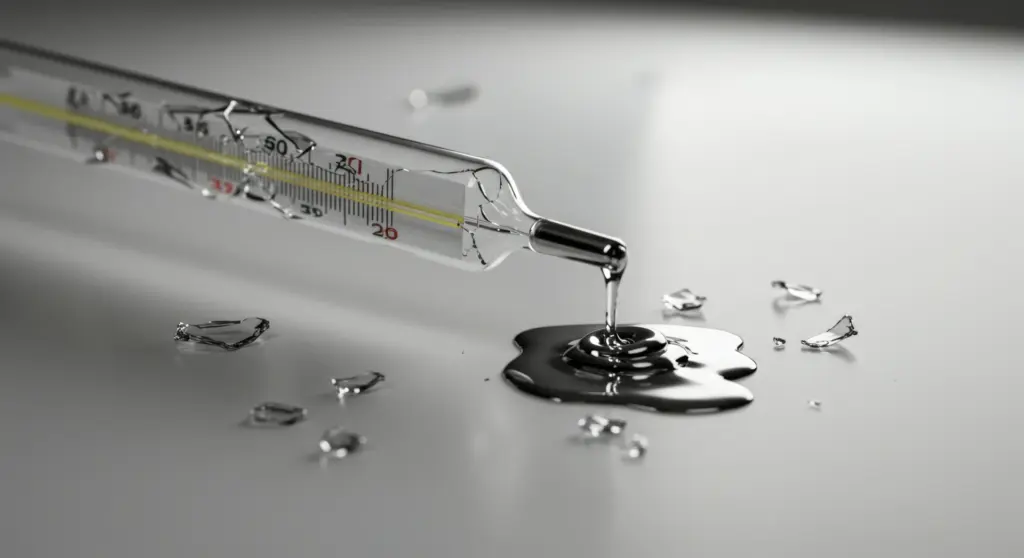
Diesel spills can occur suddenly and often without warning. A leaking vehicle, overfilled fuel tank, damaged storage container or delivery incident can release diesel onto driveways, car parks, roads or commercial premises within seconds.
While the spill itself may appear minor at first, diesel spreads quickly across surfaces and can penetrate porous materials such as concrete, asphalt and soil. If it reaches drainage systems, it can also travel much further than the original spill location.
For property owners, businesses and facilities managers, dealing with a diesel or oil spills quickly is essential to prevent contamination, protect surfaces and avoid wider environmental issues.
Professional diesel spill clean-up services help contain the fuel, remove residues and restore affected areas safely.
Skip to:
Quick summary: Diesel spill clean-up
Diesel spills in the UK: Key statistics
Why diesel spills are a serious issue
Common causes of diesel spills
Environmental risks of diesel spills
How diesel affects different surfaces
When professional diesel spill clean-up is needed
Quick summary: Diesel spill clean-up
Diesel spills require careful management to prevent contamination and environmental damage.
Key points to understand:
- Diesel spreads rapidly across hard surfaces.
- It can penetrate porous materials such as concrete, tarmac and soil.
- Fuel spills can contaminate drains, groundwater and nearby watercourses.
- Diesel residues may leave persistent staining and strong odours.
- Professional spill clean-up may be required to safely restore affected areas.
Responding quickly significantly reduces the risk of long-term contamination.
Diesel spills in the UK: Key statistics
Fuel spills are more common than many people realise, particularly in urban and industrial environments where vehicles and fuel storage systems are used daily.
Some important figures highlight the scale of the issue:
- The UK consumes over 20 billion litres of diesel each year, making it one of the most widely used fuels in transport and industry.
- The Environment Agency receives thousands of reports annually relating to oil and fuel pollution incidents.
- Even one litre of oil or diesel can contaminate up to one million litres of water if it enters a watercourse.
- Fuel contamination incidents are among the most frequently reported environmental pollution events in the UK.
These statistics highlight why fuel spills must be dealt with quickly and responsibly.
Why diesel spills are a serious issue
Diesel is a petroleum-based fuel containing hydrocarbons that can persist in the environment if not properly removed.
Once spilled, diesel can spread rapidly across surfaces before gradually soaking into materials or entering drainage systems. This can lead to several problems:
- Strong fuel odours
- Slippery surfaces and safety hazards
- Staining and surface damage
- Contamination of drains or soil
For commercial sites, spills may also create environmental compliance concerns if contamination spreads beyond the immediate area.
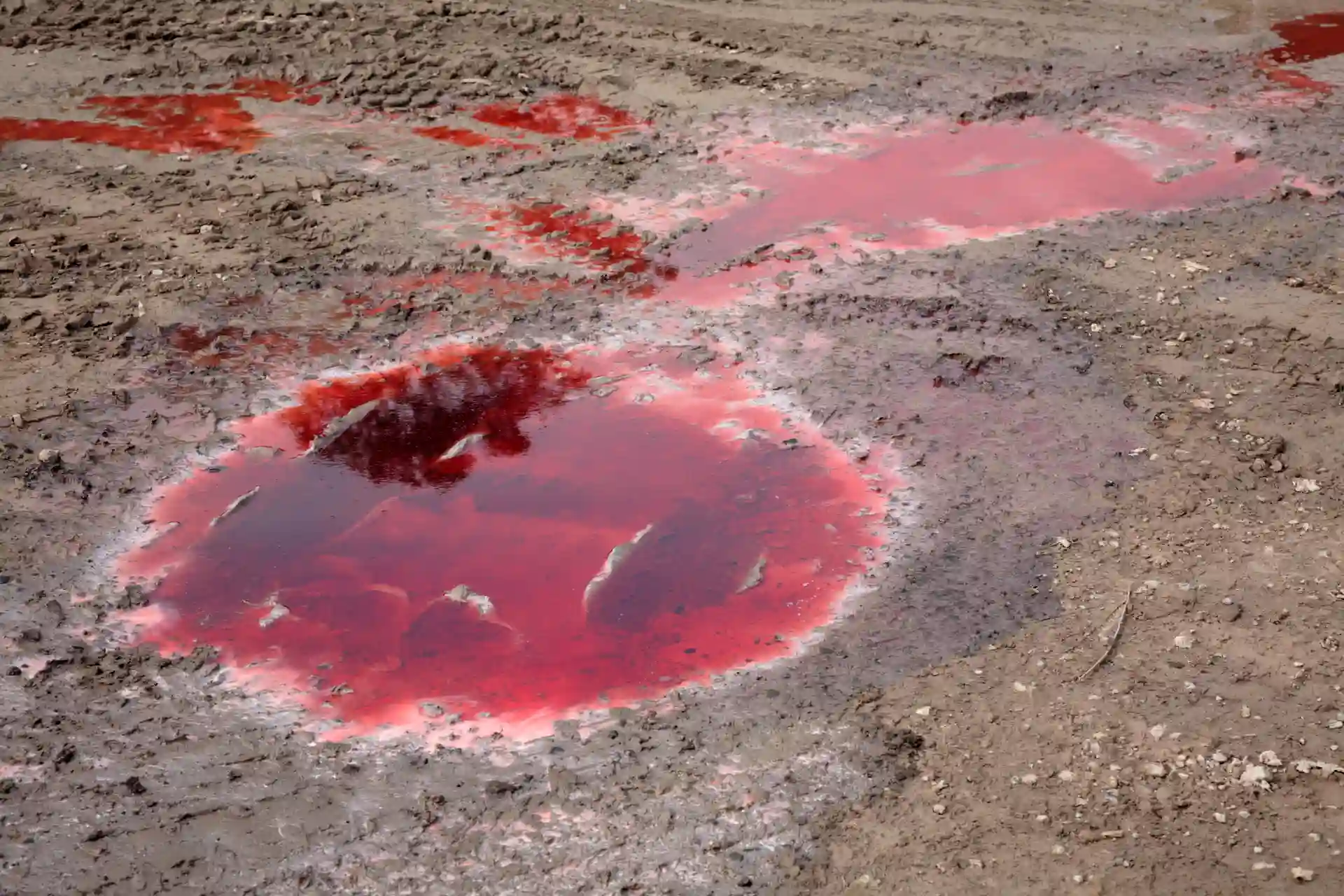
Common causes of diesel spills
Diesel spills can occur in a variety of situations.
Vehicle fuel leaks
Fuel system damage or mechanical faults can cause diesel to leak from cars, vans or heavy vehicles.
Refuelling incidents
Overfilling tanks or containers during refuelling can result in diesel spilling onto surrounding surfaces.
Storage tank failures
Diesel storage tanks used for heating systems or generators may leak if damaged or poorly maintained.
Delivery and transport accidents
Fuel deliveries or transport incidents sometimes result in diesel being released onto roads or commercial premises.
In many cases, what begins as a small spill can quickly spread if not contained.
Environmental risks of diesel spills
Diesel spills are not only a surface contamination issue, they can also present environmental risks. If diesel enters drainage systems, it may eventually reach rivers, streams or groundwater. Hydrocarbon contamination can harm aquatic environments and is taken seriously by environmental regulators.
For businesses and property owners, preventing fuel from entering drainage systems is therefore a priority following any spill.
How diesel affects different surfaces
One of the main challenges with diesel contamination is how easily it can penetrate certain materials.
Concrete
Concrete is porous, allowing diesel to soak beneath the surface where it can remain trapped.
Tarmac and asphalt
Diesel can soften asphalt surfaces and cause long-lasting staining.
Soil
Fuel spilled onto soil can spread underground and affect surrounding land.
Drainage systems
Once diesel enters drains, it can travel quickly through pipe networks.
Because of these risks, prompt clean-up is always recommended.
When professional diesel spill clean-up is needed
Some minor spills can be contained quickly, but many situations require specialist assistance. Professional spill response is often recommended when:
- The spill covers a large area
- Diesel has entered drains or nearby land
- Fuel has soaked into concrete or asphalt
- Commercial premises are affected
- Strong odours remain after basic cleaning
Specialist cleaning teams have the equipment and expertise required to manage contamination safely.
How professional diesel spill clean-up works
Professional spill response typically involves several key stages.
Containment
Preventing diesel from spreading further across surfaces or entering drainage systems.
Fuel removal
Removing free diesel and contaminated materials from the affected area.
Surface decontamination
Cleaning surfaces to remove staining and hydrocarbon residues.
Safe waste handling
Ensuring contaminated materials are disposed of safely and in accordance with environmental regulations.
This approach helps return the affected area to a safe and usable condition.
Conclusion: Why rapid diesel spill response matters
Diesel spills can occur unexpectedly, but the impact can extend far beyond the initial incident. Because diesel spreads quickly and can penetrate surfaces such as concrete, tarmac and soil, even a relatively small spill can result in persistent contamination if it is not dealt with promptly.
In the UK, fuel pollution incidents are reported to environmental regulators every year, and even small quantities of diesel can contaminate vast amounts of water if they reach drainage systems or waterways.
For property owners and businesses, acting quickly after a spill is the most effective way to minimise environmental risk, prevent long-term surface damage and restore affected areas safely.
Professional diesel spill clean-up services ensure that contamination is properly contained, removed and managed in accordance with best practice.
Ideal Response provides specialist diesel, fuel, chemical and oil spill response services across the UK, helping homeowners, businesses and property managers deal with fuel contamination quickly and effectively.
If you are dealing with a diesel spill on your property or commercial site, contact Ideal Response today for expert advice and rapid professional assistance. Acting early can prevent the problem from becoming far more serious.
Frequently asked questions about diesel spill clean-up
What should I do immediately after a diesel spill?
If it is safe to do so, the first priority is to stop the source of the leak and prevent the diesel from spreading further. Try to block nearby drains or drainage channels and avoid washing the fuel away with water, as this can spread contamination.
For larger spills or spills affecting public areas, driveways or commercial premises, it is usually best to contact a professional diesel spill clean-up company as soon as possible.
How dangerous is a diesel spill?
Diesel is less volatile than petrol but it can still create significant environmental and safety risks. Spilled diesel can make surfaces extremely slippery and may contaminate soil, drainage systems and nearby water sources.
Because diesel contains hydrocarbons that persist in the environment, spills should always be addressed quickly to reduce potential damage.
Can diesel spills contaminate drains and waterways?
Yes. If diesel enters a drain, it can travel through pipe networks and potentially reach rivers, streams or groundwater.
Even small quantities of fuel can cause environmental contamination, which is why preventing spills from reaching drainage systems is a key priority during clean-up.
Will diesel evaporate on its own?
Diesel evaporates much more slowly than petrol. While some lighter components may gradually dissipate, the majority of the fuel can remain trapped within surfaces such as concrete, tarmac or soil.
Without proper cleaning, diesel contamination can leave long-lasting stains and persistent odours.
Can diesel permanently stain concrete or paving?
Yes. Concrete, asphalt and block paving are porous materials that allow diesel to soak below the surface. Once this happens, the fuel can be difficult to remove completely without specialist cleaning techniques.
This is why prompt professional clean-up is often recommended after a spill.
How long does the smell of diesel last after a spill?
Diesel odours can persist for weeks or even months if the fuel has penetrated surfaces. The smell is caused by hydrocarbon compounds that remain trapped within contaminated materials.
Professional spill cleaning can help remove these residues and eliminate lingering odours.
Can I clean a diesel spill myself?
Small surface spills may sometimes be managed using absorbent materials, but many diesel spills are more difficult to deal with than they initially appear.
If fuel has soaked into surfaces, reached drains or spread across a large area, specialist spill response equipment and cleaning techniques may be required to properly remove contamination.
Who is responsible for cleaning up a diesel spill?
Responsibility usually lies with the person or organisation responsible for the spill, such as a vehicle owner, property owner or business operator.
Prompt clean-up is important to prevent contamination from spreading beyond the original spill location.
When should I call a professional diesel spill clean-up company?
Professional spill clean-up is recommended when:
- The spill covers a large area
- Diesel has soaked into surfaces
- Contamination has reached drains or soil
- Strong fuel odours remain
- The spill affects commercial premises
Specialist teams can safely contain and remove contamination using professional equipment.
How quickly should diesel spills be cleaned?
As quickly as possible. Diesel spreads rapidly and can penetrate surfaces within a short period of time. Early intervention significantly reduces the risk of long-term contamination, staining and environmental damage.

Chris Hedges - Head of Marketing
With over 25 years' experience, Chris is adept at defining and driving strategy, while also enjoying hands-on operational delivery. He believes in an equal blend of creativity and analytical scrutiny, always finding inventive ways to achieve objectives, underpinned by evidence. Chris’s philosophies are simple: don't overcomplicate, always prioritise customer experience, and bend the rules just enough to cut through the noise and drive momentum and growth.