
Awaab’s Law for Private Landlords: Get Ahead of Regulation
- Private Landlords
Although Awaab’s Law takes effect first for social housing in October 2025, private landlords will soon face similar duties once the Renters’ Rights Bill (2026–27) is enacted. The message from government and regulators is clear: ‘Don’t wait until it’s law, act now’.
Early adoption shows professionalism, protects your tenants, and shields your business from risk. Ideal Response helps private landlords across the UK build a simple, documented workflow that already meets Awaab’s Law standards.
Alternatively, call us on 0800 088 4170
Why private landlords should prepare now
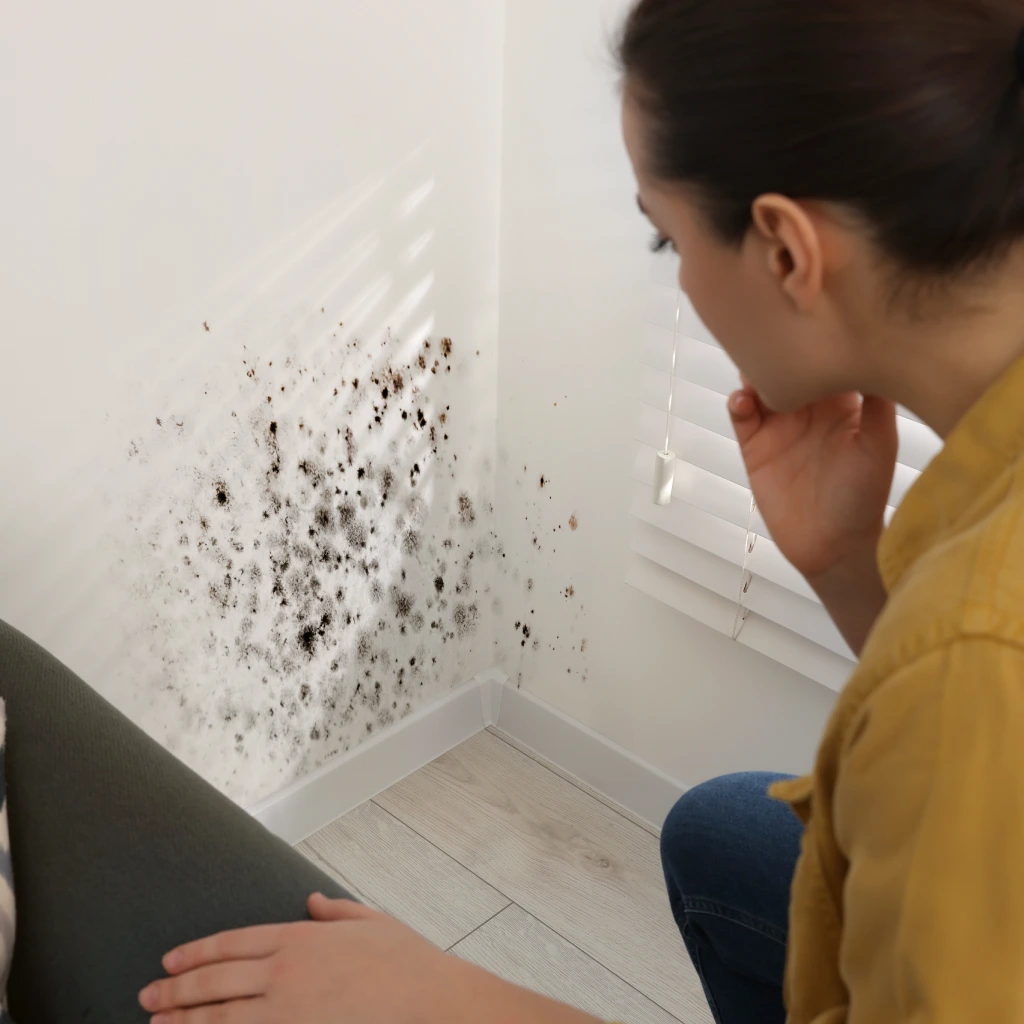
Local authorities are beginning to treat unresolved damp or mould complaints as potential breaches of health and safety regulations.
In several pilot regions, inspectors already expect private landlords to meet the same 10-day investigation rule used in social housing.
Acting now delivers real advantages:
- Avoid enforcement risk: Councils can already issue improvement notices or rent-repayment orders.
- Lower long-term cost: Addressing moisture early prevents structural decay and redecorating cycles.
- Tenant retention: Tenants stay longer in properties where repairs are handled transparently.
- Insurance readiness: Insurers increasingly ask for evidence of damp-control procedures.
Building a landlord compliance framework
Step 1: Logging reports
Keep a written or digital record of every tenant complaint which will include date, description, photos, and your first reply. This record forms the foundation of your compliance evidence.
Step 2: Fast inspections
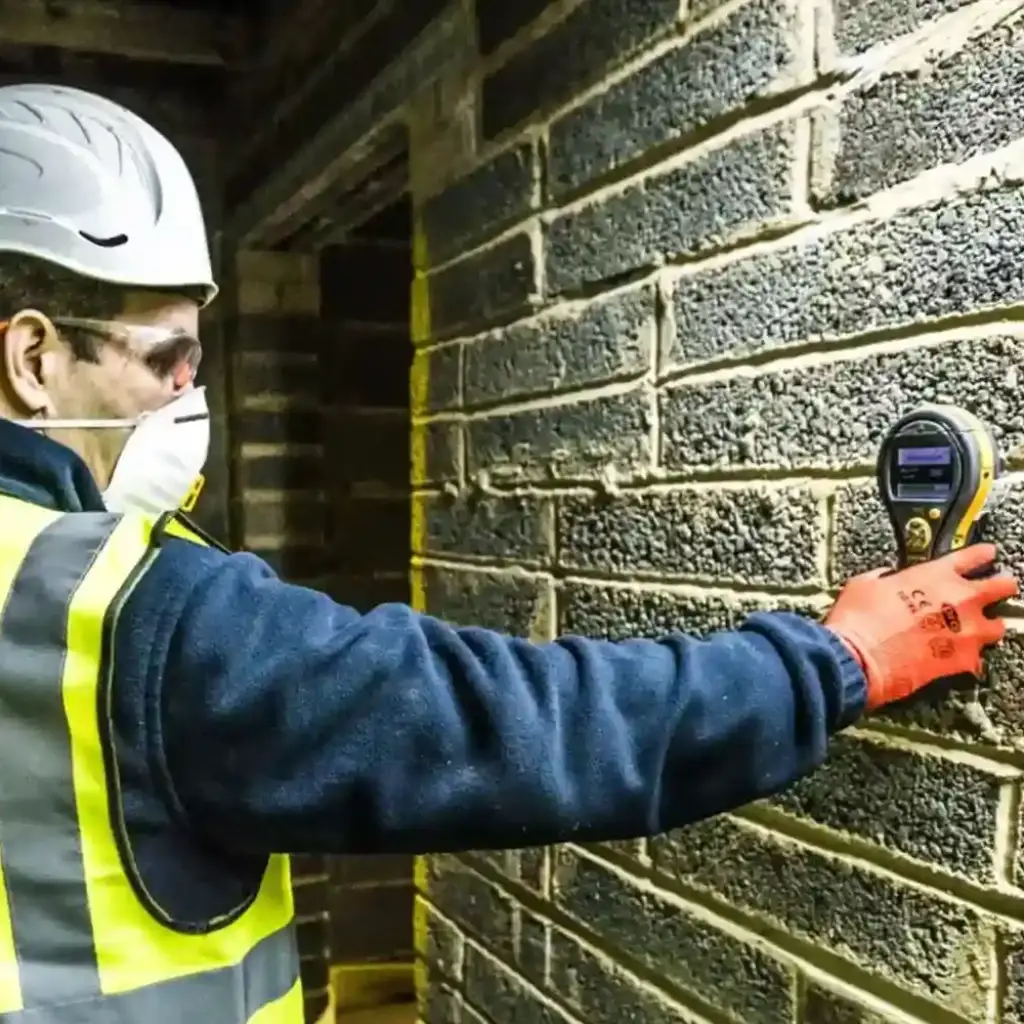
Aim to investigate within 10 working days. Professional surveys identify root causes such as condensation, leaks, or structural faults. This saves guesswork and unnecessary re-plastering.
Step 3: Written findings
Provide tenants with a short written summary of what you found, planned works, and expected timescales. This builds trust and satisfies the upcoming legal requirement for ‘written communication of outcomes’.
Step 4: Documented action
Start repairs within five working days once the issue is confirmed. Photograph before, during, and after works; store contractor invoices; and note dates of completion.
Common challenges for private landlords
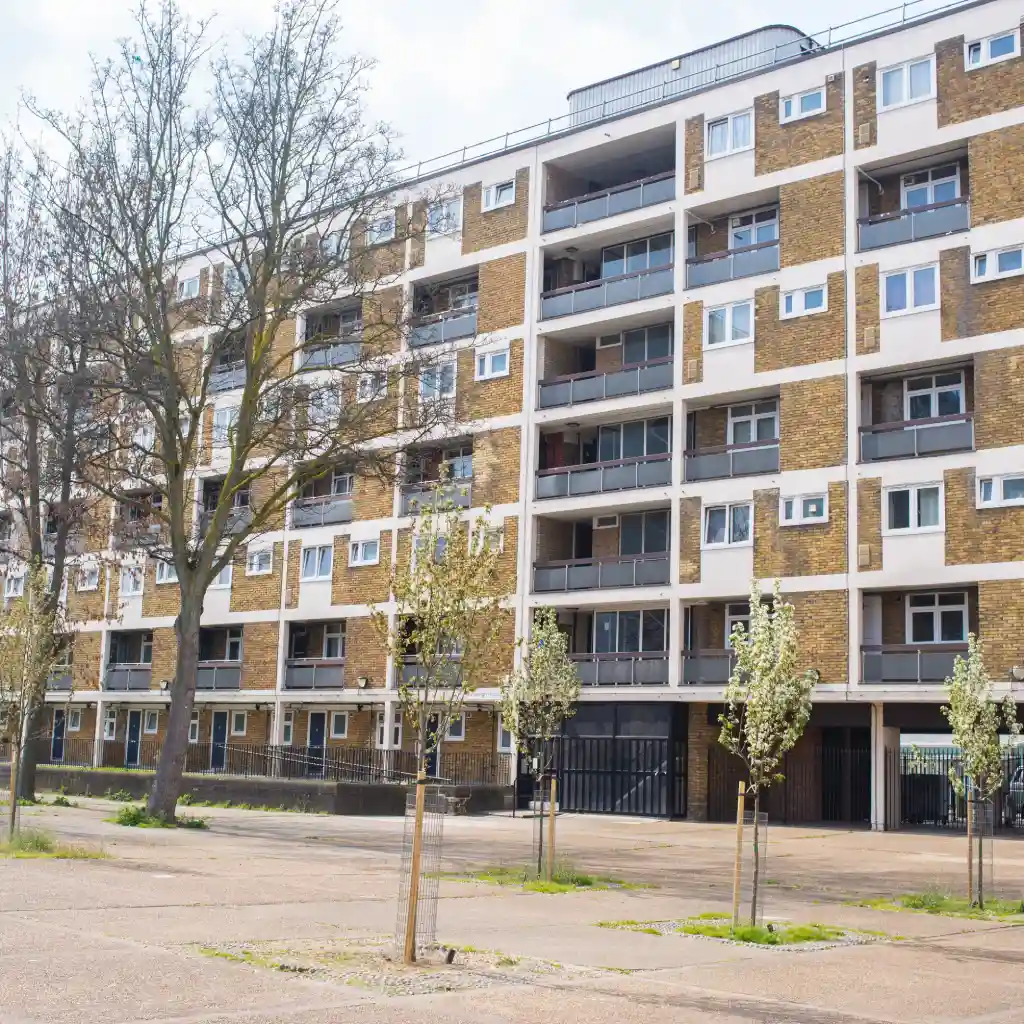
Converted flats
Cold bridges and limited ventilation cause recurring black mould.
Older housing stock
Rising damp and porous brickwork demand continuous monitoring.
Tenant communication
Missed access appointments delay compliance. It’s handy to have digital logs which help to reduce disputes.
Portfolio scale
Landlords with multiple units need consistency in how they report.
How Ideal Response supports private landlords
Private landlords face growing expectations to align with Awaab’s Law principles ahead of full enforcement. Ideal Response helps you demonstrate diligence and maintain properties that meet the highest safety standards.
Comprehensive compliance solutions
Compliance surveys
Certified surveyors identify the root cause of damp or mould using moisture mapping, humidity profiling, and air-quality testing. Reports include photographic and numerical data formatted for easy submission to councils or insurers.
Safe, certified remediation
We remove mould safely using HEPA-filtered vacuums, containment barriers, and biocidal treatments, eliminating spores and odours without damaging finishes.
Property risk assessments
We evaluate building type, location, and maintenance history to highlight where condensation or leaks are likely to recur, helping landlords prioritise investments.
Why partner with Ideal Response
- Compliance confidence: Aligned with forthcoming Renters’ Rights legislation.
- Wide coverage: Rapid response teams available across the UK.
- Transparent reporting: Clear documentation for tenants and councils.
- Technical expertise: IICRC-trained specialists with decades of housing experience.
- Peace of mind: Expert help with minimal disruption.
Act early. Reduce risk. Protect your property portfolio.
Why property owners nationwide recommend Ideal Response
Discover why property owners nationwide trust Ideal Response for expert, damp surveys, hoarder cleaning, mould removal, and flood or fire restoration. Our clients consistently praise our rapid response, technical precision, and compassionate service that makes recovery stress-free.
EXCELLENTTrustindex verifies that the original source of the review is Google. Dave was a very helpful and friendly man would highly recommend himPosted onTrustindex verifies that the original source of the review is Google. Absolutely rapid response time, cleared out flooded house is record time. Dave and Miguel, cracking guys!Posted onTrustindex verifies that the original source of the review is Google. Words cannot describe how happy I am with the service provided. From the very first interaction with Kash to the end, I couldn’t have asked for more. Kash was so compassionate and helpful and despite it being a Sunday night, I had everything booked in for the very next morning. Steve and Dave were the team at my property and they were so professional, discreet yet extremely personable, keeping me informed throughout and going above and beyond anything I could have imagined. I’m so thankful for everything they did for me, it is phenomenal! Couldn’t have asked for a better service or better people. Thank you!Posted onTrustindex verifies that the original source of the review is Google. I can’t recommend the team at Ideal Response enough! Kash was lovely and so helpful with getting a clean booked promptly, and Dan and Sam did a phenomenal job of cleaning the flat out and helping to get everything organised. Dan went out of his way to keep me updated through the whole process, and was always reassuring. The whole team have been nothing but professional and compassionate, and truly transformed the space. Forever grateful for their hard work and wouldn’t hesitate to recommend to anyone!Posted onTrustindex verifies that the original source of the review is Google. Steve and Dan were absolutely brilliant from start to finish. They came out quickly, assessed the damage, and got straight to work installing dehumidifiers and lifting the flooring to help dry my house out. They explained everything clearly, kept me updated throughout, and were so respectful of my home. Their professionalism, efficiency, and friendly attitude made a really stressful situation so much easier to deal with. You can tell they genuinely care about doing a proper job. I’m so grateful for their hard work and would highly recommend them to anyone needing help with water damage or drying services. Thanks again, Steve and Dan — you were amazing! 🙌Posted onTrustindex verifies that the original source of the review is Google. Steve & Josh provided first class help and service so grateful thank you.Posted onTrustindex verifies that the original source of the review is Google. Steve and Dave were excellent from start to finish, from phoning ahead of time to let me know when they would be arriving..To keeping me informed about each stage of the process. They were good at communicating and were very reassuring and they did an excellent job.Posted onTrustindex verifies that the original source of the review is Google. The team were amazing! Steve and Dave did a fantastic job of clearing my relative’s house after he died and we discovered he’d been a serial hoarder. They were really professional but also understanding and supportive which made a real difference to an otherwise very distressing situation. And thanks also to Kash in the office for organising the visit so promptly. I’ve been telling all my friends about Ideal Response and wouldn’t hesitate to recommend them to anyone in a similar situation.Posted onTrustindex verifies that the original source of the review is Google. Steve was fantastic, would use again !Verified by TrustindexTrustindex verified badge is the Universal Symbol of Trust. Only the greatest companies can get the verified badge who has a review score above 4.5, based on customer reviews over the past 12 months. Read more
FAQs: Private landlords and Awaab’s Law
Is Awaab’s Law already in force for private landlords?
Not yet. Awaab’s Law officially applies to social housing from October 2025. However, many local authorities are already benchmarking private landlords against their standards when investigating mould and damp complaints. Acting early means you’ll be ready for the Renters’ Rights Bill (expected 2026–27), which will introduce similar timeframes and obligations for the private sector.
How do I prove I’ve met the deadlines?
Keep a dated compliance log for every property showing when issues were reported, inspected, repaired, and completed. Attach evidence such as photos, invoices, and email correspondence. This record demonstrates that you’ve taken ‘reasonable steps’ and can protect you in case of tenant disputes or local authority investigations.
What if a tenant refuses access for inspection or repairs?
Document everything. Keep written proof of every access attempt, emails, texts, or letters offering appointment times. If a tenant refuses repeatedly, notify your local authority’s housing enforcement team. This evidence shows you’ve complied with your legal duty to take action, even if entry was denied.
Can Ideal Response liaise with my tenants directly?
Yes. Ideal Response technicians are trained to communicate courteously and professionally with tenants on your behalf. We can coordinate appointments, explain the process clearly, and provide reassurance during inspections or treatments. This approach reduces misunderstandings and helps you maintain a positive landlord–tenant relationship.
Will these standards apply to short-term lets or HMOs?
It’s very likely. The upcoming Renters’ Rights Bill and recent HMO guidance updates already mirror Awaab’s Law principles, requiring timely action on health hazards in all tenancies exceeding 90 days. Even short-term or multi-occupancy landlords are expected to maintain safe, mould-free living conditions and provide clear repair evidence if inspected.
Need support navigating Awaab’s Law?
Disclaimer
This page reflects draft guidance as of October 2025. Final details may change; always check the latest Government publications.