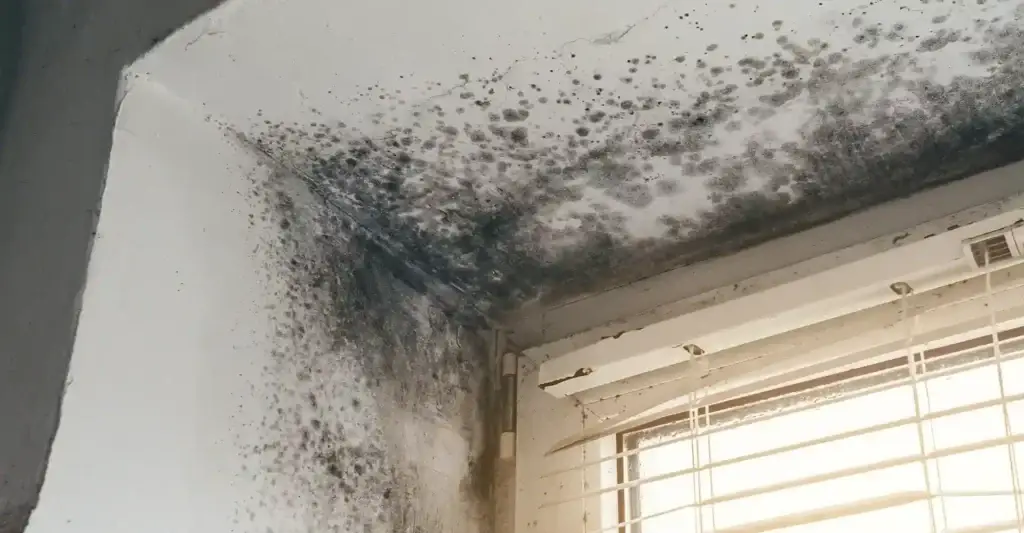
Black mould is more than a smudge on the wall; it is a biological contaminant that can compromise the health of your family and the structural integrity of your property. In the UK, our unique climate makes black mould removal a common necessity for homeowners and landlords alike.
However, there is a significant difference between cleaning a surface and true remediation. Following the implementation of Awaab’s Law, the standards for property safety have never been higher. This guide explores the complexities of mould, the dangers of DIY attempts, and the gold-standard process for permanent removal.
Skip to:
Recognising the signs of black mould
Risks of DIY black mould removal
What exactly is black mould?
Before starting the process of black mould removal, it is vital to understand what you are dealing with. While many people use the term “black mould” to describe any dark fungal growth, it typically refers to Stachybotrys chartarum.
This specific genus thrives on moisture-heavy, cellulose-rich materials like plasterboard, wallpaper, and wood. Unlike lighter surface moulds, black mould produces mycotoxins that can lead to severe respiratory issues and allergic reactions. To understand the wider context of fungal growth, read our guide on what mould is and why it grows in UK homes.
Recognising the signs: Do you need mould removal?
Mould often hides behind the scenes long before it becomes visible on your skirting boards or ceilings. Recognising the early warning signs is the first step in preventing a small issue from becoming a structural disaster. Key indicators include:
-
Persistent Musty Odours: A damp, earthy smell that lingers even after cleaning.
-
Water Staining: Yellow or brown discolouration on walls and ceilings.
-
Physical Symptoms: Residents experiencing “brain fog,” persistent coughs, or skin irritation.
For a deeper dive into the red flags, view our article on the top 5 signs of mould in your home.
Need an urgent assessment? Ideal Response provides 24/7 expert support for residential and commercial properties. Book your damp and mould survey here.
The risks of DIY black mould removal
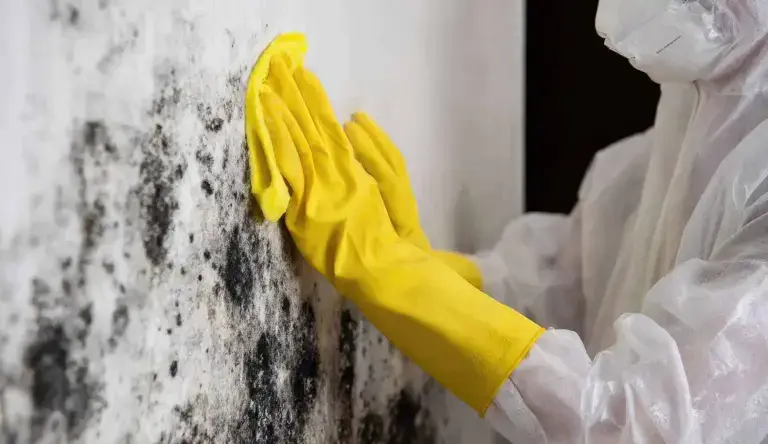
When faced with a patch of mould, the natural instinct is to reach for a bottle of bleach. However, DIY black mould removal can often exacerbate the problem.
-
Spore Dispersal: Scrubbing dry mould releases millions of microscopic spores into the air, where they are easily inhaled or spread to other rooms.
-
Incomplete Eradication: Bleach is an oxidiser; it removes the colour of the mould but rarely penetrates the roots (hyphae) inside porous materials like drywall.
-
Chemical Hazards: Mixing cleaning agents or using them in poorly ventilated spaces can create toxic fumes.
If you are considering a DIY approach, ensure you understand the limitations and safety protocols of at-home removal before you begin.
The professional remediation standard: IICRC S520
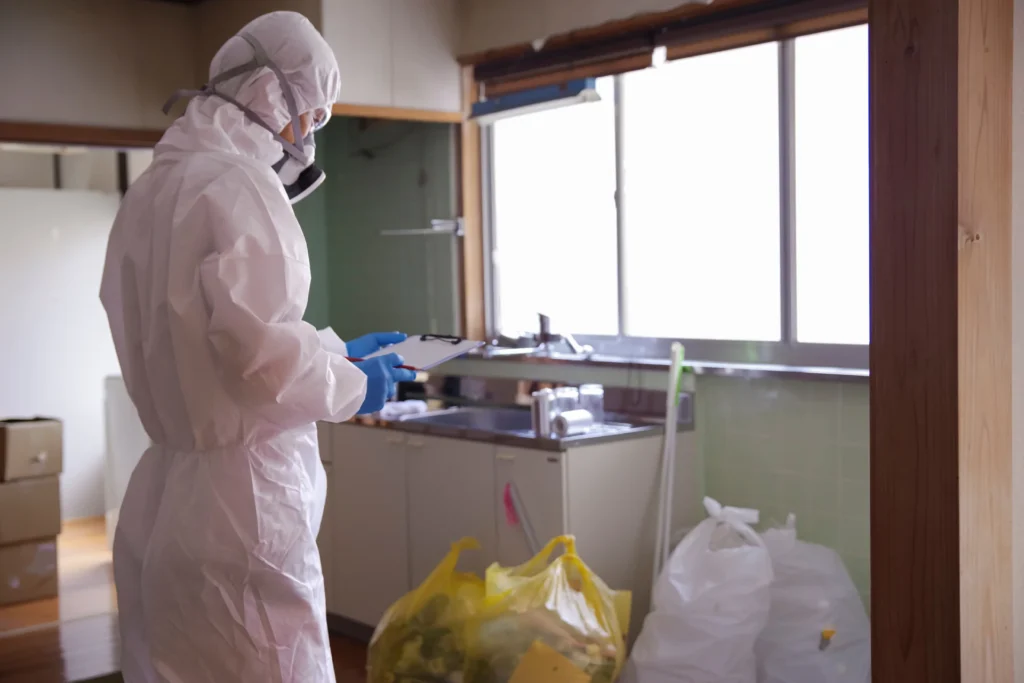
To ensure black mould removal is permanent and safe, professional restoration companies follow the IICRC S520 Standard. This is not a “deep clean”; it is a clinical decontamination process designed to return a property to a “Condition 1” (normal fungal ecology) status.
1. Source identification and moisture mapping
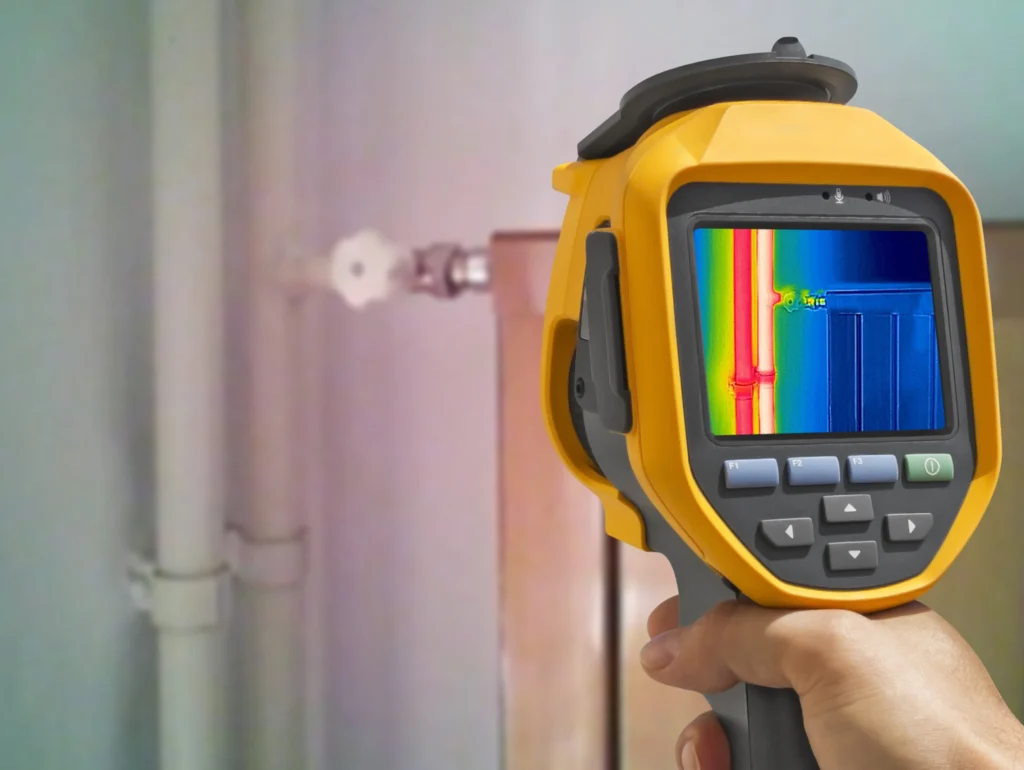
Mould is a symptom of a moisture problem. Professionals use thermal imaging and moisture meters to find hidden leaks or cold spots causing condensation. Without fixing the source, the mould will always return.
2. Containment and air filtration
Specialists set up “Type 4” containment zones using heavy-duty plastic sheeting and negative air pressure. Industrial HEPA air scrubbers are used to “wash” the air, capturing airborne spores and ensuring they do not migrate to unaffected areas of the building.
3. Controlled removal of contaminated materials
Porous materials that have been heavily infiltrated by mould—such as insulation or plasterboard—cannot be cleaned. They must be safely removed, bagged, and disposed of as hazardous waste to prevent cross-contamination.
4. HEPA Vacuuming and biocide application
All surfaces are vacuumed using HEPA-rated equipment to remove physical spores. This is followed by the application of professional-grade biocides that kill any remaining fungal roots without damaging the property’s surfaces.
5. Post-remediation verification
The final step is testing. Air and surface samples are often taken to prove that the spore count has returned to safe, natural levels, providing the property owner with absolute peace of mind.
Awaab’s Law: A new era for tenants and landlords
The UK government’s introduction of Awaab’s Law has made black mould removal a legal priority. Landlords are now under strict timelines to investigate and remediate damp and mould issues that pose a risk to health. This legislation underscores that mould is not a “lifestyle choice” by tenants, but a structural and health-and-safety failure that requires professional intervention.
To learn more about your rights or obligations, see our comprehensive guide to Awaab’s Law.
Protect your property with professional mould removal
If you are dealing with a recurring mould issue, or if the growth covers an area larger than one square metre, DIY methods are no longer appropriate. You need a team that understands the technical science of mould cleaning and removal.
Ideal Response provides 24/7 emergency support across London, Kent, and the Home Counties. We don’t just clean the surface; we decontaminate your environment and address the root cause, ensuring your home or business remains a safe, healthy place to be.
Don’t wait for the problem to grow. Contact Ideal Response today for a professional mould assessment and a permanent removal solution.
Speak to an expert now, on 0800 088 4170
Black mould removal FAQs
How much does professional black mould removal cost in the UK?
The cost of professional black mould removal typically starts from a few hundred pounds for minor surface decontamination but can increase significantly if structural drying or material replacement is required. Factors influencing price include the square footage of the affected area, the type of materials contaminated (e.g., plasterboard vs. brick), and the underlying cause of the moisture.
How long does the black mould removal process take?
For most residential properties, the physical cleaning and decontamination phase of black mould removal takes between 1 to 2 days. However, if structural drying is necessary to address deep-seated damp, the full process—including the use of industrial dehumidifiers—can take 7 to 14 days to ensure the environment is safe for reoccupation.
Can I stay in my house during black mould removal?
In many cases, yes, provided the affected area is properly isolated using professional containment zones and negative air pressure. However, if the mould is extensive or located in a primary living area like a bedroom, it is often recommended to vacate the property for 24–48 hours to avoid exposure to disturbed spores and cleaning biocides.
Is professional mould removal covered by home insurance?
Professional mould removal is generally covered by home insurance if the mould is the direct result of a “covered peril,” such as a sudden burst pipe or flash flooding. It is rarely covered if the mould is caused by long-term neglect, poor ventilation, or general wear and tear. Always check your specific policy wording regarding “fungus” or “biological growth.”
Why does my house still smell musty after cleaning the mould?
A lingering musty odour after DIY cleaning usually indicates that airborne mould spores are still present or that the mould has infiltrated hidden areas, such as behind skirting boards, under floorboards, or within wall cavities. Professional odour neutralisation—which often involves ozone treatment or hydroxyl generators—is required to physically break down the odour molecules and ensure the property is fully decontaminated.
Can I just paint over black mould with anti-mould paint?
No. Painting over black mould is a temporary cosmetic fix that traps the fungus beneath the surface. Mould can continue to grow underneath the paint layer, eventually causing the new paint to bubble, peel, or crack. Anti-mould paints are designed as a preventative measure for clean surfaces; they are not a substitute for proper remediation. All mould must be physically removed and the moisture source fixed before any redecoration takes place.

Chris Hedges - Head of Marketing
With over 25 years' experience, Chris is adept at defining and driving strategy, while also enjoying hands-on operational delivery. He believes in an equal blend of creativity and analytical scrutiny, always finding inventive ways to achieve objectives, underpinned by evidence. Chris’s philosophies are simple: don't overcomplicate, always prioritise customer experience, and bend the rules just enough to cut through the noise and drive momentum and growth.