Available 24/7 | 0800 088 4170

Available 24/7 | 0800 088 4170
Mould is a pervasive problem in many UK homes, fuelled by our damp climate and issues like poor ventilation and rising humidity. While many types of mould are unsightly, the presence of black mould, often mistakenly called ‘toxic’, is especially concerning, carrying health risks and signalling a deeper moisture problem. Tackling a small patch of mould yourself can seem straightforward, but it requires a careful, methodical approach to ensure you don’t just bleach the surface, but actively destroy the spores and prevent regrowth. This guide provides a step-by-step process on how to remove black mould from non-porous surfaces safely, followed by crucial advice on when to call in the certified experts for professional mould removal .
Skip to:
DIY vs Professional mould removal at a glance
Step 1: Preparation & safety
Step 2: Addressing the moisture issues
Step 3: Choosing your cleaning solution
Step 4: Scrubbing & removal
Step 5: Drying
How does Awaab's Law affect mould removal?
How much does professional mould removal cost?
Professional mould remediation
FAQs
| DIY | Professional | |
|---|---|---|
| Best for | Non-porous, less than 1m² | Porous, more than 1m², recurring, hidden |
| Method | Vinegar / peroxide, manual scrub | HEPA vac, fungicidal wash, ULV fogging |
| Root cause | Only if fixed separately | Built into the process |
| Spore containment | Basic sheeting | Negative air pressure + HEPA |
| Cost | Under £20 | See pricing guide |
| Awaab's Law compliant? | No | Yes, if accredited |
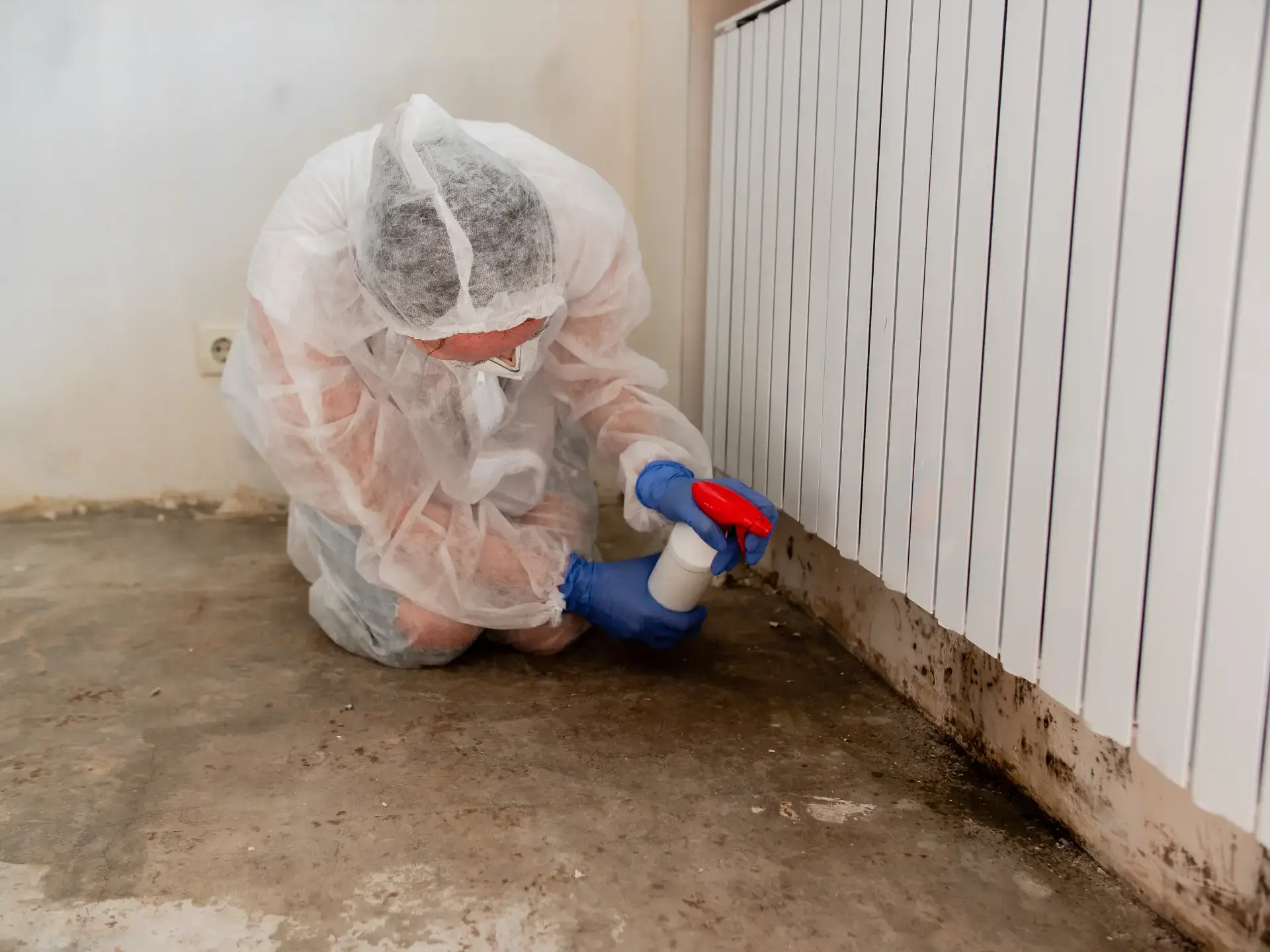
Before you begin, safety is non-negotiable. Disturbing mould releases spores into the air, which can be inhaled and cause respiratory irritation. Toxic mould will also cause further health issues with prolonged exposure.
Surface cleaning is useless if you don’t fix what caused the mould in the first place. Mould needs moisture to thrive, so before touching the mould, identify the source:
If you cannot immediately resolve the moisture source (e.g., a burst pipe or deep structural issue), do not proceed with DIY cleaning.
A professional damp survey is an investment that should be considered if you’re suffering from black mould issues in your property. Yes, it’s an additional cost but you will quickly get far more back in return. Accurately determining the root cause of the mould growth and correctly treating it will ensure you have a mould free property moving forward. For Londoners you can visit out damp survey London page to learn more about our regional teams and book a service today.
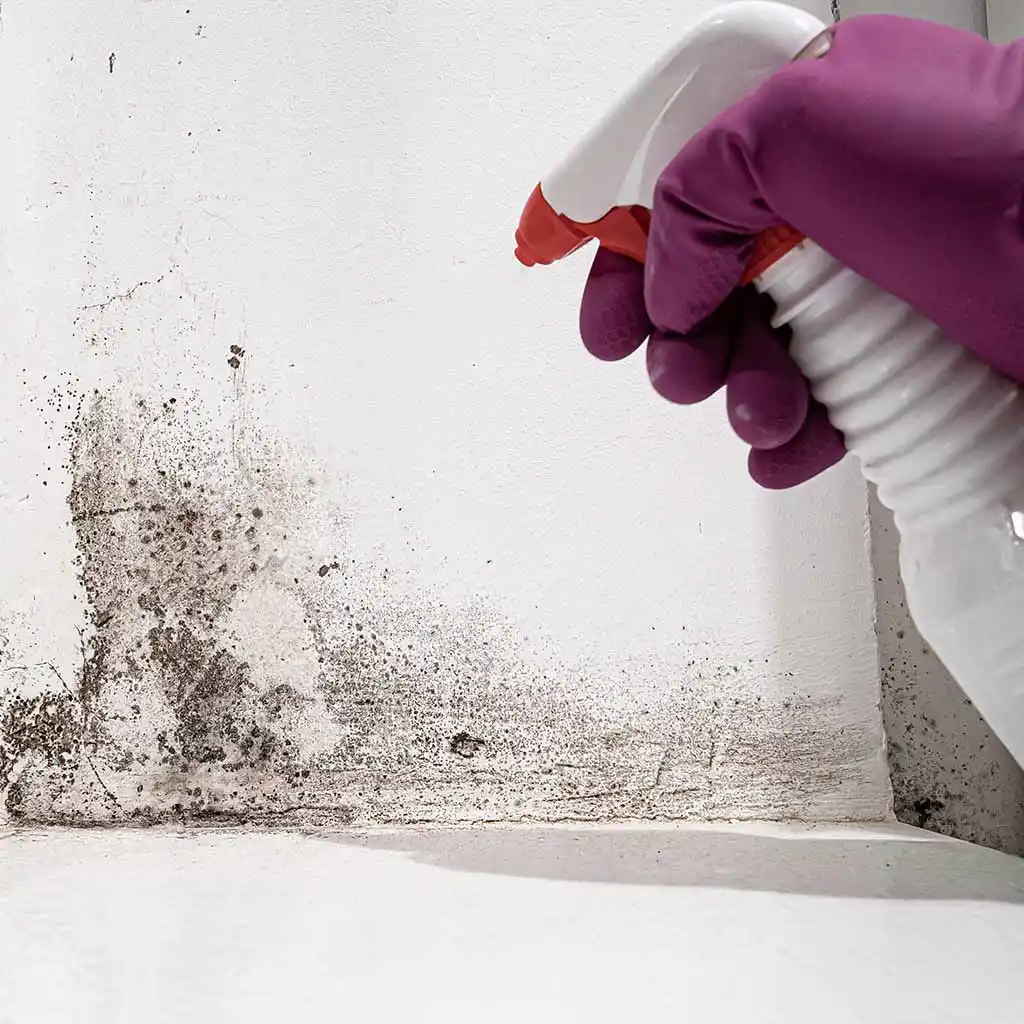
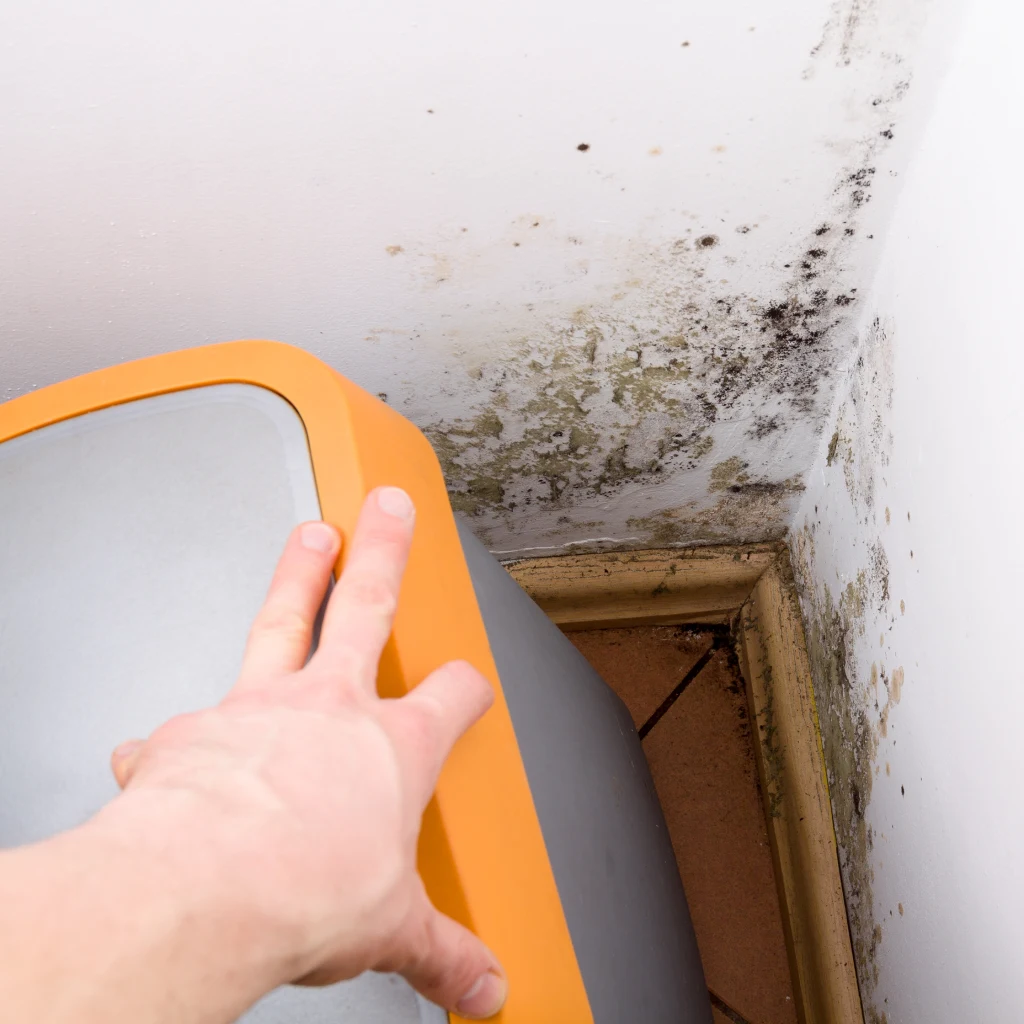
DIY methods should focus on killing the mould root, not just bleaching the colour. Do not use bleach alone, as it can often only kill mould on non-porous surfaces and may not penetrate porous materials like wood or drywall, potentially encouraging deeper growth. Below are a list of the recommended mould removal solutions that won't exacerbate the issues.
For areas larger than 10 square feet it is recommended that you hire a professional. If the mould is over porous surfaces this is even more of a reason to consult with a specialist and hire a reputable mould remediation company. Mould spores when disturbed during cleaning can spread and contaminate other surfaces, resulting in a much more severe mould infestation.
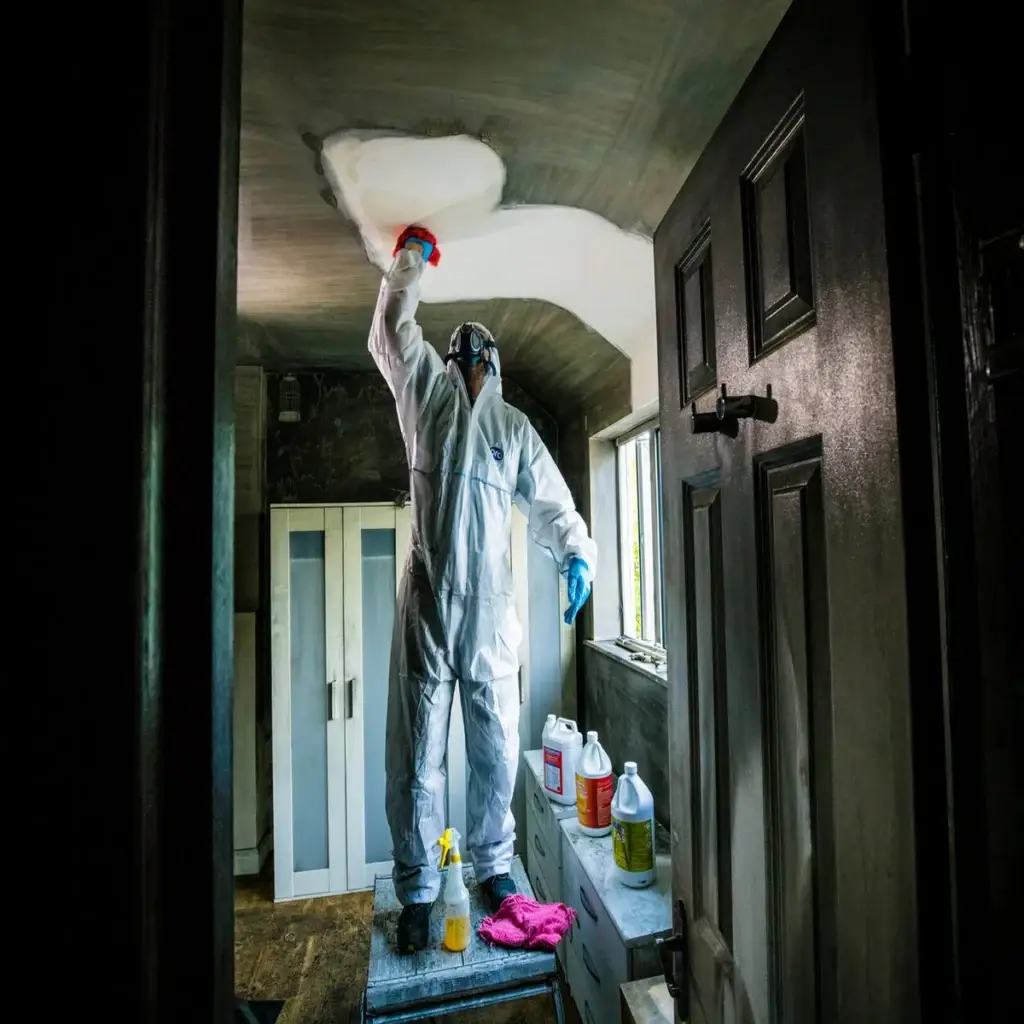
Professional mould removal service providers like Ideal Response have the tools, knowhow and experience to safely carry out a mould remediation service. A professional service includes multiple stages to ensure long-lasting results:
Using a soft brush, cloth, or sponge dampened with your chosen solution, gently scrub the affected area.
This is arguably the most important step for preventing regrowth.
After cleaning, the area must be dried completely. Use dehumidifiers, fans, and open windows to draw moisture away. If the affected area remains damp for more than 48 hours, the mould is likely to return. Professional support is recommended for specialist drying as it is a complex process that requires careful planning and regular checks. Drying a property too quickly can sometimes result in other issues, so doing it right the first time around is ideal.
Another reason why professional drying is recommended is because drying is a broad term for the process but in reality there are many ways to dry a property. The type of damp you’re treating, the substrate affected and other factors must all be considered when carrying out a drying programme to ensure long-lasting results.
To learn more about property drying, check out our Mould Remediation & Structural Drying case study.
Awaab’s Law came into effect for Social Housing in October 2025. The new legislation were put in place to provide social housing tenants with more rights in regard to damp and mould and other health hazards. It puts the onus on Social Landlords and Housing Association to provide timely and professional response to these issues.
If you are a landlord or property manager for social housing properties, DIY cleaning is not enough and can result in hefty fines. The correct response to damp and mould issues is to hire a professional to carry out any necessary work.
Costs scale with how far the mould has spread and what's causing it, which is why quotes online range so widely, from “£100 clean-ups” to “£3,000+ remediation packages.” Based on typical 2026 UK pricing:
| Scope | Typical cost | Includes |
|---|---|---|
| Small, surface-level | £300 – £450 | Localised treatment, surface cleaning, antimicrobial application |
| Medium contamination | £600 – £1,200 | Multi-room remediation, targeted drying, limited material removal |
| Extensive / structural | £1,500 – £5,000+ | Full containment, HEPA filtration, dehumidification, verification testing |
| Professional damp survey | £150 – £300 | Moisture mapping, written report |
Price also depends on the type of mould (black mould requires stricter PPE and filtration than lighter surface moulds), the age and construction of your property, and location, labour and travel costs in London and the South East typically run 10–15% above the national average.
Set against the £10–£50 you'd spend on DIY sprays and sponges, professional remediation looks more expensive on paper. But DIY only ever addresses what you can see; it doesn't fix the underlying moisture source, which is why mould so often returns within weeks of a DIY clean. Professional treatment costs more upfront because it's solving the actual problem rather than the symptom. In the long-term it will save you having to treat the mould multiple times as well as protecting both your property and family from the dangers of mould exposure .
For a full breakdown of what affects pricing and what you're actually paying for, see our complete guide to professional mould cleaning costs .
Surface cleaning only tackles symptoms, not the source. If mould repeatedly returns after DIY cleaning, it is driven by three main factors:
Stubborn or recurring mould indicates a deeper property defect like condensation, rising moisture, or water ingress. Permanent resolution requires identifying the root cause through professional diagnosis.
If mould continues to reoccur you should seek the help of a professional damp surveyor to identify the root cause. Once you have a professional report and recommended works a mould removal specialist will be able to remove all traces of mould and ensure the issue is solved.
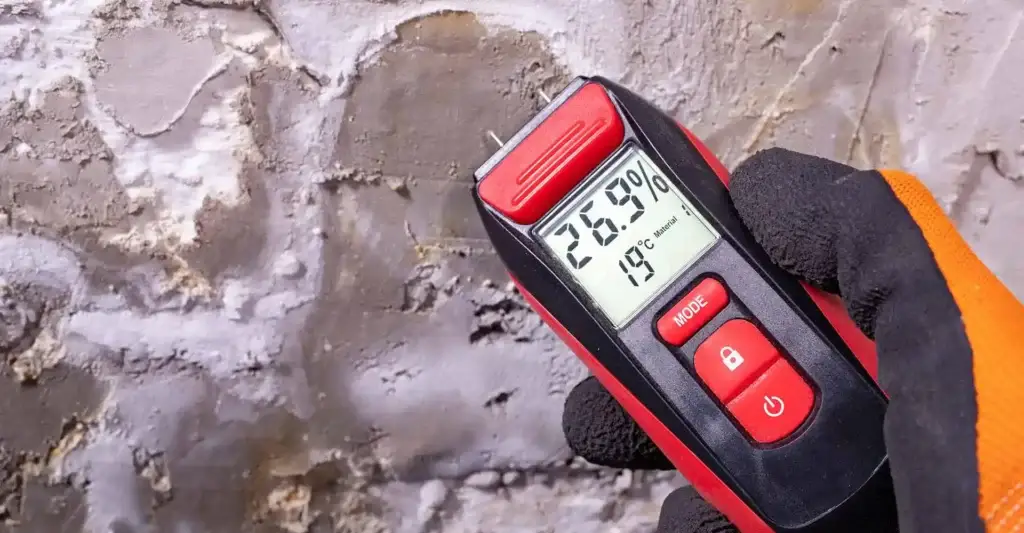
While the steps above are effective for small, superficial patches of surface mould (less than a square metre), attempting to remove large-scale mould or mould on porous materials (like plasterboard, insulation, or wood) using DIY methods is ineffective and hazardous.
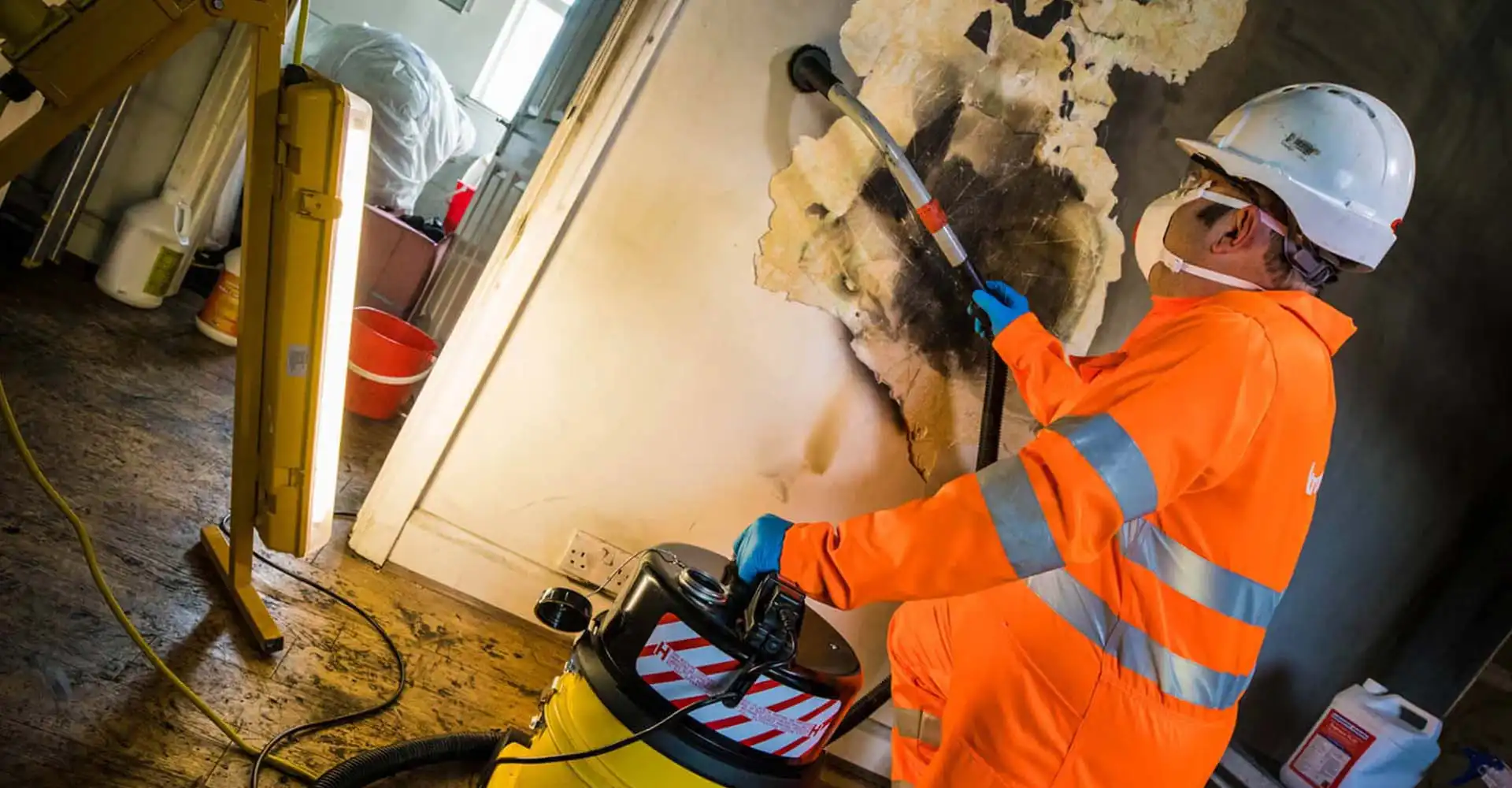
Professional mould remediation specialists who operate under strict health and safety protocols go far beyond surface cleaning. They use industrial-grade air filtration (HEPA filtration) to capture airborne spores, physically remove contaminated porous materials, and apply professional-grade biocides to thoroughly eradicate the contamination at the source. If the mould covers a wide area, returns quickly after cleaning, or is the result of a hidden structural water leak, the risk of inadequate removal is too high. You risk both your health and the integrity of your property.
If you are dealing with a recurring issue, have sensitive health conditions, or if the mould covers an area larger than a standard bath towel, it’s time to call in certified experts. They will address the underlying moisture source and ensure the property is fully decontaminated.

Chris Hedges is Head of Marketing at Ideal Response and the author of every article published on this site. With over 25 years of senior marketing experience across property, legal, and professional services sectors, Chris brings a clear, evidence-led approach to writing about fire damage, flood restoration, and specialist property remediation. His philosophy is simple: cut through the noise, respect the reader's time, and give people the information they actually need.
Explore more articles about damage restoration, specialist cleaning and what we do