Available 24/7 | 0800 088 4170

Available 24/7 | 0800 088 4170
For many in the UK, a patch of damp on a wall is seen as a minor maintenance issue. However, as medical research and evolving safety standards have shown, the reality is far more dangerous. Understanding mould toxicity symptoms is no longer just about property care, it is a critical part of protecting your health and ensuring your living environment is fit for habitation. From persistent respiratory distress to the complex neurological impact of mycotoxins, mould exposure can have life-altering consequences. This guide explores the universal signs of toxicity and explains when you must move from DIY cleaning to professional mould remediation to protect yourself and your family.
Skip to:
What is mould toxicity?
Identifying primary mould toxicity symptoms
Short-term vs long-term mould exposure symptoms
Legal obligations and Awaab’s Law
Why DIY cleaning fails to address toxicity
Professional remediation: Restoring your health
FAQs
“Mould poisoning” is the term most people search for, but it's not a formal medical diagnosis, what's actually happening is exposure to mould spores and, in some cases, the mycotoxins certain species produce. According to the NHS, living with damp and mould makes respiratory problems, respiratory infections, allergies, and asthma more likely, and can also affect the immune system. For most people, this shows up as the kind of short-term symptoms covered above, but severity depends heavily on the concentration of spores, how long exposure continues, and individual sensitivity: children, the elderly, and anyone with an existing respiratory or immune condition are at greater risk of more serious effects. The UK Government's guidance for housing providers is clear that these effects tend to worsen the longer the problem is left untreated, which is why identifying and fixing the moisture source matters more than any cleaning method used on the mould itself.
Mould toxicity, or Mycotoxicosis, occurs when the body is exposed to high concentrations of fungal spores or the toxic chemical by-products they produce, known as mycotoxins. While common moulds like Cladosporium are often linked to allergies, “ black mould ” ( Stachybotrys chartarum ) is notorious for releasing toxins that can penetrate the respiratory system and blood-brain barrier.
To understand more about the different species found in British properties, see our Mould Type Classification blog.

Symptoms of mould exposure are often misdiagnosed because they mimic the common cold, hay fever, or chronic fatigue. However, if your health improves when you leave your property and worsens upon your return, you may be experiencing environmental toxicity.
The most immediate mould toxicity symptoms are often respiratory. Spores act as irritants that trigger:
Mycotoxins can affect the central nervous system. Residents in heavily contaminated properties often report:
Direct contact with spores or high airborne concentrations can cause:
For a deeper look at the long-term biological threats, read our Essential Guide to the Health Risks of Black Mould.
| Category | Short-term (hours - days) | Long-term (weeks - months+) |
|---|---|---|
| Respiratory | Sneezing, coughing, throat irritation, mild wheezing | Chronic sinusitis, recurring chest infections, new-onset asthma, worsened COPD |
| Neurological | Mild headache, slight difficulty concentrating | Persistent "brain fog," memory issues, chronic migraines, mood changes |
| Skin/eyes | Itchy or watery eyes, mild skin irritation | Recurring dermatitis, chronic rashes, ongoing eye irritation |
| Energy levels | Slight tiredness after time in the property | Chronic fatigue that doesn't improve with rest |
| Pattern | Appears during/shortly after exposure, resolves once you leave | Persists even after short absences; resolves only once remediated |
| Reversibility | Generally fully reversible once exposure stops | May require longer recovery even after remediation |
| Most at risk | Anyone with existing allergies/sensitivities | Children, elderly, immunocompromised, pre-existing respiratory conditions |
According to the NHS, damp and mould exposure increases the likelihood of respiratory problems, respiratory infections, allergies, and asthma, and can also affect the immune system, with those most at risk including children, the elderly, and anyone with existing respiratory or immune conditions. The UK Government's official guidance for housing providers reinforces this, noting that damp and mould health effects tend to worsen the longer exposure continues, which is the basis for the short-term/long-term distinction in the table above.
While the health risks of mould affect everyone, the UK has introduced specific legislation to protect the most vulnerable. Awaab’s Law , introduced as part of the Social Housing (Regulation) Act following the tragic death of Awaab Ishak, mandates that social landlords must investigate damp and mould issues within 14 days and begin emergency repairs within 24 hours if there is a significant risk to health. This law underscores that mould is a structural and health failure, not a “lifestyle choice,” and sets a benchmark for the professional standards required to keep tenants safe across all housing sectors.
Learn more about professional standards in our Comprehensive Guide to Black Mould Removal.

When people search for how to remove mould, they often reach for household bleach. While this might remove the black staining, it rarely addresses the mould toxicity symptoms.
Learn more about what successful mould removal looks like from our Mould Remediation & Structural Drying case study.
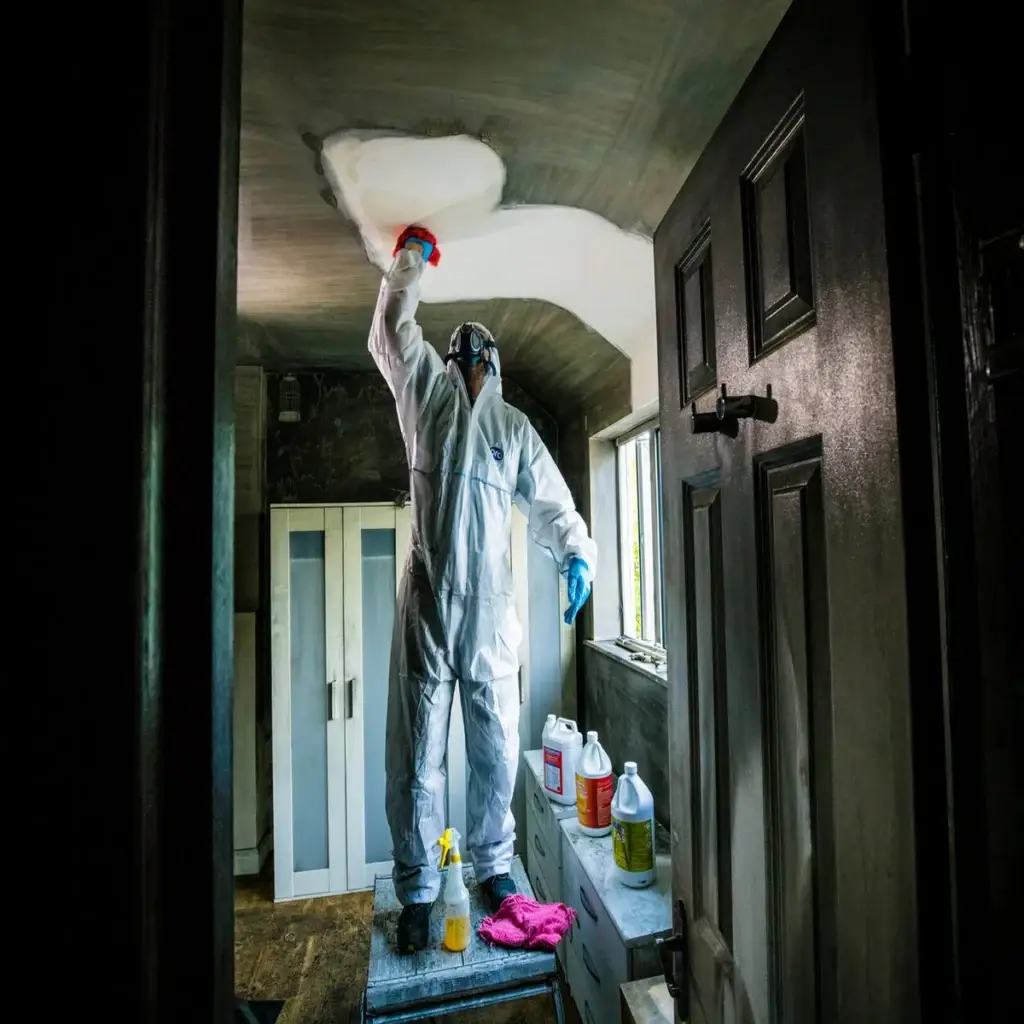
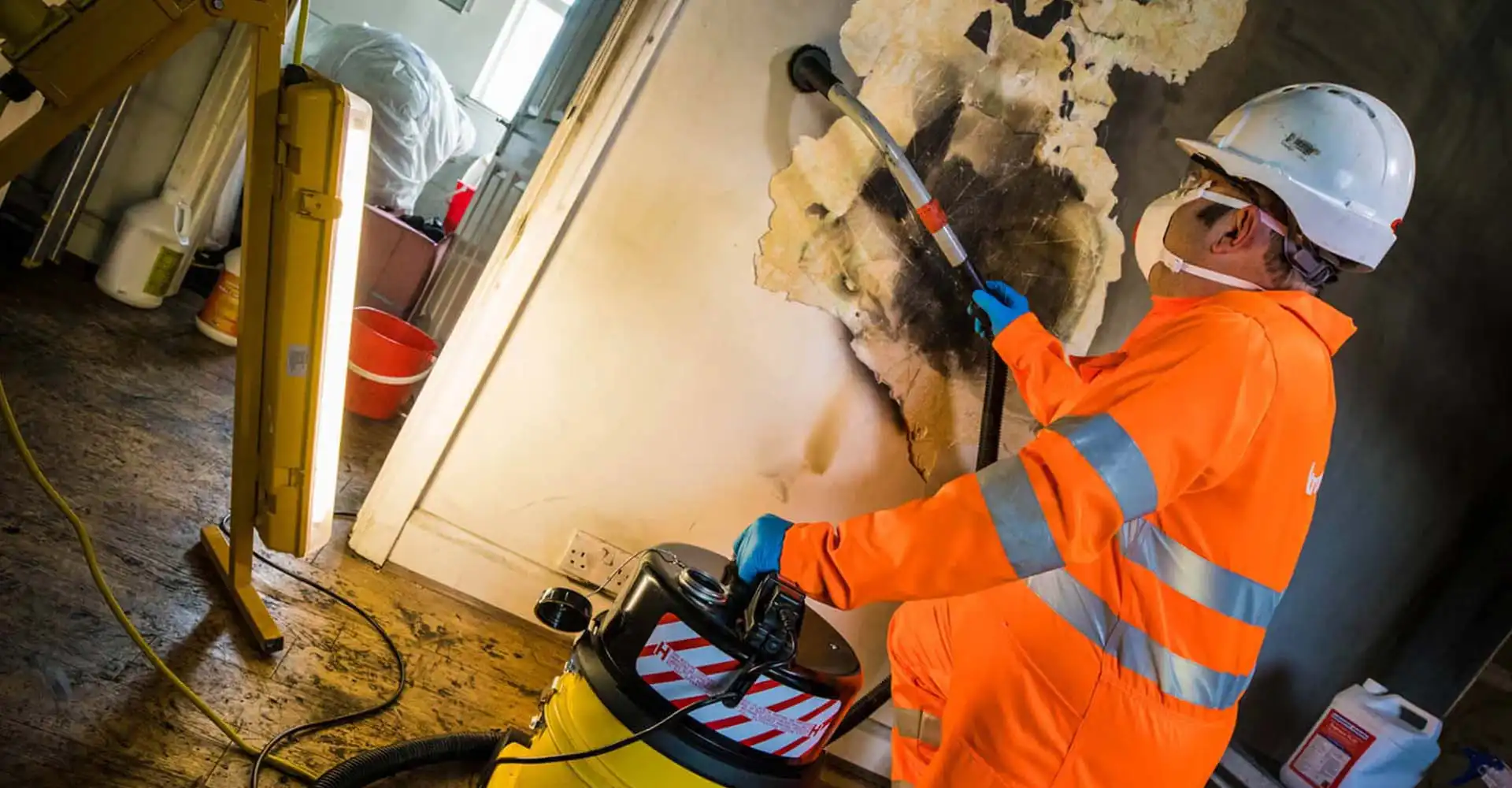
If you are suffering from mould toxicity symptoms, the priority is to return the property to a “Condition 1” status, a normal fungal ecology. This requires more than a standard cleaner; it requires a specialist who can identify the moisture source through thermal imaging and physically remove the airborne threat.
Ideal Response provides 24/7 expert support across London, Kent, and the South East. We use industrial-grade air scrubbers and biocides to ensure your environment is not just visually clean, but biologically safe.
Stop the cycle of mould-related illness. Contact Ideal Response today for a professional assessment and certified remediation.

Chris Hedges is Head of Marketing at Ideal Response and the author of every article published on this site. With over 25 years of senior marketing experience across property, legal, and professional services sectors, Chris brings a clear, evidence-led approach to writing about fire damage, flood restoration, and specialist property remediation. His philosophy is simple: cut through the noise, respect the reader's time, and give people the information they actually need.
Explore more articles about damage restoration, specialist cleaning and what we do
If you’re dealing with fire damage, flooding, or an environmental incident, our team is ready to respond. No matter if you have a question or have an emergency that you need help with, call:
If you’d prefer to drop us a message, use our main contact form and upload any pictures of the incident. Would you like us to call you? Fill out the short ‘Request a call back’ form.