Available 24/7 | 0800 088 4170

Available 24/7 | 0800 088 4170
Black mould is one of the most persistent and concerning issues facing UK property owners today. Beyond being an unsightly blotch on your décor, it represents a significant biological risk to both your property’s structure and the health of everyone inside. Black mould requires professional mould removal to ensure that all spores and roots are completely eradicated, ensuring no regrowth. With the introduction of Awaab’s Law (affecting social housing), the standard for a “safe” home has shifted from simple aesthetics to mandatory biological safety. In this guide, we answer the three most critical questions: what is black mould, what causes black mould, and most importantly, how to stop black mould for good.
Skip to:
What is black mould?
What causes black mould?
How to stop black mould
Protecting your health and property
FAQs
To solve the problem, you first need to understand the science. What is black mould? Technically known as Stachybotrys chartarum , it is a microfungus that thrives on moisture-heavy, cellulose-rich materials such as plasterboard, wallpaper, and wood.
Unlike common surface mildews, black mould is often slimy to the touch and dark green or black in appearance. Its primary danger lies in its reproduction: it releases microscopic spores and mycotoxins into the breathing air. These toxins are linked to “Sick Building Syndrome” and can lead to chronic respiratory issues, skin irritation, and severe allergic reactions.
To learn more about the specific varieties of fungi, see our guide on the different types of mould found in UK homes .
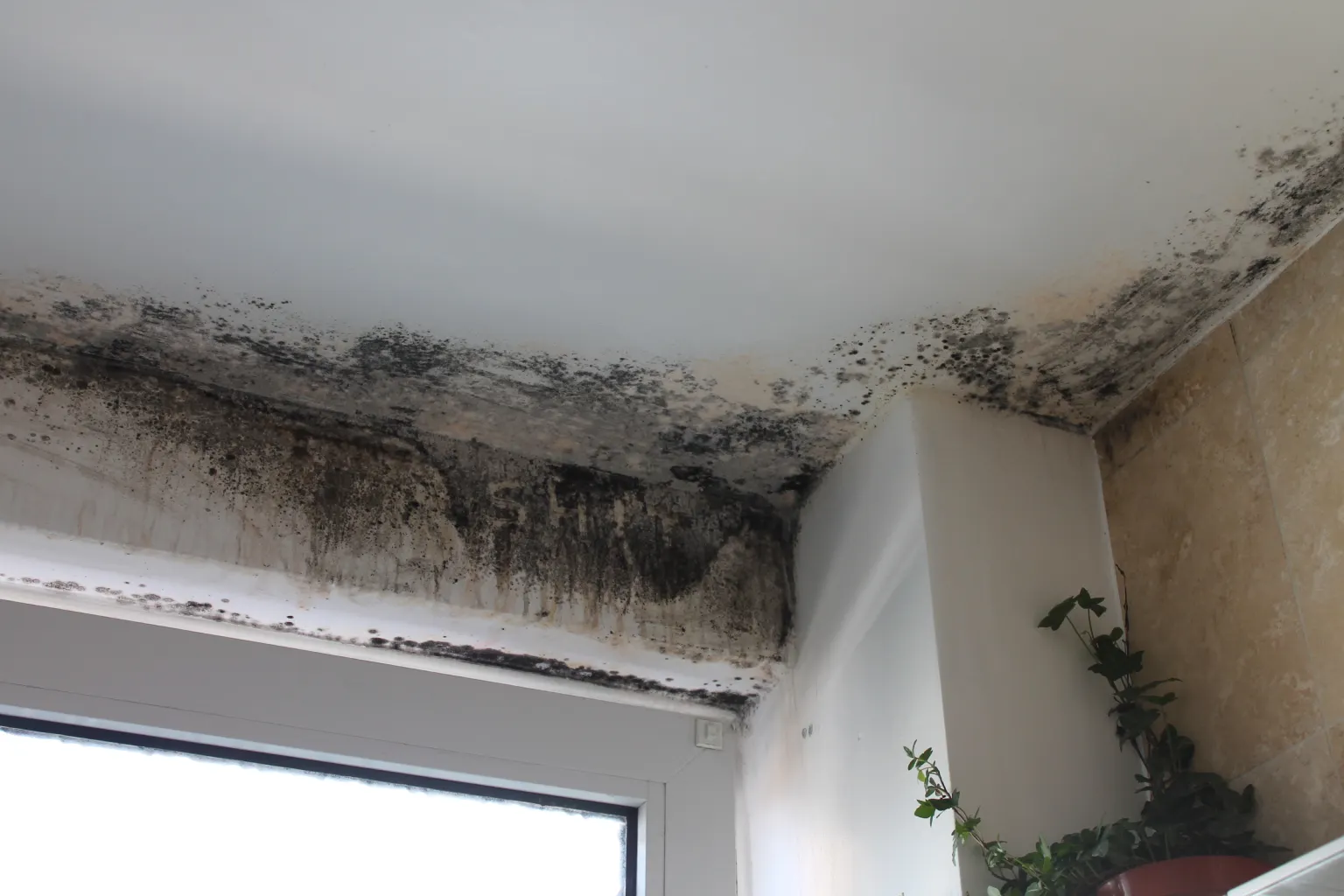
The UK’s damp climate and older building stock create a “perfect storm” for fungal growth. If you are noticing dark patches appearing, the next logical question is: what causes black mould?
Mould is always a symptom of a moisture problem. It only colonises areas where the relative humidity is consistently above 70%. The most common culprits include:
Understanding that mould is a “water problem” is the first step in remediation. Surface cleaning without addressing these root causes is a temporary fix at best. A professional damp survey can help to identify the root cause and contribute to a permanent fix.
If the mould is returning, covers a large area, or is affecting the health of your family or tenants, you need a mould remediation specialist, not just a cleaner.
To learn more about what a professional mould removal service looks like, visit our Urgent black mould removal case study.
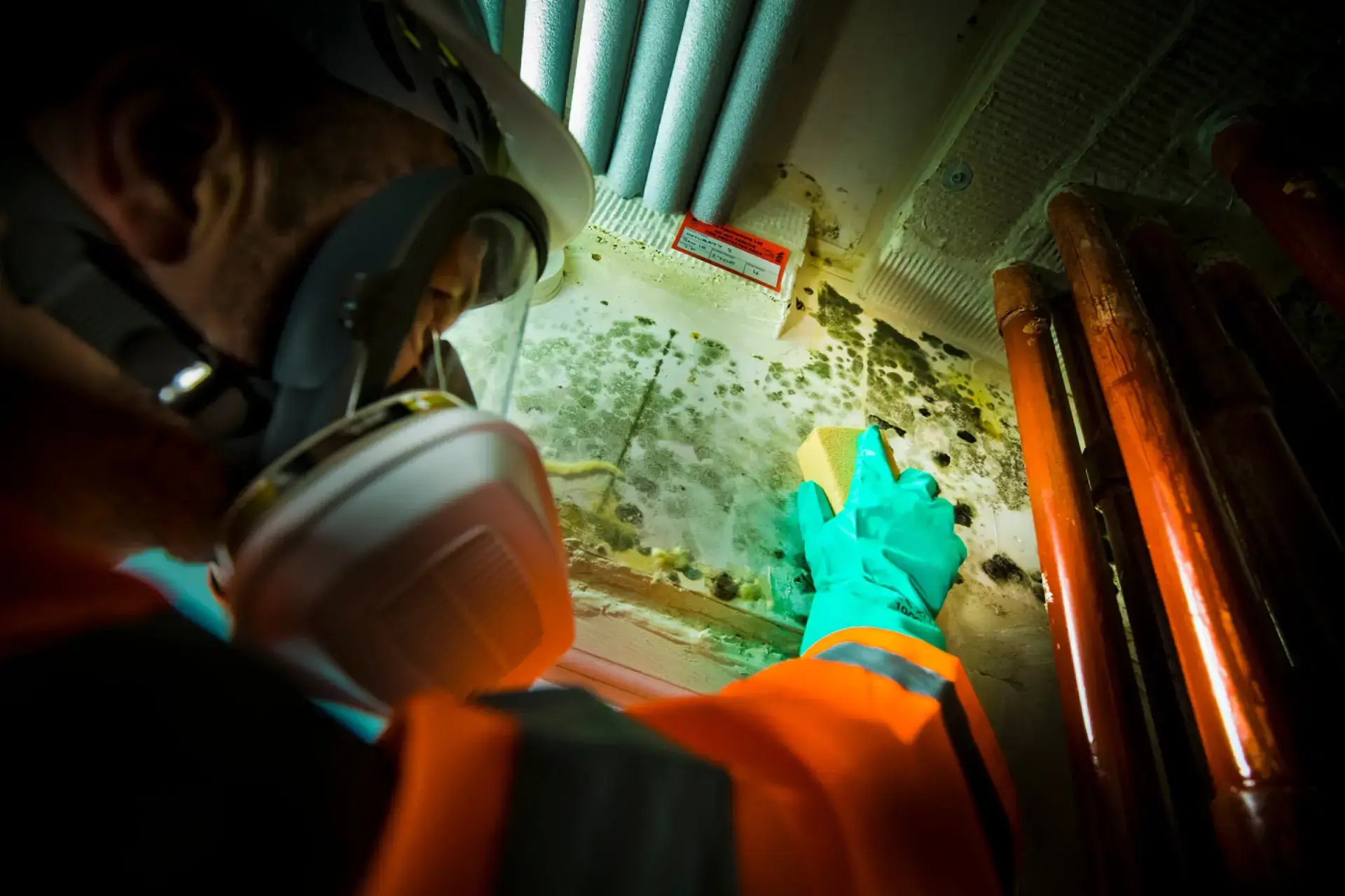
Understanding the health risks of black mould is critical. From asthma flare-ups to chronic fatigue, the impact of living in a contaminated environment is documented and dangerous.
Ideal Response provides 24/7 expert support across London, Kent, Maidstone, and Canterbury. We don’t just hide the problem; we eradicate the spores, fix the source, and ensure your property is safe to breathe in again.
Don’t settle for a temporary fix. Contact the Ideal Response team today on 0800 088 4170 for a professional assessment and a permanent, certified mould removal solution.

Chris Hedges is Head of Marketing at Ideal Response and the author of every article published on this site. With over 25 years of senior marketing experience across property, legal, and professional services sectors, Chris brings a clear, evidence-led approach to writing about fire damage, flood restoration, and specialist property remediation. His philosophy is simple: cut through the noise, respect the reader's time, and give people the information they actually need.
Explore more articles about damage restoration, specialist cleaning and what we do
If you’re dealing with fire damage, flooding, or an environmental incident, our team is ready to respond. No matter if you have a question or have an emergency that you need help with, call:
If you’d prefer to drop us a message, use our main contact form and upload any pictures of the incident. Would you like us to call you? Fill out the short ‘Request a call back’ form.