Available 24/7 | 0800 088 4170

Available 24/7 | 0800 088 4170
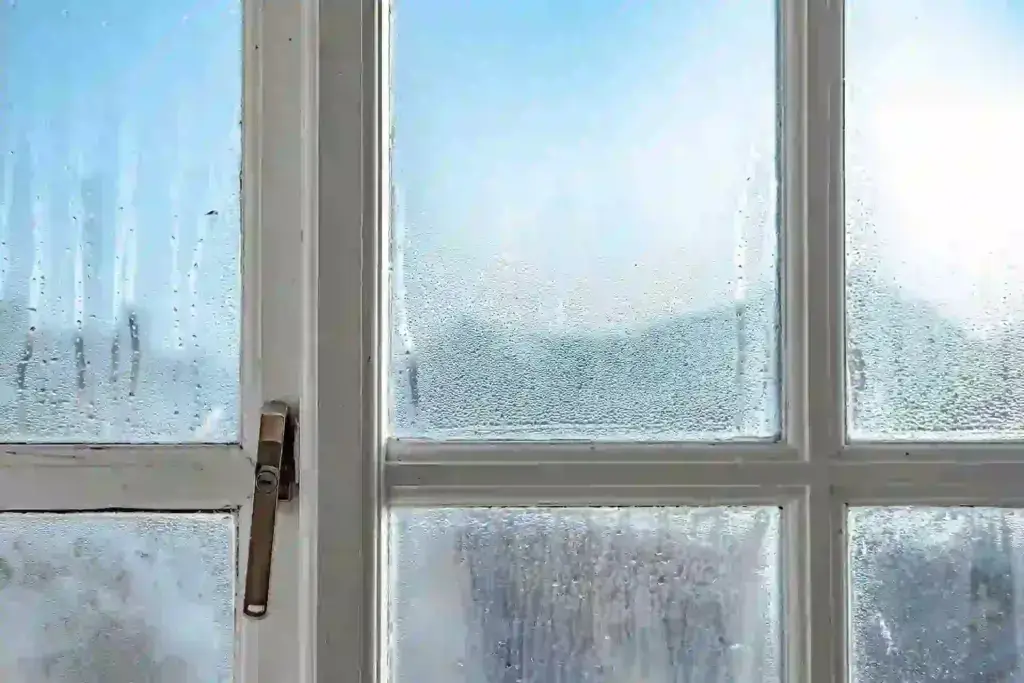
If you have noticed water droplets on your windows or a musty smell in your rooms, you are likely dealing with the most common form of moisture issue in the UK: condensation. While it might seem like a minor inconvenience, failing to address it can lead to persistent condensation damp, which can damage your property and your health.
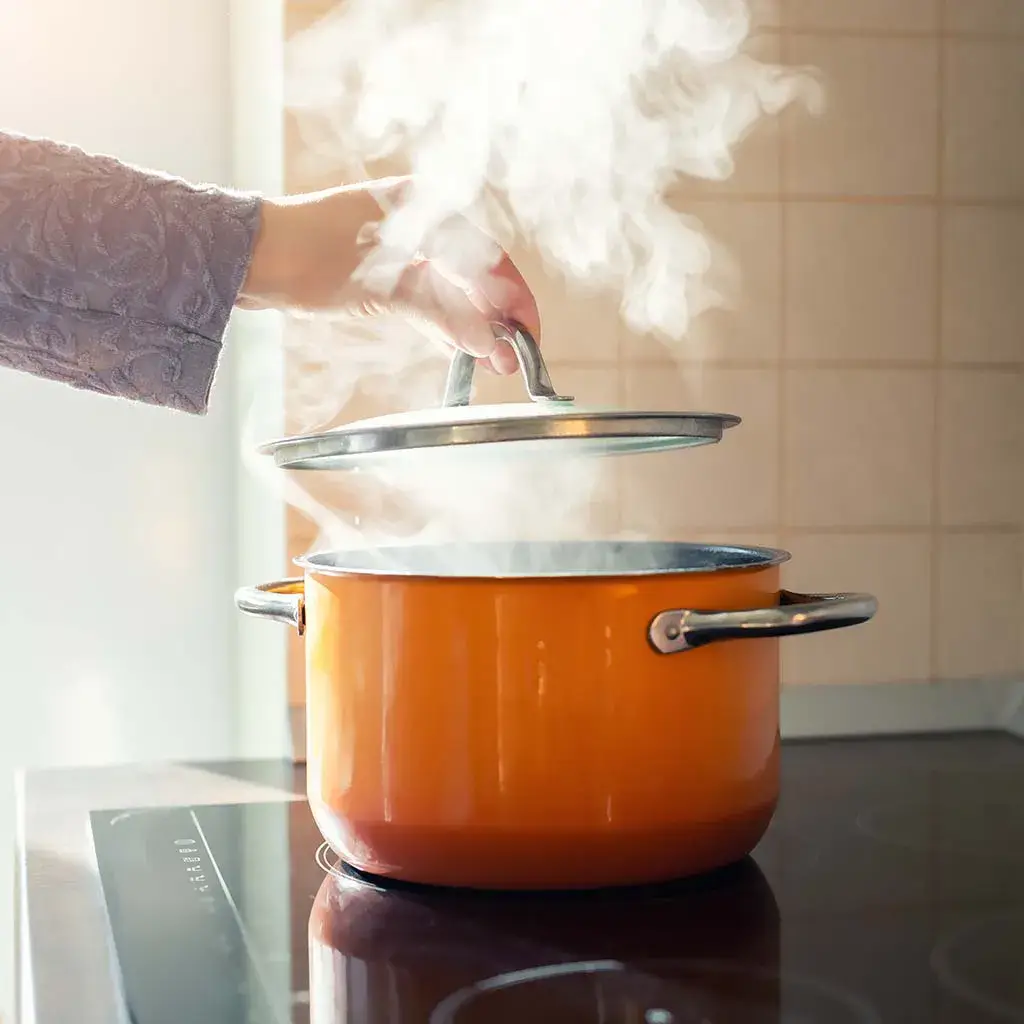
But what is condensation, and how does it differ from other moisture problems? In simple terms, condensation occurs when warm, moist air comes into contact with a cold surface (like a window or an external wall), turning back into liquid water.
Skip to:
The common signs of condensation
The dangers of condensation damp
Understanding the different types of damp
Simple fixes for condensation
Summary
FAQs
Unlike a structural leak, which often appears as a concentrated drip or a single damp patch, condensation is usually systemic and atmospheric. Look for these specific indicators:
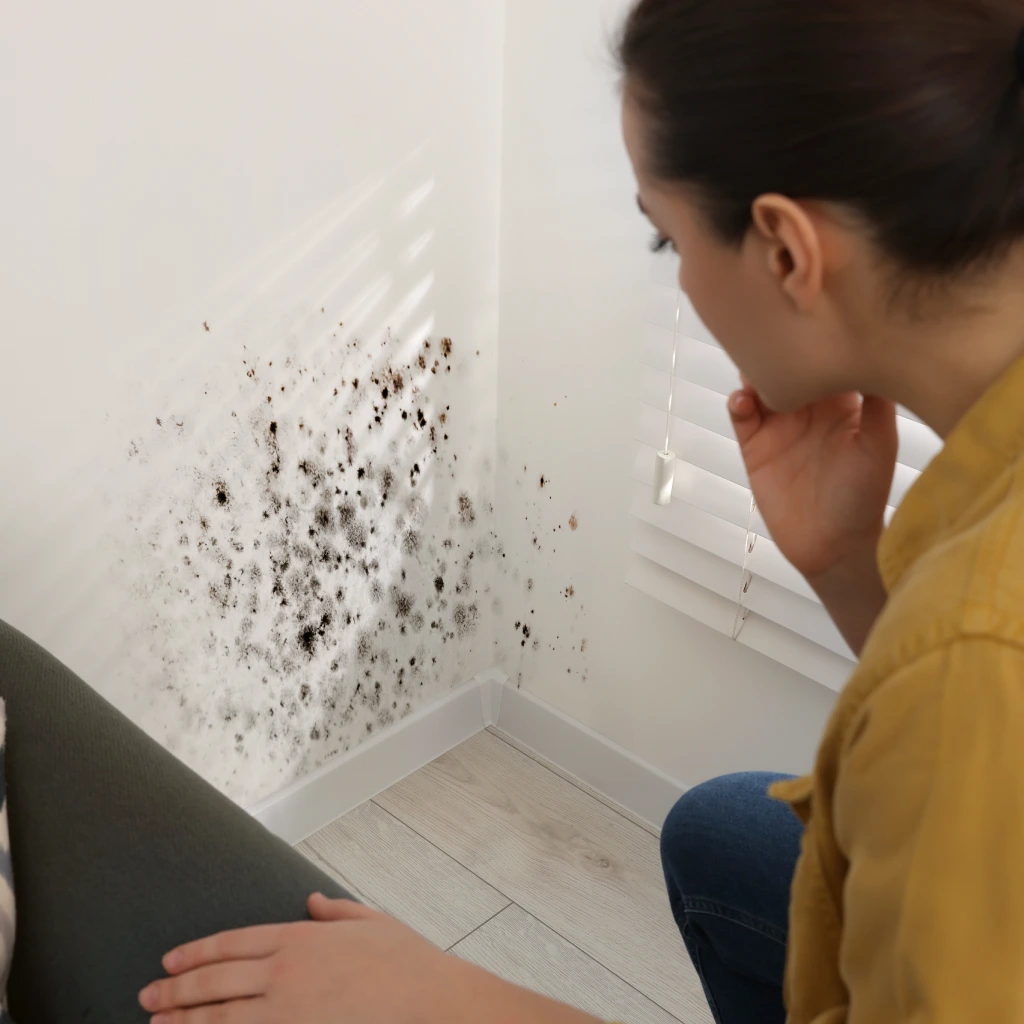
When condensation is left unmanaged, it transitions from a nuisance into a genuine hazard. The two primary expensive outcomes involve your physical health and your property’s structural integrity.
The most immediate and visible danger of condensation is the rapid proliferation of mould. When warm, moisture-laden air settles on a cold surface, it provides the perfect ecosystem for mould to thrive.
Inhaling these spores can lead to chronic coughing, wheezing, and skin irritations. Beyond health, the moisture ingress weakens plasterboard and creates the damp conditions required for wood-rotting fungi to take hold, potentially leading to costly timber replacements.
To solve a moisture problem, you must first identify the source. Using the wrong treatment on the wrong type of damp is a common and expensive mistake.
For a complete breakdown, see our guide on common types of damp issues in homes. It is important to note that while our leak detection services focus on plumbing or structural breaches, condensation requires a focus on thermodynamics and airflow.
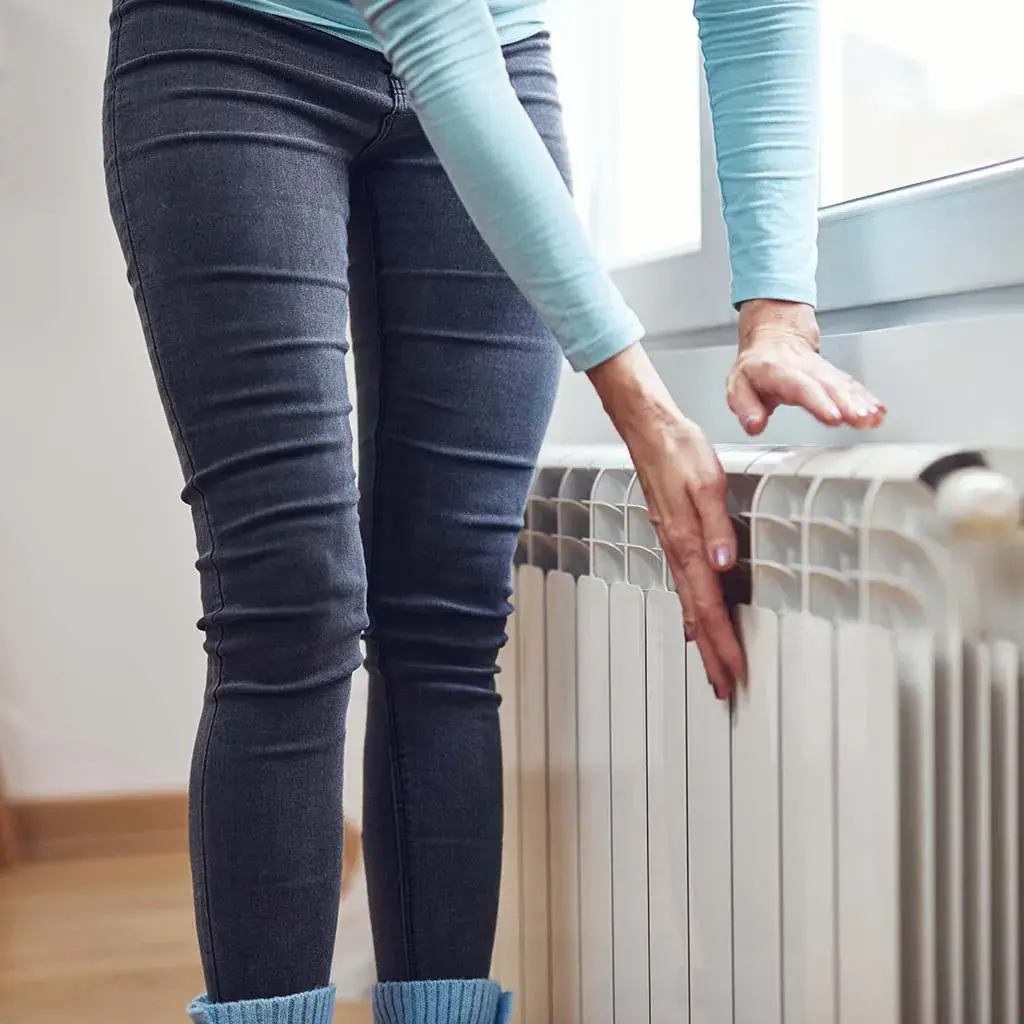
Addressing the root cause involves balancing Heating, Insulation, and Ventilation.
Additional info: The dew point is the temperature at which air becomes saturated with moisture. Relative Humidity measures how close the air is to that saturation point at its current temperature. As air cools, its capacity to hold water decreases, causing Relative Humidity to rise. When the air temperature, or the temperature of a surface the air touches, drops to the dew point, excess moisture converts from gas to liquid, resulting in condensation. The most common areas for condensation to appear are windows and exterior walls.
In summary, condensation is a manageable issue, but only if addressed with the right technical knowledge. By understanding that it is a symptom of high humidity and poor ventilation, you can take control of your home’s environment. If you are battling persistent condensation damp, remember that masking the smell or painting over the mould will not solve the problem. Professional diagnosis and targeted ventilation are the only way to ensure a dry, healthy home.
Ideal Response are experts in damp surveys and identifying the root cause of damp issues in UK properties, both domestic and commercial. Contact our team today to discuss the issues you’re facing and get a quote for a professional damp survey.
We were contacted by a prominent property developer to help solve the moisture problem they had at a major development. In the Construction Drying for Major Development case study you will learn how our team successfully dried a development with over 32 apartments all with over 85% relative humidity.

Chris Hedges is Head of Marketing at Ideal Response and the author of every article published on this site. With over 25 years of senior marketing experience across property, legal, and professional services sectors, Chris brings a clear, evidence-led approach to writing about fire damage, flood restoration, and specialist property remediation. His philosophy is simple: cut through the noise, respect the reader's time, and give people the information they actually need.
Explore more articles about damage restoration, specialist cleaning and what we do
If you’re dealing with fire damage, flooding, or an environmental incident, our team is ready to respond. No matter if you have a question or have an emergency that you need help with, call:
If you’d prefer to drop us a message, use our main contact form and upload any pictures of the incident. Would you like us to call you? Fill out the short ‘Request a call back’ form.