Available 24/7 | 0800 088 4170

Available 24/7 | 0800 088 4170
If you have noticed a tide mark appearing on your ground floor walls or a persistent musty smell in your home, you may be dealing with rising damp. Unlike other forms of moisture ingress, rising damp is a specific structural issue that requires a professional damp survey and intervention to prevent long-term damage to your property and health. A quick fix wont work, rising damp requires a complete solution to prevent reoccurrence.
In this guide, we explore what causes rising damp, how to identify it, and the professional steps required to remediate it. You’ll also learn about the other types of damp in order to help you identify what’s really going on inside your property.
Skip to:
What is rising damp?
Causes of rising damp
Understanding the different types of damp
Common signs if rising damp
The risks of rising damp
How to treat rising damp
Summary
FAQs
Rising damp occurs when ground water is sucked up through the porous materials of a building, such as bricks, stone, and mortar, via a process called capillary action. This leads to “tide marks”, visual damp patches that start at the bottom of ground floor walls and typically rises to around 1m high.
Most modern buildings are equipped with a Damp Proof Course (DPC) or a Damp Proof Membrane (DPM) designed to act as a barrier. However, in older properties or cases where the DPC has been “bridged” by high external ground levels or debris, moisture begins to climb the walls, usually reaching a height of about one metre.
Understanding the root cause of rising damp is essential for a permanent fix. It is rarely a result of a single factor but rather a combination of structural age and environmental changes:
It is easy to misdiagnose moisture issues. While rising damp is a specific ground-level problem, your property may be suffering from other forms of dampness:
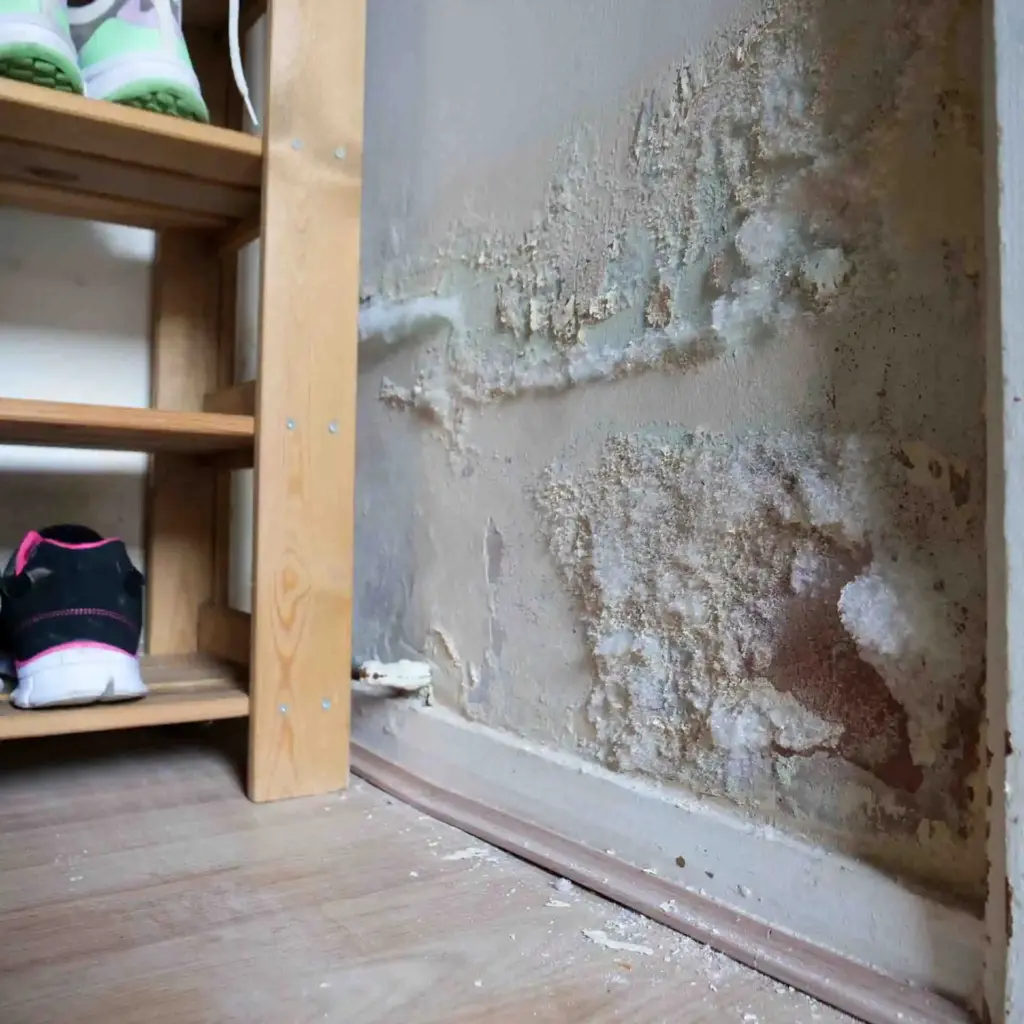
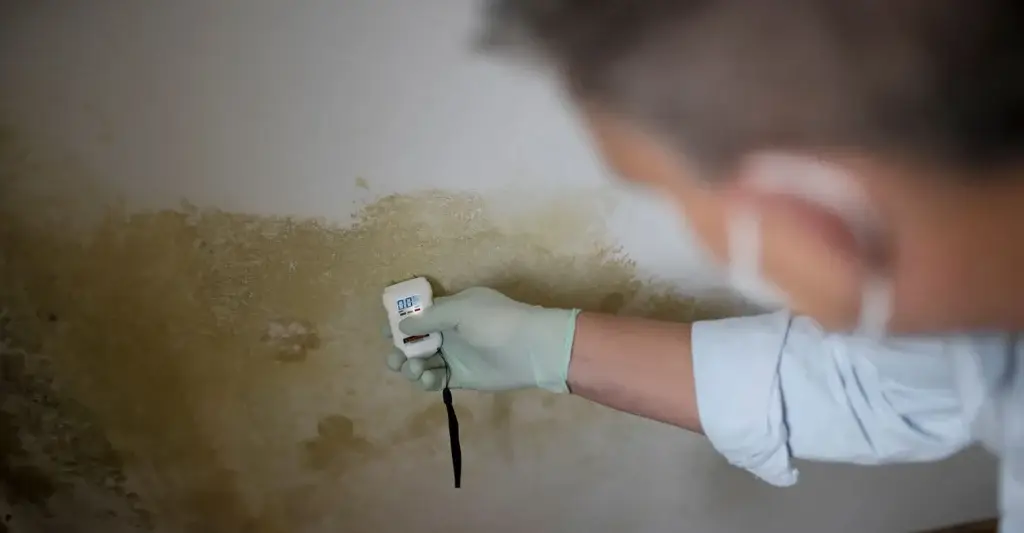
If you are sure the issue is rising from the ground up, look out for these key indicators:
Treating rising damp isn’t as simple as painting over the stain. Effective remediation involves:
Rising damp is a complex issue that requires a technical solution rather than a cosmetic cover-up. By understanding the specific causes, from DPC bridging to material degradation, property owners can take proactive steps to safeguard their property. A successful restoration not only stops the moisture at its source but also ensures the building is professionally dried and treated for secondary issues like mould. Addressing these problems early is the most effective way to maintain a healthy, stable, and valuable home.
Contact our team today if you have concerns of your property and the possibility of rising damp. We provide comprehensive damp surveys, specialist drying and professional mould remediation. We’re available 24/7, 365 days a year, ready to offer you our service whenever you need them.

Chris Hedges is Head of Marketing at Ideal Response and the author of every article published on this site. With over 25 years of senior marketing experience across property, legal, and professional services sectors, Chris brings a clear, evidence-led approach to writing about fire damage, flood restoration, and specialist property remediation. His philosophy is simple: cut through the noise, respect the reader's time, and give people the information they actually need.
Explore more articles about damage restoration, specialist cleaning and what we do
If you’re dealing with fire damage, flooding, or an environmental incident, our team is ready to respond. No matter if you have a question or have an emergency that you need help with, call:
If you’d prefer to drop us a message, use our main contact form and upload any pictures of the incident. Would you like us to call you? Fill out the short ‘Request a call back’ form.


