Available 24/7 | 0800 088 4170

Available 24/7 | 0800 088 4170
Water damage remains a consistent and looming threat for any homeowner. It’s not always obvious, but it can spread fast and before you know it, you have a severe problem on your hands. Water damage can lead to issues such as damaged infrastructure, mould and more complications. You may be wondering, the best ways on how to prevent water damage? We recommend taking proactive measures, such as the expert tips we’ll be providing in today’s blog post.
In the UK, water damage is an unfortunate reality, in part due to the Great British weather. However, the experienced team at Ideal Response specialises in all aspects of water damage , from conducting damp surveys to specialist cleanings. You can rest assured should you ever experience any type of water damage, the team at Ideal Response will be available to alleviate the impact quickly and restore your property to a safe and stable condition.
Continue reading for some helpful tips on preventing water damage and keeping your home protected throughout the year.
Skip to:
1 - Inspect for hidden leaks
2 - Maintain proper basement drainage
3 - Clear debris from gutters
4 - Locate your water shut-off valve
5 - Protect pipes from freezing temperatures
6 - Inspect your roof
7 - Insulate any exposed pipes
8 - Avoid running water-consuming appliances when you're away
9 - Leave a spare set of keys with a trusted neighbour
10 - Turn off your water supply when not in use
11 - Check for signs of moisture and mould
12 - Invest in a reliable water protection system
Choosing Ideal Response for water damage restoration
FAQs
The first tip to preventing water damage in your home is to search for hidden leaks. This type of inspection is an excellent proactive measure, as it allows you to take a closer look into areas that may be vulnerable to moisture before they develop into costly problems. For more information, have a read of our blog on 5 signs you have a water leak in your property .
If you’re noticing any discolouration, musty odours and damp spots on walls and ceilings, especially near pipes, this could be a sign that you have a leak. A simple way to check for a leak is to let the water run for a couple of minutes and listen carefully in the areas you are concerned about. If you notice any dripping or hear splashing from inside the walls, it may suggest that water is escaping from a pipe. If you have any doubts or concerns, consult a professional, as a small leak can result in a large mess.
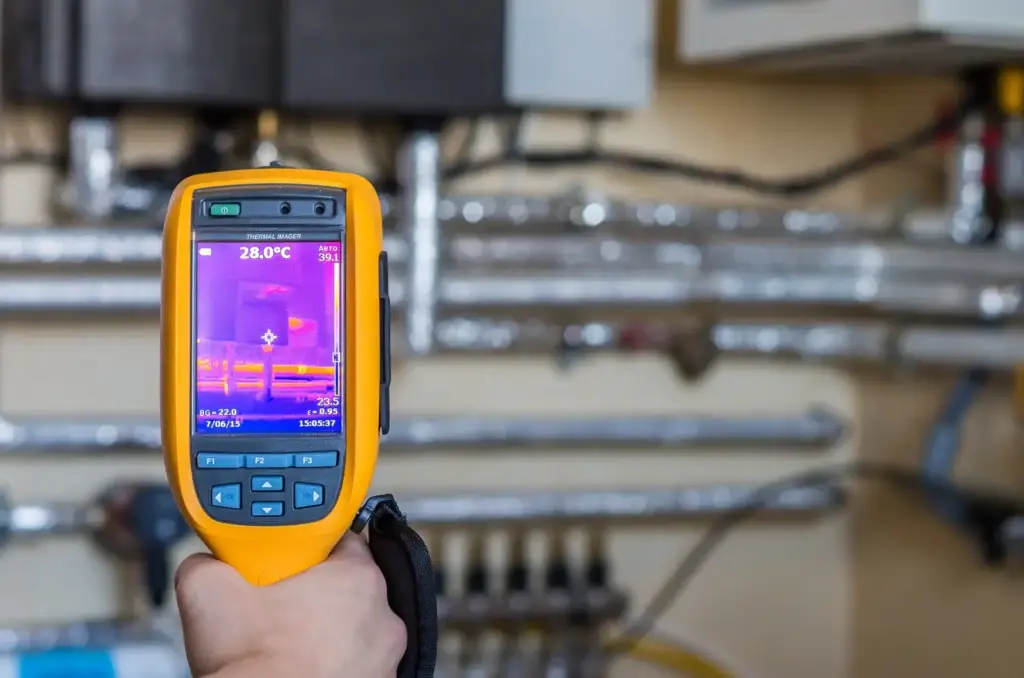
Water damage can occur when downpipes are blocked and no longer allow water to flow freely. Heavy rainfall and freezing temperatures, which are all part of the Great British weather experience, can also put extra pressure on your drainage system, increasing the risk of overflow and water pooling around your property’s foundations. This can lead to serious structural damage if left untreated for long periods. It is important to clear any blockages from exterior and interior drains and to seal any cracks in the foundation.
Blocked gutters are a simple problem that get neglected all too often. They can cause rainwater to back up and overflow, allowing water to run down exterior walls or pool around the base of your property. Over time, this can lead to damp, mould growth and even structural issues if the excess moisture reaches your foundations.
Regularly cleaning gutters and downspouts can prevent overflowing. Downspouts should also extend at least 1.5 metres away from your property to ensure water is directed safely away from the foundations. Clearing debris from gutters prevents water damage by ensuring rainwater flows freely through the system.
A water shutoff valve controls the flow of water to a property. It’s important to know exactly where the valve is to be able to shut off the water supply in case you experience major damage from leaks or burst pipes.
Being able to turn off the water supply quickly can stop the flow before it spreads, reducing the risk of soaked walls, damaged flooring and costly repairs. Many homeowners lose valuable time searching for the valve in an emergency, so it is important to identify its location in advance, as it’s essential in preventing water damage to your property.
Harking back to our point on the unpredictable British weather, freezing temperatures can cause severe damage to pipes. The cold weather causes pipes to expand, and this increases the risk of cracks or full bursts. Once a pipe bursts, water can escape rapidly and lead to significant damage throughout your home.Pipes in unheated areas require insulation to prevent cracks from happening. During bouts of cold weather, it can be beneficial to let taps drip and expose pipes to warm air. Keeping the heat on a low setting is another practical way to protect your pipes without incurring a high energy bill.
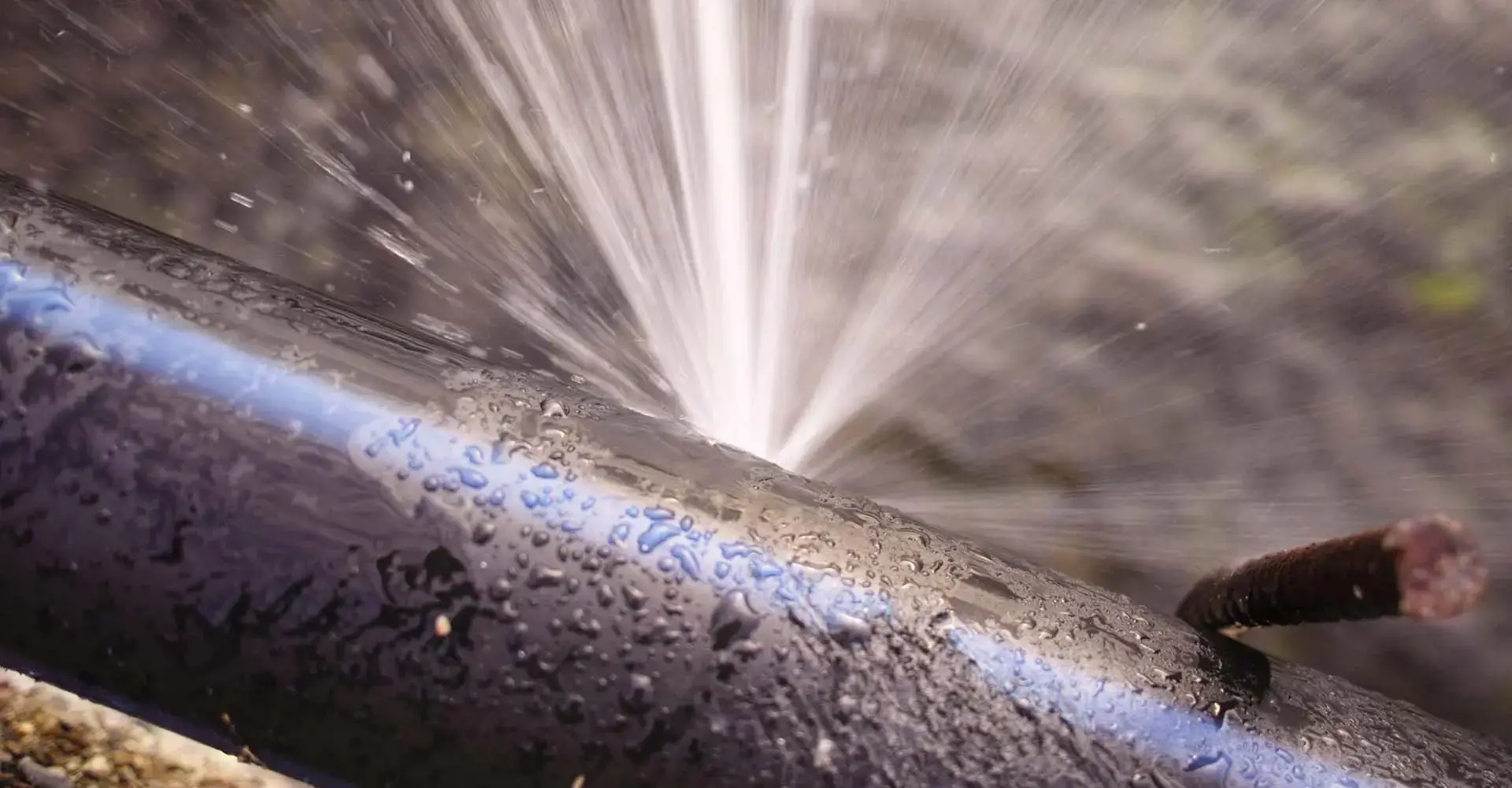
The warning signs might not always be visible inside of your home, which is why inspecting your roof regularly is so important. A damaged or ageing roof can allow rainwater to seep through gaps and slowly lead to mould growth, weakened building materials and costly repairs. Checking your roof is a necessary proactive approach to spot small problems before they escalate. Inspections are particularly useful after many days of heavy rainfall.
Pipes located in unheated or colder areas are susceptible to freezing during cold weather. This can lead to bigger issues such as expansion and putting pressure on pipe walls and potentially bursting. They can make a considerable mess in a short amount of time, even if you can quickly shut off the main valve. Therefore, it’s important to insulate exposed pipes in colder areas of your home.
Foam, rubber and fibreglass all make great insulation materials for pipes. Adding insulation helps maintain a more stable temperature around the pipe, reducing the risk of freezing and ensuring water continues to flow freely. It is a simple, low-cost preventative measure that offers valuable protection throughout the colder months.
In theory, it might seem tempting to put a wash on, leave the house and do some errands, but we don’t recommend that. If a mishap occurs and you’re not there to cut off the water supply, these malfunctions can result in disaster.
When no one is around to stop the flow or turn off the water supply, what starts as a minor issue can become a major flood that damages floors, walls and furniture. By running these appliances only when you are present, you can react immediately if something goes wrong.
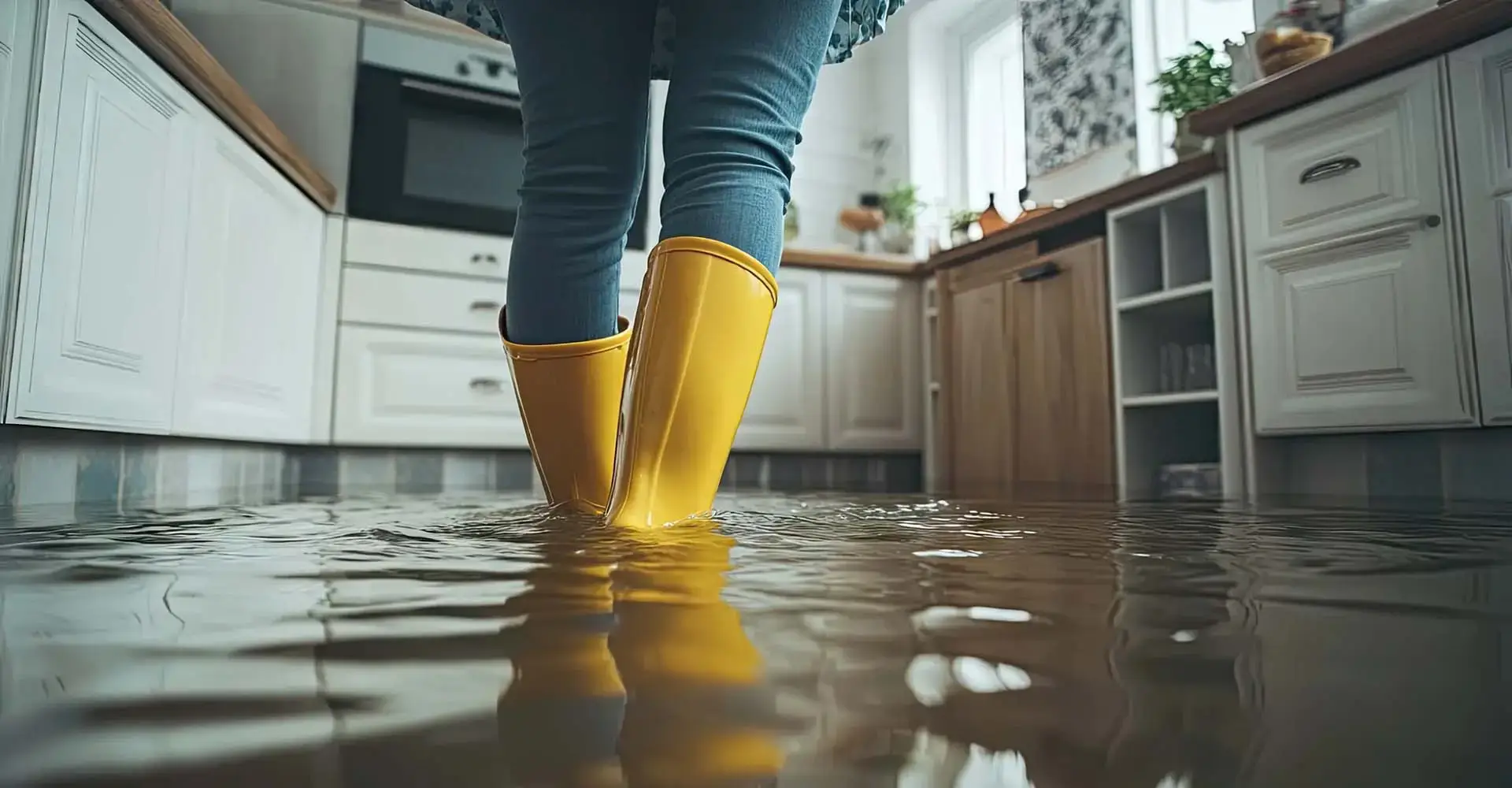
It’s not the first thing you think of when it comes to preventing water damage, but trusting a relied upon neighbour with an extra set of house keys is good practice. Should an issue ever occur whilst you’re out of the house, you may benefit from having someone who can quickly access your property, shut off the water supply and prevent the damage from escalating.
While this may seem like a mild inconvenience, it is an excellent precautionary measure that significantly reduces the risk of water damage. There’s no telling how much water damage can happen if a pipe bursts while you’re away. Water can flow continuously and cause extensive damage before anyone notices. Shutting off the supply eliminates this risk by stopping water at the source. It is especially important when leaving your home for holidays or long weekends.
Mould isn’t a minor inconvenience; it can lead to severe health complications if not managed quickly. Damp patches, peeling paint, musty smells or visible mould growth often indicate that water is entering your home from somewhere it should not. These issues might not be visible, meaning they can cause damage before you even notice.
By identifying early warning signs, you can address leaks or ventilation problems before they develop. Keeping an eye on high-risk areas such as basements, bathrooms and around pipework helps you maintain a dry and healthy living environment.
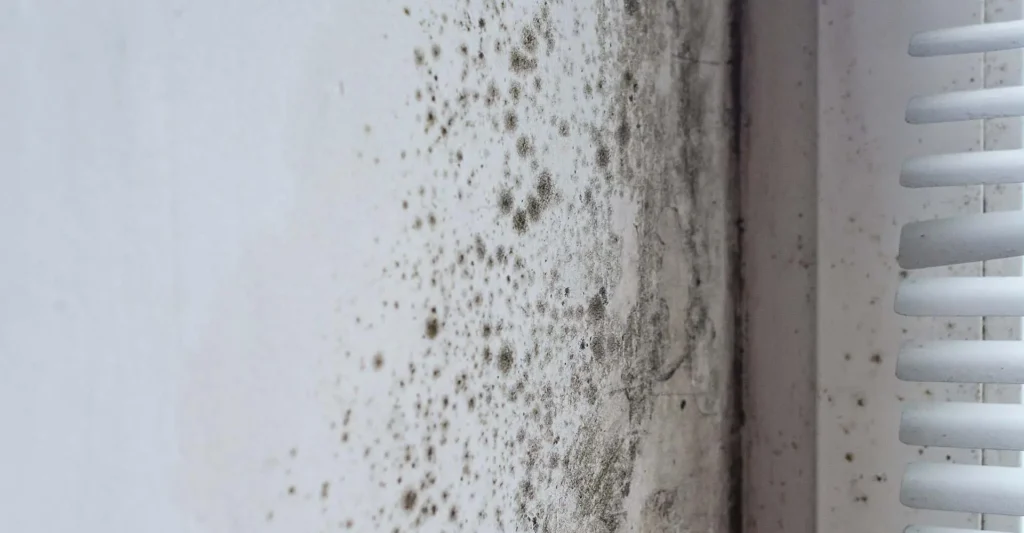
Dehumidifiers, leak sensors and automatic shutoff valves are all beneficial to protecting your home. A dehumidifier can help remove excess moisture from the air, beneficial for those who dry their clothes inside. Systems such as water leak detectors, automatic shutoff valves or smart sensors can identify problems early and alert you before significant damage occurs. These systems make a small but important difference in keeping your property safe from the dangers of excess moisture and water damage year-round.
Now that you know how to prevent water damage, you understand the importance of proactive safety measures. If you’ve experienced any level of water damage, contact the professionals at Ideal Response. Our expert team specialises in rapid water damage restoration, flood damage restoration, accurate leak detection to locate the source of the problem and thorough mould cleaning and removal. Fill out our contact form or call our 24/7 line on 0800 088 4170.
To learn more about the water damage restoration process, visit our Severe Water Damage for Brand New School Floor case study.

Chris Hedges is Head of Marketing at Ideal Response and the author of every article published on this site. With over 25 years of senior marketing experience across property, legal, and professional services sectors, Chris brings a clear, evidence-led approach to writing about fire damage, flood restoration, and specialist property remediation. His philosophy is simple: cut through the noise, respect the reader's time, and give people the information they actually need.
Explore more articles about damage restoration, specialist cleaning and what we do
If you’re dealing with fire damage, flooding, or an environmental incident, our team is ready to respond. No matter if you have a question or have an emergency that you need help with, call:
If you’d prefer to drop us a message, use our main contact form and upload any pictures of the incident. Would you like us to call you? Fill out the short ‘Request a call back’ form.