Available 24/7 | 0800 088 4170

Available 24/7 | 0800 088 4170
Water damage inside a property can be chaotic, ceilings collapse, flooring swells, electrical circuits become unsafe, and mould can begin forming in as little as 48 hours. Yet the most stressful part for many homeowners and property managers isn’t the water itself, or even hiring a professional water damage restoration expert. It’s dealing with the insurance process.
The outcome of your claim often comes down to how the incident is classified:
Is it classed as escape of water, or flood damage?
The two terms may sound interchangeable, but in the insurance world they represent very different circumstances, liabilities and coverage outcomes. Misunderstanding the distinction can lead to delayed, reduced or rejected claims
Skip to:
What insurers mean by escape of water
What insurers mean by flood damage
Why this distinction matters so much to insurers
What insurers will look for during the claim
How to protect your claim from being rejected
The role of restoration specialists during insurance claims
What a full restoration process typically involves
Understanding costs (and why insurers prefer rapid intervention)
When to call a professional water damage company
Final thought: the right terminology protects your claim
FAQs
In UK insurance terminology, escape of water refers to water that accidentally escapes from a pipe, appliance, or internal water system. This definition is set out clearly within building and contents insurance policies, and it applies to sudden, unforeseen events rather than gradual deterioration.
The Association of British Insurers reports that escape of water is the number one insurance claim type in UK households, costing insurers £2.5 million every single day. This means insurers scrutinise these claims carefully. They will often request proof that the leak was sudden, and not the result of long-term neglect.
A burst pipe after a cold snap is a classic example: the leak is unexpected, the water escape is obvious, and there is an identifiable point of failure.
In general: Escape of water = internal, sudden, accidental.
The classification determines whether they pay the claim and how much.
Most buildings insurance policies include escape of water as standard. It is an expected domestic risk. However, flood coverage is not universally included.
If a claimant mistakenly describes an internal leak as “flooding”, they can unintentionally trigger a flood-damage review. This leads to questions, additional investigation, and potentially a rejected claim.
Language matters. For example:
Incorrect: “My ceiling is flooded.”
Correct: “Water escaped from a pipe above the ceiling.”
When assessing a claim, insurers want three things:
A loss adjuster may visit the property, or the insurer may request a moisture survey and drying report from a restoration contractor. This documentation is critical, because it confirms the volume of trapped moisture, the level of structural saturation and the drying programme required to bring the property back to pre-incident condition.
If there is visible mould, staining that suggests long-term saturation, or corroded pipework, insurers may argue that the incident was gradual and therefore, not covered.
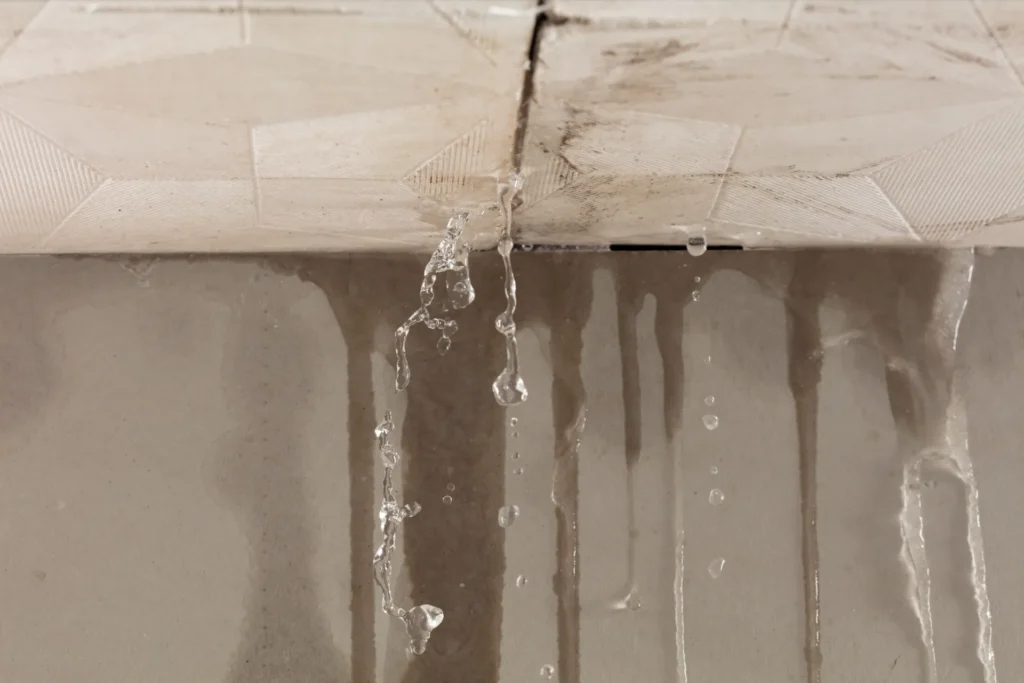
The most important action is to document everything from the moment the incident is discovered.
Photographs should be taken immediately, especially of the water source and the damage as it progresses. Insurers rely on evidence, and time stamped images help demonstrate that the incident was sudden, not gradual.
Professional moisture mapping further strengthens a claim. At Ideal Response , we use thermal and moisture detection equipment to quantify hidden water movement within floors, walls and structural voids. This data is essential when negotiating with loss adjusters, as it proves the scope of the damage and the required restoration plan.
While some insurers may recommend or appoint contractors, policyholders are legally entitled to choose their own restoration provider. This is supported by consumer legislation and FCA guidance regarding freedom of contractor choice.
Using an independent restoration company is beneficial because:
Professional restoration reduces the likelihood of secondary damage. Mould spores can begin developing within 48 hours, and wet structural timber can warp within days. Delays increase complexity and cost.
Once the water source is isolated, the restoration team will focus on a staged approach.
Drying can take anywhere from 3 days to 3 weeks, depending on saturation levels and construction type.
Escape of water incidents typically range from £1,500 to £6,000 for full restoration and reinstatement. Flood restoration is more complex and significantly higher due to the contamination risk.
Fast intervention is cheaper for insurers and safer for the property. That’s why many insurers instruct immediate mitigation, even before the claim is formally approved.
Professional intervention is needed when:
Even small leaks can lead to mould growth (which you’ll need professional mould remediation to resolve) and hidden structural damage if not dried properly.
When water damage happens, the language you use matters. Insurance providers make clear distinctions:
Mislabel the incident, and you may unintentionally give your insurer grounds to reject or delay your claim.
If you’re ever unsure, get a professional on site. Independent moisture surveys, photographic evidence and insurance-formatted reports can prevent disputes and speed up approval.
Ideal Response can handle the entire process from emergency response to damage restoration (not reinstatement):
Questions? Contact our team via webform or you can give us a call and get a free estimate in less than 10 minutes.
Have an emergency?
Call our team on 08083 031 170 for immediate advice and same-day support.

Chris Hedges is Head of Marketing at Ideal Response and the author of every article published on this site. With over 25 years of senior marketing experience across property, legal, and professional services sectors, Chris brings a clear, evidence-led approach to writing about fire damage, flood restoration, and specialist property remediation. His philosophy is simple: cut through the noise, respect the reader's time, and give people the information they actually need.
Explore more articles about damage restoration, specialist cleaning and what we do



If you’re dealing with fire damage, flooding, or an environmental incident, our team is ready to respond. No matter if you have a question or have an emergency that you need help with, call:
If you’d prefer to drop us a message, use our main contact form and upload any pictures of the incident. Would you like us to call you? Fill out the short ‘Request a call back’ form.