Available 24/7 | 0800 088 4170

Available 24/7 | 0800 088 4170
There’s nothing quite like the feeling of discovering a water leak. It can feel like a punch to the gut. The damage, the mess, the worry, it’s a massive headache. You’re not alone. According to a 2023 report from Affinity Water, a staggering 68% of UK households have experienced a water leak, costing a collective £697 million each year. That’s a huge problem, and it’s a clear sign that we need to be more vigilant about spotting the signs early on.
But what if the leak is hidden? How can you tell if that strange patch on the ceiling is a sign of something much worse? By learning to identify the subtle and not-so-subtle clues, you can catch a leak before it turns into a major disaster.
In this blog, we’ll walk you through the five most common signs of a water leak. We’ll explain what to look out for, what it means for your home, and, most importantly, what to do next to get the problem fixed and protect your property and your wallet.
Skip to:
The appearance of damp patches
Unexpected jump in your water bill
Drop in water pressure
Mould growth
Pools of standing water
Getting professional leak detection
FAQs
A damp patch is often the most obvious sign of a water leak. It’s like your home is trying to tell you something is wrong. You might notice a dark, discoloured stain on a wall, a ceiling, or a floor. These patches appear randomly and will continue to grow over time if the leak is not addressed.
The location of the damp patch can give you a clue as to the source of the problem. For example, a stain on the ceiling below a bathroom might indicate a leak from a shower tray or toilet. A damp patch on an internal wall could be a hidden pipe.
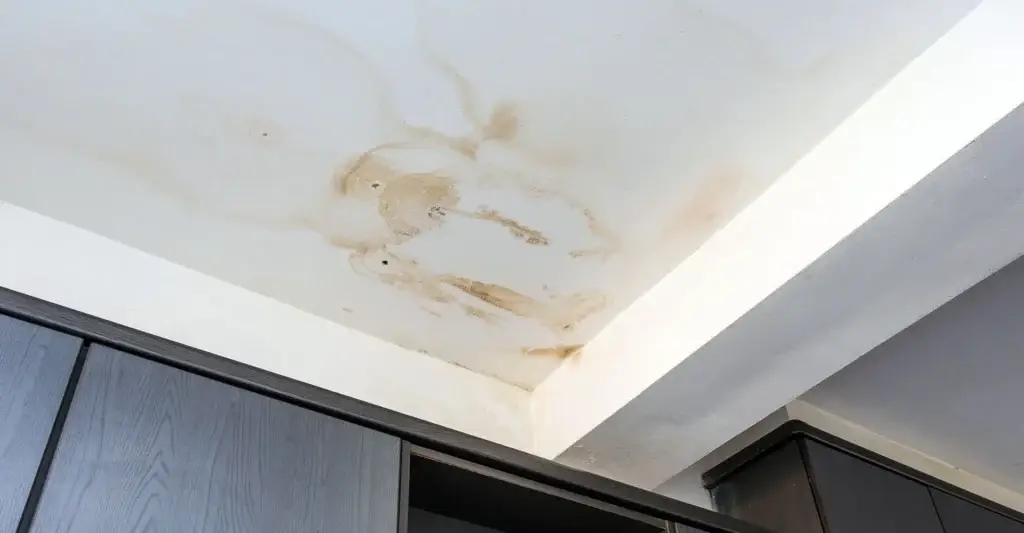
Don’t ever ignore a damp patch. Even a small leak can saturate the building materials in your home, which can weaken the structure over time. A constant source of moisture can cause wood to rot and decay, compromising the integrity of your property and potentially impacting its value. Acting quickly to find the source of the leak and repair it is the only way to prevent this kind of serious damage.
Not all leaks are visible. A slow, persistent leak can be draining water (and your money) for months without you ever seeing a single drop. In these cases, your water bill becomes your primary warning system. If you notice a sudden and unexplained spike in your bill, especially when your water usage habits haven’t changed, a hidden leak is the most likely culprit.
Think of it this way: a small leak that drips just once every few seconds can waste thousands of litres of water a month. A more significant leak could waste tens of thousands of litres, adding a hefty extra cost to your bill. For example, a large leak could waste up to 72,000 litres a month, adding over £240 to your monthly bill. That’s an extra £2,880 a year that you could be saving! Your water meter is a silent witness to a leak, and if the numbers are climbing, it’s a clear sign that you have an issue that needs to be addressed.
Have you noticed your shower becoming a sad trickle? Or maybe your taps don’t have the same force they used to? A sudden and unexplained drop in your home’s water pressure can be a significant indicator of a water leak.
Here’s why: a leak in your plumbing system allows water to escape, which reduces the overall volume and pressure in your pipes. It’s like a hole in a garden hose; the water that was meant to be delivered to your tap is instead escaping into a wall or under your floor. This isn’t just an inconvenience; it can also put a strain on your entire plumbing system and appliances. A sudden drop in pressure is a warning sign that should not be ignored. By catching this sign early and calling in an expert, you can prevent more expensive damage down the line.
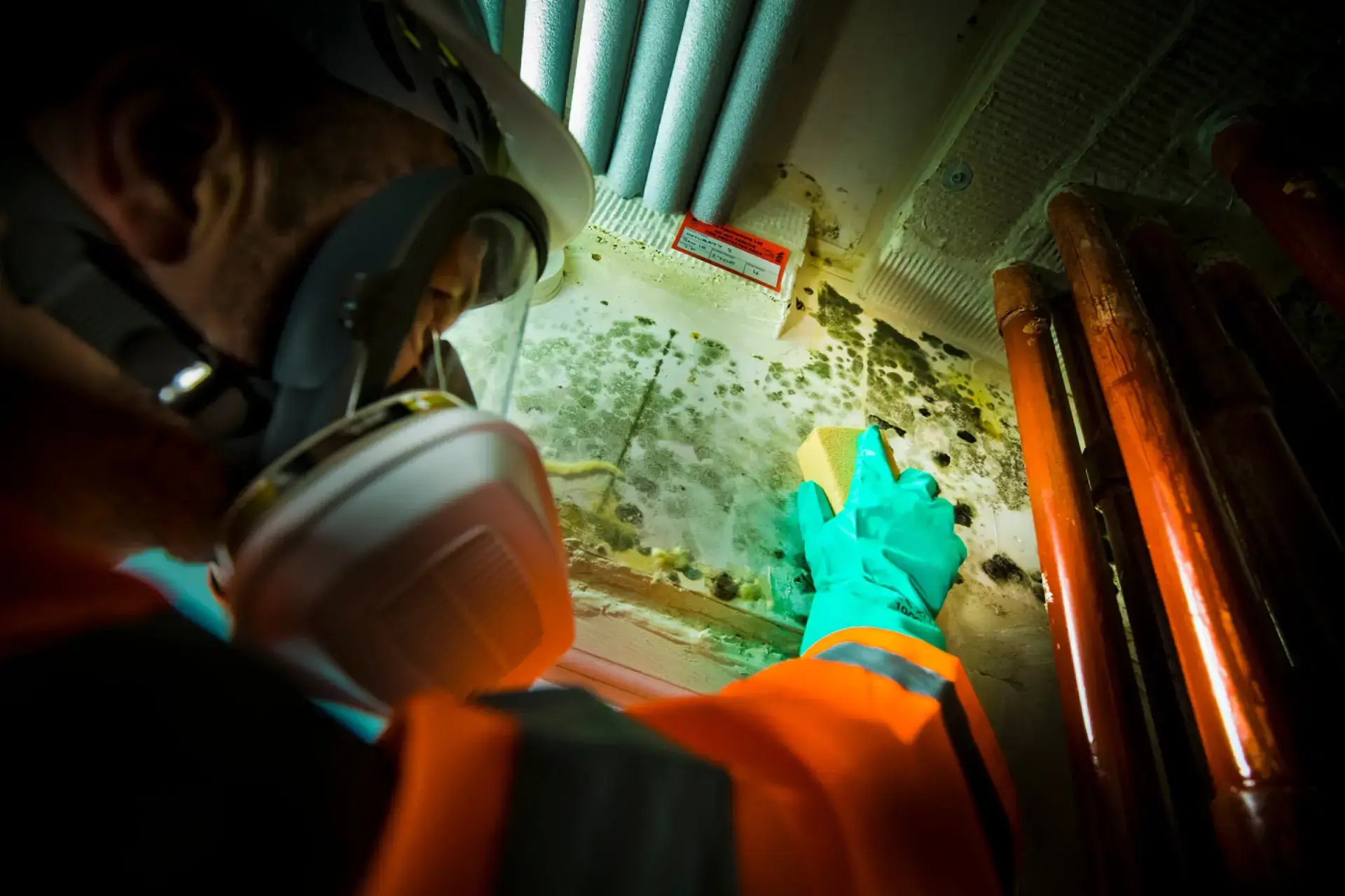
Mould needs two things to grow: a food source (like drywall or wood) and moisture. A hidden water leak provides a perfect, continuous source of moisture for mould to thrive. If you start seeing patches of mould growth in unusual places, like on a wall that isn’t in a bathroom, or on your ceiling, it’s a very strong indication that you have a hidden leak.
It’s important to understand that mould is a form of secondary damage. By the time you see it, the leak has likely been present for a while. However, this doesn’t mean it’s too late to prevent further damage. In fact, it’s a critical warning sign that the problem is escalating.
The dangers of mould exposure should not be understated. Prolonged contact with mould can cause serious health issues, including:
If you spot mould in a surprising place, you should get a professional damp and mould survey done immediately. It can identify the root cause and helps to create a plan to safely remove the mould and prevent it from returning.
This is perhaps the easiest sign to notice. Finding a random puddle of water in your home in a place that shouldn’t be wet is a sure sign of a water leak. A puddle in the middle of your living room, a pool of water in a utility closet, or standing water in your basement are all red flags that you have a serious problem on your hands.
This type of leak is a clear indicator that a pipe has either burst or is leaking significantly. Prompt action is crucial to prevent long-term property damage and potential health risks. Never ignore standing water, as it can quickly spread and cause irreversible damage to your floors, walls, and belongings.
Spotting the signs of a leak is the first step, but what comes next? If you’ve identified any of these indicators, the most effective and safest course of action is to hire a professional water leak detection service.
Professional leak detection experts have the specialised tools and knowledge to locate the leak without causing unnecessary damage to your property. They use cutting-edge technology like:
By calling an expert, you can save yourself a lot of time, money, and stress. They’ll find the problem quickly and provide a lasting solution, helping you protect your home and your family from the dangers of water damage and mould. Don’t let a small leak turn into a major disaster.

Chris Hedges is Head of Marketing at Ideal Response and the author of every article published on this site. With over 25 years of senior marketing experience across property, legal, and professional services sectors, Chris brings a clear, evidence-led approach to writing about fire damage, flood restoration, and specialist property remediation. His philosophy is simple: cut through the noise, respect the reader's time, and give people the information they actually need.
Explore more articles about damage restoration, specialist cleaning and what we do
If you’re dealing with fire damage, flooding, or an environmental incident, our team is ready to respond. No matter if you have a question or have an emergency that you need help with, call:
If you’d prefer to drop us a message, use our main contact form and upload any pictures of the incident. Would you like us to call you? Fill out the short ‘Request a call back’ form.