Available 24/7 | 0800 088 4170

Available 24/7 | 0800 088 4170
It’s a common sight in the UK: that first patch of black or green mould appearing in a damp corner of your bathroom or behind a wardrobe. Your first instinct might be to grab a bottle of spray and a cloth, or maybe even call a domestic cleaner to get rid of it. But is that really enough?
The truth is, there’s a massive difference between cleaning mould and professionally removing it. While a domestic cleaner can get rid of the visible problem, they often can’t address the root cause. This blog will break down the pros and cons of using a domestic cleaner versus a specialist mould removal company, so you can make the right choice for your home and your health.
Skip to:
What causes mould growth?
Domestic cleaners: A quick fix?
Specialist mould removal companies
DIY mould cleaning
Awaab’s Law
The final verdict: Domestic vs specialist
FAQs
Mould thrives on moisture. It’s a living organism that spreads through microscopic spores in the air, but it needs a damp environment to take root and grow. Given the UK’s climate and older housing stock, it’s no surprise that mould is so common—one in five UK homes suffers from damp and mould.
The most common causes include:
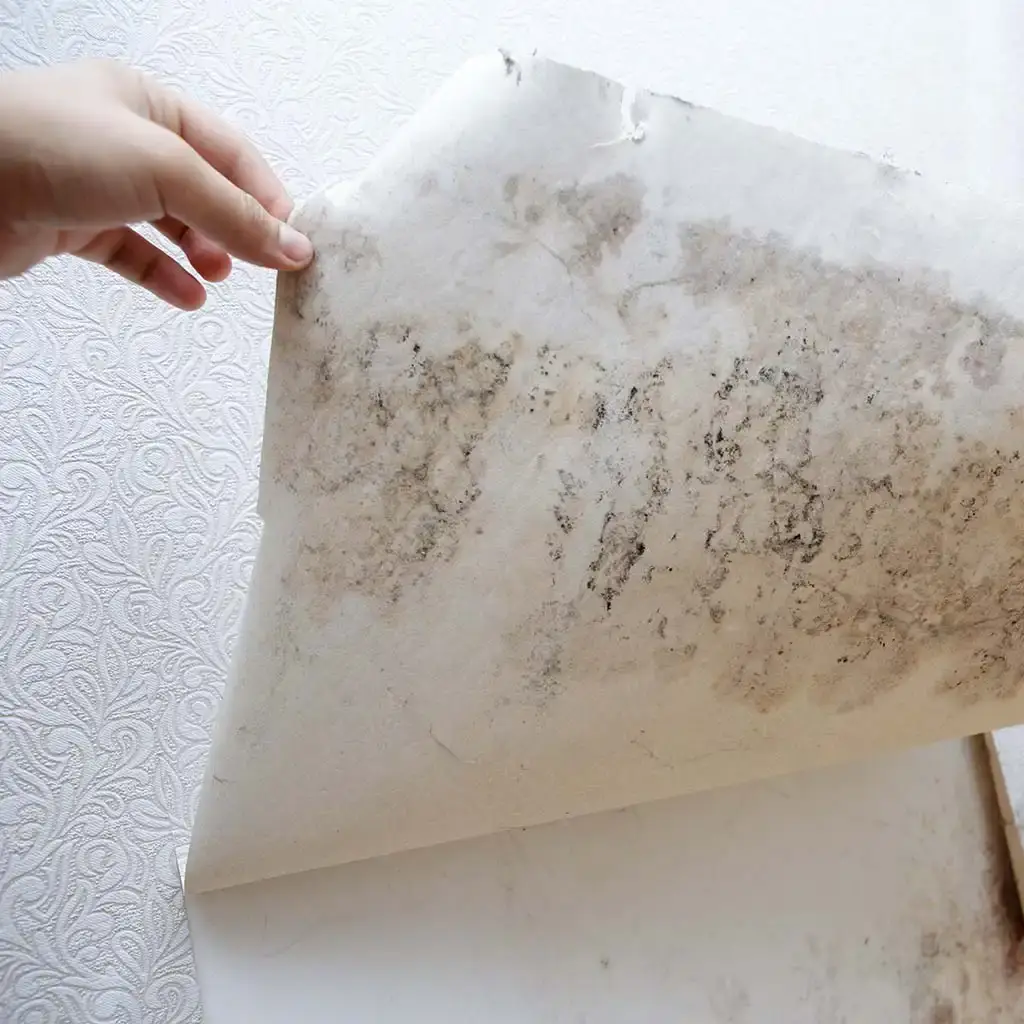
When you see a small patch of mould, a domestic cleaner seems like a simple, budget-friendly solution. They can be great for quick, visual clean-ups.
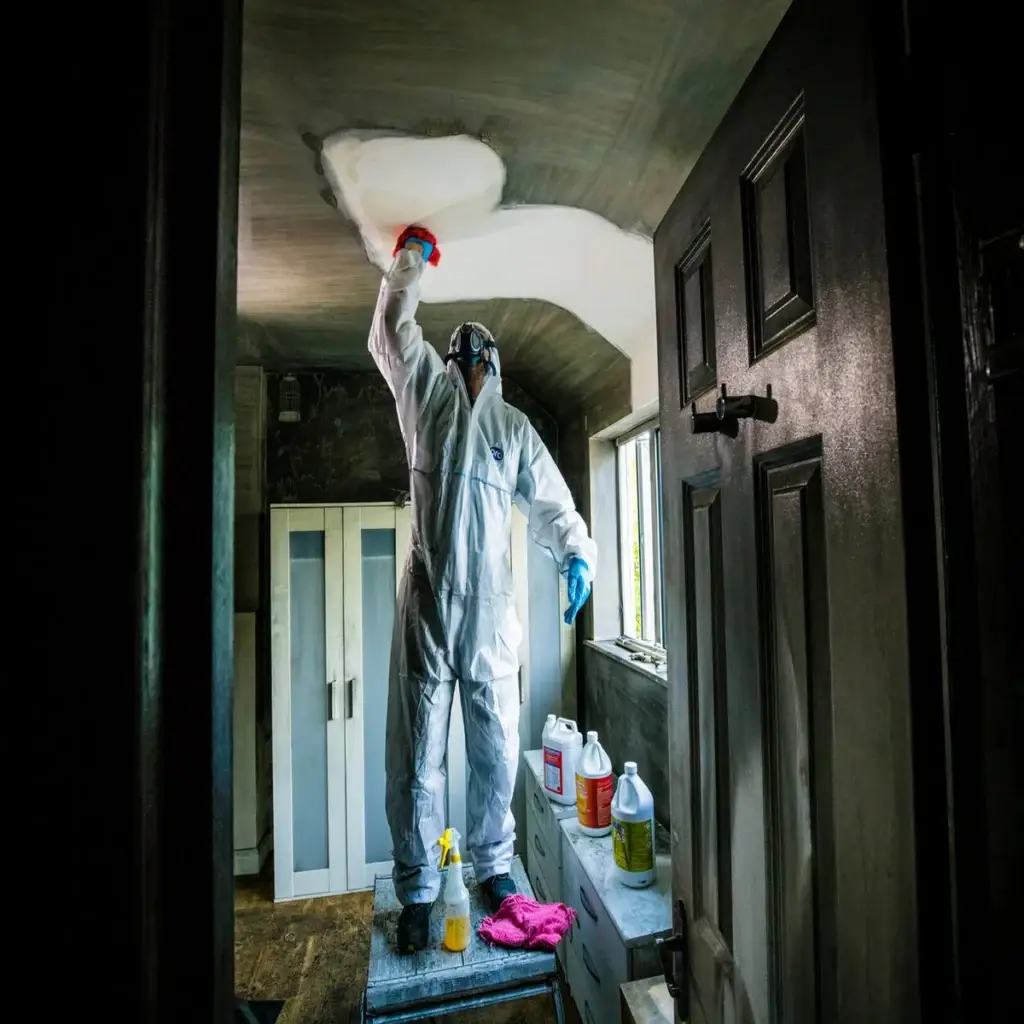
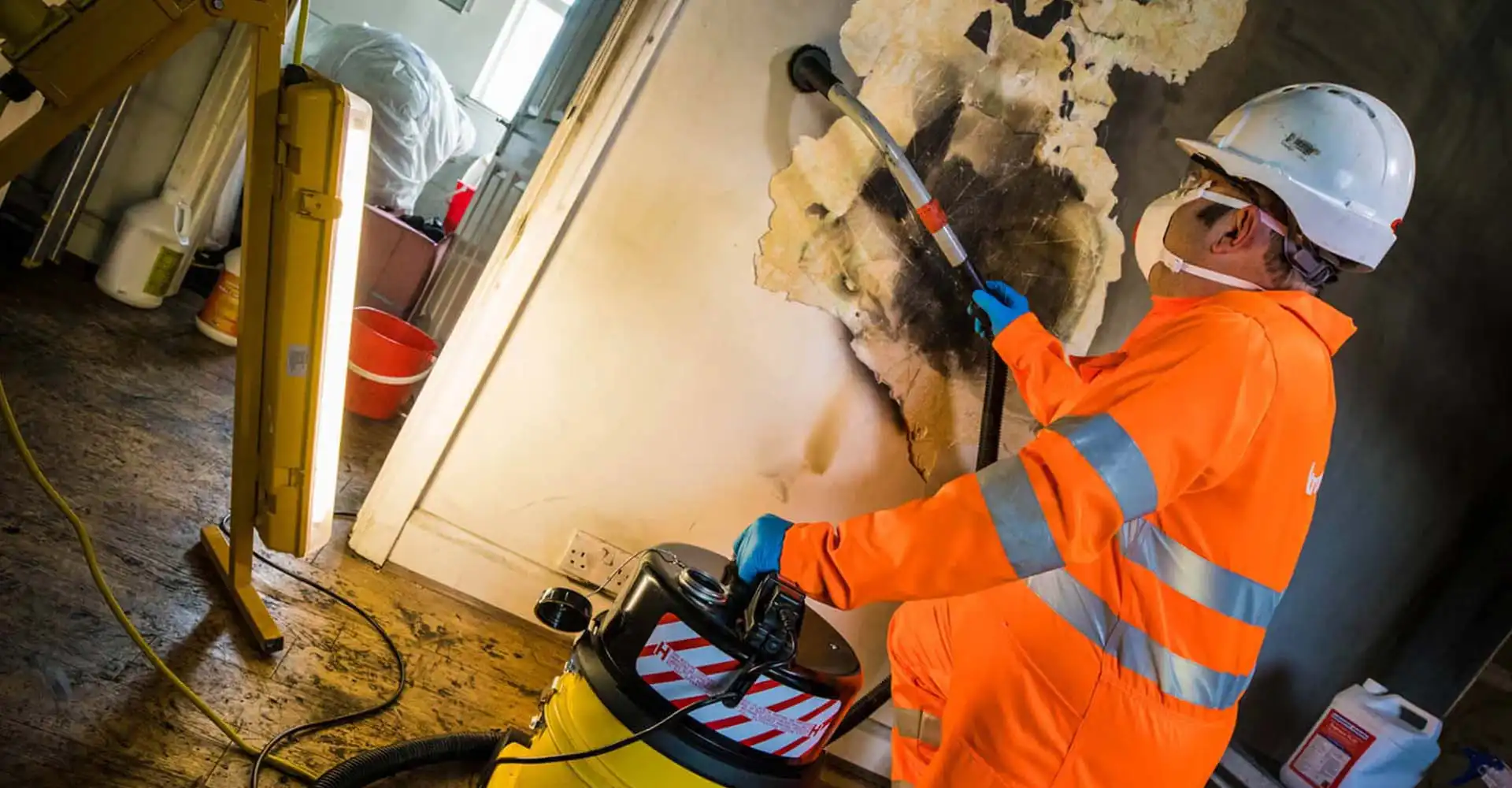
For any mould problem that’s more than a few spots on a window sill, a specialist cleaning company is the only real solution. They are professionals who understand the science behind mould growth and know how to stop it for good.
DIY mould removal might seem like a good way to save money, but it can be surprisingly dangerous. Scraping or scrubbing mould can release millions of spores into the air, which you can then inhale or transfer to other areas of your home. This can make the problem worse and pose a significant risk to your respiratory health. For anything more than a tiny, surface-level patch, it’s always best to call a professional.
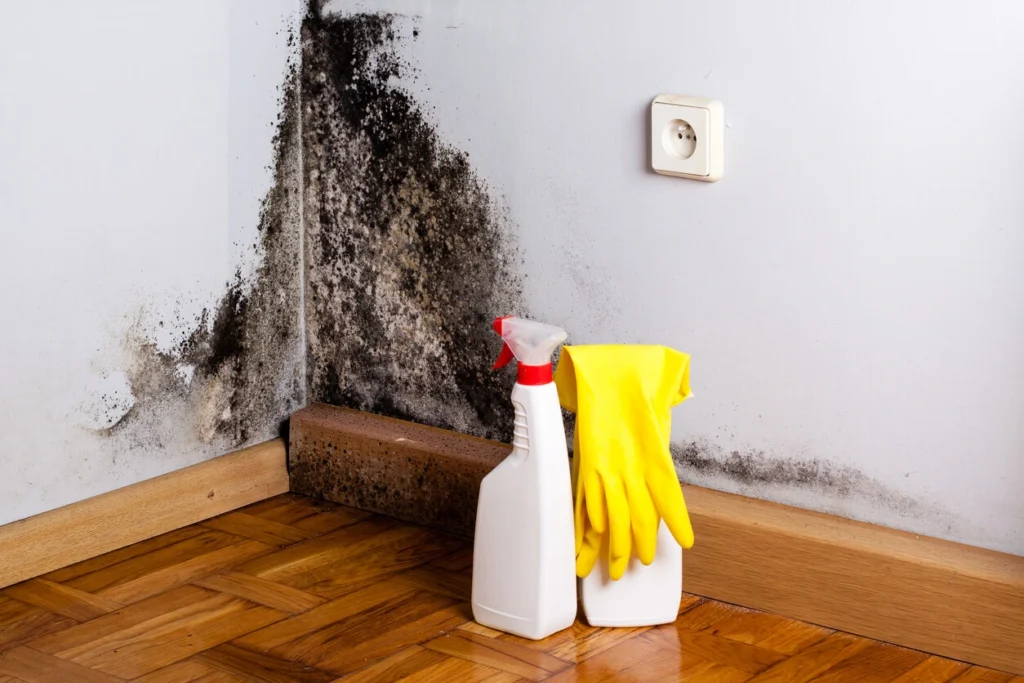
It’s important to know that as a social housing tenant the responsibility of cleaning the mould is not yours. Awaab’s Law came into effect in October of 2025 with the purpose of protecting social housing tenants like you. Putting the focus on Social Housing providers and their need for responsive and professional action. As a social housing tenant your only responsibility is to report the issue of damp and mould. Visit our dedicated Awaab’s Law Tenant page to learn more about your rights and how to best report damp and mould issues.
Effective October 2025, Awaab’s Law legally mandates social landlords to meet strict deadlines for managing damp and mould: investigating reports within 10 working days, providing written findings within three, and beginning remedial works within five (or 24 hours for emergencies). To avoid regulatory enforcement, ombudsman investigations, and costly compensation claims, landlords must maintain rigorous records of all communications and ensure all hazards are resolved as quickly as possible. Follow the link to learn more about your responsibilities as a Social Housing Landlord due to Awaab’s Law .
Here’s the bottom line:
Investing in a professional mould remediation service not only gets rid of the visible problem but also protects your health, safeguards your property’s value, and gives you long-lasting peace of mind. It’s a worthwhile investment in your home and your health.
If you’re dealing with a mould problem in your home or business, don’t wait. Contact our certified mould removal experts today for a free consultation and a long-term solution. Alternatively explore the mould removal service we offer.

Chris Hedges is Head of Marketing at Ideal Response and the author of every article published on this site. With over 25 years of senior marketing experience across property, legal, and professional services sectors, Chris brings a clear, evidence-led approach to writing about fire damage, flood restoration, and specialist property remediation. His philosophy is simple: cut through the noise, respect the reader's time, and give people the information they actually need.
Explore more articles about damage restoration, specialist cleaning and what we do
If you’re dealing with fire damage, flooding, or an environmental incident, our team is ready to respond. No matter if you have a question or have an emergency that you need help with, call:
If you’d prefer to drop us a message, use our main contact form and upload any pictures of the incident. Would you like us to call you? Fill out the short ‘Request a call back’ form.