Available 24/7 | 0800 088 4170

Available 24/7 | 0800 088 4170
The cost of professional mould treatment in the UK depends on how much mould there is, what is causing it and how easy it is to reach. A small patch caused by condensation costs far less than mould that has spread through a room because of a leak or long-term damp. This guide explains what affects the price, what a proper quote should include and when DIY treatment is likely to cost more in the long run.
Skip to:
Considering professional mould removal?
The hidden dangers of mould
The danger of DIY mould removal
What professional mould removal involves
How much does a mould removal service cost in the UK?
Dangers of mould exposure
When to call a professional
Awaab’s Law
Conclusion
FAQs
| Factor | Cost |
|---|---|
| Small area treatment (e.g., one room) | £200 – £500 |
| Medium-sized property treatment | £200 – £500 |
| Severe infestations requiring extensive work | £200 – £500 |
| Large-scale commercial facility | Requires a diagnostic survey first |
While this may seem costly, addressing mould professionally prevents further damage and medical expenses, making it a worthwhile investment in the long run. To learn more, check out our blog that goes into more depth on how much professional mould removal costs.
On the surface, a £10 bottle of mould spray looks like the sensible option, and for a small patch on a tiled or sealed surface it can buy you some time. The catch is that sprays only deal with what you can see. Spores in cavities, behind plasterboard or under flooring are untouched, and the damp that fed the mould in the first place is still there, so it tends to return, and often spreads further.
Here’s how the two approaches compare in practice.
Repeated DIY attempts, ongoing health problems and the damage mould does to plaster, timber and decor all add up. Over time, a one-off professional treatment is usually the cheaper route.
No two mould jobs are the same. Costs can shift quite a bit depending on how serious the contamination is and what’s causing it. Here are the main factors that make the biggest difference.
At first glance, DIY mould sprays look cheaper and for very small, surface-level problems, they can help temporarily. But they rarely reach hidden mould or fix the moisture issue that caused it. The result? The mould comes back, often worse than before.
Here’s how DIY cleaning compares to professional mould remediation in real terms.
DIY cleaning:
Professional remediation:
Considering that untreated mould can damage property value, trigger respiratory issues, and lead to repeat cleaning costs, professional remediation almost always pays for itself.
Mould is more than just an unsightly nuisance, it’s a serious threat to both health and property. In the UK, where damp and humid conditions are common, mould infestations are increasingly prevalent in homes and businesses alike. According to a study by the English Housing Survey, approximately 4% of homes in England suffer from damp-related issues, many of which contribute to mould growth.
Given the potential dangers of mould exposure and the costly structural damage it can cause, homeowners and business owners often ask: Are professional mould removal services worth it? Below, we explore the risks of mould, the limitations of DIY removal, and why professional services offer long-term benefits.
Mould is not just an aesthetic issue, it’s a living organism that thrives in damp environments and can spread rapidly if not addressed. Getting a professional damp survey should also be considered because it will identify the root cause of your mould problems.
The risks associated with mould fall into two key categories:
Mould releases spores into the air that can be inhaled, leading to a variety of health issues. Vulnerable groups such as children, the elderly, and those with respiratory conditions are especially at risk. According to the NHS, prolonged exposure to mould can cause:
In severe cases, exposure to toxic mould (such as Stachybotrys chartarum, commonly known as black mould) has been linked to neurological issues and immune system suppression.
Mould isn’t just damaging to health, it also weakens the materials it grows on. If left untreated, it can:
Since mould feeds on organic materials like wood and paper, it can progressively eat away at the structural integrity of a building, leading to costly repairs.
Many homeowners attempt to tackle mould themselves, using off-the-shelf sprays, bleach, or other household cleaners. While this may seem like a cost-effective solution, DIY mould removal often falls short for several reasons:
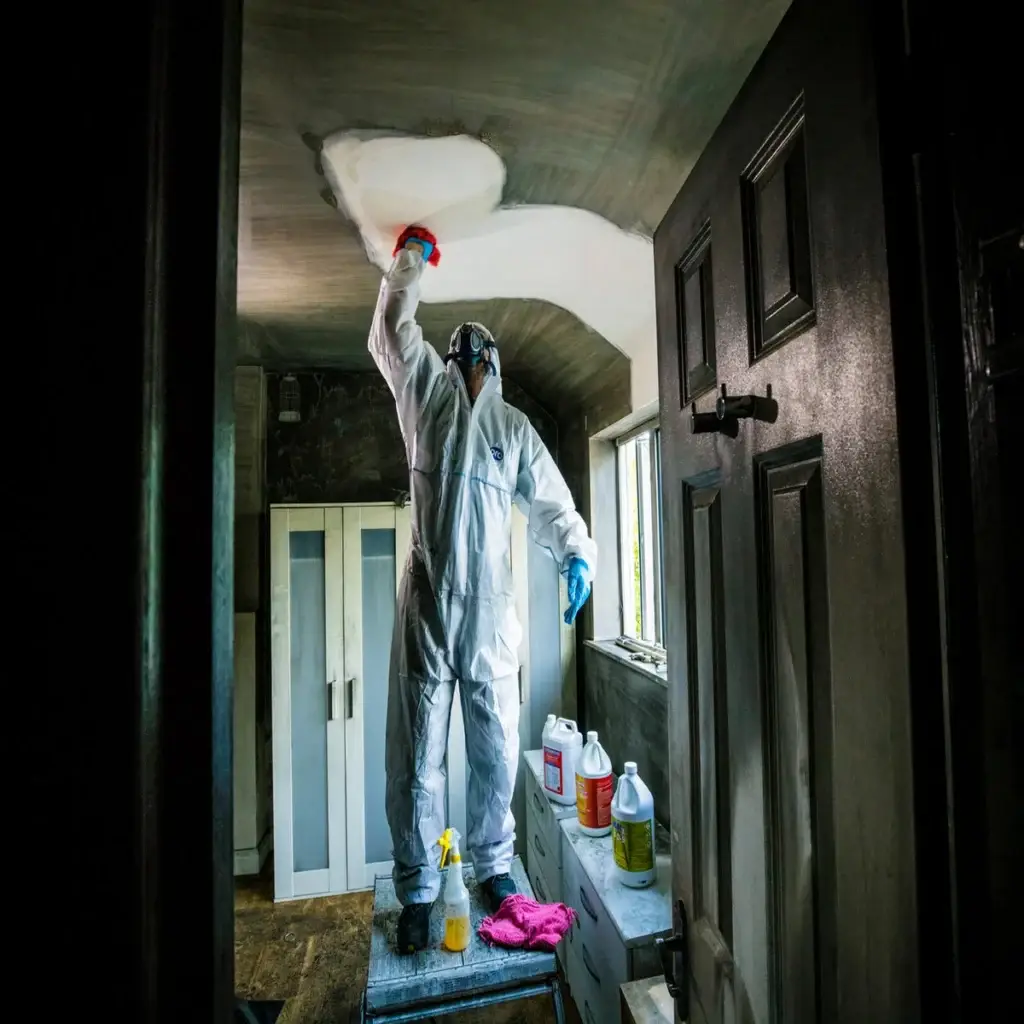
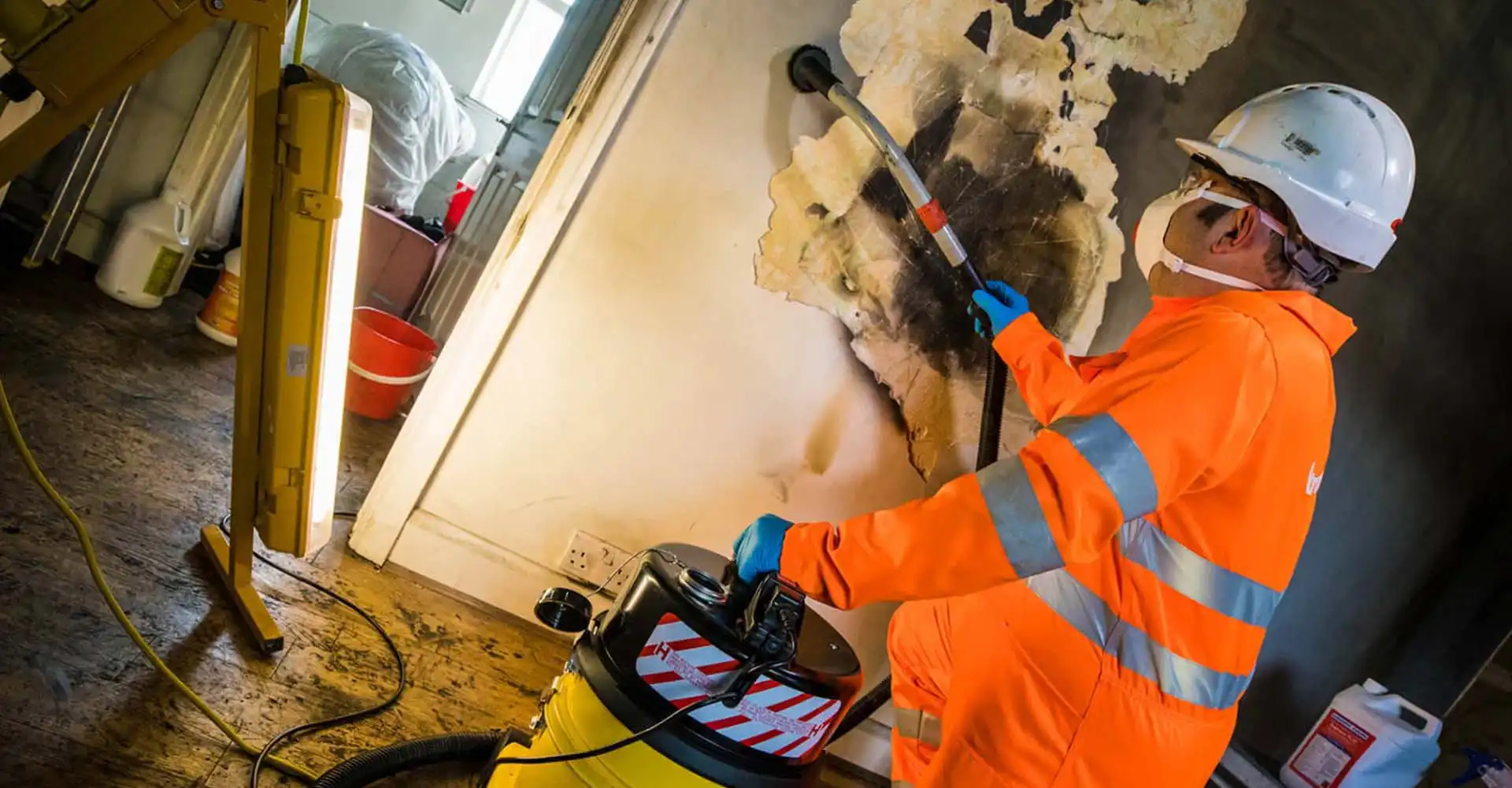
Professional mould removal services provide a comprehensive approach to identifying, removing, and preventing mould. Here’s what sets them apart from DIY methods:
1. Advanced mould detection & moisture assessment
Professional services use specialised equipment like thermal imaging cameras and moisture meters to detect hidden mould growth and pinpoint moisture sources that need addressing.
2. Industrial-grade cleaning & treatment
Mould remediation experts use a multi-step approach that includes:
3. Prevention & long-term protection
Mould removal is only effective if it prevents recurrence. Professionals identify and rectify the underlying cause, such as poor ventilation, leaks, or high humidity, and may recommend solutions such as dehumidifiers or improved insulation.
Ideal Response has over 20+ years experience providing professional mould removal services to UK customers. To learn more about our mould removal process and our proven track record of restoring peace of mind to UK property owners check out some of our case studies. From commercial mould remediation to urgent black mould removal in a HMO property, we have seen it all. Or, visit our customer review section to see what other people in similar situation to you think of our services.
Our guide to the mould remediation process explains each stage in detail.

Damp and mould is one of the hazards assessed under the Housing Health and Safety Rating System (HHSRS), and serious cases can be rated Category 1. As we have established, mould is a type of fungus which grows in damp environments. The microscopic spores can cause adverse health effects and the mould growth itself can damage your building.
The impact of mould is far greater on young children and people with compromised immune systems. To learn more about the health effects of mould and the risk mould growth poses to your property, visit our UK Homeowners Guide to Mould blog. In this blog we provide a detailed guide to mould identification, health and structural risks as well as removal.
If you notice any of the following signs, it’s best to seek professional mould removal assistance:
Awaab’s Law enforces strict timelines for housing providers to manage damp and mould hazards. To ensure compliance, landlords must investigate reported issues within 10 working days and provide a written assessment within 13 days. This aspect of Awaab’s Law works to the benefit of tenants, prioritising quick response and professional documentation and remediation.
Key legal requirements include:
While currently applicable to social housing, these standards set the benchmark for property maintenance across all sectors. If your provider fails to meet these deadlines, you can escalate the matter to the Housing Ombudsman.
The October 2025 updates to Awaab’s Law mandate specific, legally binding timeframes for social landlords to manage damp and mould. Failure to adhere to these strict remediation cycles can lead to regulatory penalties and compensation claims.
Compliance deadlines for Landlords:
Landlords are also required to maintain comprehensive digital logs of all tenant communications and inspections to defend against potential disrepair claims.
Given the health risks, potential for costly property damage, and the likelihood of mould regrowth after DIY attempts, hiring a professional mould removal service is a smart investment. Professional services ensure:
For UK homeowners and businesses dealing with mould problems, the best course of action is early intervention. The sooner you address the issue with professional help, the less damage and expense you’ll face in the long run.
If you’re dealing with a mould problem and want expert advice, contact Ideal Response.
Need to speak to a specialist urgently? Call 08083 031 257

Chris Hedges is Head of Marketing at Ideal Response and the author of every article published on this site. With over 25 years of senior marketing experience across property, legal, and professional services sectors, Chris brings a clear, evidence-led approach to writing about fire damage, flood restoration, and specialist property remediation. His philosophy is simple: cut through the noise, respect the reader's time, and give people the information they actually need.
Explore more articles about damage restoration, specialist cleaning and what we do



If you’re dealing with fire damage, flooding, or an environmental incident, our team is ready to respond. No matter if you have a question or have an emergency that you need help with, call:
If you’d prefer to drop us a message, use our main contact form and upload any pictures of the incident. Would you like us to call you? Fill out the short ‘Request a call back’ form.