Available 24/7 | 0800 088 4170

Available 24/7 | 0800 088 4170
Have you ever had the unfortunate experience of walking into your bathroom or walked past a window and noticed an unsightly patch of what looks like reddish mould? You’re not alone, red mould is a common occurrence in UK properties and one that can cause unknowing property owners a lot of stress.
The worry of what health effects could this be causing, is it damaging my property? Does this mean I have damp? There are so many questions that will quickly fill your mind and have your head spinning when you uncover a red mould issue. But, worry not. In this blog we will be breaking down everything you need to know. If you’re looking for more information on mould removal services or see some successful mould removal case studies completed by our teams.
Skip to:
What is red mould?
Health risks of red mould
Causes of red mould in UK homes
Can you remove red mould yourself?
Conclusion
FAQs
Red mould is a common name given to reddish or orange fungal growths, often mistaken for rust stains or soap scum. In reality, red mould is often a type of fungus or bacteria that thrives in damp conditions.
The most common culprit is Serratia marcescens, a bacteria that produces a pinkish-red biofilm and grows where moisture, soap, and organic material build up—such as on tiles, shower curtains, or grout. However, other fungi (such as Neurospora or Fusarium) can also appear red or orange.
Key features:
| Feature | Red Mould | Black Mould |
|---|---|---|
| Colour | Pink, red or orange | Dark green to black |
| Type | Often bacteria (Serratia marcescens) or fungi (Fusarium) | Toxic fungus |
| Common locations | Bathrooms, kitchens, windowsills | Walls, ceilings, under wallpaper, damp plaster |
| Health risks | Respiratory irritation, infections in vulnerable groups | Severe respiratory issues, toxic effects |
| Severity | Can be harmful, especially for infants/elderly | Highly dangerous, requires urgent remediation |
Important: Both require attention. While black mould is more notorious, red mould should never be ignored, especially in homes with children, elderly residents, or individuals with asthma.
Red mould can cause health issues when spores or bacteria become airborne or come into direct contact with skin. Risks include:
Public health guidelines in the UK increasingly highlight the links between poor housing, damp, mould, and serious health consequences. Awaab Ishak’s tragic death in 2020, attributed to prolonged black mould exposure, prompted Awaab’s Law in the UK, making it mandatory for landlords to address damp and mould hazards swiftly.
Red mould may not carry the same toxicity as black mould, but it signals damp problems that require immediate action.
Red mould develops when the following conditions exist:
If red mould is visible, it’s likely part of a bigger damp issue that also increases the risk of black mould growth. Uncovering what type of damp issue you have will help to solve your mould problem for good.

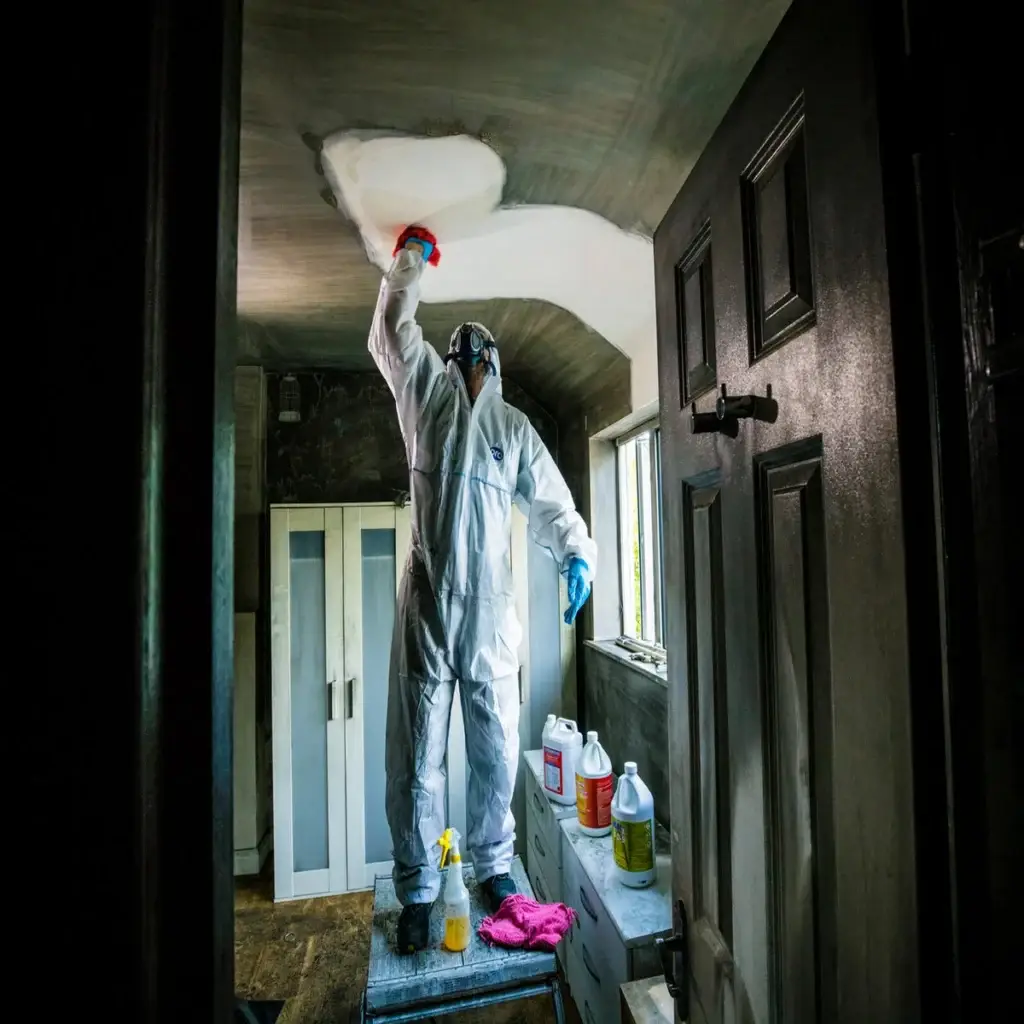
While minor red mould patches in bathrooms can sometimes be cleaned with a disinfectant or bleach solution, this is not a long-term fix. DIY removal risks spreading spores and does not address the root cause.
Why professional mould remediation is recommended:
For small patches of mould that have yet to spread, DIY mould removal is a viable option. Using the right cleaning chemicals and equipment can save you money and provide you with a mould free property. However, this method doesn’t guarantee that the roots have been killed or that the root cause has been identified and remediated, both of which will result in the mould coming back over time and in most cases spreading.
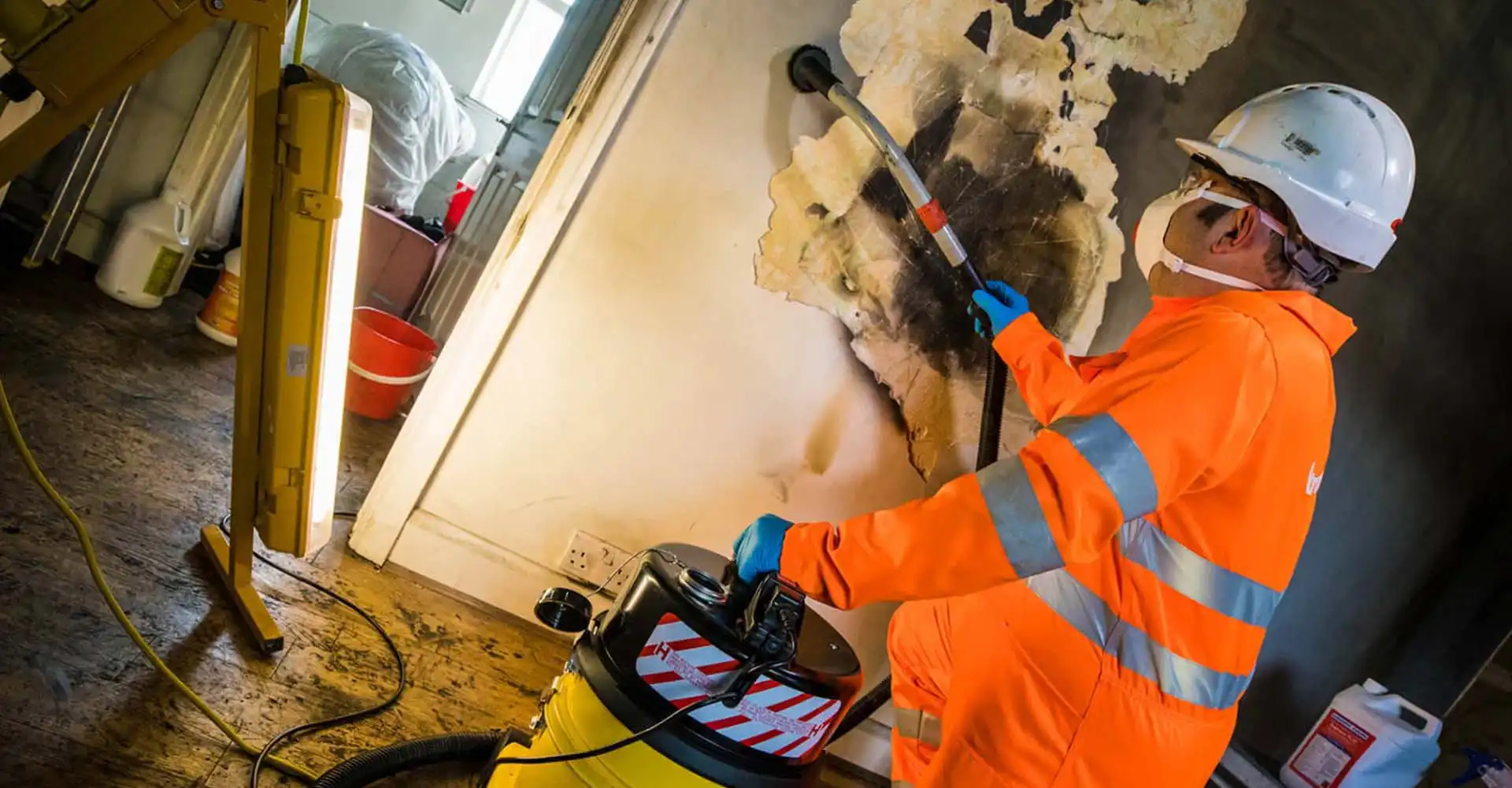
Ideal Response has over 20 years experience dealing with mould infestations in both domestic and commercial properties throughout the UK. Our mould removal process ensures a mould free property and long-lasting results. We have examples of successful jobs dating back years and countless customer reviews showcasing the level of service we provide our customers. Professional mould removal is an investment into your health and property, find out how much you can expect to budget for a professional mould service .
Improve ventilation
Control condensation
Fix leaks quickly
Regular cleaning
Professional surveys
Red mould is often dismissed as harmless, but it is a clear warning sign of excess damp and poor ventilation. Whether caused by bacteria like Serratia marcescens or mould fungi, it poses health risks and can escalate into more serious mould infestations if untreated.
Under Awaab’s Law and UK housing regulations , mould is a recognised hazard that landlords and property owners must address urgently.
If you’ve spotted red or black mould in your property, don’t wait for the problem to worsen. Book a professional mould survey today. Contact our expert team by phone or complete our online form to protect your home and your health.

Chris Hedges is Head of Marketing at Ideal Response and the author of every article published on this site. With over 25 years of senior marketing experience across property, legal, and professional services sectors, Chris brings a clear, evidence-led approach to writing about fire damage, flood restoration, and specialist property remediation. His philosophy is simple: cut through the noise, respect the reader's time, and give people the information they actually need.
Explore more articles about damage restoration, specialist cleaning and what we do
If you’re dealing with fire damage, flooding, or an environmental incident, our team is ready to respond. No matter if you have a question or have an emergency that you need help with, call:
If you’d prefer to drop us a message, use our main contact form and upload any pictures of the incident. Would you like us to call you? Fill out the short ‘Request a call back’ form.