Available 24/7 | 0800 088 4170

Available 24/7 | 0800 088 4170
Identifying the specific type of moisture ingress in a property is the first step toward effective remediation and requires a professional damp survey . In the UK, dampness is rarely a singular issue; it is often a combination of environmental factors, building age, and structural integrity. If you are asking, “what are common types of damp issues in homes?”, you are likely dealing with one of the four primary categories listed below. Understanding the differences is vital for choosing the correct restoration path. For structural drying and remedial works to be successful understanding the type of damp is a must.
Skip to:
Condensation
Rising Damp
Penetrating Damp
Traumatic Damp
How to identify the signs of damp
What are the health risks of damp and mould?
Summary
FAQs
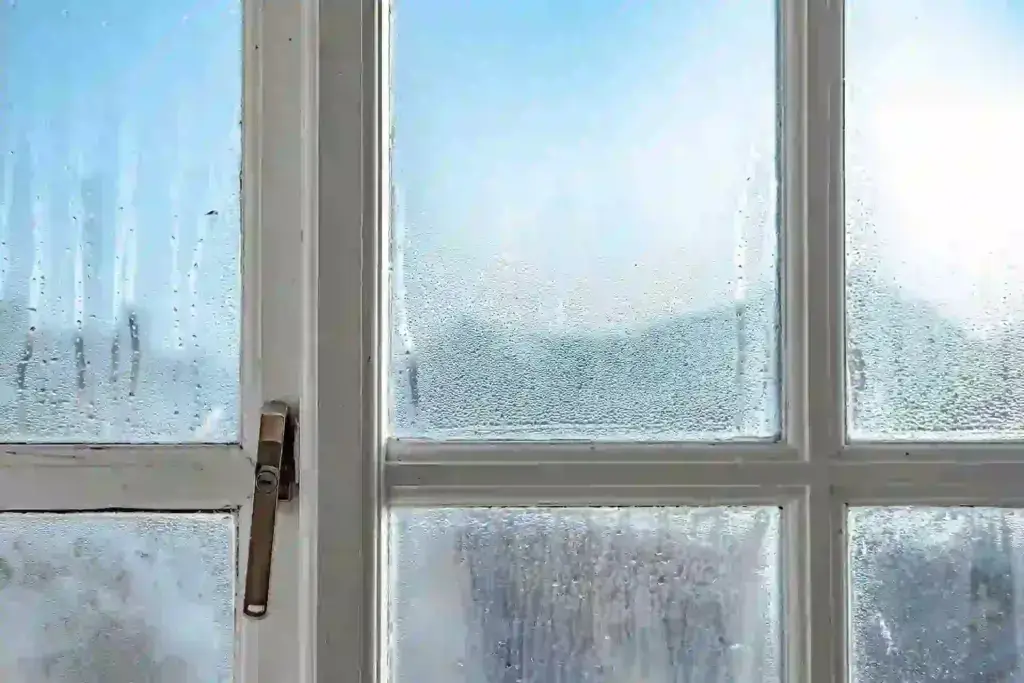
Condensation occurs when moist air comes into contact with cold surfaces (like windows or external walls), reverting into liquid water. Thermal imaging surveys can be an effective way to identify cold bridging and diagnosing condensation damp.
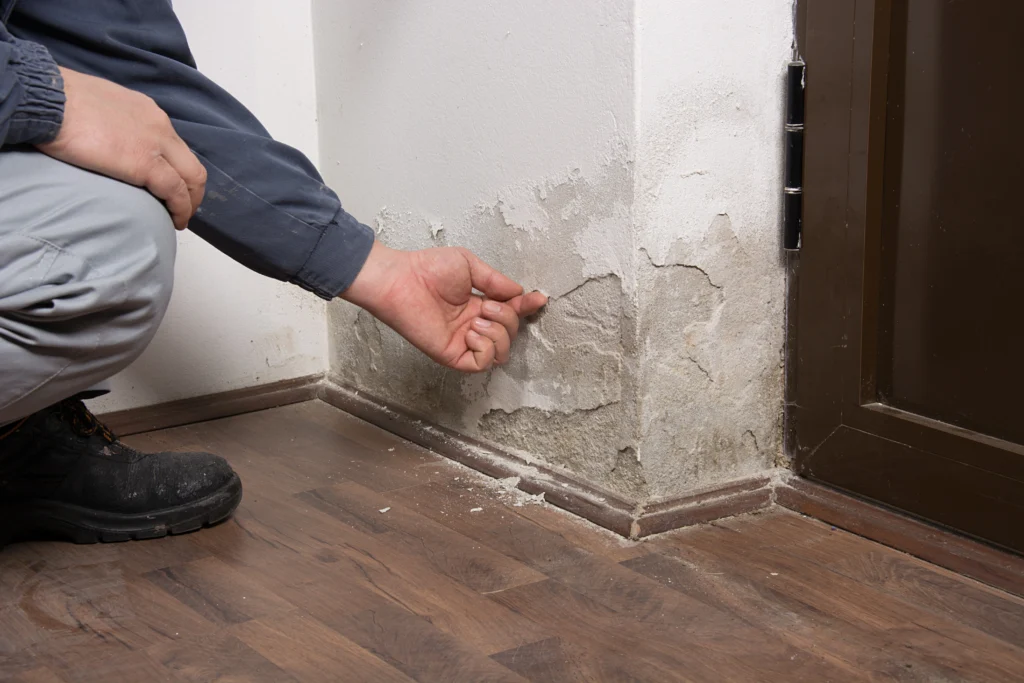
Rising damp is the vertical flow of water from the ground up through permeable building materials like brick and mortar via capillary action. Rising damp often leaves behind efflorescence, visible salty deposits that are a result of minerals being wicked from the ground into your masonry.
Unlike rising damp, penetrating damp moves horizontally through walls or downwards from roofs. It is usually the result of a structural defect.
While often categorised under “Water Damage,” traumatic damp refers to sudden, high-volume moisture ingress that saturates the building fabric.
| Feature | Condensation | Rising Damp | Penetrating Damp | Traumatic Damp |
|---|---|---|---|---|
| Location | Corners, windows & cold spots | Ground floor only | Anywhere (often external walls) | Near plumbing and appliances |
| Primary sign | Water beading on surfaces, mould growth | Tide marks & salt deposits (Efflorescence) | Isolated damp patches | Rapid saturation |
| Weather link | Worse in winter & cold temperatures | Constant | Worse after rain or snow melts | Unrelated to weather |
Damp isn't just a structural problem, it's a health one. Government guidance estimates that exposure to damp and mould was associated with around 5,000 new asthma cases and 8,500 lower respiratory infections among children and adults in England in a single year, with the risk falling disproportionately on lower-income households. Awaab's Law was brought into effect to help combat these issues and protect tenants in social housing. Awaab's Law will also be updated to cover private tenants.
The health effects of prolonged exposure include:
Children, the elderly, and anyone with a pre-existing respiratory condition are most at risk from damp and mould exposure, which is part of why Awaab's Law sets such strict deadlines for landlords to act. If you're seeing any of the visual signs of damp covered earlier, a professional mould removal service alongside a damp survey will address both the health risk and the underlying cause.


Looking for the signs and identifying the damp issue you’re facing in your home is just a small part of the solution. Damp can be a complicated issue to face and in some cases the cause wont always match the symptoms. The best and most reliable solution is to seek the help of a professional and experienced damp surveyor. A damp surveyor will use their experience and tools to gather the data needed to accurately diagnose the root cause of your damp.
Contact us today and book your professional damp survey . You will receive a comprehensive report detailing the extent of the damp, moisture readings and images as well clear actionable steps to solve the problem for good.
To learn more about professional water damage restoration and damp remediation, check out some of our case studies to learn more. If you manage a commercial space, our Construction Drying for Major Development case study will breakdown exactly what our process is. For homeowners, tenants and landlords, check out our Water Damage Clean-up & Dying case study to see how our experts returned a London residential property back to a safe and habitable condition.
Call our emergency response team 08083 031 169

Chris Hedges is Head of Marketing at Ideal Response and the author of every article published on this site. With over 25 years of senior marketing experience across property, legal, and professional services sectors, Chris brings a clear, evidence-led approach to writing about fire damage, flood restoration, and specialist property remediation. His philosophy is simple: cut through the noise, respect the reader's time, and give people the information they actually need.
Explore more articles about damage restoration, specialist cleaning and what we do