When something goes wrong in a property, the damage rarely stops at what can be seen.
Fire, flooding, serious leaks and contamination can quickly turn safe spaces into environments that pose health risks and long-term structural problems. In these moments, the response matters just as much as the incident itself.
Emergency cleaning services exist to deal with situations where speed, expertise and the right equipment are essential. They are designed to stabilise damaged properties, limit further loss and support safe recovery, not simply to clean, but to protect.
This guide explains what emergency cleaning services in the UK really involve, how they differ from standard cleaning, and when specialist support should be sought.
Skip to:
Why ’emergency cleaning’ is often misunderstood
What emergency cleaning services actually are
Why emergency cleaning is not typical domestic or commercial cleaning
The types of situations emergency cleaning covers
Who uses emergency cleaning services
How Ideal Response approaches emergency cleaning
Protect, restore, and regain control with emergency cleaning services
Why ’emergency cleaning’ is often misunderstood
The term emergency cleaning services is used widely and often incorrectly.
Many people assume it means a fast-response version of ordinary cleaning. Someone turning up quickly with standard equipment to tidy up a problem. In reality, emergency cleaning services are something very different.
In the UK, emergency cleaning refers to specialist intervention following events that cause damage, contamination or risk. Fires, floods, serious leaks and hazardous incidents don’t just make properties dirty, they also make them unsafe. They require trained professionals who understand how damage spreads, how health risks develop, and how to stabilise a situation before it becomes worse.
This page explains what emergency cleaning services actually involve, when they are required, and why they are not interchangeable with domestic or commercial cleaning.
What emergency cleaning services actually are
Emergency cleaning services are carried out in response to unexpected incidents that compromise a property’s safety or condition. These are situations where:
- Damage is actively worsening
- Health risks may be present
- Delay will increase cost and complexity
The work is focused on control and protection, not appearance. Cleaning is only one part of the response — often alongside drying, decontamination or stabilisation.
Why emergency cleaning is not typical domestic or commercial cleaning
This distinction matters, particularly when decisions are being made quickly.
Emergency environments often involve contaminated water, smoke residues, unstable materials or airborne particles. These conditions are not safe for standard cleaners to deal with, and attempting to treat them as normal cleaning jobs can make the situation worse.
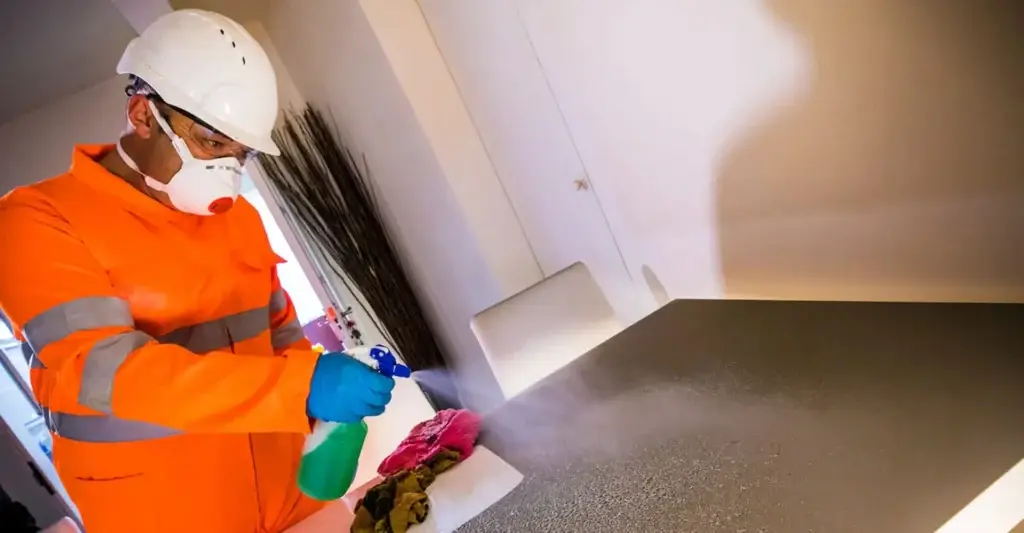
Emergency cleaning professionals are trained to recognise hidden risks, prevent cross-contamination and use equipment designed for damaged environments. The difference is not speed, it is capability.
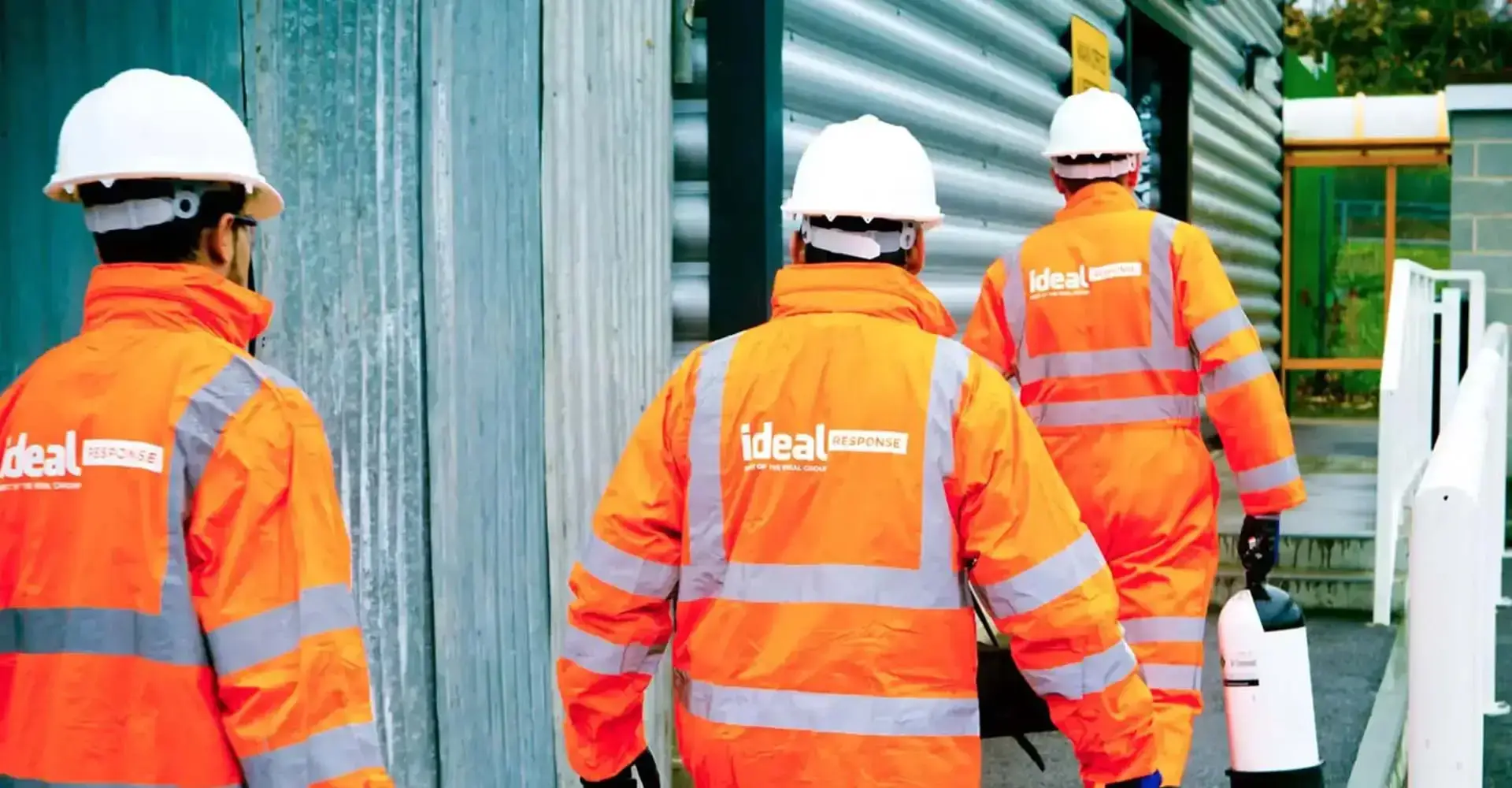
The types of situations emergency cleaning covers
Emergency cleaning services are most commonly required after incidents such as fire, flooding or major water escape.
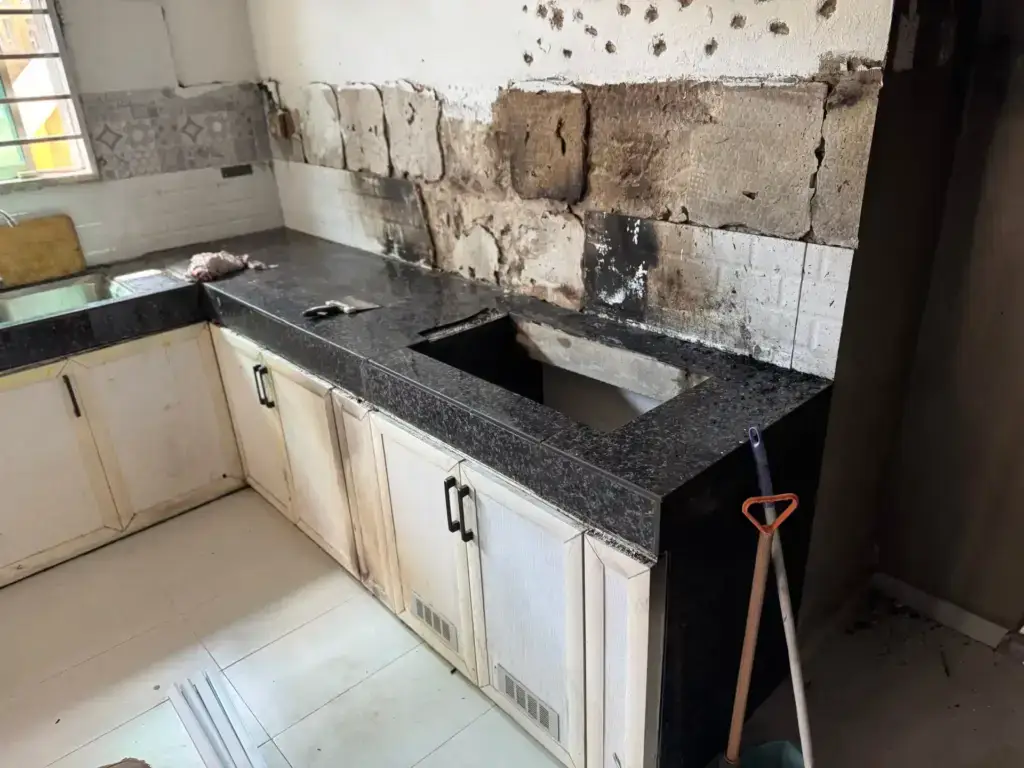
After a fire, even when flames are limited, smoke damage as well as soot and ash can spread throughout a property. These residues are corrosive and can permanently damage surfaces if not treated correctly.
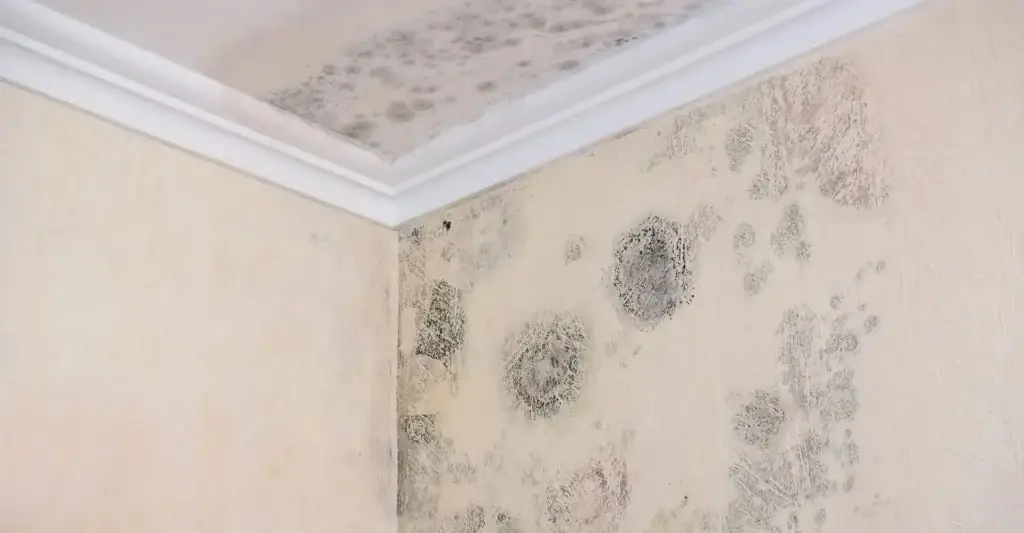
Water damage presents a different kind of urgency. Whether caused by flooding, burst pipes or leaks, moisture quickly migrates into materials and structures. If not addressed promptly, it can lead to mould growth and long-term damage.
Emergency cleaning may also be required where contamination is present, including sewage ingress or biological hazards following trauma incidents. These situations require specialist cleaning and disposal in line with UK regulations.
Who uses emergency cleaning services
Emergency cleaning services are used by people who need problems solved properly, not patched over. This includes homeowners trying to protect their property, landlords managing risk and compliance, and businesses needing to restore safe working environments. Insurers and loss adjusters also rely on specialist cleaning to prevent further loss and support claims.
Across all of these scenarios, the priority is the same: limit damage, protect health, and regain control of the situation.
Why timing matters so much
One of the defining features of emergency cleaning is urgency.
Water left standing for even a short time can penetrate materials and spread far beyond the original source. Smoke residues become harder to remove the longer they are left. Contamination can migrate and multiply. Early specialist intervention doesn’t just speed things up, it reduces overall damage and cost
How Ideal Response approaches emergency cleaning
Ideal Response provides emergency cleaning services across the UK for incidents that require immediate, specialist attention.
The approach is practical and measured. Each situation is assessed on its own merits, with the aim of stabilising the environment, reducing risk and supporting long-term recovery rather than short-term fixes.
Services include fire damage cleaning, water and flood damage cleaning, specialist drying and contamination control, delivered by trained teams using professional equipment.
Protect, restore, and regain control with emergency cleaning services
Emergency cleaning services are not just about making a property look clean, they are about protecting health, limiting further damage, and restoring safety after unexpected events like fires, floods, leaks or contamination.
Ideal Response provides professional emergency cleaning services across the UK, combining technical expertise with a practical, human approach. Each situation is assessed individually to stabilise the environment, prevent further damage, and ensure that affected spaces can be safely reoccupied. From fire and water damage to biohazard incidents, every intervention is handled with care, discretion, and full compliance with UK health and safety regulations.
You should seek emergency cleaning services whenever there is visible damage, contamination, or an environment that feels unsafe, or when acting quickly can prevent long-term issues such as mould, structural decay, or health risks. Early intervention not only reduces costs but also restores peace of mind faster.
Handled by trained specialists, emergency cleaning gives property owners, landlords, businesses, and organisations the confidence that the problem is under control, and that both immediate risks and long-term consequences are being managed professionally.
Speak to emergency cleaning specialists today
If your property has been affected by an unexpected incident, Ideal Response is ready to provide rapid, professional support across the UK. Contact Ideal Response for confidential advice, fast response, and expert emergency cleaning services when it matters most.
FAQs: Emergency cleaning services in the UK
What are emergency cleaning services?
Emergency cleaning services are specialist cleaning and restoration services used after sudden incidents that cause damage, contamination or safety risks. In the UK, this typically includes fire damage, flooding, serious water leaks, sewage contamination and other hazardous situations that require professional intervention.
How are emergency cleaning services different from domestic cleaning?
Domestic cleaning focuses on routine hygiene and appearance. Emergency cleaning focuses on risk control, damage limitation and safety. It involves specialist training, protective equipment and industrial-grade machinery that standard cleaners are not qualified or insured to use.
When should emergency cleaning specialists be contacted?
Emergency cleaning specialists should be contacted as soon as a property has been affected by fire, flooding, major leaks, contamination or any situation where delays could worsen damage or pose health risks. Early intervention often prevents far more serious and costly problems later.
Can emergency cleaning help prevent long-term damage?
Yes. Rapid specialist cleaning and drying can significantly reduce secondary issues such as mould growth, corrosion, material failure and persistent odours, which commonly develop when damage is left untreated.
Is emergency cleaning covered by insurance in the UK?
In many cases, yes. Emergency cleaning is often part of a valid insurance claim following fire or water damage. Using professional services helps ensure work is documented correctly and aligns with insurer requirements.
Is it safe to stay in a property that needs emergency cleaning?
Not always. Fire residues, contaminated water, airborne particles and damp environments can all pose health risks. A professional assessment is the safest way to determine whether a property is safe to occupy.
How quickly can emergency cleaning services respond?
Response times vary depending on location and circumstances, but emergency cleaning providers aim to respond as quickly as possible to stabilise the situation and prevent further damage.
Do emergency cleaning services include drying and dehumidification?
Yes. Emergency cleaning often includes specialist drying, dehumidification and moisture control to protect structures and prevent mould growth following water damage.
Can emergency cleaning services be used in commercial properties?
Absolutely. Emergency cleaning services are commonly used in offices, retail spaces, industrial units, public buildings and rental properties, as well as private homes.

Chris Hedges - Head of Marketing
With over 25 years' experience, Chris is adept at defining and driving strategy, while also enjoying hands-on operational delivery. He believes in an equal blend of creativity and analytical scrutiny, always finding inventive ways to achieve objectives, underpinned by evidence. Chris’s philosophies are simple: don't overcomplicate, always prioritise customer experience, and bend the rules just enough to cut through the noise and drive momentum and growth.