Available 24/7 | 0800 088 4170

Available 24/7 | 0800 088 4170
Lithium-ion batteries, widely used in devices like smartphones, e-bikes, and e-scooters, pose significant fire hazards due to their potential for thermal runaway. This self-sustaining chemical reaction causes intense fires, emits toxic smoke, and can reignite hours later, leading to a worrying increase in incidents across UK homes and commercial spaces. Common causes include overcharging, using incompatible chargers, charging on flammable surfaces, and improper storage or disposal. To mitigate risks, always use correct chargers, avoid charging overnight or unattended, and dispose of batteries responsibly in dedicated recycling bins. Vigilance and adherence to safety guidelines are crucial for preventing these dangerous and challenging fires.
If you have experience a lithium-ion fire in your property and are in need of restoration help, you can visit our fire damage cleaning and restoration services to learn more.
Skip to:
Lithium-Ion battery fires in the UK
What makes lithium-ion batteries a fire hazard?
UK Fire statistics
Lithium-ion battery fires in UK homes
Commercial and industrial fire risks
Lithium-ion battery disposal fires and risks
Conclusion
FAQs
In an increasingly electrified world, lithium-ion batteries have become the heartbeat of modern convenience. Found in everything from smartphones and laptops to e-bikes and commercial energy storage systems, they’re powering our homes, businesses, and even how we travel. But beneath their convenience lies a serious and growing concern of fire risk.
Across the UK, fire and rescue services are reporting a sharp rise in fire realted incidents linked to lithium batteries. These compact power units, while efficient, pose unique dangers that both domestic and commercial users must take seriously.
In this blog, we’ll examine the causes, the UK-specific fire statistics, prevention strategies for homeowners and business owners alike, and what to do when the worst happens. Whether you’re a tech-savvy homeowner or a facilities manager, understanding this growing threat could be the difference between safety and disaster.
Lithium-ion batteries are great for their energy density and rechargeable nature, but those same qualities make them inherently volatile under certain conditions.
At the heart of the issue is thermal runaway. This is a self-sustaining chemical reaction that rapidly increases the battery’s temperature. If a battery cell is damaged, overcharged, or exposed to heat, this can ignite the flammable electrolyte inside, leading to fires that are not only intense but also emit toxic smoke and soot and are difficult to extinguish with traditional fire suppression methods.
Unlike other household or industrial fires, those caused by lithium-ion batteries can reignite hours after the initial blaze, creating a persistent hazard even after the emergency services have intervened.
While often used interchangeably, lithium batteries and lithium-ion batteries are not the same. Lithium batteries are single-use (non-rechargeable) and commonly found in devices like watches, remote controls, and smoke alarms. In contrast, lithium-ion batteries are rechargeable and used in smartphones, laptops, e-bikes, and power tools. Both types can pose fire risks, but lithium-ion batteries are generally more volatile due to their higher energy density and the complexity of their internal components. Fires involving lithium-ion batteries also tend to be more severe and are a growing concern due to their widespread use and potential for improper charging or disposal.
The rise in lithium and lithium-ion battery usage has coincided with a worrying spike in fire incidents across the UK.
Statistics at a glance:
These statistics highlight a trend that is not only escalating but also increasing in severity.
Lithium-ion batteries have become standard in UK homes, found in devices as common as vacuum cleaners, children’s toys, laptops, mobile phones, and increasingly, electric bikes and scooters. Unfortunately, this familiarity often leads to complacency. Common domestic risks include:
Overnight charging
Many fires begin at night when devices are left charging unattended. Chargers without automatic shut-off mechanisms or poor-quality components can overheat batteries and start fires while occupants are asleep.
Incompatible chargers
Using a charger that doesn’t match the battery’s specifications can lead to overcharging, voltage surges, or battery stress.
Charging in hazardous locations
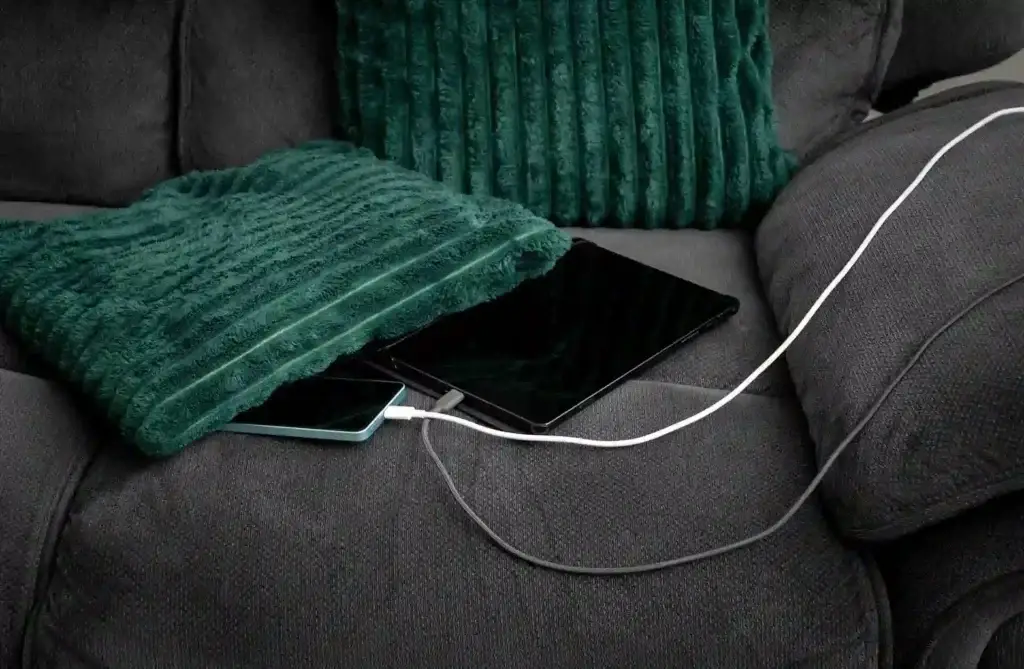
Charging on soft furnishings, such as beds or sofas, can prevent heat dissipation and accelerate ignition in the event of battery failure.
DIY repairs and conversions
Unregulated battery modifications or homemade e-bike kits have been linked to several recent fire incidents.
While domestic fires often garner media attention, the commercial risk is arguably more significant due to the scale of exposure and potential for business disruption.
Warehouses, logistics hubs, retail stores, and offices often store or use large quantities of lithium-powered equipment. From mobile scanners and laptops to battery storage systems and forklift batteries. Commercial scenarios at risk
Bulk battery storage
Improperly ventilated storage units or high-density battery shelves can act as accelerants during a fire.
Logistics and distribution
Couriers and delivery hubs handling returns or faulty products face added fire risk from damaged cells.
Retail environments
Shops selling or displaying lithium-powered devices are at risk, especially where chargers are plugged in for demonstration purposes.
Improper disposal of lithium-ion batteries is an underreported but major fire risk. When these batteries end up in household waste, they can ignite under pressure or when compacted in refuse trucks and waste facilities. The following proper battery disposal practices are recommended:
The UK is responding to the rise in lithium battery fires through a combination of public awareness campaigns, updated guidance, and proposed legislative action. Some of the current measures include: Current Measures
Looking ahead, the government is expected to introduce legislation requiring clearer labelling, improved recycling infrastructure, and product recalls for non-compliant battery packs.
The convenience of lithium-ion batteries comes with very real risks. These risks are rapidly becoming more visible in both homes and workplaces throughout the UK. As usage continues to rise, it’s critical for individuals and businesses to understand the dangers, implement preventative measures, and be prepared to respond when incidents occur.
By remaining vigilant, staying informed, and engaging professional help when needed, we can significantly reduce the danger posed by these powerful yet volatile components of modern life.
Need expert help following a fire?
Whether you’ve experienced a lithium battery fire or want to proactively safeguard your property. Our certified fire damage restoration specialists respond fast, minimise disruption, and restore your home or business. Visit our fire damage cleaning and restoration services to learn more.
Need to speak to a specialist urgently? Call 08083 031 171

Chris Hedges is Head of Marketing at Ideal Response and the author of every article published on this site. With over 25 years of senior marketing experience across property, legal, and professional services sectors, Chris brings a clear, evidence-led approach to writing about fire damage, flood restoration, and specialist property remediation. His philosophy is simple: cut through the noise, respect the reader's time, and give people the information they actually need.
Explore more articles about damage restoration, specialist cleaning and what we do



If you’re dealing with fire damage, flooding, or an environmental incident, our team is ready to respond. No matter if you have a question or have an emergency that you need help with, call:
If you’d prefer to drop us a message, use our main contact form and upload any pictures of the incident. Would you like us to call you? Fill out the short ‘Request a call back’ form.