When a serious incident occurs, whether it’s an unattended death: a violent crime, or a significant industrial accident, the aftermath is often more than a standard cleaning crew can handle. This is where a professional trauma clean becomes essential. Ideal Response have been a trusted provider of trauma cleaning services for over 20 years.
But what exactly does the process involve? And why is it a critical legal and safety requirement? In this guide, we break down everything you need to know about trauma cleaning, the risks of DIY attempts, and how professional remediation protects both people and property.
Skip to:
When is a trauma clean required?
The risks of DIY trauma cleaning
Defining the trauma clean: More than just a standard clean
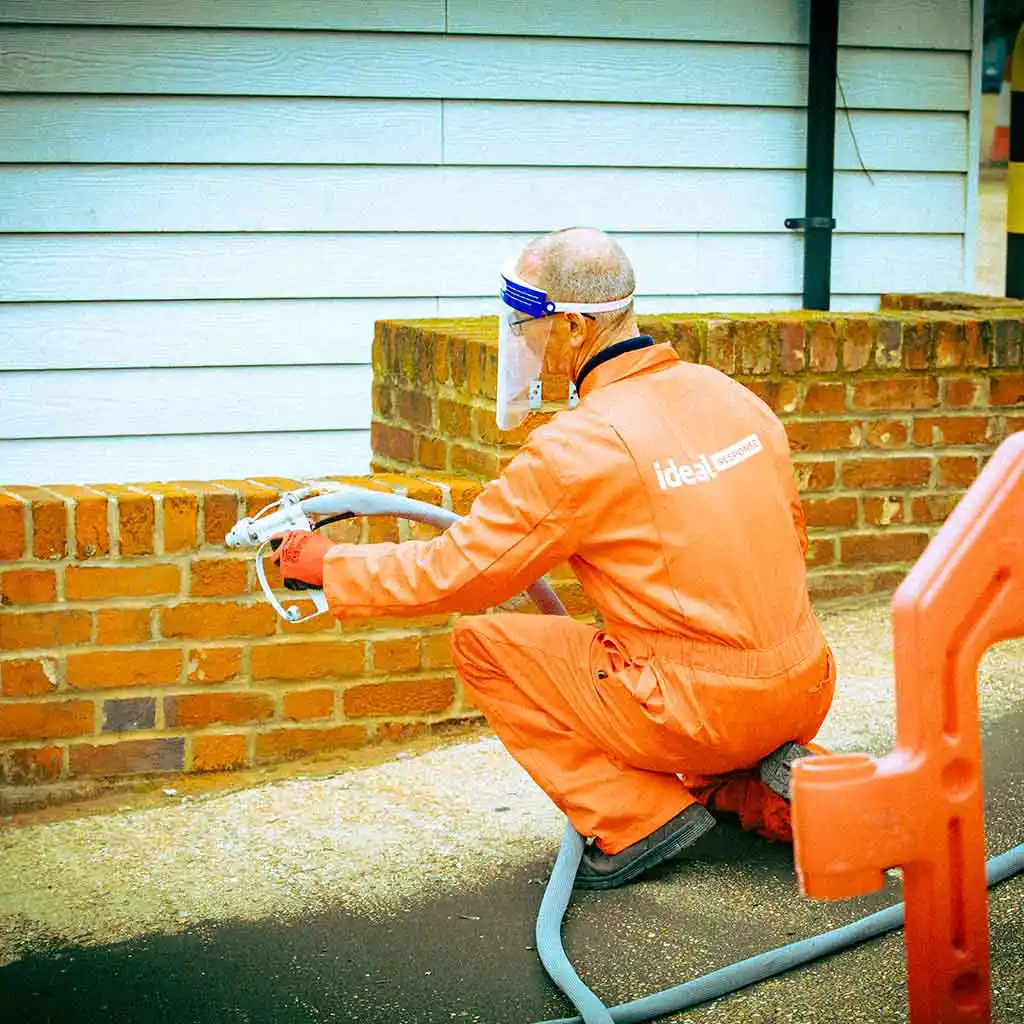
A trauma clean is a highly specialised biohazard remediation process. Unlike domestic or even standard commercial cleaning, it focuses on the safe removal of biological contaminants, such as blood, bodily fluids, and human tissue.
The goal of a trauma cleaning service is twofold:
Safety: Eliminating pathogens and bloodborne diseases (like Hepatitis B, C, and HIV).
Restoration: Returning the environment to a “clean” state, visually, biologically, and aromatically.
When is a trauma clean required?
Trauma cleaning is an umbrella term that covers various sensitive scenarios. Common instances include:
Unattended deaths: When a person passes away and is not found for days or weeks, decomposition creates significant biohazard risks and lingering odours.
Crime scenes: After police have finished their investigation, forensic chemicals (like luminol) and biological matter must be removed.
Suicides and attempts: These require a compassionate but clinical approach to ensure no trace of the incident remains for returning family members.
Industrial accidents: Severe workplace injuries involving machinery often result in large-scale biohazard spills.
The risks of “DIY” trauma cleaning
It is a common misconception that a trauma scene can be cleaned with household bleach and a mop. However, the risks associated with improper handling are severe:
1. Bloodborne pathogens
Viruses can live in dried blood for several days. Without professional-grade Personal Protective Equipment (PPE) and chemical-grade disinfectants, anyone entering the scene is at risk of infection.
2. Structural contamination
Fluids are highly invasive. They can seep through floorboards, into subflooring, and behind skirting boards. If these are not identified and treated, the property will suffer from permanent structural damage and persistent, toxic odours.
3. Psychological impact
Cleaning a scene where a loved one or colleague has suffered is incredibly traumatic. Professional cleaners act as a buffer, allowing families and businesses to focus on recovery while the physical reminders are erased.
What is the professional trauma cleaning process?
At Ideal Response, we follow a rigorous protocol to ensure the site is safe for re-entry.
Step 1: Assessment and containment
We begin by assessing the “hot zone” (the area of contamination). We establish strict boundaries to prevent cross-contamination into other parts of the building.
Step 2: Biohazard removal
All biological matter is carefully removed. This includes any porous materials (like carpets or mattresses) that cannot be safely decontaminated. These items are disposed of as hazardous waste in accordance with UK law.
Step 3: Deep cleaning and disinfection
Using industrial-grade antimicrobial and virucidal agents, we clean all hard surfaces. This goes beyond the surface level, often involving the removal of fixtures to reach hidden contaminants.
Step 4: Deodorisation
Decomposition and biological matter leave a distinct, persistent scent. We use advanced technology, such as ozone generators or hydroxyl units, to neutralise odour molecules at the molecular level.
Step 5: Verification
The final step is verifying that the area is biologically safe. We can provide a Certificate of Decontamination, giving property owners peace of mind that the site is safe for habitation or trade.
To learn more about the trauma scene cleaning process, visit our Complete Trauma Scene Cleaning Guide. Or, check out our Trauma Cleaning for the Metropolitan Police case study to see what the process looks like from start to finish.
Fast action matters
Time is a critical factor in trauma cleaning. The longer biological matter is left, the further it seeps into the building structure. Ideal Response provides a 24/7 emergency response to ensure we are on-site as quickly as possible.
Whether you need assistance in London, Kent, Maidstone, or Canterbury, our teams are trained to handle every scene with the utmost discretion and professionalism.
Conclusion
A trauma clean is not just a cleaning task; it is a vital safety service that requires technical expertise and emotional sensitivity. By hiring a professional biohazard team, you ensure the property is legally compliant, biologically safe, and restored to its original state.
Do you require urgent assistance? Visit our trauma cleaning service page to learn more about our methods or contact our emergency team today for a discreet consultation.
Call our emergency response team 0800 088 4170
Trauma clean FAQs
How long does a trauma clean typically take?
The duration of a trauma clean depends entirely on the scale of the incident and how much time has passed. A small, contained area may take 4–6 hours, whereas an unattended death in a large property may require several days of intensive cleaning and deodorisation. Our teams provide an estimated timeline following the initial assessment.
Is trauma cleaning covered by buildings or contents insurance?
In many cases, yes. Most comprehensive home and business insurance policies cover the cost of specialist biohazard remediation. We recommend checking your policy for “accidental damage” or “specialist cleaning” clauses. We can often provide the necessary documentation and reports to assist with your insurance claim.
Can I enter the property while the cleaning is in progress?
For safety reasons, we advise that nobody enters the “hot zone” while our technicians are working. We use high-strength chemicals and specialised equipment that require the area to be vacated. Once we issue the Certificate of Decontamination, the property is 100% safe for re-entry.
How do you handle items that cannot be cleaned?
Porous materials such as carpets, mattresses, and upholstered furniture often cannot be fully decontaminated if they have absorbed biological fluids. These items are removed and disposed of as controlled “Category E” clinical waste in accordance with UK environmental regulations.
What locations do you cover for emergency trauma cleaning?
Ideal Response provides 24/7 emergency response across the South East. We have dedicated teams ready to deploy to London, Kent, Maidstone, and Canterbury. We aim to be on-site within hours of your call to mitigate risks.
Will the smell be completely gone after the clean?
Yes. We don’t just “mask” smells with air fresheners. We use industrial-grade technology like hydroxyl generators and ozone treatment to neutralise odour molecules at the source, ensuring the environment is fresh and safe to inhabit.

Tahlia Ibrahim - Delivery Manager
Tahlia has over four and a half years of in-depth experience across various facets of the disaster recovery industry. Having progressed through roles in marketing and sales to her current position, Tahlia possesses a comprehensive understanding of the entire business operation, from initial client contact to meticulous service delivery. A certified BioSweep Specialist, she excels in advanced odour elimination techniques, ensuring thorough restoration.