Anywhere chemicals are in use, the risk of a spill is always present. Knowing what to do in case of a spill is crucial, and can, in some cases, help save lives. In this guide, the expert team here at Ideal Response breaks down how to respond to a chemical spill, from preparing beforehand to post oil spill cleanup. Read on to learn more.
Skip to
How to prepare before a chemical spill occurs
How to prepare before a chemical spill occurs
When it comes to chemical spill procedures, offence is the best defence. This means having a robust prevention plan in place to reduce the likelihood of spills happening in the first place. There are a few key steps to achieving this:
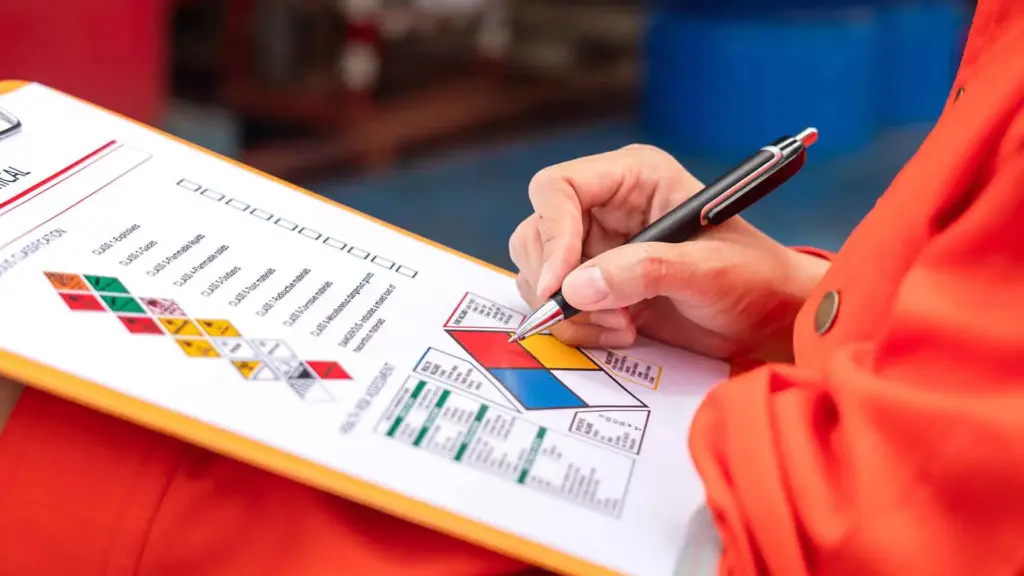
Identify and understand your hazards
The first step in your preparations should be to take stock of the hazards at your site. This should include:
- The type and volume of chemicals at your site
Their potential environmental impact - The harm they could pose to staff
- Damage they may cause to property
Assessing these factors allows you to understand the kind of damage that a chemical spill at your specific site could cause, which in turn informs the preparation measures you should take.
Create a clear spill response plan
Once you understand the risks that the chemicals at your site present, you can begin to plan ways to handle them in an emergency.
The HSE recommends that you create a ‘site emergency plan’ and that it should include:
- Measures for containing incidents immediately after they occur to help minimise their impact
- How to protect staff and the surrounding environment
- An outline of the specific steps that will be taken in case of a spill to mitigate the consequences, paired with a list of the safety resources available to enact the steps
- Details of how staff will be trained in their safety duties
- How you will inform local authorities of the spill
- Plans for tackling offsite spills that relate to your work
The HSE also urges that “The emergency plan should be simple and straightforward, flexible and achieve necessary compliance with legislative requirements.”
Provide regular training for employees
As defined in your chemical spill response procedure, staff will need to be trained on the details of the procedure as well as how to carry out their duties in the event of a spill.
This training will also need to be periodically refreshed to keep understanding up-to-date and to ensure a quick, direct response in case of an emergency. According to HSE guidance, training should cover:
- How to alert others and contact the local fire brigade
- How to handle a spill, leak or fire
- How to evacuate your site and possibly surrounding premises
Equip your facility with the proper spill response tools
As well as training your staff, you should also ensure they have the tools at their disposal to respond quickly and appropriately to a spill. You should compile spill kits that include the equipment necessary to tackle the specific chemicals present at your site.
Being able to access the right tools quickly and easily can help improve spill containment and reduce risk.
Chemical spill response procedures once a spill happens
Now we’ve covered response planning, let’s look at what to do in case of a chemical spill. We’ve put together some general steps below as a rough guide, but it’s always important to work with an expert chemical spill cleanup company like Ideal Response to ensure thorough hazard mitigation.
Assess the risk
The first step in any chemical spill procedure should be to assess the risk. This means determining what substance you’re dealing with, where the leak has taken place and how it could impact people, structures and the environment around it.
If you’re dealing with a large spill or an especially volatile or dangerous substance, remove personnel from the vicinity. In these cases, you should immediately contact emergency services and then a responsible spill cleanup company.
Secure the space
Once you understand the nature of the spill and the hazards presented, you should secure the area to prevent others from entering the vicinity. This helps limit potential harm and confine the effects to a given area.
Physical markers or barriers are usually best, as they create a clear delineation around the spill area.
Contain the spill
With the area secured, the next step is to try and prevent the spill from spreading or becoming any larger. This is usually done by creating a physical barrier around the spill using absorbent materials such as spill pillows, vermiculite or cat litter.
Containment minimises the cleanup area and reduces the risk of harm to people or the environment.
Shut down the source
Next, try to stop the source of the spill. For example, if the chemical is leaking from a damaged container, plug or patch the container if possible. This will keep the spill from becoming larger and speed up the cleanup process.
While shutting down the source is an important part of any chemical spill procedure, it should be approached with caution as it requires getting close to the spill.
Evaluate the situation and begin clean up
Once the area is secured, the spill is contained and the source shut down, the next step is to evaluate the size of the spill and the damage it has caused or is causing. After you understand exactly what you’re dealing with, you can begin the cleanup process. While it is possible to tackle some spills yourself, depending on scale and chemicals in question, it’s usually advisable to hire a specialist chemical spill cleanup company.
Decontaminate the area
After the spill has been cleaned up, the area needs to be thoroughly decontaminated. Even after cleanup, harmful residues can remain on surfaces for long periods of time. Unaddressed, this could cause secondary harm to people or have long-term environmental impacts.
Again, a specialist cleanup company is advisable for this step, as they will have the tools and expertise necessary to work efficiently and thoroughly.
Complete the required reports
The final step is to fill out detailed reports on how the spill occurred, how it was handled and what will be done to prevent a similar incident in the future. At Ideal Response, our chemical spill response and cleanup services include report completion as standard to help make the process as straightforward as possible and ensure you maintain legal compliance. For more information, have a read of our blog on legal requirements for chemical spill cleanup.
A success story
To learn more about what chemical spill cleaning looks like, visit our Emergency Chemical Spill Cleanup in Kent Hospital case study. Or, for homeowners, tenants and landlords you can check out our Domestic Chemical Spill Cleaning case study.
Professional chemical spill clean up at Ideal Response
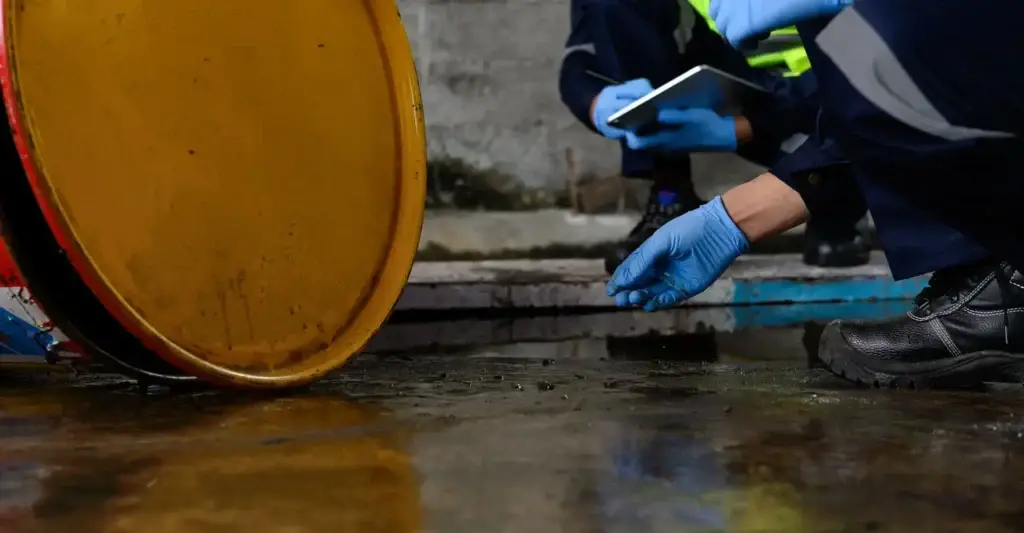
So, in terms of what to do in case of a chemical spill, one of the most important steps is to work with a trusted cleanup company. Ideal Response has been providing expert chemical cleanup services since 2001. We are highly experienced and work in accordance with the latest safety standards.
Our team is trained in the containment, cleanup and decontamination of a wide range of chemical spills and can attend your site quickly in an emergency. We also offer a selection of other specialist cleaning and damage restoration services, including environmental services, hazardous waste disposal, mercury cleanup and oil spill cleaning.
Call our emergency response team 0800 088 4170
Chemical spill FAQs
What are the first steps to take in the event of a chemical spill?
The immediate priority in any chemical spill is the safety of personnel. You should evacuate the immediate area, alert others, and identify the spilled substance if it is safe to do so. Once the area is clear, you must consult the Safety Data Sheet (SDS) for the specific chemical to determine the appropriate response, including required Personal Protective Equipment (PPE) and containment procedures.
How do you identify a "major" vs "minor" chemical spill?
A minor spill is one that can be safely handled by on-site staff using a standard spill kit, does not pose an immediate health threat, and has not entered drainage systems. A major spill involves highly toxic, flammable, or reactive substances, covers a large area, or risks environmental contamination. Major spills require immediate evacuation and the mobilisation of a professional chemical spill clean up service.
What is a Safety Data Sheet (SDS) and why is it important during a spill?
A Safety Data Sheet (SDS) is a legal document provided by chemical manufacturers that outlines the hazards, composition, and emergency procedures for a specific substance. In the event of a spill, the SDS is your most critical resource; it provides specific instructions on neutralisation agents, fire-fighting measures, and the necessary respiratory protection required to manage the incident safely.
Can you use water to clean up a chemical spill?
No, you should never use water as a default cleaning method for chemical spills. Many chemicals react violently with water, while others may be diluted and spread further into the environment or drainage systems, causing widespread contamination. Always refer to the SDS to check for water-reactivity and use specific absorbent materials or neutralisers found in a compliant spill kit.
What are the legal requirements for reporting a chemical spill in the UK?
In the UK, chemical spills must be managed in accordance with COSHH (Control of Substances Hazardous to Health) regulations. If a spill enters the sewage system, local watercourses, or poses a significant risk to public health, you have a legal obligation to report the incident to the Environment Agency or the local water authority. Failure to report and properly remediate a spill can result in significant fines and legal liability.
Why is professional remediation necessary after a chemical spill?
Even after the visible liquid is removed, chemical residues can linger on surfaces, inside porous materials, or within ventilation systems. Professional remediation ensures that the environment is decontaminated at a molecular level, preventing long-term health risks such as respiratory distress or chemical burns. Specialists provide air quality testing and waste transfer notes, ensuring your business remains compliant with UK health and safety laws.

Tahlia Ibrahim - Delivery Manager
Tahlia has over four and a half years of in-depth experience across various facets of the disaster recovery industry. Having progressed through roles in marketing and sales to her current position, Tahlia possesses a comprehensive understanding of the entire business operation, from initial client contact to meticulous service delivery. A certified BioSweep Specialist, she excels in advanced odour elimination techniques, ensuring thorough restoration.