Soot & Ash Cleaning After a Fire | Ideal Response

Available 24/7 | 0800 088 4170

Soot and ash cleaning

Soot and ash keep causing damage after a fire: acidic residue stains and corrodes surfaces, metals and fabrics, and fine particles are harmful to breathe. Ideal Response removes soot and ash safely from homes and commercial properties across the UK, matching the cleaning method to each surface so residue is lifted, not smeared.

Coverage: UK-wide, including London, Kent and the South East
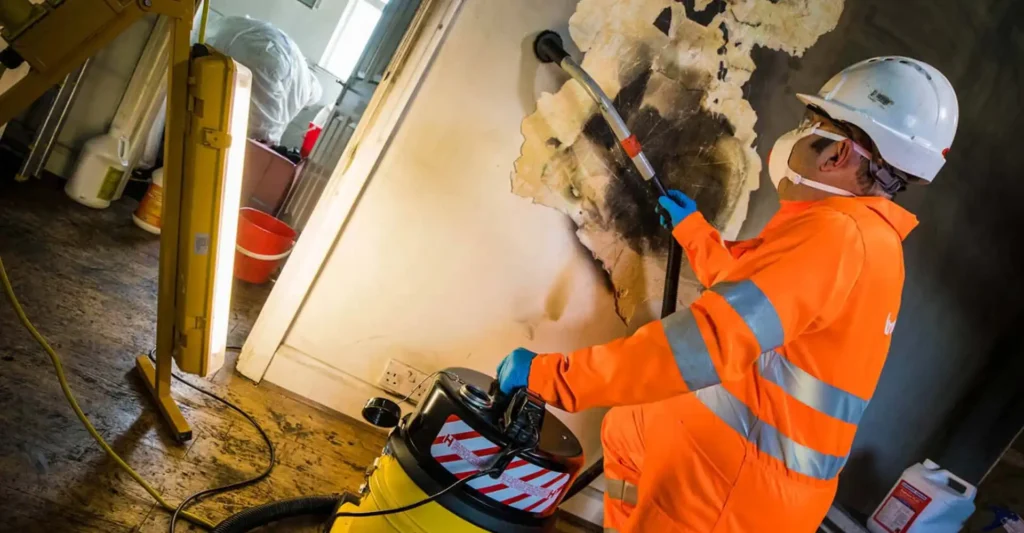
Ideal Response technician using a HEPA vac on a soot and ash damaged wall

Soot and ash cleaning overview

What it is
Safe removal of soot and ash from walls, ceilings, contents and masonry after a fire, without smearing it deeper
Why act quickly
Soot is acidic: it starts to stain paintwork, etch glass and corrode metal within days
Insurance
Often covered by home and business insurance. We can deal with your insurer or loss adjuster directly and provide the evidence they need (ex VAT)
How long
One day for light soot in a room; two to five days for a whole house; longer for car parks and commercial sites (depending on the size of the affected area)
Booking
Scheduled once payment is confirmed; often the next day, and within a week at the latest
What you receive
Before-and-after photos and a report you can give to your insurer

UK fire statistics

39,859building fires attended by fire and rescue services in England in 2025/26
26,180fires attended in homes across England in 2025/26
42%of accidental home fires involved cooking appliances as the ignition source in England in 2025/26
3.1%increase in building fires attended in England compared with the previous year

Source: MHCLG fire statistics, year ending March 2026. These figures provide context for post-fire soot and ash cleaning; they do not measure cleaning jobs.

How we carry out soot and ash cleaning

Step 1Assess the surfacesSoot behaves differently on paint, brick, metal and fabric; we plan a method for each.
Step 2Contain and protectNegative air machines and zoning keep soot out of clean areas.
Step 3Remove loose sootHEPA vacuuming and dry sponging, never wet cleaning first.
Step 4Neutralise and cleanAlkaline cleaners neutralise acidic residue; masonry may need controlled blasting.
Step 5Dispose and documentContaminated material removed as a registered waste carrier, with records for your insurer.

Equipment we use

01
HEPA vacuums
Capture fine soot and ash particles
02
Dry chemical sponges
Lift soot from delicate surfaces
03
Alkaline neutralisers
Stop acidic residue etching glass and metal
04
Negative air machines
Contain airborne soot during cleaning
05
Media blasting (sand, soda, walnut shell)
Remove baked-on soot from masonry and concrete
06
Access equipment
Reach high ceilings, stairwells and roof spaces safely

When you need soot and ash cleaning

Soot has settled on walls, ceilings, fittings or contents
Chimney or stove fire has blackened a room
Brickwork or masonry is stained by smoke
A car park, warehouse or industrial unit is coated in soot
Previous cleaning has smeared or failed to shift the residue

What we clean

Rooms and surfaces

Walls, ceilings, floors, fixtures and fittings.

Contents

Furniture, fabrics and belongings that can be saved.

Brick and masonry

Fireplaces, chimney breasts, external walls and car parks.

Commercial and public buildings

Warehouses, retail units, car parks and council buildings, often while they stay open.

How we remove soot and ash

Dry cleaning and HEPA vacuuming

Loose soot is removed from walls, ceilings and furnishings first.

Chemical sponging

Stubborn deposits lifted without spreading contamination.

Neutralising

Alkaline agents stop acidic residue etching glass and corroding metal.

Air filtration and containment

Negative air machines and zoning keep soot out of clean areas.

Waste disposal

Contaminated materials removed lawfully as a registered waste carrier.

Safety and compliance

Soot cleaning involves hazardous residues and chemicals, so the work is controlled and documented.

HSE and COSHH

Cleaning agents and methods meet health and safety and chemical-handling rules.

Trained technicians

BDMA-trained staff using recognised fire-damage methods.

Waste

Disposed of in line with the Environmental Protection Act.

Management systems

ISO 9001, 14001 and 45001

Records

Full reporting for insurers, property managers and compliance files.

Why soot and ash need professional cleaning

Corrosion

Acidic residue etches glass, corrodes metal and degrades porous materials if left

Health

Fine particles irritate the lungs, eyes and skin; HEPA filtration keeps them out of the air

No smearing

The right method for each surface removes residue rather than spreading it

Less secondary damage

Prompt cleaning prevents staining and smell setting in, which costs more to put right later.

Evidence for insurers

Documented work supports your claim

Dry soot or wet soot: why it matters

The type of soot decides the cleaning method and how much can be saved.

TYPE TYPICAL SOURCECLEANING IMPLICATION
Dry, powdery soot Wood and paper fires burning hotEasier to remove with dry methods
Wet, oily soot Plastics and rubber burning slowlySmears easily; needs specialist chemistry
Protein residueFood burning in kitchens Almost invisible but strong-smelling
Fuel soot Oil or fuel burning Dense, sticky deposits

Why choose us for soot & ash cleaning

Accredited specialists
DMA and IICRC accredited fire damage specialists, not general cleaners
Rapid 24/7 UK response
Our emergency teams are available 24/7 across the UK, ensuring a rapid response to prevent further secondary damage
Paperwork that stands up
Insurer-ready paperwork: written scope, before-and after photos, beyond-economic-repair lists and loss adjuster liaison
Tailored approach
We craft a customised soot and ash cleaning plan designed specifically for your property's needs
Independently reviewed
Read what customers say on Trustpilot, where we invite every customer to leave a review.
Typical timescales
SituationTypical time on site
Light soot in one room1 day
Whole house / smaller commercial units2 to 5 days
Large buildings and car parksSeveral days to weeks, often while the site stays open

Every job is different; you get a timeline after the assessment. Standards we work to: BDMA practice guidance, HSE and COSHH regulations, Environment Agency waste rules

Where our work stops

e clean and decontaminate. We do not carry out repairs or redecoration; heavily stained paintwork may still need repainting. Smoke smell is treated separately if needed: see smoke odour removal.

How much does soot and ash cleaning cost?

Soot cleaning usually costs between £1,000 and £1,500 per day, depending on the area and how severe the contamination is. We give a detailed quote from photos or a site visit.

COST FACTOR WHY IT MATTERS
Area affected A single room takes less time than a whole building
Surfaces Porous materials such as brick and plaster take longer than hard, painted surfaces
Severity Heavy or old soot needs more passes and stronger methods
Waste Volume of contaminated material to remove

What happens when you contact us

Step 1Tell us about the damageCall or send details and photos of the affected areas.
Step 2 Cleaning planWe recommend the right methods for each surface, and odour treatment if needed.
Step 3Quote, payment and bookingYou receive a quote and schedule of works. Once payment is arranged, we book the work, often for the next day.
Step 4Soot and ash removalHEPA-filtered equipment and surface-specific methods remove residue without re-depositing it.
Step 5Check and handoverWe inspect every area, photograph the result and hand the space back ready to use or repair.

Recent soot and ash cleaning projects

Ideal Response technician in full PPE sand blasting
Completed section of the car park after a soot clean.

Ideal Response technicians using sand blasting to remove soot damage and how it looked finished.

Soot removal in a car park in Bromley

Location
Bromley
Duration
10+ Days
Service
Soot & Ash Cleaning
Sector
Commercial / FM
A fire left a car park heavily coated in soot, and earlier cleaning had not worked. The team used precision sandblasting and controlled decontamination to remove the residue without damaging surfaces, while the car park stayed operational.
Toufik Bouraine, Fire Damage Specialist, Ideal Response
Toufik Bouraine
Fire Damage Specialist
“Soot from a fire can settle across many different materials, each requiring a suitable cleaning approach. Here, the concrete ceilings, soffits and pillars could withstand specialist sandblasting, while the walls, mechanical and electrical services, and office finishes required more controlled methods. Initial test cleaning helped establish which techniques would remove the soot effectively while protecting the underlying surfaces.”

Related services and guides

Need help now?

Call the team any time.

0800 088 4170
Available 24/7
CALL FOR IMMEDIATE HELPREQUEST A QUOTE

Talk to the fire damage team

For an emergency, call us. Otherwise send a few details and photos, and the team will get back to you.

Available 24/7

JPG, JPEG, PNG, WEBP, HEIC, MP4, MOV, PDF — up to 5 files

We’ll use your details to respond to your enquiry. View our Privacy Policy

Soot and ash cleaning questions

How much does soot cleaning cost?
Usually between £1,000 and £1,500 per day, depending on the area and severity. We give a detailed quote after seeing photos or the site.
How do you remove soot and ash after a fire?
HEPA vacuuming to capture fine particles, chemical sponges for delicate surfaces and alkaline cleaning agents to neutralise acidic residue. Our team wears full protective equipment.
Can soot and ash harm my health?
Yes. Fine particles can irritate the lungs, skin and eyes, and can worsen asthma and other breathing conditions.
How quickly can you start?
Once payment is confirmed, we schedule the work, often for the next day and within a week at the latest.
Do you clean soot after a fire in commercial buildings?
Yes. As a soot cleaning company we work in car parks, warehouses, retail units and council buildings, as well as homes, often keeping the site operating.
Can you remove the smoke smell too?
Yes, as a separate treatment. See smoke odour removal.
Is Ideal Response industry accredited and insured for soot and ash cleaning?
Yes, we are fully insured, accredited, and industry-trained to the highest standards. Our team members undergo rigorous training to ensure every soot and ash cleaning job meets the exceptional safety and quality benchmarks you’d expect from a a specialist company operating across the UK.