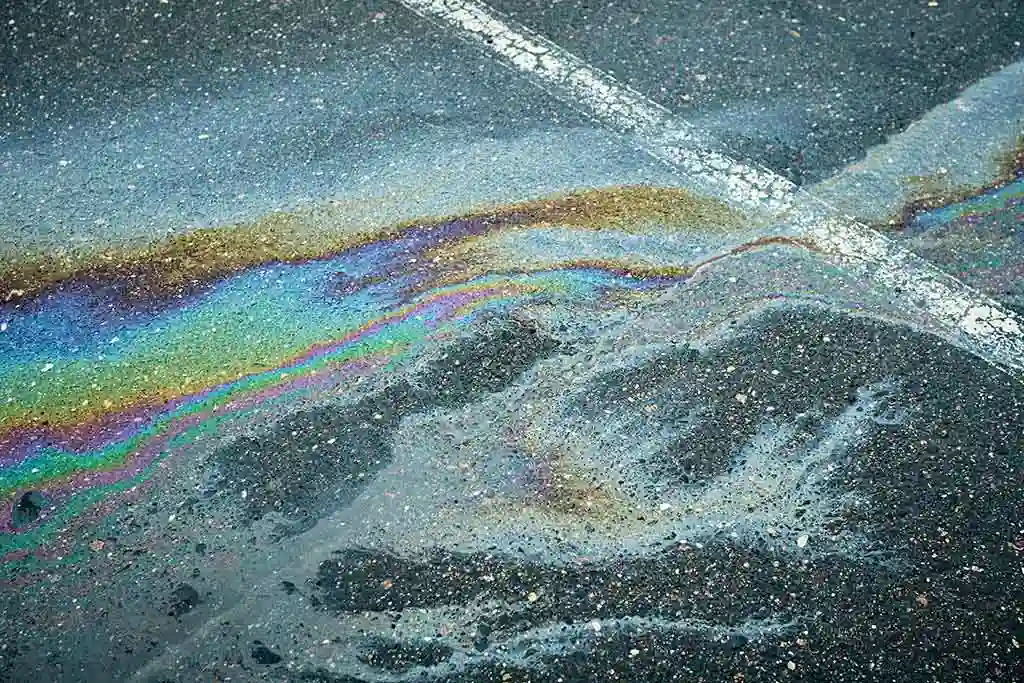
The initial moments after an oil spill are vital. You need to attempt to stop the spill, contain it and prevent it reaching water courses and call in professionals like Ideal Response to carry out oil spill cleaning.
Oil spills can be sudden, stressful, and hazardous, whether it’s a domestic heating oil leak, a diesel spill in your driveway, or a commercial incident at your business. The good news? Immediate action can prevent extensive environmental damage, reduce cleanup costs, and keep you compliant with UK law.
In this guide, we’ll explain exactly what to do after an oil spill, what you can handle yourself, when to call in professionals, and how to prevent future incidents. Whether you’re a homeowner or business owner, you’ll find practical, actionable advice tailored to UK regulations and safety standards.
Skip to:
Legal and environmental considerations in the UK
Cleaning up oil spills: DIY vs professional
Understanding oil spills
Oil spills are not just mess, they’re dangerous and potentially illegal. Here’s what you need to know:
Types of oil spills
Domestic: Heating oil from home tanks, lubricants, or vehicle leaks.
Commercial: Diesel, industrial oils, lubricants, or chemical oils in warehouses, factories, or transport depots.
Environmental impact
Even small spills can pollute soil and watercourses, harm wildlife, and contaminate drainage systems. Larger spills can have serious ecological consequences and attract regulatory scrutiny.
Legal considerations in the UK
Under UK law, spills that reach drains, rivers, or soil may require reporting to the Environment Agency. Ignoring a spill can lead to fines, legal action, and liability for environmental damage. For guidance on storage and compliance, see our oil storage regulations blog.
Immediate actions to take
When an oil spill occurs, time is critical. Acting quickly can limit damage and make clean-up safer and easier.
Ensure safety first
- Keep people and pets away from the spill.
- Avoid ignition sources
- Wear appropriate personal protective equipment (PPE), such as gloves and masks.
Contain the spill
- Use absorbent materials, sand, or a spill kit to prevent the oil from spreading.
- If it’s safe, stop the source: cap a leaking container or close a tank valve.
Prevent spread to drains and watercourses
- Create temporary barriers (sandbags, absorbent booms) to stop oil from entering drains or waterways.
- Do not wash oil into drains, this is illegal and can cause environmental harm.
Assess the scale of the spill
- Minor: Small driveway or garage spills that can be safely cleaned using absorbents.
- Major: Large domestic or commercial spills requiring professional intervention.
Contact professional responders
Even if the spill seems small, professionals can ensure safe removal, proper disposal, and compliance with UK environmental law. If you are a business, it’s beneficial to have an emergency spill response plan and the contact information of a certified cleanup company.
Legal and environmental considerations in the UK
- Environmental law: The Water Resources Act and the Environmental Protection Act regulate pollution.
- Reporting obligations: Notify the Environment Agency if oil reaches drains or watercourses.
- Liability: Both homeowners and businesses can face fines for improper clean-up.
- Waste disposal: Oil-contaminated materials must be treated as hazardous waste and disposed of correctly.
Failure to follow proper procedures can result in fines, legal action, and serious environmental damage.
For more on legal compliance, see our Diesel Spill Clean-Up Compliance guide.
Cleaning up oil spills: DIY vs professional
DIY cleaning for small spills
For minor domestic incidents, you can take some steps yourself:
- Use cat litter, sand, or absorbent pads to soak up the oil.
- Sweep up the material carefully and dispose of it at a household hazardous waste facility.
- Wash surfaces with eco-friendly detergents designed for oil removal.
Limitations: DIY clean-up can be hazardous, and residual oil may still contaminate soil or drains.
Professional clean-up services
For larger spills, or when legal compliance is essential, professional services offer:
- High-powered vacuums and oil-water separators
- Bioremediation and soil treatment
- Rapid containment to prevent environmental damage
- Documentation for insurance and regulatory compliance
Why professional cleanup is best
Learn more about the oil spill cleaning process and what makes professional cleanup essential from our Rapid Oil Spill remediation case study.
How much does oil spill cleanup cost in the UK?
One of the first questions people ask after an oil spill is how much the clean-up is likely to cost. The honest answer is that there is no single price, because every spill is different. However, understanding the typical cost ranges and what influences them can help you make an informed decision and avoid unexpected expenses.
Typical oil spill cleanup costs range
While every situation must be assessed individually, the following gives a general idea of what people can expect in the UK:
- Small domestic oil spills (for example, a minor heating oil leak or small driveway spill): Often in the hundreds of pounds, depending on access and contamination.
- Moderate residential spills (oil reaching soil, gardens, or hardstanding): Commonly high hundreds to low thousands, especially if excavation or specialist treatment is required.
- Commercial or larger-scale spills (warehouses, plant areas, transport depots): Can range from several thousand pounds upwards, depending on volume, risk, and regulatory requirements.
These figures are indicative only and should always be confirmed through a professional assessment.
What factors affect the cost of oil spill cleanup?
Several key factors determine the overall cost of cleaning up an oil spill:
- The type of oil involved (heating oil, diesel, lubricants, industrial oils)
- The amount of oil spilled
- The location of the spill (indoors, driveway, soil, near drains or watercourses)
- Whether oil has entered or is at risk of entering drainage systems or waterways
- The urgency of the response, including out-of-hours or emergency callouts
- The level of soil removal, treatment, or bioremediation required
- Proper disposal of contaminated waste in line with UK regulations
The more complex or environmentally sensitive the situation, the more specialist equipment and expertise are required.
Can professional oil spill cleanup save money in the long run?
Although professional oil spill cleanup may seem like a higher upfront cost, it often reduces overall expense and risk. Acting quickly and correctly can:
- Prevent environmental damage and potential fines
- Stop oil spreading into drains, soil, or nearby properties
- Reduce the need for repeat clean-ups
- Support insurance claims with clear documentation
- Minimise disruption to homes or business operations
In many cases, early professional intervention can significantly lower the total cost of remediation.
Getting an accurate quote
The only way to determine the true cost of an oil spill cleanup is through a proper assessment. A professional response team can quickly evaluate the situation and explain the most effective and compliant solution.
Reputable providers will:
- Offer clear explanations of what work is required
- Provide transparent pricing based on the specific incident
- Explain any legal or environmental obligations
- Respond quickly, especially in emergency situations
If you’re unsure whether a spill requires professional attention, it’s always safer to seek advice early.
Preventing future oil spills
Prevention is always better than cure. Here’s how to protect your home or business:
Domestic tips
- Inspect oil tanks regularly for leaks or corrosion.
- Install secondary containment systems for storage tanks.
- Keep spill kits at hand for emergencies.
Commercial tips
- Train staff in spill response procedures.
- Conduct regular equipment and tank inspections.
- Store oils in compliance with health, safety, and environmental regulations.
- Maintain a dedicated emergency spill kit on-site.
Insurance & contingency planning
- Ensure your insurance covers oil spills.
- Keep emergency contacts accessible for quick professional response.
Emergency oil spill cleanup and next steps
An oil spill can be alarming, whether it happens at home or at a business premises. What matters most is how quickly and correctly you respond. Taking early action helps limit environmental damage, reduces clean-up costs, and ensures you stay compliant with UK regulations.
For homeowners, spills often involve heating oil tanks, garages, or driveways. For businesses, the risks can be greater, particularly where oil is stored in larger quantities or close to drains and watercourses. In both cases, understanding the right steps to take, and knowing when professional support is needed, can make a significant difference to the outcome.
If you experience an oil spill anywhere in the UK, it’s important to:
- Act quickly to contain the spill and protect drains and soil
- Avoid attempting to wash oil away or dispose of contaminated waste incorrectly
- Seek professional advice if there is any risk to the environment or the surrounding property
Local knowledge and rapid response are especially important. Whether you are in London, Manchester, Birmingham, or a rural location, having access to experienced spill response professionals can reduce the impact of an incident and prevent long-term issues.
At Ideal Response, we provide 24/7 emergency oil spill response across the UK for both domestic and commercial customers. Our team can assess the situation quickly, carry out safe and compliant clean-up, and guide you through any environmental or regulatory requirements.
Alternatively, call our emergency response team 0800 088 4170
FAQs: Oil spills (homes & businesses)
What should I do immediately after discovering an oil spill?
If it’s safe, stop the source of the spill and contain it using absorbent materials to prevent spreading. Keep oil away from drains, soil, and watercourses, and seek professional advice immediately if there is any risk of environmental contamination.
When is an oil spill considered an emergency?
An oil spill becomes an emergency if it cannot be safely contained, is spreading, or poses a risk to drains, waterways, property, or health. In these situations, rapid professional response is essential to limit damage and legal exposure.
Can I clean up a domestic oil or diesel spill myself?
Very small spills on hard surfaces may be managed using absorbent materials, but oil that reaches soil, enters buildings, or threatens drains should always be handled by trained professionals to ensure safe and compliant cleanup.
Do oil spills need to be reported in the UK?
Yes. If oil enters or could enter drains, rivers, groundwater, or land, it must be reported to the Environment Agency. Failing to report a qualifying spill can result in enforcement action or fines.
How much does professional oil spill cleanup cost in the UK?
Costs vary depending on the type and volume of oil, the affected area, and the level of contamination. Minor domestic spills may cost hundreds of pounds, while larger residential or commercial spills can cost significantly more. A site assessment provides the most accurate estimate.
Will my insurance cover an oil spill at home or at work?
Many home and commercial insurance policies provide cover for accidental oil spills, particularly from heating oil tanks. Insurers typically expect evidence that the spill was handled correctly, which is why professional cleanup is often recommended.
How long does oil spill cleanup usually take?
Small spills can sometimes be resolved within hours, while more complex spills involving soil, drainage systems, or commercial sites may take days or longer. Early intervention helps reduce both cleanup time and cost.
What are the responsibilities of businesses when an oil spill occurs?
Businesses have a legal duty to prevent pollution and protect the environment. This often includes immediate containment, professional cleanup, correct waste disposal, and maintaining records to demonstrate regulatory compliance.
Can oil spills cause long-term damage if not dealt with properly?
Yes. Oil can persist in soil and drainage systems for years if not treated correctly, leading to environmental harm, odour issues, repeat contamination, and increased remediation costs.
Who should I contact for emergency oil spill cleanup in the UK?
You should contact a professional oil spill response company that offers 24/7 emergency support and has experience handling spills in line with UK environmental regulations.

Chris Hedges - Head of Marketing
With over 25 years' experience, Chris is adept at defining and driving strategy, while also enjoying hands-on operational delivery. He believes in an equal blend of creativity and analytical scrutiny, always finding inventive ways to achieve objectives, underpinned by evidence. Chris’s philosophies are simple: don't overcomplicate, always prioritise customer experience, and bend the rules just enough to cut through the noise and drive momentum and growth.