If you have noticed tiny, white, dust-like specks moving across your furniture, skirting boards, or kitchen cupboards, you likely aren’t looking at dust at all. You are looking at mould mites.
While these microscopic pests are not directly harmful to the structure of your home in the same way termites might be, their presence is one of the most reliable biological indicators of a property emergency. In the UK, where humidity levels frequently soar, mould mites act as a red flag, signalling that your property has an unresolved moisture problem that could be damaging both your health and your assets.
Mould mites feed on mould and mould thrives in damp conditions. Without solving these two issues, those mould mites aren’t going anywhere. Find out how professional damp surveying and mould removal can solve the problem for good.
Skip to:
What are mould mites?
Mould mites (scientifically known as Tyrophagus putrescentiae) are tiny, wingless acarids that feed exclusively on fungal spores and high-protein organic matter. They are so small that a single mite is nearly invisible to the naked eye; however, in an infestation, they appear as a moving “layer of dust.”
Unlike bed bugs or fleas, mould mites do not bite humans or pets. Their primary danger lies in their diet. They only thrive where there is active fungal growth. Therefore, if you have mould mites, you undeniably have a mould and moisture problem, even if you can’t see it yet.
The warning sign: What mould mites indicate
The most important thing to understand about mould mites is that they are a secondary symptom. They are attracted to environments with a relative humidity consistently above 70%. Their presence indicates one of several underlying root cause issues:
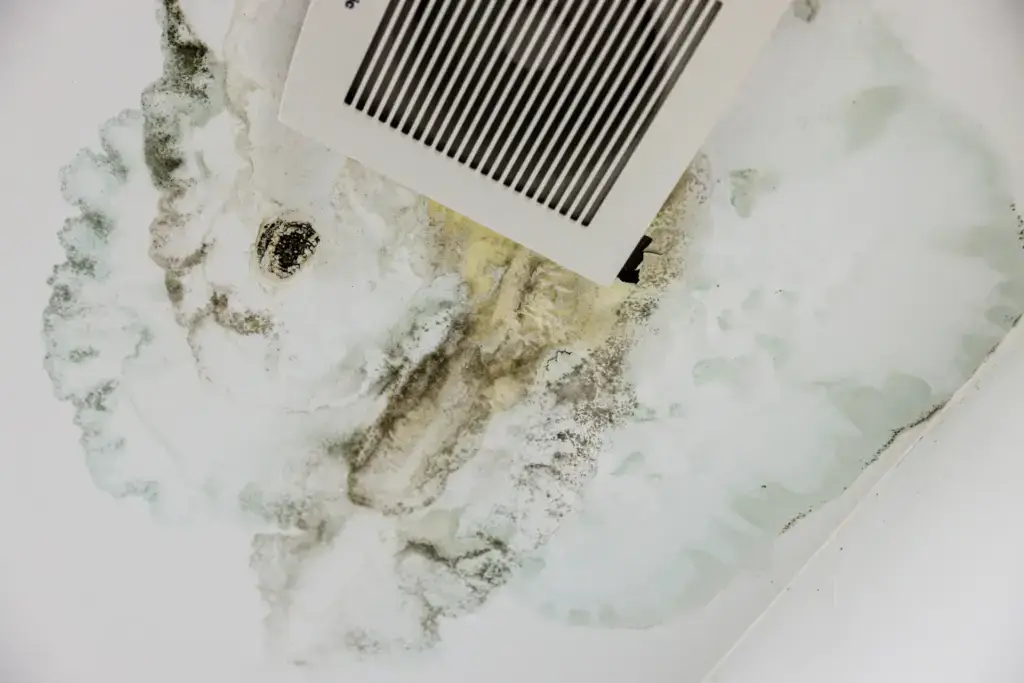
Hidden fungal reservoirs: They may be feeding on mould colonies growing behind wallpaper, under floorboards, or within wall cavities.
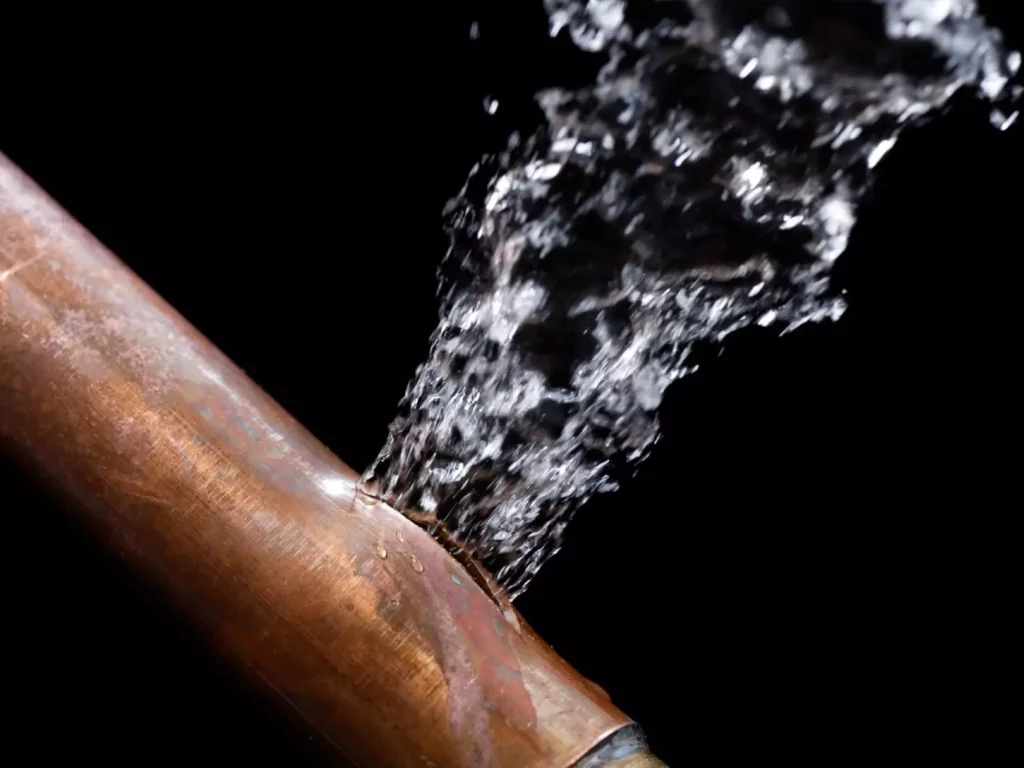
Structural damp: Their presence often points toward penetrating damp, rising damp, or a slow-leak from a pipe that has saturated the building’s fabric.
Ventilation failure: In many modern UK homes, poor airflow leads to “stagnant air” and high condensation, creating the perfect micro-climate for both fungi and mites.
To determine the exact cause of the moisture fuelling these pests, a professional damp survey using thermal imaging is often required.
Are mould mites dangerous?
While they don’t bite, mould mites are not harmless. They pose two distinct risks:
1. Respiratory and allergic triggers
Mould mites produce waste products and shed skins that contain potent allergens. When these become airborne, they can trigger “mould mite asthma,” hay fever-like symptoms, and skin irritation. For those already suffering from mould toxicity symptoms, the presence of mites can exacerbate respiratory distress.
2. Contamination
In kitchens, mould mites are often found in “pantry infestations,” where they contaminate dry goods like flour, grains, and cereals. Once a food source is infested, it must be disposed of immediately to avoid ingestion of the mites and their associated fungal spores.
Why DIY pest control fails
When homeowners discover mould mites, the first instinct is to reach for a general insecticide. While this may kill the visible mites, it is a temporary and ultimately futile solution.
-
The food source remains: As long as there are mould spores and high humidity, new mites will migrate to the area within days.
-
The moisture problem escalates: By focusing on the “pests,” many people ignore the damp issue. This allows the mould to infiltrate deeper into porous materials like plasterboard and timber, leading to costly structural repairs later.
-
Ineffective eradication: Most household sprays do not penetrate the crevices where mites and their fungal food sources hide.
To learn more about mould mites and how we carry out full remediation and decontamination works, check out our Domestic Mould Mite Infestation case study.
How to get rid of mould mites permanently
To eradicate mould mites, you must remove their reason for being there. The process follows a strict hierarchy of remediation:
Moisture mapping: Identify if the moisture is coming from a leak, rising damp, or condensation.
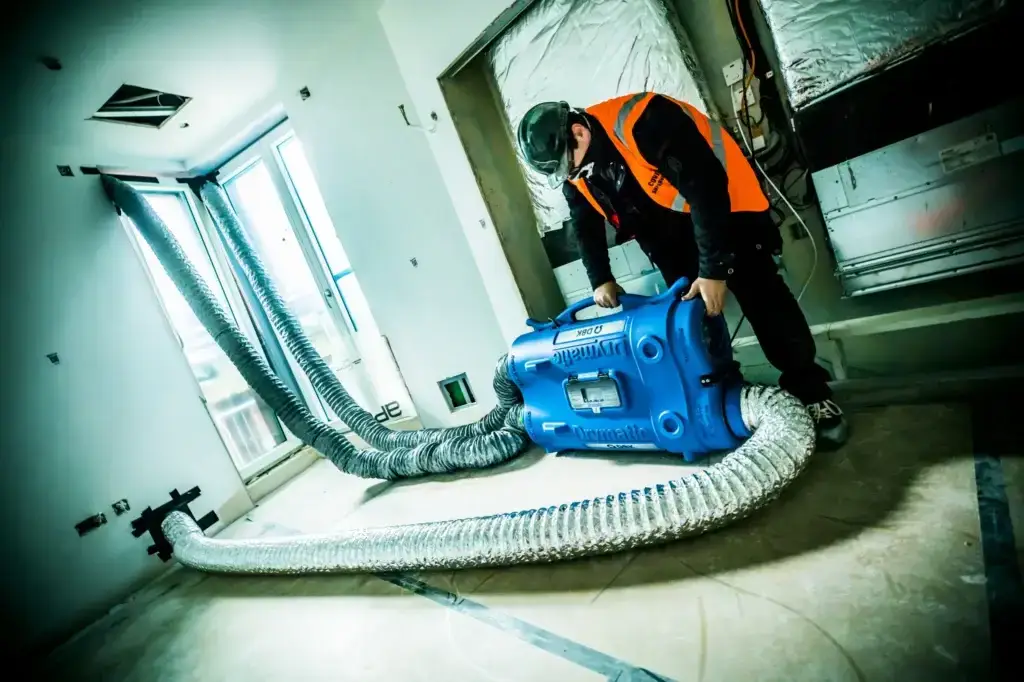
Humidity control: Use industrial-grade dehumidifiers to drop the relative humidity below 50%, which physically dehydrates and kills the mites.
Fungal remediation: Physically remove the mould colonies they feed on. As we outline in our guide to black mould removal, this must be done using HEPA filtration to prevent spreading spores.
Deep decontamination: Use professional-grade biocides to clean surfaces and ensure no microscopic food sources remain.
A professional solution to your problem
Discovering mould mites is your property’s way of telling you there is a problem. Don’t ignore the warning sign. Ideal Response provides expert moisture detection and mould remediation services across London, Kent, and the South East.
Stop the mites by stopping the moisture. Contact Ideal Response today for a professional survey and a permanent solution to your damp and mould issues. Call us on 01622 926 505.
Call our emergency response team 01622 926 505
Mould mite FAQs
Do mould mites go away on their own?
No. Mould mites will continue to breed as long as their food source (fungal spores) and environmental conditions (high humidity) are met. They will only disappear once the property’s moisture levels are professionally managed and the mould is remediated.
Can you see mould mites?
Individually, they are almost impossible to see without a magnifying glass. However, they are easily identified when they congregate in large numbers; they look like a fine, white or tan “living dust” that appears to move slowly across dark surfaces.
How do I tell the difference between dust and mould mites?
If you suspect an infestation, wipe a small area with a damp cloth. If the “dust” reappears and begins to move within minutes, or if the “dust” seems to accumulate specifically near damp patches or in kitchens, you are likely dealing with mould mites.
Will a dehumidifier kill mould mites?
Yes, a dehumidifier is a critical tool. Mould mites have permeable skin and rely on high ambient moisture to survive. By maintaining a relative humidity below 50% for several days, you can effectively kill the adult mites. However, this will not remove the mould spores they were feeding on, which requires professional remediation.

Tahlia Ibrahim - Delivery Manager
Tahlia has over four and a half years of in-depth experience across various facets of the disaster recovery industry. Having progressed through roles in marketing and sales to her current position, Tahlia possesses a comprehensive understanding of the entire business operation, from initial client contact to meticulous service delivery. A certified BioSweep Specialist, she excels in advanced odour elimination techniques, ensuring thorough restoration.