It’s a shared concern amongst homeowners, tenants or anybody who’s ever knocked over a drink close to a plug socket: can water in electrics cause a fire? The short answer is yes, under the right conditions, water can be the catalyst that triggers electrical faults and results in a full electrical fire. While not every spill results in danger, there are other ways electrical fires can happen as a result of exposure to water.
In this safety guide, we will break down the causes of electrical fires, proactive measures to prevent them and what to do in the event of one. This way, you’re prepared to act quickly, minimise damage and protect your property.
Skip to:
How are electrical fires caused?
What happens when electrical wiring gets wet?
How to prevent electrical fires after a leak or flood?
Steps to take when an electrical fire happens
How to extinguish an electrical fire
How are electrical fires caused?
Electrical fires can be started in several different ways. They can be a result of faulty sockets, damaged extension leads, and outdated wiring that isn’t up to safety standards. Simply put, when electrical energy converts into controlled heat it can result in a fire.
Water can cause an electrical fire because it conducts electricity, allowing the current to travel in ways it shouldn’t. This can create sudden surges, sparks and intense heat, all of which can ignite the surrounding material. Water can also cause metal parts to corrode over time. Corrosion is a slower, hidden danger that can eventually lead to fire as it weakens electrical components, creates loose or unstable connections and increases the chances of overheating.
What happens when electrical wiring gets wet?
When electrical wirings get wet, it disrupts the way electricity is meant to flow. It creates a new unintended path for the current, which can lead to short circuits, insulation damage or electrical arcing. While it may not always present immediate danger, over time, each of these situations can escalate and worsen, eventually resulting in a fire.
Unfortunately, moisture that lingers inside wiring doesn’t entirely evaporate. It can seep into gaps and slowly break down materials. As wiring deteriorates, electrical current can become less stable. This extra strain produces heat and is often in hidden areas behind walls or inside appliances, making it difficult to spot damage.
How to prevent electrical fires after a leak or flood?
Preventing electrical fires after a leak requires precise care, specialist knowledge and a thorough understanding of how water affects electrical systems. One of the first things you’re going to want to do, if it’s safe, is switch off the mains. If water has submerged electrical outlets, do not step in the water and call a qualified professional team.
Appliances should also be unplugged; safety is paramount throughout this process, and no appliance should be used until it has been properly checked. Avoid touching or going near any exposed wiring, as it may still be live. Even small precautions, such as using a torch instead of candles when surveying damage can significantly reduce risk, especially if gas lines have been compromised.
In most cases, after a flood, replacing electrical wiring is strongly recommended. This is because moisture can be trapped within the insulation and corrosion can begin almost immediately. Electrical components that are connected may already be damaged, so it’s best practice to contact a professional water damage restoration team to assess the situation.
Steps to take when an electrical fire happens
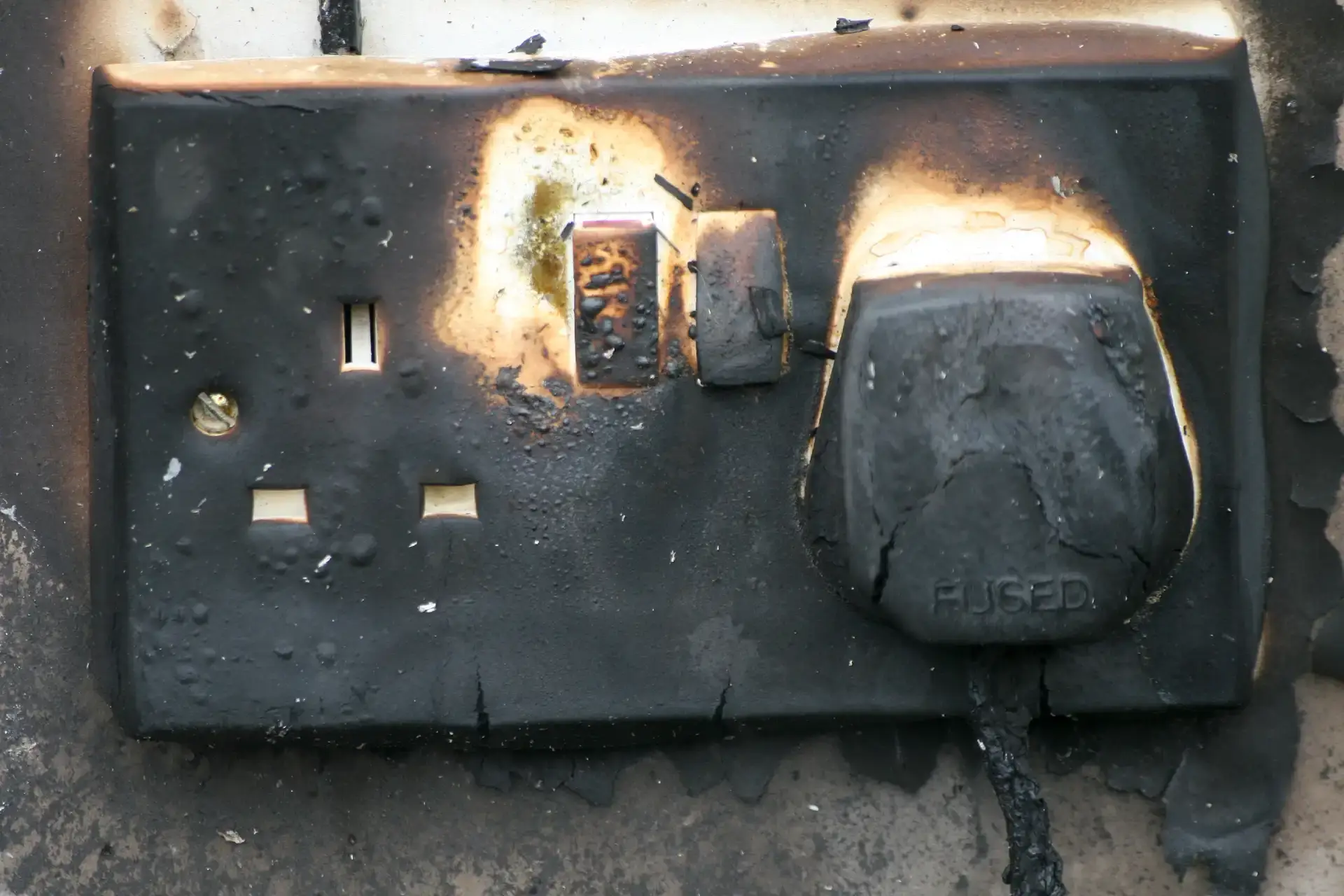
The main priority when an electrical fire takes place is always personal safety. Get everyone out of the property immediately and call emergency services. Never attempt to extinguish an electrical fire with water as this can worsen the situation. If the fire is manageable, only use a CO₂ fire extinguisher that is rated for electrical fires.
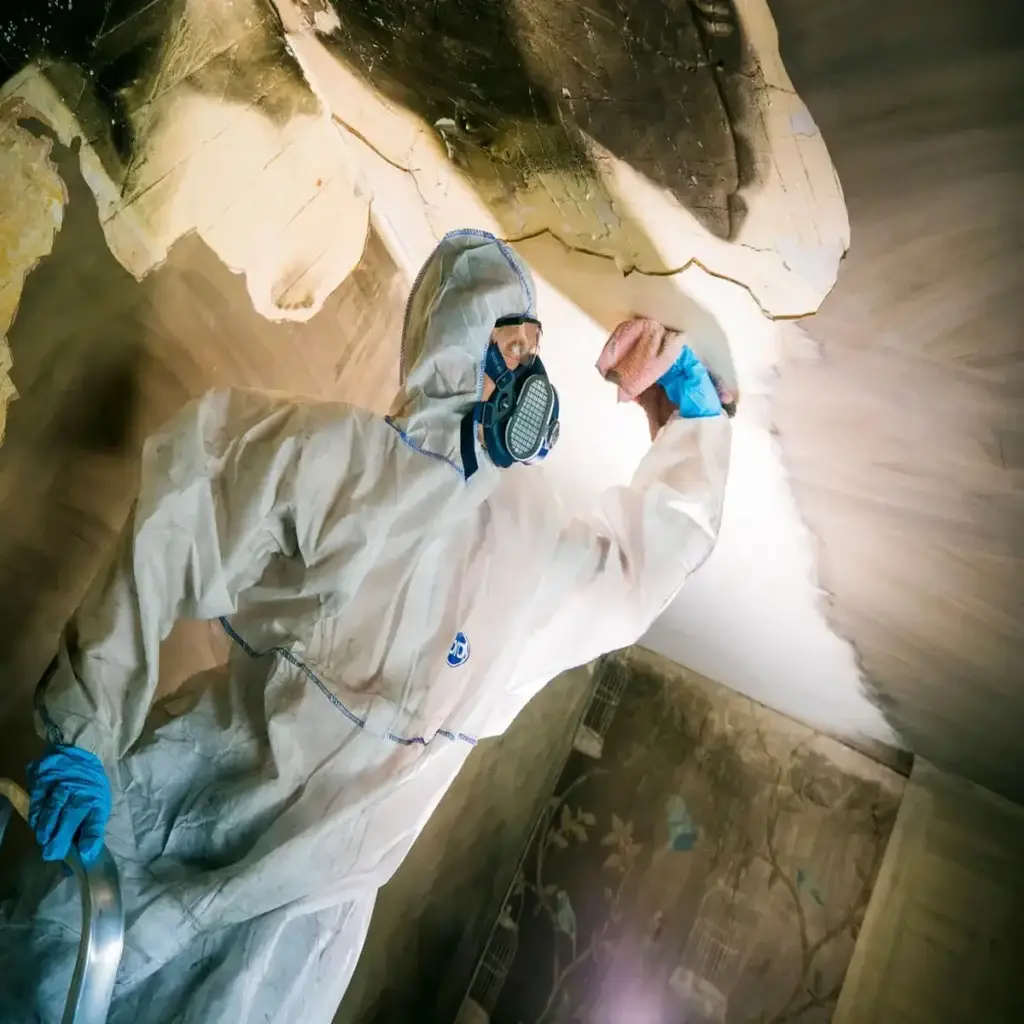
The fully trained and certified team at Ideal Response specialises in comprehensive restoration services for both fire damage and water damage. They can assess and restore areas affected by fire, smoke, soot and moisture, while also identifying secondary risks such as mould growth and weakened structural materials. Ideal Response also provides specialist cleaning, structural drying, soot removal and deodorisation, helping you reclaim your property and making it feel like home again.
How to extinguish an electrical fire
Electrical fires need to be handled with extreme caution. Never use water, as it can intensify the fire and put you at risk of electrocution. If it is safe to do so, shut off the power at the mains to stop the electrical supply. In situations where a fire is small and manageable, use a Class C or CO₂ fire extinguisher that is designed for electrical fires. If the fire is spreading or you’re unsure what to do, the safest course of action is to have everyone evacuate immediately and call the fire services.
Once the fire is out and the property is safe, contact a professional restoration company such as Ideal Response for immediate assistance. Our rapid, UK‑wide emergency response means fully trained, IICRC‑certified experts can be on‑site quickly to minimise further damage, along with safe and compliant disposal of all materials.
Dealing with smoke damage after a fire
Even with a small fire, smoke can play a major part in damaging and staining your home. Smoke can quickly spread and stain surfaces throughout your home. Along with causing unsightly stains, soot and ash are acidic which can corrode surfaces and permanently damage materials if not treated promptly.
The specialists at Ideal Response provide a wide range of services to help restore your home. This includes smoke damage cleaning, smoke odour removal and soot and ash cleaning services. Our trained technicians use specialist equipment, including industrial HEPA filtration air scrubbers and advanced deodorisation treatments to remove airborne particles and eliminate odours at the source. Most importantly, we provide tailored services to ensure your property is restored safely and effectively.
Choose Ideal Response for fire damage restoration services
Dealing with fire damage can be stressful, especially with something as important as your home. The helpful team at Ideal Response understands how distressing fire damage can be. We recognise the potential lingering risks and provide tailored, rapid-response services to restore your home and more importantly, provide you with peace of mind when you need it most.
Reach out to our expert team for rapid support. Fill out our contact form or give us a call on 0800 088 4170.
FAQs: Water in electrics & fire risk
Can water in electrics really cause a fire?
Yes. While not every exposure leads to ignition, water can create short circuits, electrical arcing and overheating. These faults generate intense heat that can ignite surrounding materials such as insulation, timber or dust inside walls.
How long after water exposure can an electrical fire occur?
An electrical fire does not always happen immediately. Moisture can remain trapped inside wiring, sockets or consumer units, leading to gradual corrosion and weakened connections. This can increase overheating risk weeks or even months after the initial leak or flood.
Is it safe to use electrics after they’ve been splashed with water?
No appliance, socket or wiring should be used until it has been inspected by a qualified electrician. Even if the equipment appears dry, hidden moisture inside components can create instability and fire risk.
What should I do if water has reached plug sockets or wiring?
If safe to do so:
- Turn off the mains electricity supply.
- Avoid standing in water near electrics.
- Do not touch exposed wiring.
- Contact a qualified electrician and a professional water damage restoration specialist.
Early intervention significantly reduces secondary risks.
Can a small leak behind a wall cause an electrical fire?
Yes. Slow leaks are particularly dangerous because they often go unnoticed. Water can seep into cavities where electrical wiring runs, causing corrosion, insulation breakdown and loose connections over time.
Does home insurance cover electrical fires caused by water damage?
In many UK policies, sudden and accidental damage may be covered. However, gradual leaks due to poor maintenance are often excluded. Always check your specific policy wording or speak to your insurer directly.
Should electrical wiring always be replaced after a flood?
In many cases, yes. Floodwater can contaminate wiring insulation and accelerate corrosion. Even if systems appear operational, hidden deterioration may compromise safety. A qualified electrician should assess whether replacement is required.
Can I use water to put out an electrical fire?
No. Water conducts electricity and can worsen the fire or cause electrocution. Only use a CO₂ or Class C fire extinguisher designed for electrical fires and only if it is safe to do so. Otherwise, evacuate immediately and call emergency services.
How can I tell if wet electrics have been damaged?
Warning signs include:
- Tripping circuit breakers
- Flickering lights
- Burning smells
- Crackling sounds from sockets
- Discoloured outlets
If you notice any of these signs after water exposure, seek professional help immediately.
What happens after an electrical fire?
Even small electrical fires can cause:
- Smoke and soot contamination
- Corrosive residue damage
- Structural weakening
- Lingering odours
- Hidden moisture risks
Professional fire and water damage restoration ensures the property is safe, compliant and fully restored.
Is smoke damage dangerous after an electrical fire?
Yes. Soot particles are acidic and can corrode surfaces quickly. Smoke can also travel through ventilation systems and affect rooms far beyond the fire’s origin. Prompt specialist cleaning prevents permanent staining and material degradation.
Who should I contact after an electrical fire caused by water?
After emergency services have declared the property safe, a professional restoration company can assess:
- Fire damage
- Smoke contamination
- Water damage
- Secondary mould risk
- Structural integrity
Rapid response helps minimise long-term repair costs.

Chris Hedges - Head of Marketing
With over 25 years' experience, Chris is adept at defining and driving strategy, while also enjoying hands-on operational delivery. He believes in an equal blend of creativity and analytical scrutiny, always finding inventive ways to achieve objectives, underpinned by evidence. Chris’s philosophies are simple: don't overcomplicate, always prioritise customer experience, and bend the rules just enough to cut through the noise and drive momentum and growth.