Available 24/7 | 0800 088 4170

Available 24/7 | 0800 088 4170
When a commercial building suffers a sudden incident, a pipe burst above a production line, a sprinkler malfunction in a hotel corridor, a fire in a plant room, there’s a moment of stunned silence before the chaos begins. Staff gather around the source, alarms sound, water pools in places it shouldn’t, and someone inevitably says: ‘Let’s see if we can handle this ourselves.’
The instinct makes sense. UK facilities teams are resourceful, practical and used to problem-solving on the fly. But major damage events move faster than even the best internal team can realistically respond to. While you’re sourcing equipment, rearranging shifts or phoning contractors, the real cost is quietly rising in the background: downtime.
And it’s downtime, not the damage itself, that drains the biggest portion of a business’s revenue.
Skip to:
The true financial impact of downtime in UK organisations
Hidden damage after a winter fire
A real UK case example (based on common scenarios)
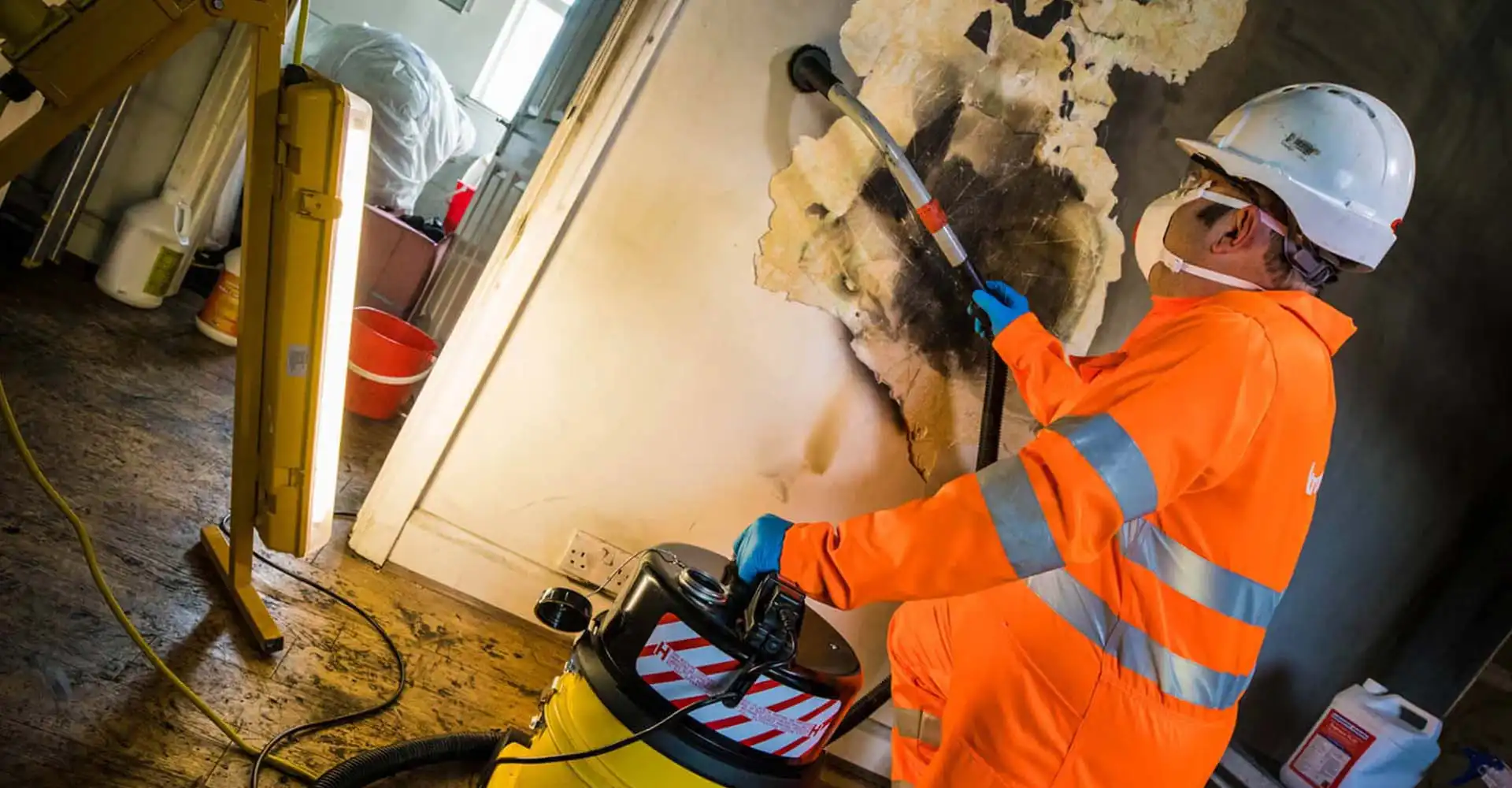
A quick look at what Ideal Response typically does on arrival
Why this matters more than ever for UK businesses
What makes a good outsourced partner
Protect your business, your revenue, and your reputation
FAQs
Downtime is rarely just ‘a day lost.’ It’s a domino effect that touches almost every part of the business:
A retailer in Birmingham who closes for 48 hours doesn’t just lose two days of takings, they lose the customers who walk down the street and spend elsewhere. A food production site in Kent may miss supermarket delivery windows, creating contractual penalties. A hotel in Glasgow with 12 contaminated rooms loses more room nights ‘perishable inventory’ than it can ever recover.
The financial hit is rarely linear. It escalates the longer the building stays offline.
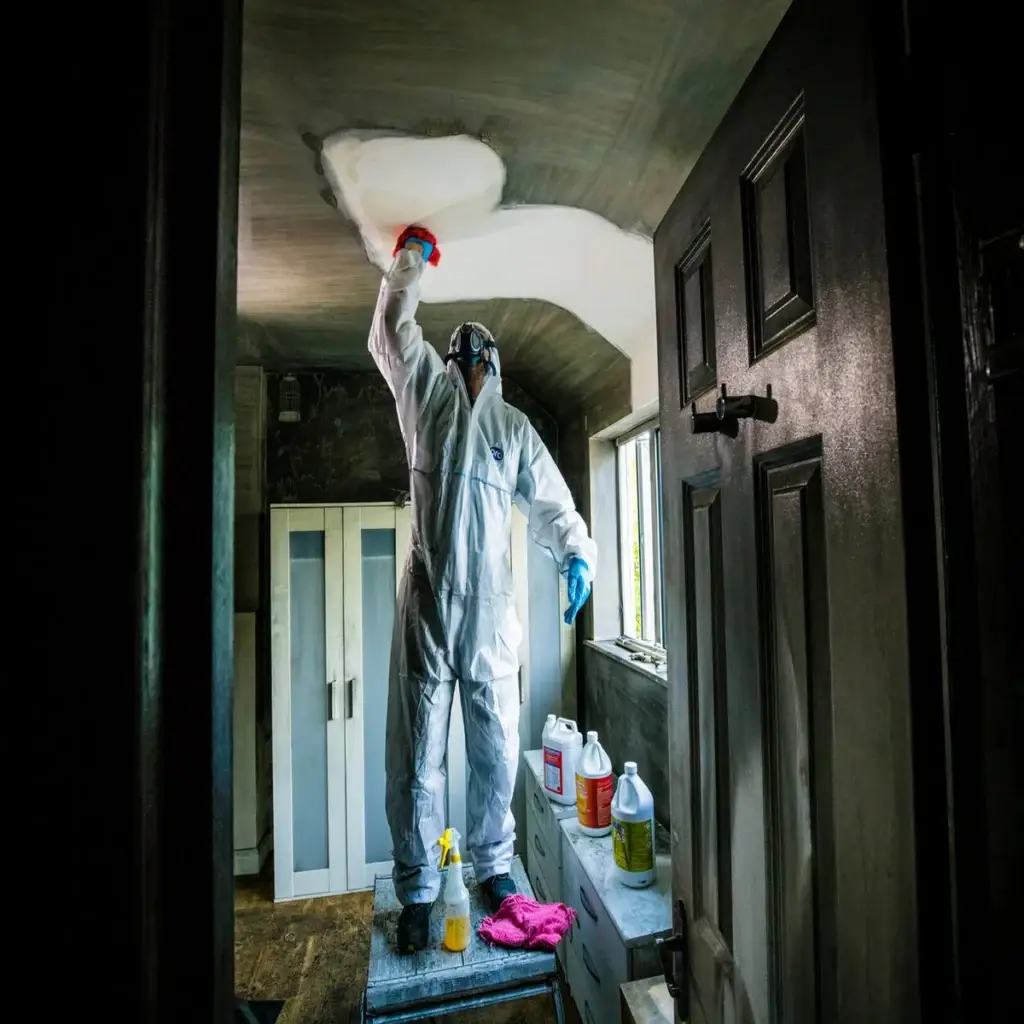
When an incident occurs, the clock starts immediately. Outsourcing isn’t simply “getting a cleaner in”; it’s bringing in a team whose sole purpose is to shorten the timeline between incident and full operational return.
A specialist restoration company arrives with:
Most importantly, they prevent the one factor that costs UK businesses the most: delay.
A manufacturer in the Midlands experiences a major leak following a faulty valve. Production halts immediately.
The FM team responds quickly but is limited by available equipment and staff capacity. Moisture remains in wall cavities and the insurer requests additional evidence.
Downtime: 5 days
Estimated loss: £150,000+
Additional repair costs: Significant
A specialist team arrives within two hours. Water extraction is completed on arrival, drying begins overnight, and moisture mapping confirms safe conditions.
Downtime: 2 days
Estimated loss: £60,000
Restoration cost: Predictable and far lower than extended downtime
The difference isn’t subtle. It’s transformative.
When Ideal Response arrives on-site, the process is calm, structured and incredibly efficient. A typical flow looks like this:
This structure is designed for one purpose: Get you operational again as fast as physically possible.
Between increased extreme weather events, tighter HSE oversight, and stricter insurer expectations, businesses today carry more operational risk than at any time in the last decade. Facilities teams are leaner, buildings are more complex, and customer expectations are instant. Trying to manage a major damage event internally isn’t cost-saving, it’s high-risk. A reliable damage restoration partner is now part of a modern organisation’s resilience strategy, not an optional extra.
You don’t just want technicians. You want a team that understands commercial pressure, insurance processes, UK compliance and the economics of downtime. Therefore, look for a partner with:
The best restoration companies aren’t merely cleaning; they’re protecting the organisation’s ability to generate revenue.
In a critical damage event, hesitation is expensive. Every hour spent waiting, improvising, or handling restoration internally can cost more than the initial damage itself. Outsourcing restoration isn’t just about cleaning up a mess, it’s about minimising downtime, preventing secondary damage, ensuring compliance, and safeguarding your revenue. It’s a strategic decision that protects your people, your assets, and your reputation.
Imagine this: while a specialist team is already stabilising your building, extracting water, and mapping hidden risks, your staff are free to focus on what really matters, keeping operations running and customers satisfied. By the time most in-house efforts even get started, the professionals are already finishing the critical early stages of recovery.
The choice is clear: businesses that act quickly and strategically recover faster, spend less, and protect both their people and profits.
Take Action Now.
Don’t let downtime drain your revenue. Contact Ideal Response today for a rapid commercial assessment and get your business back to full operation faster. Available 24/7 across the UK, fully certified and fully equipped to respond within hours.

Chris Hedges is Head of Marketing at Ideal Response and the author of every article published on this site. With over 25 years of senior marketing experience across property, legal, and professional services sectors, Chris brings a clear, evidence-led approach to writing about fire damage, flood restoration, and specialist property remediation. His philosophy is simple: cut through the noise, respect the reader's time, and give people the information they actually need.
Explore more articles about damage restoration, specialist cleaning and what we do
If you’re dealing with fire damage, flooding, or an environmental incident, our team is ready to respond. No matter if you have a question or have an emergency that you need help with, call:
If you’d prefer to drop us a message, use our main contact form and upload any pictures of the incident. Would you like us to call you? Fill out the short ‘Request a call back’ form.