Reports of recent meningitis cases in Kent in March 2026 have understandably raised questions for schools, workplaces and organisations responsible for shared environments.
While meningitis remains relatively rare in the UK, data from the UK Health Security Agency consistently shows that cases can occur in localised clusters — particularly in settings where people spend extended time in close proximity.
For those managing buildings and public-facing spaces, the concern is often less about the illness itself and more about what practical steps, if any, should be taken.
- Should cleaning protocols change?
- Is there a risk within the building?
- When is professional support actually needed?
In most cases, there is no need for drastic action. However, situations like this serve as an important reminder of how infections can spread in shared environments, and why proportionate, well-informed hygiene measures matter.
This article sets out to provide clear, measured guidance. It explains:
- How meningitis spreads in everyday settings
- The role cleaning plays in reducing transmission risk
- When additional precautions may be appropriate
- How organisations can respond responsibly without overreacting
The aim is not to cause concern, but to support confident, informed decision-making when it comes to maintaining safe and well-managed spaces.
Skip to:
What is meningitis and how does it spread?
Why public buildings should pay attention
The role of cleaning in infection prevention
Key areas that require attention
When is specialist decontamination appropriate?
What professional decontamination involves
What is meningitis and how does it spread?
Meningitis is an infection of the protective membranes surrounding the brain and spinal cord. It can be caused by bacteria, viruses or, less commonly, fungi. The most relevant factor for public environments is how it spreads.
Transmission in everyday settings
Meningitis-causing organisms are typically spread through:
- Respiratory droplets (coughing, sneezing)
- Close personal contact
- Shared surfaces and objects in some circumstances
This means environments such as:
- Schools and universities
- Offices and shared workspaces
- Healthcare and care settings
- Public buildings with high footfall
These can all play a role in transmission if hygiene is not maintained.
Why public buildings should pay attention
It’s important to be clear:
- The risk to the general public remains low
- Most environments do not require extreme measures
However, outbreaks serve as a reminder that:
- High-contact surfaces can harbour bacteria
- Shared environments increase exposure opportunities
- Hygiene standards directly impact transmission risk
For organisations responsible for public spaces, this is about reducing risk and not reacting to fear.
The role of cleaning in infection prevention
Routine cleaning plays a vital role in maintaining safe environments. However, there is an important distinction between:
Standard cleaning
- Removes visible dirt and dust
- Maintains general appearance
- Suitable for everyday hygiene
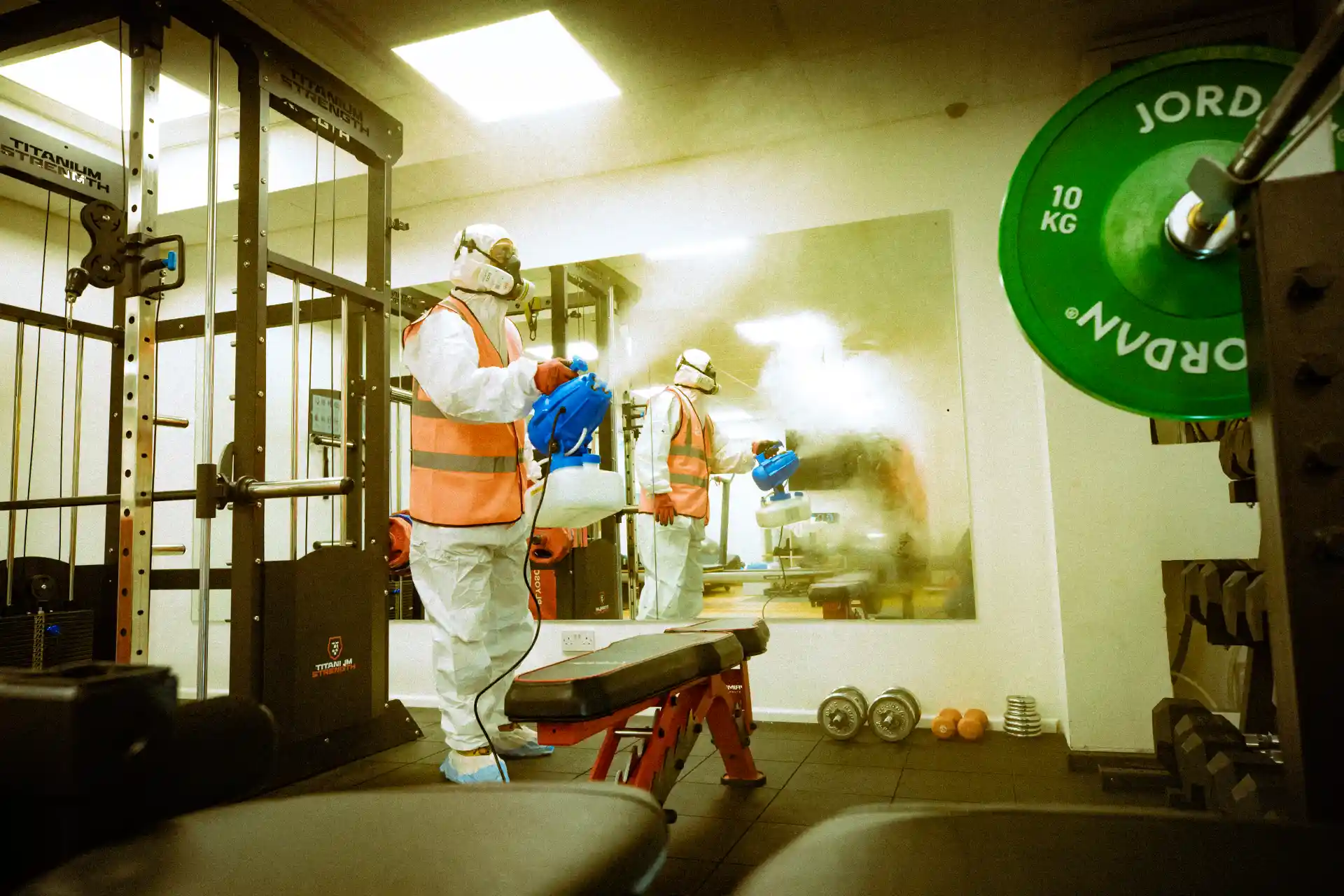
Infection control cleaning
- Targets bacteria and pathogens at a microbiological level
- Focuses on high-touch and high-risk areas
- Uses appropriate disinfectants and processes
During periods of increased concern, such as a local outbreak, reviewing cleaning standards can be a practical and proportionate step.
Key areas that require attention
In public and shared environments, certain areas are more likely to contribute to transmission. These include:
- Door handles and push plates
- Handrails and staircases
- Desks, tables and shared equipment
- Washrooms and communal kitchens
- Reception areas and waiting spaces
Increasing cleaning frequency and ensuring effective disinfection in these areas can significantly reduce risk.
When is specialist decontamination appropriate?
In most cases, enhanced routine cleaning is sufficient. However, specialist biohazard clean-up decontamination services may be appropriate where:
- A confirmed case has been present in a building
- There is concern about contamination in high-use areas
- Environments involve vulnerable individuals
- Reassurance is needed for staff, visitors or occupants
The goal is not to overreact but to respond proportionately and professionally where required.
What professional decontamination involves
Specialist infection control cleaning is designed to reduce microbial presence safely and effectively. This typically includes:
Targeted surface disinfection
Using appropriate disinfectants to treat high-contact areas where pathogens are most likely to be present.
Controlled cleaning processes
Ensuring contamination is not spread during cleaning through correct techniques and sequencing.
Safe handling procedures
Protecting both occupants and cleaning teams through appropriate safety protocols.
Focused application
Treating only necessary areas based on risk, rather than unnecessary blanket cleaning.
A balanced approach to prevention
Outbreaks like the one reported in Kent are a reminder, but not a reason for alarm. A sensible approach includes:
- Maintaining good hygiene standards
- Encouraging handwashing and personal responsibility
- Reviewing cleaning protocols where appropriate
- Seeking professional advice if concerns arise
For most organisations, small adjustments can make a meaningful difference.
Conclusion: Practical steps over panic
The recent meningitis cases in Kent highlight the importance of awareness, but they also reinforce an important message:
Effective infection control is about consistency, not crisis response.
For public buildings, workplaces and shared environments, the focus should be on:
- Maintaining high standards of cleanliness
- Understanding where risks exist
- Taking proportionate action when needed
In situations where there is a confirmed case or heightened concern, specialist decontamination can provide reassurance and an additional layer of protection, but it should always be guided by need, not fear.
Ideal Response supports organisations across the UK with professional, discreet infection control cleaning services, helping maintain safe environments when it matters most.
If you need advice or support following a confirmed case or concern, contact Ideal Response for guidance on appropriate next steps. Alternatively, visit the NHS website for further information on meningitis.
Frequently asked questions: Meningitis and cleaning in public spaces
Do we need to deep clean our building after a meningitis case?
Not always. In most situations, targeted cleaning of high-contact areas is sufficient. Specialist cleaning may be appropriate if there has been prolonged exposure in shared spaces or specific public health advice.
Can meningitis spread through surfaces in workplaces or schools?
Meningitis is primarily spread through respiratory droplets and close contact. However, shared surfaces can contribute to transmission in certain environments, particularly where hygiene standards are low.
Should we change our cleaning routine during a local outbreak?
In many cases, a simple increase in cleaning frequency, particularly for high-touch surfaces, is a sensible and proportionate step. There is usually no need for extreme measures.
When should we consider professional infection control cleaning?
Professional cleaning may be appropriate if:
- There has been a confirmed case within the building
- There is concern about contamination in shared areas
- Vulnerable individuals are present
- Reassurance is needed for staff, visitors or occupants
Is it necessary to close a building after a meningitis case?
Closure is not typically required. Public health guidance should always be followed, and in most cases, environments can remain operational with appropriate hygiene measures in place.
What areas should be prioritised for cleaning?
Focus should be on high-contact surfaces such as:
- Door handles and handrails
- Desks and shared equipment
- Kitchens and washrooms
- Reception areas
These are the most likely points of indirect contact.
Are standard cleaning products enough to reduce risk?
Standard products can be effective for general cleaning. However, infection control cleaning may involve specific disinfectants and methods to ensure pathogens are properly addressed.
How quickly should cleaning take place after a confirmed case?
Cleaning should be carried out promptly, but proportionately. The response should be guided by risk and public health advice rather than urgency alone.
Does professional decontamination eliminate all risk?
No cleaning process can completely eliminate risk. However, it can significantly reduce the presence of harmful microorganisms and improve overall safety.
Who is responsible for managing infection control in a building?
Responsibility typically lies with employers, building managers or organisations, supported by public health guidance and internal policies.

Chris Hedges - Head of Marketing
With over 25 years' experience, Chris is adept at defining and driving strategy, while also enjoying hands-on operational delivery. He believes in an equal blend of creativity and analytical scrutiny, always finding inventive ways to achieve objectives, underpinned by evidence. Chris’s philosophies are simple: don't overcomplicate, always prioritise customer experience, and bend the rules just enough to cut through the noise and drive momentum and growth.